Every generation has its own language, and Boomers came up with some of the most memorable slang around.

From calling something “groovy” to telling a friend to “take a chill pill,” their phrases captured an era when music, freedom, and rebellion were shaping culture in real time. Of course, for Gen Z, most of those words sound completely foreign, or hilariously outdated.
What once made someone sound cool now sparks confusion or laughter. It’s not that the language was bad, per se, it just belongs to a different time. These are some of the classic Boomer slang words that defined a generation, and that Gen Z will probably never fully understand.
1. Groovy

This was the ultimate word for something cool or excellent back in the ’60s and ’70s, but if you use it now, you sound like you’re doing a bad Austin Powers impression. It’s so tied to that era that it can’t exist outside of it without seeming like a joke or nostalgia trip.
The word came from jazz culture and meant something was in the groove or flowing well, but Gen Z has no connection to that musical context. To them, it’s just a funny old word their grandparents might say, completely stripped of its original coolness.
2. Far out

Boomers used this to express amazement or approval about something mind-blowing or unconventional. It was everywhere in the hippie counterculture, but now it just sounds dated and a bit silly, like you’re trying too hard to sound alternative.
Gen Z expresses the same sentiment with words like “wild” or “insane,” but far out has lost all its currency. The phrase was meant to capture something beyond normal experience, but younger people have their own language for that now.
3. Dig it

This meant you understood something, or you liked it, and it was casual slang that Boomers threw around constantly. These days, it sounds weirdly formal or like you’re doing a deliberate retro thing, and Gen Z would just say “I’m into that” or “that’s fire” instead.
The word came from jazz musicians in the ’40s and ’50s meaning to understand or appreciate, but that whole beatnik culture is ancient history to younger generations. They’ve got no reference point for why anyone would use dig to mean understanding.
4. Outta sight

Something so good it was beyond belief or exceptional, used heavily in the ’60s and ’70s as high praise. Gen Z would never use this because it sounds completely ridiculous and outdated to modern ears, like something from a museum exhibit about old slang.
The expression was meant to convey something so amazing it transcended normal vision or comprehension. Younger people have completely different ways of expressing excellence that don’t involve sight metaphors at all.
5. Tubular

Surfer slang from the ’80s that boomers picked up meaning something was awesome or excellent, particularly if it was related to something rad or cool. It’s so tied to that specific era of surf culture that it can’t be separated from it without sounding absurd.
Gen Z has never lived in a world where this word was used seriously, and to them, it’s purely a punchline or something cartoon characters say. The whole surf culture slang boom that gave us tubular is completely foreign to their experience.
6. Rad

Short for radical, this meant something was extremely cool or impressive in the ’80s and early ’90s. Boomers and older Gen X used it constantly, but now it’s firmly in the category of words that date you immediately if you say them unironically.
The political origins of radical got completely lost in its slang usage, and Gen Z doesn’t have that connection to counterculture radicalism. They’ve got their own words for cool that evolved naturally in their time, rather than borrowing from older generations.
7. Bodacious
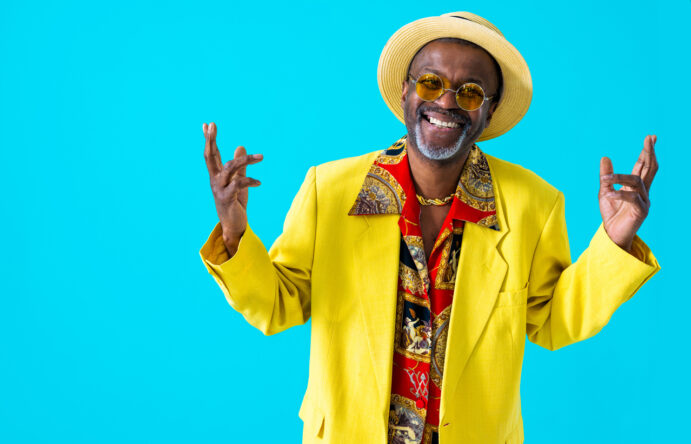
This meant something was remarkable or impressive, often used for things that were bold or audacious. It peaked in the ’80s and early ’90s, but now it sounds like you’re quoting Bill and Ted rather than using normal language.
Gen Z has no cultural memory of when this word was actually current, so it only exists for them as a historical curiosity. The kind of over the top enthusiasm it represented feels alien to their more ironic communication style.
8. Righteous

Used to describe something morally good or just really excellent, this word crossed over from religious language into hippie slang. Boomers used it to approve of things that aligned with their values or were just generally awesome.
Younger generations don’t mix moral language with casual approval the same way, and righteous sounds preachy or weirdly intense to them. The whole earnest counterculture vibe that made this word work is completely lost on Gen Z.
9. Solid

This meant something was reliable, good, or cool, and it was standard slang for decades. Boomers still use it sometimes, but to Gen Z, it sounds oddly formal, or like business speak rather than casual conversation.
The jazz and beatnik origins of this word as slang are completely unknown to younger people. They’d just say something’s “legit” or “valid” instead, which serves the same function but feels contemporary to their era.
10. Psychedelic

Originally describing mind-altering drug experiences, this became general slang for anything colourful, trippy, or mind-blowing in the ’60s and ’70s. Boomers used it for everything from music to visual art to experiences, but now it’s quite specific again.
Gen Z knows the word, but only in its literal sense related to drugs or very specific aesthetic references. They don’t use it casually to describe regular cool things the way Boomers did because the whole hippie drug culture context isn’t part of their world.
11. Can you dig it

This was a way of asking if someone understood or agreed with what you were saying, made famous by various ’70s movies and music. Now it sounds like you’re doing a parody of old slang rather than actually communicating.
Gen Z would just say “you feel me” or “you know what I mean” to check understanding. The whole phrasing and rhythm of can you dig it is so tied to a specific era that it can’t be transported to modern speech without sounding ridiculous.
12. Heavy

Used to describe something serious, profound, or intense, this was everywhere in boomer vocabulary for discussing weighty topics. Gen Z understands the word literally, but not as slang for serious or deep conversations.
Younger generations would say something’s “deep” or “intense” instead, and heavy sounds oddly poetic or pretentious to them. The earnestness with which boomers used heavy for serious topics doesn’t match Gen Z’s more ironic communication style.
13. Boogie

This meant to dance or party, and it was absolutely everywhere in the disco era and beyond. Boomers still say let’s boogie when they mean let’s go or let’s get moving, but Gen Z finds it completely baffling and old-fashioned.
The whole disco culture that made boogie ubiquitous is ancient history to younger people. They’ve got no connection to that musical movement, so the word just sounds like something their grandparents say that makes no sense.
14. Gnarly
Originally surfer slang for something difficult or dangerous, it evolved to mean something was extremely cool or impressive. Boomers and older Gen X picked it up from surf and skate culture, but it’s completely dead language now to younger generations.
To be fair, this one is vaguely making a comeback thanks to the viral song “Gnarly” by K-pop inspired girl group Katseye, but most Gen Zers never use it seriously themselves. The word is so attached to ’80s and ’90s extreme sports culture that it can’t exist outside that context without sounding like a costume.