When you’re a kid, certain moments just feel like part of the background: ordinary, forgettable, or too small to mean much.

However, as you get older, you start to realise those little things actually mattered more than you thought. They helped shape who you are, even if you didn’t notice it at the time. These are the kinds of memories that come back years later, suddenly hitting different when you see them through adult eyes.
1. The way someone reacted when you were upset.
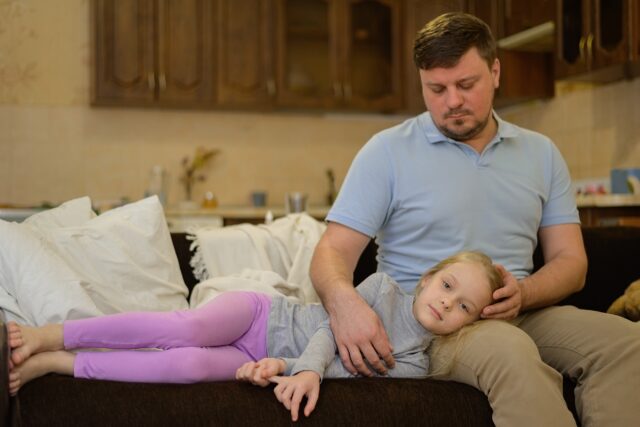
As a kid, you probably didn’t think too deeply about who comforted you, or who didn’t. But later, you remember whether someone sat with you, brushed you off, or told you to stop crying. Those early responses helped form your beliefs about what emotions are allowed and what love looks like.
Maybe you learned to keep things in because no one ever came closer when you opened up. Or maybe you now realise how lucky you were to have someone who always stayed, even when they didn’t have the right words. Either way, it shaped how safe or unsafe your feelings feel today.
2. Being left out, even once

At the time, it might’ve felt like just another bad day at school: a birthday party you weren’t invited to, or a game where you weren’t picked. Whatever the case, that small exclusion has a way of sticking around. You carry the question: what’s wrong with me?
As an adult, you start to connect the dots. That moment became part of your social wiring. Maybe you still feel hesitant around new groups or overly relieved when you’re included. It wasn’t just about that day; it was about what it quietly taught you to expect from other people.
3. Getting praised for something specific

Sometimes it’s the first compliment you ever remember. “You’re so smart,” or “You’re the quiet one,” or “You’re the helpful kid.” At the time, it feels nice to be noticed. Later, though, you realise how much of your personality was built around keeping that label. You might have learned to perform rather than be. Or maybe you still feel pressure to always be the responsible one, even when you’re falling apart. That one sentence turned into an identity you’re still trying to navigate.
4. When an adult apologised to you

If you ever had a teacher, parent, or family friend say, “I’m sorry, I was wrong,” that might’ve felt weird as a kid. Adults were supposed to know everything. But that moment probably taught you more than any lecture ever could.
It showed you that authority doesn’t make someone infallible. That respect isn’t about never making mistakes, but about owning them. And now, maybe you find yourself respecting people who admit when they mess up because you saw what it looked like early on.
5. Being trusted with something small

Whether it was being left home alone for the first time, or just getting to carry the shopping list, those moments of being trusted felt exciting at the time. You probably didn’t realise how much they were shaping your sense of capability. Now, when you struggle with self-doubt, you might find your mind flicking back to those tiny proofs that someone believed in you. They weren’t grand gestures, but they quietly built your confidence in ways you didn’t recognise until later.
6. Someone defending you when you weren’t in the room

Maybe you only found out later that your sibling stood up for you at school, or a family friend shut down a cruel comment. At the time, you didn’t even know it happened. However, when you finally did, it planted something deep. It made you feel seen, even retroactively. It reminded you that you mattered to someone. And it probably made you more likely to do the same for other people because now you understand how powerful it is to be protected behind your back.
7. When someone taught you something with patience

Whether it was tying your shoes, baking a cake, or learning to swim, there’s a moment where someone chose to slow down and help you figure it out. No sighing, no rushing, just real patience. It might’ve felt normal then, but it was rare. Looking back, you realise how valuable that kind of patience is. Maybe it made you less afraid to try new things. Or maybe it’s why you’re the kind of person who explains, not mocks. That memory became a model for how care looks in action.
8. Witnessing conflict, and how it was handled

Whether it was a shouting match at home or a disagreement between adults, conflict felt big and uncomfortable as a child. However, what really stuck was how it ended. Was there resolution? Did people apologise, or did everything just go silent and cold?
That moment shaped your emotional responses today. If everything blew up and then got buried, you might still avoid confrontation now. But if you saw healthy repair, you probably learned it’s okay to mess up, as long as you know how to mend it.
9. Feeling safe with one specific adult

It might’ve been a grandparent, a neighbour, or even a friend’s parent. Someone who didn’t ask too much of you, didn’t criticise, just let you be. At the time, you didn’t think much of it. You just liked being around them. Now, you realise that safe space helped you survive harder dynamics elsewhere. It gave you something to compare against, and maybe it became the blueprint for the kind of person you try to be with others today.
10. Being told to “toughen up”

It might’ve come during a scraped knee or after someone hurt your feelings. At the time, you probably took it to mean “don’t cry.” But later, you understand it was also teaching you to silence your needs. Now, it might be hard to know when you’re allowed to ask for help, or even when you’re struggling. That one throwaway comment created a lasting message: emotions make you weak. And unlearning that takes time.
11. Seeing someone else get treated unfairly

Sometimes the most formative moments weren’t about you at all. Watching a classmate get humiliated, or a sibling punished for something they didn’t do, hits differently later. You realise that unfairness wasn’t random. It was systemic, or habitual. That experience might’ve given you a strong sense of justice, or maybe it made you more empathetic toward people who don’t get the benefit of the doubt. Either way, it opened your eyes, and that awareness stuck.
12. Being allowed to quit something

Whether it was piano lessons or a sport you hated, being told, “You don’t have to keep doing this,” might’ve felt like relief at the time. But looking back, it was also your first taste of personal agency. You were shown that commitment doesn’t mean self-sacrifice. That it’s okay to change your mind. That you’re allowed to listen to yourself. That moment didn’t just end an activity, it silently gave you permission to walk away when something doesn’t feel right.
13. Being picked last, or not picked at all

It seemed like a small playground thing, but it cut deep. You told yourself you didn’t care, but you remember the sting. That moment might’ve made you work harder, hide yourself more, or lower your expectations from other people.
Now, when you’re praised or chosen, you might still feel a tiny disbelief in the back of your mind. That childhood moment didn’t define your worth, but it definitely shaped your understanding of how acceptance works. Unlearning that takes more than a pep talk.
14. Someone remembering something small about you

Maybe your teacher remembered your favourite colour, or a friend brought you something random you once mentioned. It didn’t seem life-changing at the time, but it left an impact. You felt noticed in a way that stuck. That moment showed you what genuine care looks like. It’s not the big, showy gestures that mattered, just someone actually paying attention. Now, you probably go out of your way to do the same for other people because you know exactly how much it meant.