It’s easy to get bogged down in the daily grind of parenting and feel like you’re failing because the house is a mess or your kids aren’t the best at everything they try.

You’re likely far too hard on yourself, worrying about grades or whether they’re eating enough greens, while missing the bigger picture of the people they’re actually becoming. The real proof that you’ve done a good job isn’t found in a trophy cabinet or a perfect school report; it’s in the way they treat the people around them when you aren’t looking.
If they’ve grown into humans who are decent, honest, and can handle a bit of a setback without the world falling apart, then you’ve won the long game. These 14 signs are a reminder that even on the days when you feel like you’re just barely getting by, you’ve likely given them the exact tools they need to be brilliant adults.
1. They admit when they’ve made a mistake.

Kids who can own up to their errors without falling apart have learned that mistakes don’t define them. They’ve figured out that honesty matters more than looking perfect, and that’s down to you creating an environment where they feel safe admitting they’ve messed up. That sort of accountability doesn’t come naturally to children, it’s taught through your reaction when things go wrong.
2. They show empathy towards other people.

When your child notices someone struggling and actually does something about it, that’s a sign they’ve absorbed your values. Empathy isn’t just about feeling sorry for people, it’s about understanding different perspectives and caring enough to respond. Children who demonstrate genuine concern for other people have learned this by watching how you treat people, especially when you think no one’s paying attention.
3. They can entertain themselves without screens.
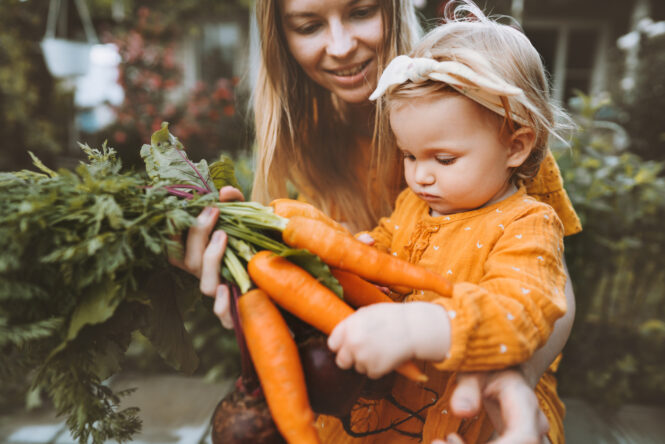
A child who can find something to do without immediately reaching for a tablet or phone has developed imagination and independence. They’re comfortable with their own company and don’t need constant stimulation or entertainment handed to them. That usually means you’ve resisted the easy option of parking them in front of screens whenever they’re bored, which takes real effort and consistency.
4. They stand up for what’s right, even when it’s hard.

Kids who speak up against unfairness or defend someone being picked on have learned courage from somewhere. They’ve internalised the message that doing the right thing matters more than being popular or avoiding conflict. A strong moral backbone is something that solidifies when children see their parents making principled choices, even when those choices are uncomfortable or inconvenient.
5. They respect boundaries without constant reminding.

When your child accepts “no” without launching into negotiations or a meltdown, they’ve learned that boundaries exist for good reasons. They understand that other people’s needs and limits matter, not just their own desires. This happens when you’ve been consistent with your own boundaries and haven’t caved every time they’ve pushed back.
6. They help around the house without being asked.

A child who notices the dishwasher needs emptying or takes their plate to the sink without prompting has developed awareness and responsibility. They’ve learned that maintaining a household is everyone’s job, not just something parents do whilst children play. A mindset like that is formed when you’ve involved them in daily tasks from a young age, rather than doing everything for them.
7. They can handle disappointment.

Kids who don’t crumble when things don’t go their way have developed emotional resilience. They’ve learned that setbacks are temporary and that life isn’t always fair, but you keep going anyway. When parents don’t rush to fix every problem or shield their children from every difficulty, allowing them to experience and process disappointment in manageable doses, this skill has a chance to develop.
8. They’re polite to people in service roles.

When your child says please and thank you to waiters, shop assistants and delivery drivers, they’ve learned that everyone deserves respect regardless of their job. They understand that being kind costs nothing and that treating people well isn’t about what you can get from them. Their behaviour reflects the way you interact with people across all social situations.
9. They ask questions instead of making assumptions.

Children who seek to understand rather than jumping to conclusions have learned curiosity and critical thinking. They’re comfortable admitting they don’t know something and want to learn more. Intellectual humility comes into the picture when you’ve encouraged questions rather than expecting them to just accept what they’re told without thinking.
10. They can manage their emotions without aggression.

A child who can feel angry or frustrated without lashing out physically or verbally has learned emotional regulation. They’ve developed the ability to recognise their feelings and express them in ways that don’t harm anyone. This crucial skill comes from you helping them name their emotions and teaching them healthy outlets when big feelings show up.
11. They include other people rather than excluding them.

Kids who make space for the child sitting alone or invite the new classmate to join in have learned inclusivity and kindness. They understand what it feels like to be left out and don’t want to inflict that on other people. Such compassionate behaviour is natural when you’ve modelled inclusion in your own friendships and family gatherings.
12. They take responsibility for their belongings.
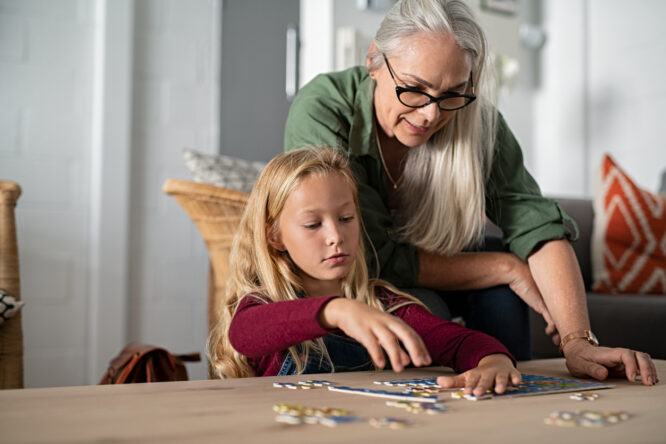
When your child keeps track of their things and takes care of what they own, they’ve learned responsibility and gratitude. They understand that stuff costs money and effort, and that replacing lost items isn’t just magically sorted by parents. That awareness becomes ingrained when you’ve let them experience the natural consequences of carelessness, rather than immediately replacing everything they lose or break.
13. They’re comfortable being themselves.

A child who doesn’t constantly try to be someone they’re not has developed healthy self-esteem. They’re secure enough in who they are that they don’t need to put on a performance for acceptance. That confidence comes from unconditional love and acceptance at home, where they’ve learned their worth isn’t tied to achievement or popularity.
14. They show gratitude without being prompted.
Kids who genuinely appreciate what they have and express thanks without reminding have learned that nothing is owed to them. They understand the effort that goes into providing for them and don’t take it for granted. Such a grateful mindset develops when you’ve taught them the value of things and haven’t given them everything they’ve ever wanted the moment they’ve wanted it.
None of these behaviours happen overnight, and even the best-raised children have off days where they act like absolute nightmares. However, if you’re seeing these patterns emerge, even inconsistently, you’re doing something very right. The fact that you’re even thinking about whether you’re raising them well is probably the biggest sign that you are.