First things first: not having your dad around as a kid doesn’t mean you’re doomed.

Maybe you were raised by a single mum, or by grandparents, or other caregivers who did the best for you, but your father wasn’t part of the picture. That’s okay! You can still grow up to be a happy, healthy, well-adjusted and emotionally secure adult, and many are.
However, for those who struggled to accept the lack of fatherly presence while growing up, the lingering effects can be… intense. For those people, these experiences may become more common with age.
1. You struggle to trust people in relationships.

When the first man in your life wasn’t there consistently, it’s bloody hard to believe that other people will actually stick around when things get rough. You might catch yourself constantly waiting for partners or friends to bail, even when they’ve given you absolutely no reason to think they will.
This whole “everyone’s going to leave me” thing often becomes a self-fulfilling prophecy because you end up pushing people away before they can hurt you. Start small with trusting people on little things, and slowly work your way up. Not everyone’s going to do a runner like your dad did.
2. You have no clue what healthy relationships actually look like.

Without a dad around to show you how men should treat their partners or how couples should actually get along, you’re basically winging it with relationships as an adult. You might put up with treatment that’s absolutely not okay, or have no idea what normal arguments look like versus toxic ones.
Pay attention to couples you actually respect and see what makes their relationships tick. It’s worth reading about healthy relationships or talking to mates who seem to have their stuff together. You’re not behind or broken, you just missed some lessons that other people got automatically.
3. You’re constantly trying to impress authority figures.

Growing up without dad’s approval can leave you desperately trying to get validation from bosses, teachers, or any older bloke in charge. You might work yourself into the ground just to get a “well done” or feel absolutely crushed when someone in authority seems disappointed.
Your worth isn’t decided by what your boss thinks of you or whether some authority figure gives you a pat on the head. Start giving yourself credit for your own wins and progress. That validation you’re chasing from other people is something you can actually give yourself once you get the hang of it.
4. You either run from commitment or squeeze too tight.

Some people with absent dads become proper commitment-phobes because they’re terrified of getting abandoned again, while others become clingy as anything because they’re desperate not to lose anyone else. Both are just different ways of trying to protect yourself from getting hurt again.
Healthy relationships need both space and closeness, which is trickier than it sounds. You can love someone loads without losing who you are, and you can be committed without being suffocating. It’s about getting comfortable with a bit of uncertainty while still showing up for people.
5. You feel weird around traditionally masculine men.

Without a decent male role model at home, you might feel proper awkward around confident, traditionally masculine blokes or not know how to interact with them. You might find yourself drawn to older men looking for that father figure, or feel intimidated by strong masculine energy.
Masculinity comes in all sorts of packages, and not every man is going to abandon you like your father did. Try spending time around positive male role models, whether that’s mentors, friends’ dads, or community leaders. It helps you see what decent men actually look like in action.
6. You battle with feeling like you’re not good enough.

When your own dad didn’t stick around, it’s easy to think it’s because you weren’t worth staying for. This creates this deep feeling of not being enough that pops up everywhere, from relationships to work to how you treat yourself day to day.
Your father’s absence has nothing to do with your worth and everything to do with his own problems or circumstances. Try treating yourself like you would a good mate when that voice in your head gets nasty. Challenge the negative stuff and look for proof that you actually are enough, because you are.
7. You’ve got anger you don’t know what to do with.

There’s usually loads of buried anger about having an absent father, but many people don’t feel allowed to be angry about it, especially if he left because of death, military service, or other things he couldn’t help. This unexpressed anger can come out sideways or get turned inward on yourself.
It’s completely okay to be angry about what you missed out on, regardless of why your dad wasn’t there. Find ways to get that anger out that don’t hurt anyone, like writing in a journal, going for runs, or talking to someone who gets it. Bottling it up just makes everything worse.
8. You’re rubbish at saying no to people.

Without a dad to show you how to stand up for yourself and set boundaries, you might let people walk all over you or feel guilty whenever you try to protect your own time and energy. You probably put everyone else’s needs first and struggle to say no even when you really want to.
Setting boundaries is a skill you can learn at any age, even if it feels scary at first. Start with small stuff like saying no to requests you don’t actually want to do, then work up to bigger situations. Boundaries aren’t mean, they’re necessary for not getting completely burnt out.
9. You feel lost about who you actually are.
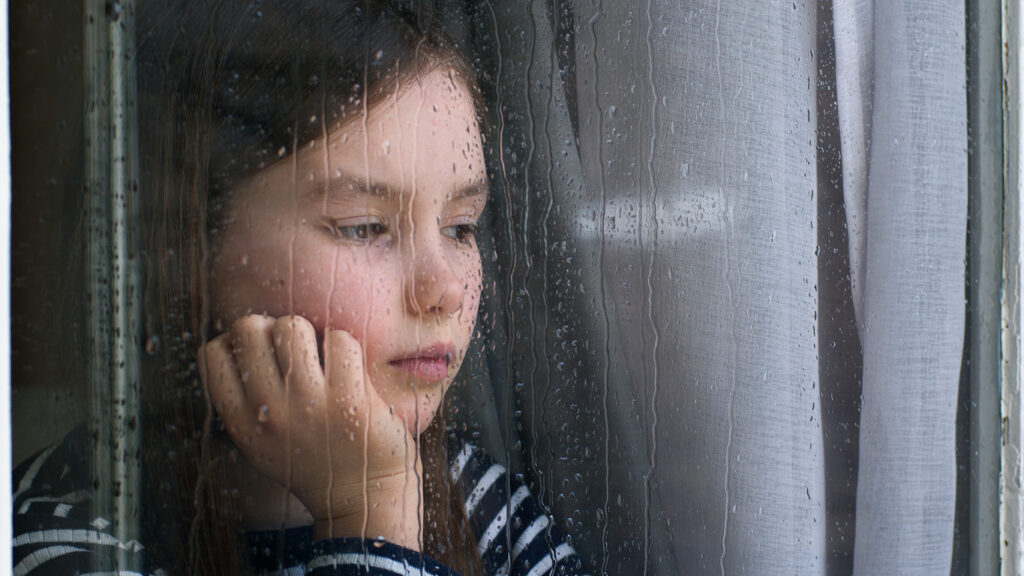
Dads often help kids figure out their place in the world and who they’re supposed to be. Without that guidance, you might feel like you’re constantly searching for yourself or trying on different personalities to see what fits, never quite feeling settled in your own skin.
Finding out who you are is an ongoing thing that doesn’t stop after childhood. Explore what actually interests you and what you value, not what you think your dad would have wanted. Don’t be afraid to try new things or change direction if something doesn’t feel right anymore.
10. Your emotions are all over the place.

Many dads help teach kids how to deal with big feelings and express emotions without completely losing it. Without this guidance, you might not know what you’re feeling half the time, how to cope when emotions get intense, or how to tell people what’s going on without exploding or shutting down completely.
Managing emotions is something you can learn even if you missed those early lessons. Start by just naming what you’re feeling when it happens, even if it’s just to yourself. Learn some basic coping strategies for when things get overwhelming, like taking deep breaths or talking to someone you trust.
11. You either worship or completely reject father figures.

Some people with absent fathers put any potential father figure on a pedestal and expect them to be perfect, while others automatically push away anyone who might try to fill that role. You might desperately seek out father figures or refuse help from anyone who reminds you of what you missed.
Good mentors and father figures are just normal people with their own flaws, not perfect heroes or threats to your independence. Allow yourself to accept guidance from older men while keeping realistic expectations. They can’t replace your dad, but they can offer support and wisdom if you let them.
12. Money stuff makes you anxious or careless.

Fathers often teach kids about managing money, work ethic, and building financial security. Without that guidance, you might be either completely stressed about money all the time or totally careless with it because no one taught you the basics of budgeting or saving.
You can learn about money management at any age through books, online courses, or even just asking financially savvy friends for advice. Start with simple stuff like budgeting and saving, then gradually learn more complex things. Don’t let embarrassment about not knowing this stuff earlier stop you from learning it now.
13. The idea of having kids brings up loads of complicated feelings.

Thinking about becoming a parent yourself can stir up all sorts of emotions when you grew up without a dad. You might worry about repeating the cycle, feel completely unprepared to be a parent, or stress about whether you’ll be any good at it without having had a decent role model.
Loads of people who grew up with absent fathers become brilliant parents because they’re determined not to repeat the cycle. If you decide to have kids, there are parenting classes, books, and support groups that can help. Consider talking to someone about your own childhood stuff before it impacts your parenting.
14. You feel like you missed the manual for being an adult.

Dads often teach practical stuff like basic repairs, car maintenance, how money works, or navigating professional relationships. Without that fatherly guidance, you might feel like everyone else got some secret handbook for adulting that you never received, leaving you feeling behind or unprepared.
These practical skills aren’t mysteries, you can learn them through YouTube, community classes, or just asking people who know. Most people are happy to share what they know, and everyone has gaps in their knowledge. Don’t let feeling embarrassed about not knowing something stop you from learning it.