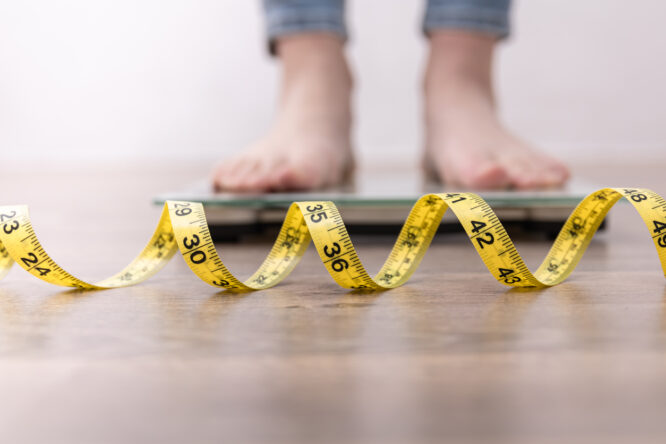
Making changes to your body can come with a mix of praise, pressure, and unexpected emotional fallout, and not just for you. While your weight loss journey might be deeply personal, it can start to affect the way people relate to you, speak to you, or even treat you. Some changes are subtle, some feel like silent distance, and some hit you in the gut. Here are 14 signs your progress might be straining your relationships, and what to do if it is.
1. Friends seem more distant or uncomfortable around you.
If the people closest to you suddenly start pulling back, cancelling plans, or making vague comments like “You’ve changed,” it might not just be about the physical. Sometimes your progress stirs up their own insecurities, especially if they’re struggling with their body or feel left behind in some way.
It’s not your job to manage their feelings, but it’s worth checking in. An honest conversation can clear the air, or at least make space for honesty. If someone values you, they’ll want to reconnect beyond the surface stuff.
2. You’re becoming hyper-focused on food around other people.
If social events now revolve around what you “can” or “can’t” eat, it can start to create tension. People might feel judged or anxious around you, even if that’s not your intention. You may also start skipping meals out, which slowly eats away at those shared moments, no pun intended.
Balance matters. Let yourself enjoy the company without making food the main character every time. You don’t have to abandon your goals, but letting go a bit in social settings can actually help protect your connections.
3. You’ve become more judgemental, both of yourself and of other people.
When you’re deep in weight loss mode, it’s easy to become laser-focused on discipline, effort, and appearance. However, that mindset can spill over into how you see other people, too. You might find yourself silently critiquing or comparing, even if you don’t say it out loud. If this is happening, pause. Ask yourself if you’re projecting your own pressure onto other people. It’s possible to pursue health without letting it turn into a measuring stick for worth, whether yours or anyone else’s.

4. You feel like people only compliment your appearance now.
Hearing “you look great!” might feel nice at first… until it starts to feel like that’s all people notice. If your identity is slowly getting flattened into how much weight you’ve lost, it can feel weirdly lonely. You’re still the same person, with the same heart, interests, and stories. If people are stuck on your body, gently steer conversations back to the bigger picture of who you are. It’s okay to want to be seen for more than a number or dress size.
5. Jealousy is creeping into your closest bonds.
Sometimes it’s not just strangers who act differently—your best mate, your sibling, even your partner might start showing signs of jealousy. It might be subtle digs, moody reactions to compliments you get, or even passive-aggressive jokes. It doesn’t make them bad people, but it might mean they’re comparing themselves or feeling threatened. Try to talk it out, without blame. A strong relationship can survive this change, but it often takes real honesty to get there.
6. You’re more defensive when people mention your body.
Even compliments can start to feel like pressure after a while. If every comment on your appearance triggers an internal reaction—tension, anxiety, or the need to explain yourself—it might be a sign that your self-worth is getting tangled up in the physical changes. It’s okay to say, “Thanks, but I’d rather not focus on my body right now.” Setting boundaries like that can help you reconnect with people in ways that feel more real and less performative.
7. Your partner’s intimacy or affection has changed.
Weight loss can shake up relationship dynamics. Sometimes your partner becomes more physically affectionate, but not emotionally present. Other times, they might pull away altogether, unsure of where they fit in this “new you.” Talk openly. Ask how they’re feeling, not just about your body, but about the emotional changes that might be happening. If you’re changing, the relationship might need to grow in new directions, too.

8. Conversations feel more filtered or awkward.
People might stop being open around you. They’ll hesitate before ordering dessert, avoid body talk altogether, or act like they’re walking on eggshells. That silence isn’t always about you. It might just reflect their discomfort or assumptions. If the vibe has changed, try naming it gently. Let friends know they don’t have to censor themselves. Reminding people you’re still you, just on a journey, can bring some lightness back into the room.
9. You find yourself hiding new habits to avoid judgement.
Maybe you’re eating something “off plan” and feel weird about it. Or maybe you’re skipping workouts and don’t want to admit it. When guilt creeps in, it often leads to secrecy, and that secrecy puts cracks in your relationships too. Progress doesn’t mean perfection. Be honest about the ups and downs. If your relationships feel like places where you have to pretend, it might be time to reassess both your circle and the expectations you’re placing on yourself.
10. You’re more easily irritated in conversations.
When you’re physically depleted, mentally over-focused, or emotionally sensitive about your body, it’s easy to snap. You might start seeing innocent comments as criticisms, or get defensive when someone offers help. Check in with yourself. Is the tension coming from them, or from within? Emotional fatigue from constant self-monitoring can spill over fast. A little rest, fun, and self-kindness can make a huge difference in how you show up for other people.

11. You feel disconnected even when surrounded by people.
Sometimes, even with company, you can feel miles away. Especially if the conversation is full of small talk and no one asks how you’re really doing. It can feel like no one gets what you’re going through. That loneliness doesn’t mean your friends don’t care. It might just mean you haven’t opened up about what this journey has actually felt like. Let someone in. You don’t have to carry it alone just because you’re the one “doing well.”
12. You start policing other people’s food or lifestyle choices.
When you’re deeply in the zone with your goals, it’s easy to start offering advice no one asked for. You might mean well, but if friends start getting quiet or defensive, it might be because they feel judged or compared. You can absolutely celebrate your own wins without turning into someone else’s health coach. Let people live, and trust that your example speaks louder than your tips ever could.
13. Your progress has become your only topic of conversation.
When something’s consuming your time and energy, it makes sense that it dominates conversation. However, if you’ve noticed people zoning out, changing the subject, or teasing you for always bringing it up, they might be craving the old dynamic back. You’re allowed to be proud. Just make sure your relationships aren’t becoming one-dimensional. Ask questions, share in their lives too, and remember that your weight loss is part of you, not all of you.
14. You feel guilty for outgrowing certain dynamics.
Sometimes, the tension isn’t obvious, but much more subtle. You start noticing that certain friendships revolve around unhealthy habits, old insecurities, or outdated dynamics. Even though you’ve grown, a part of you feels guilty for noticing that disconnect.
Growth changes things. Not every relationship will keep pace, and that’s okay. You can love someone and still realise the dynamic no longer fits. Letting go doesn’t mean you’re better than them. It just means you’re being honest about where you are now.