Parents bring different energy into a family, and none of this is about who’s better or who’s doing it “right.”
It’s more about noticing patterns that play out in everyday life, usually without anyone consciously deciding, “This is my parenting style now.” Dads often end up handling certain moments differently, not because they care less or feel less, but because the pressure hits them in a different place.
A lot of this shows up in small, ordinary situations. They’re the kind you barely clock at the time, but which quietly shape how kids see the world, handle stress, and think about themselves. These are the moments where dads often surprise people, especially when you stop expecting parenting to look one very specific way.
1. Staying calmer when things suddenly kick off

When chaos erupts out of nowhere, dads often don’t react as quickly or as intensely. A public meltdown, a smashed glass, siblings going at each other like it’s WrestleMania. Instead of jumping straight into panic mode, they’re more likely to pause for a second and assess what’s actually happening.
That steadiness has a knock-on effect. Kids feed off adult energy, whether we like it or not. When one parent stays grounded, it helps everything settle faster without anyone needing to shout instructions or escalate the moment. The situation still gets dealt with, just without everyone’s nervous system going into overdrive.
2. Letting kids take small, healthy risks
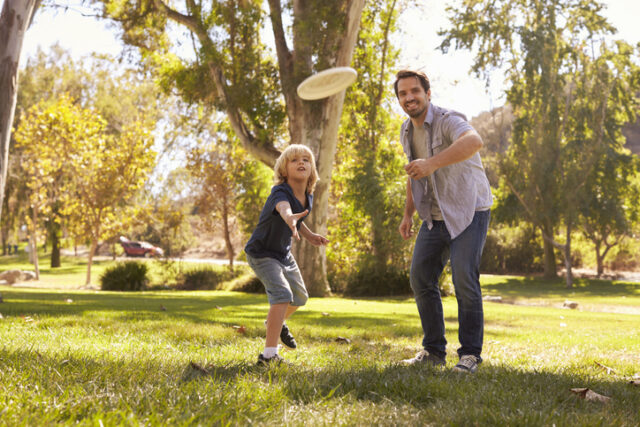
Dads are often more comfortable letting kids test their limits, even when it looks a bit uncomfortable. Climbing higher than expected, trying something solo, or figuring out the hard way that something isn’t as easy as it looked.
That doesn’t mean recklessness or ignoring safety. It usually means trusting the child to learn through experience, rather than stepping in at the first wobble. Over time, that builds real confidence because kids aren’t just being told they’re capable. They’re proving it to themselves.
3. Making boring tasks less soul-destroying

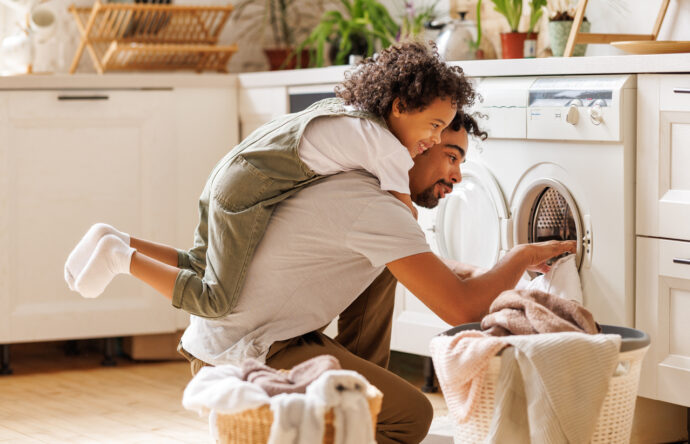
Everyday routines can turn into battlegrounds, but dads often handle them with a lighter touch. Socks become a competition. Toothbrushing turns into a ridiculous accent challenge. Tidying up gets framed as “how fast can we do this before the kettle boils?”
It might look silly, but it works. When tasks feel playful instead of loaded, kids stop pushing back so hard. The job still gets done, just without the constant low-level tension that drains everyone before the day’s even started.
4. Leaning into rough-and-tumble play

Dads tend to gravitate towards physical play without overthinking it. Wrestling on the floor, being chased around the house, dramatic pretend battles that end in laughter and exhaustion.
This kind of play teaches a lot without sitting anyone down for a chat. Kids learn where the line is between fun and too much. They learn how to read body language, when to stop, and how to manage excitement without tipping into aggression. It’s loud, messy, and surprisingly educational.
5. Not overanalysing emotional moments

When kids get upset, dads are often less inclined to dissect the feeling on the spot. Instead of immediately asking ten questions, they might offer a hug, sit quietly nearby, or distract gently until the emotional wave passes.
This can help stop feelings ballooning into something bigger than they need to be. Kids don’t always want a breakdown of why they’re sad. Sometimes they just want space to calm down without pressure to explain themselves before they’re ready.
6. Encouraging independence earlier
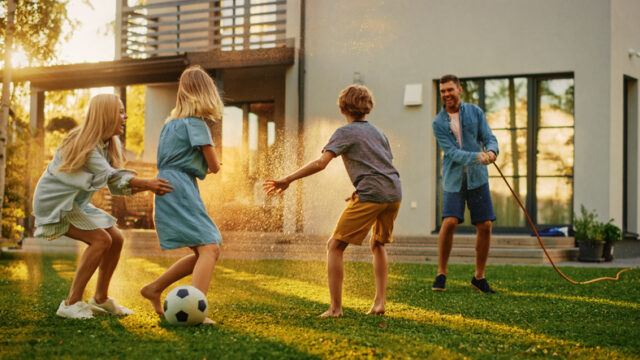
Dads are often quicker to step back and let kids handle things on their own. Packing a bag, sorting out a minor disagreement, or figuring out how to fix a mistake without adult intervention.
That distance isn’t neglect. It’s trust. Kids learn that they’re capable of handling everyday problems, which builds confidence that sticks. Being allowed to try, fail a bit, and try again teaches far more than constant supervision ever could.
7. Keeping discipline clearer and simpler

When it comes to rules and limits, dads often use fewer words. Expectations are stated plainly, consequences are consistent, and there’s less back-and-forth in the heat of the moment. That simplicity can actually feel safer for kids. Clear boundaries are easier to understand than constantly changing ones. When children know where the line is, they don’t have to keep testing it just to see what happens.
8. Modelling how to manage anger without explosions
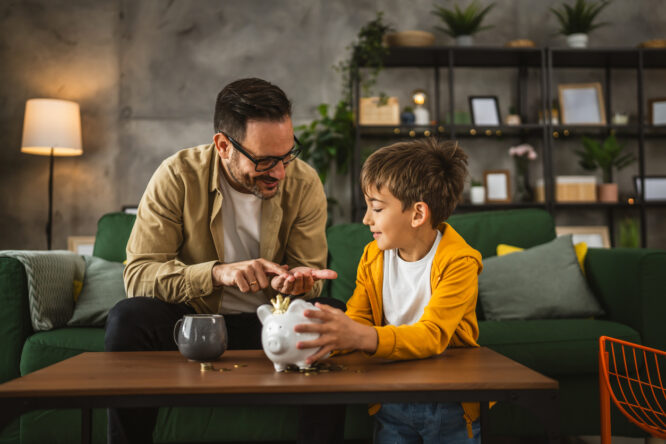
Plenty of dads model anger in a way that doesn’t scare the room. They get annoyed, sure, but they don’t always explode or make it everyone else’s problem. You’ll see a pause, a breath, maybe a walk away before dealing with it properly.
That matters more than people realise. Kids learn that anger is allowed, but it doesn’t get to take over. Seeing an adult handle frustration without shouting, slamming, or sulking teaches emotional control far more effectively than any lecture ever could.
9. Letting kids experience boredom

Dads are often less bothered when there’s nothing planned. No rushing to fill gaps, no panic over empty afternoons. If kids complain they’re bored, the response is usually a shrug and a “you’ll work something out.”
That boredom ends up being useful. Kids learn how to occupy themselves, invent games, or simply sit with their thoughts for a bit. When every spare moment isn’t organised, creativity and independence have room to grow naturally.
10. Laughing off small disaster

Spilled drinks, dropped food, torn homework, muddy shoes straight after getting dressed. Dads are often quicker to laugh and move on instead of turning it into a big deal. That reaction teaches kids something important. Mistakes don’t mean panic, shame, or spirals. They mean clean it up, fix what you can, and carry on. That mindset helps children recover faster when things don’t go perfectly.
11. Being present without hovering
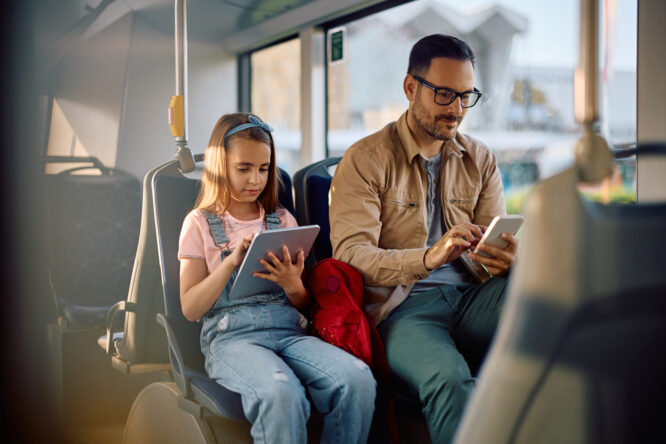
Dads often sit nearby rather than standing over every move. They’re there, paying attention, but not directing play, correcting constantly, or stepping in unless it’s actually needed. Presence like that gives kids freedom while still feeling supported. They know help is available, but they’re trusted to handle things themselves. It’s a quiet balance that builds confidence without making children feel abandoned.
12. Encouraging problem-solving instead of rescuing

When something goes wrong, dads are more likely to ask, “What do you think you should do?” instead of jumping straight in with a solution. It can feel slower in the moment, but it pays off. Kids start learning how to problem-solve instead of waiting to be saved. They build trust in their own judgement and realise they’re capable of figuring things out, even when it feels uncomfortable at first.
13. Helping kids bounce back after setbacks
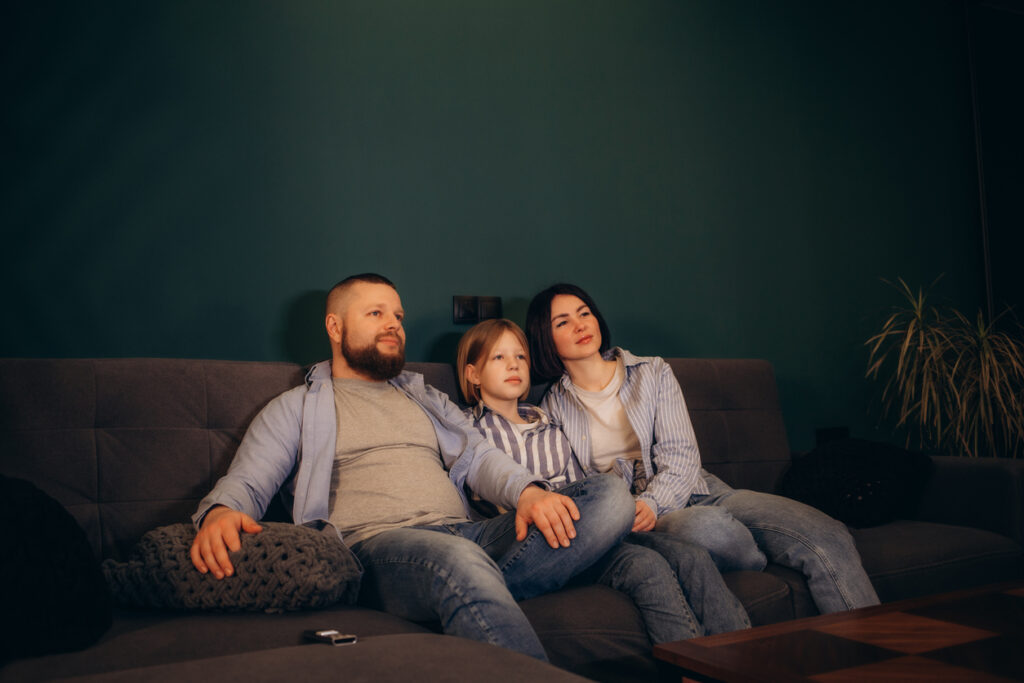
When kids fall short, dads often focus on what happens next rather than replaying what went wrong. A lost game, a failed attempt, a disappointment doesn’t turn into a long emotional post-mortem. That forward-looking attitude teaches resilience. Kids learn that setbacks don’t define them and don’t need endless attention. They’re something to move through, not something to carry around.
14. Keeping expectations more realistic

Dads are often less bothered by things looking perfect. Clothes get messy. Hair goes unbrushed longer than ideal. Homework isn’t always pristine. Effort tends to matter more than presentation. That relaxed attitude helps kids feel accepted as they are, not just when they’re polished. It creates an environment where trying counts, mistakes are normal, and being yourself doesn’t come with constant pressure to perform.