It’s easy to get caught up in the “Best of Britain” mindset: the humour, the heritage, the cups of tea that supposedly fix everything.

However, when you stack the UK against the rest of Europe, the picture isn’t quite so flattering. From crumbling infrastructure to poor environmental standards and a cost of living that keeps spiralling, Britain isn’t exactly topping the charts in areas that matter most to daily life.
While there’s plenty we get right, there’s also a growing list of things we’re lagging behind on. Other European nations are pulling ahead in areas like transport, healthcare, renewable energy, and worker protections, leaving Britain feeling increasingly out of step. It’s not meant to be a picture of doom and gloom, just a reality check on where things are falling short, and what that might say about the country’s priorities.
1. Wages haven’t kept up with inflation.

Across much of Europe, wages have risen in line with inflation, but in the UK, pay packets have struggled to keep pace. Real income growth has been sluggish, meaning that even people who work full-time often feel poorer than they did years ago. Many now rely on savings or credit just to stay afloat.
Countries like France and Germany have managed stronger wage growth through tighter labour protections and more balanced economic planning. In contrast, the UK’s low pay growth has left households feeling the pinch despite working more hours.
2. Housing is more expensive than almost anywhere else.

British housing is among the most expensive in Europe when compared to wages. Renters and homeowners alike spend far more of their income on housing than people in similar economies, which leaves less money for everything else. Even small properties in ordinary towns cost a fortune, and social housing is limited. This has left younger generations struggling to get on the property ladder and older ones unable to downsize affordably.
3. The wealth gap keeps widening.

The UK has one of the largest wealth gaps in Western Europe. A small portion of the population owns most of the assets, while the rest face stagnant wages, rising bills, and little chance of saving. The cost-of-living crisis has only made this divide worse. The inequality isn’t just about money. It affects education, access to healthcare, and even life expectancy. Many European countries with fairer wealth distribution enjoy higher happiness and stronger social cohesion.
4. Homes are less energy efficient.
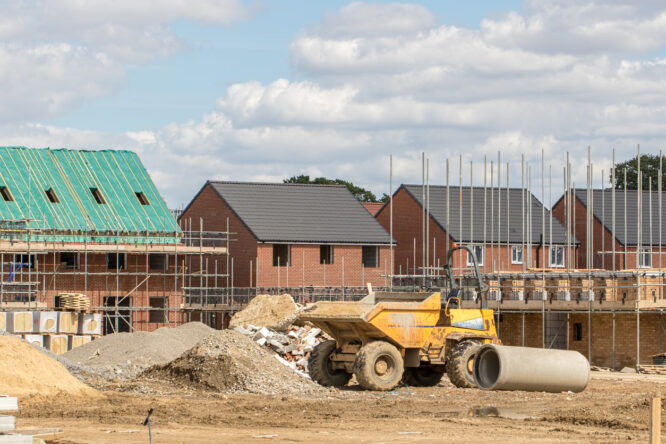
UK homes are notoriously draughty compared to their European counterparts. Poor insulation, old heating systems, and slow adoption of greener technologies mean people pay more to stay warm, especially in winter. Countries like Denmark and Germany have invested heavily in insulation and renewable heating, keeping homes warmer for less. In Britain, millions still live in cold, damp conditions that can affect both comfort and health.
5. Obesity rates are among the highest in Europe.

The UK’s obesity levels are higher than most of its neighbours, and the problem continues to grow. Sedentary lifestyles, long work hours, and ultra-processed foods have all played a part in shaping the trend. European countries with stronger food education and public health systems, like Italy or Sweden, have managed to keep obesity rates lower. In Britain, the long-term effects are showing up in higher rates of heart disease, diabetes, and early mortality.
6. The economy hasn’t recovered as well from past shocks.

From the financial crash to Brexit and the pandemic, the UK has taken hit after hit, and each one has left a mark. Recovery has been slower compared to many other European nations, and productivity levels haven’t bounced back. That slower rebound means fewer new opportunities, less investment, and weaker public services. While countries like Ireland have adapted quickly to new global realities, the UK still feels stuck in economic limbo.
7. The cost of living is rising faster than pay.

Prices for basics like food, housing, and fuel have soared, but wages haven’t followed. Many families are cutting back on essentials, while savings rates are dropping. Even middle-income households now describe themselves as “just getting by.” While inflation has hit across Europe, the UK’s unique mix of supply issues and weak income growth means people feel the squeeze more sharply. For most, financial breathing room simply doesn’t exist anymore.
8. Life expectancy improvements have stalled.

In much of Europe, people continue to live longer thanks to better healthcare and social conditions. In the UK, however, progress has slowed dramatically. In some areas, particularly poorer regions, life expectancy has even fallen. This worrying trend points to deeper systemic issues, like overstretched NHS services, unequal access to care, and widening social divides. While other countries continue to make gains, Britain’s health outcomes are stagnating.
9. Public transport is less reliable and more expensive.

Train fares in the UK are some of the highest in Europe, yet delays, cancellations, and overcrowding are still common. Bus services have also been cut back in rural areas, leaving many people isolated or dependent on cars they can’t afford to run. In countries like Switzerland or the Netherlands, public transport is affordable, punctual, and well-funded. The contrast highlights how underinvestment and privatisation have left the UK’s infrastructure lagging behind.
10. Education is becoming harder to afford.

University tuition in the UK is now among the highest in Europe, and student debt has reached record levels. Meanwhile, many graduates earn salaries that don’t justify the cost of their education, leaving them in debt for decades. Elsewhere in Europe, higher education is often free or heavily subsidised. The result is that young people can start adult life without the financial burden that UK students face the moment they graduate.
11. Food insecurity is rising.

Britain now has one of the highest rates of food bank use in Western Europe. Families who work full-time still struggle to afford basic groceries, which would have been unthinkable a generation ago. While food costs have risen across Europe, few countries have seen the same level of dependence on charity for everyday needs. It’s become one of the most visible signs of how badly living standards have slipped.
12. Public satisfaction with healthcare is at record lows.

The NHS remains one of the UK’s most valued institutions, but staff shortages, waiting times, and lack of funding are eroding trust. Many people are turning to private clinics just to be seen sooner, even if they can’t really afford it.
In contrast, healthcare systems in countries like France, Spain, and Germany remain better funded, more accessible, and less reliant on emergency fixes. The UK’s system, while still free at the point of use, is under pressure like never before.
13. Infrastructure isn’t keeping up with need.
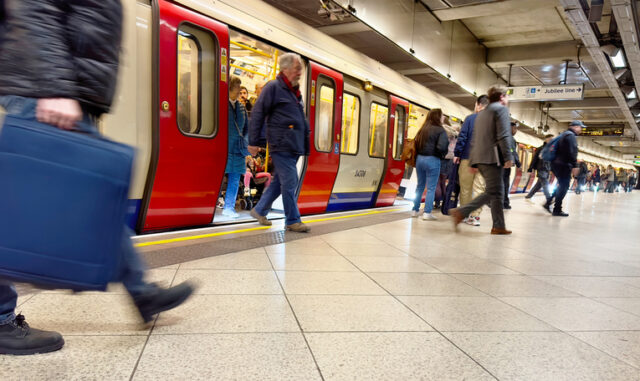
Roads, railways, and utilities are showing their age. Delayed projects, poor maintenance, and political indecision have slowed progress in areas where Europe continues to innovate. High-speed rail links, renewable energy networks, and sustainable housing developments have advanced faster on the continent. In Britain, these upgrades often get announced, delayed, and then quietly dropped.
14. The overall mood feels more pessimistic.

Polls show British people are now among the most pessimistic in Europe about their country’s future. Years of political division, slow economic growth, and public frustration have eroded national confidence.
Europe isn’t without its problems, but many nations are improving living standards while the UK feels stuck. Until wages, housing, and public services start catching up, that sense of decline is likely to linger — and for many, it already feels personal.