People across the UK have picked up all sorts of ideas about Welsh people over the years, and not all of them are accurate.
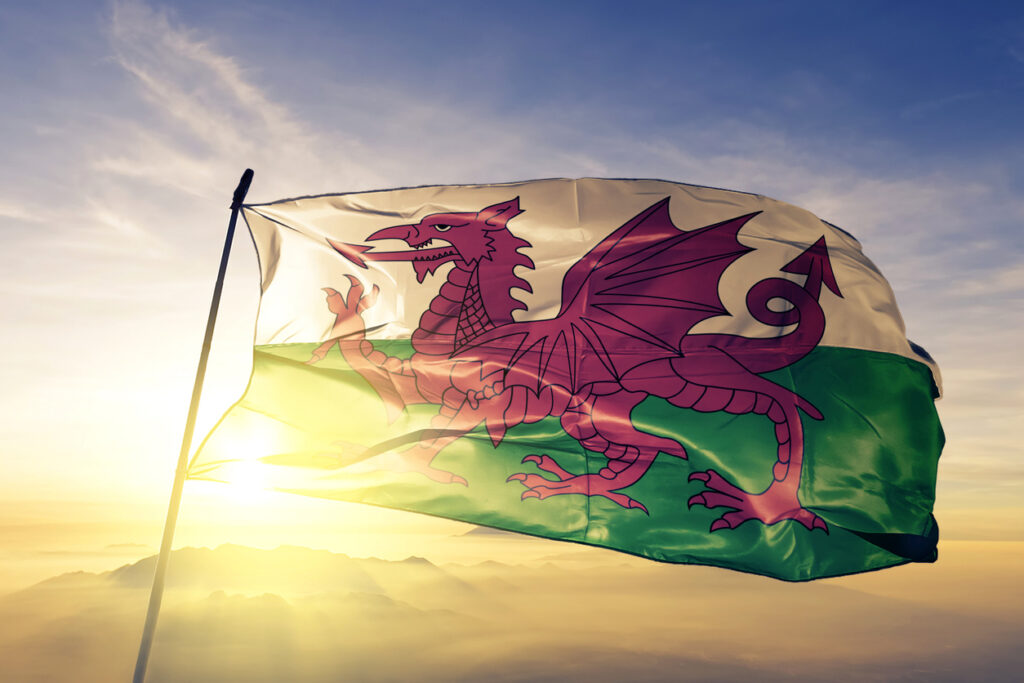
In fact, most of them come from half-truths, old jokes or things people repeat without thinking. Spend any real time in Wales, and you realise quickly how far off the mark those assumptions are. The clichés get thrown around so casually that people forget there’s an actual country, culture, and history behind them.
A lot of these misunderstandings stick because they’ve been around for years and nobody ever questions them. Once you look at where they came from, it becomes pretty clear how lazy they are. So, if you want a more honest picture of Wales and the people who live there, these are the misconceptions worth dropping.
1. Everyone in Wales speaks Welsh fluently.
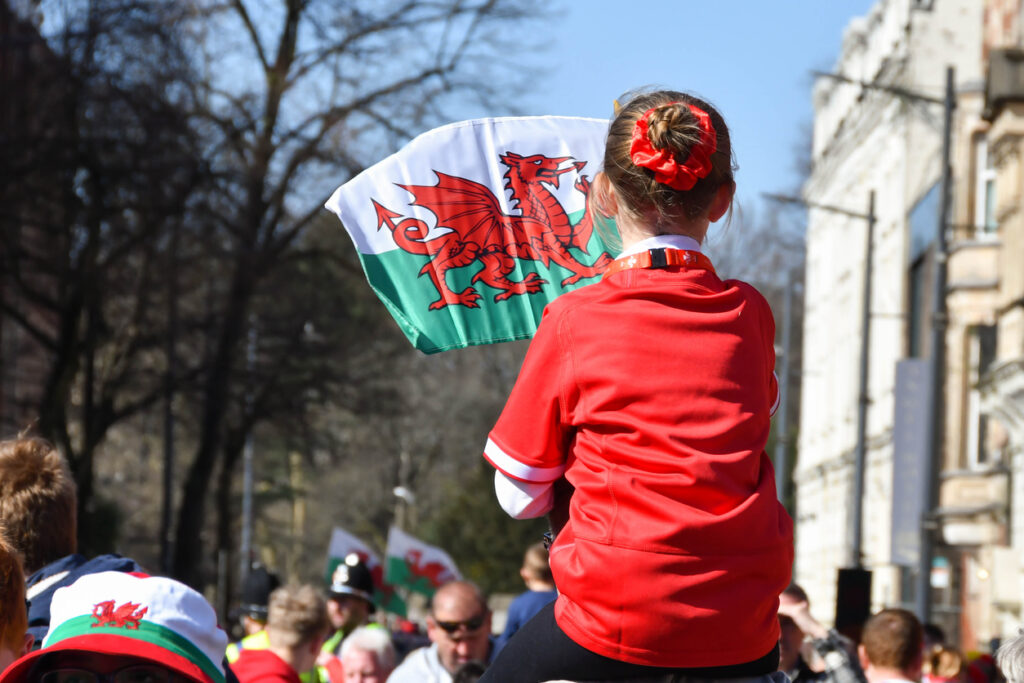
People from England often assume that if you’re Welsh, you automatically speak Welsh and use it in daily life. They’re surprised when Welsh people speak perfect English without any language barrier and expect everyone to be bilingual as standard.
Only about 29% of people in Wales actually speak Welsh, and it varies massively by region. In some areas like Gwynedd it’s the main language, while in places like Newport hardly anyone speaks it at all. Plenty of Welsh people can’t speak a word of Welsh beyond what they half-remember from school, and that’s completely normal.
2. Wales is just one big rural countryside.
Most of the UK pictures Wales as endless rolling hills, sheep fields, and tiny villages with nothing remotely urban or modern. They imagine everyone lives in picturesque cottages surrounded by mountains and couldn’t possibly understand city life.
Wales has proper cities like Cardiff, Swansea, and Newport with hundreds of thousands of people living urban lives. There are shopping centres, nightlife, universities, and all the same modern stuff you’d find in any English city. About two-thirds of Welsh people live in urban areas in the south, not in rural farmland.
3. Welsh people are just English people with an accent.

Loads of people from outside Wales treat it like it’s basically just a region of England, rather than its own country with distinct culture and history. They don’t understand that being Welsh is a genuine national identity, not just a regional variation of being English.
Wales is a separate country with its own language, legal system differences, government powers, and cultural traditions going back centuries. Calling a Welsh person English is like calling a Scottish person English: it’s ignorant and insulting. Welsh identity is real and distinct, not just English lite.
4. Everyone’s obsessed with rugby and male voice choirs.
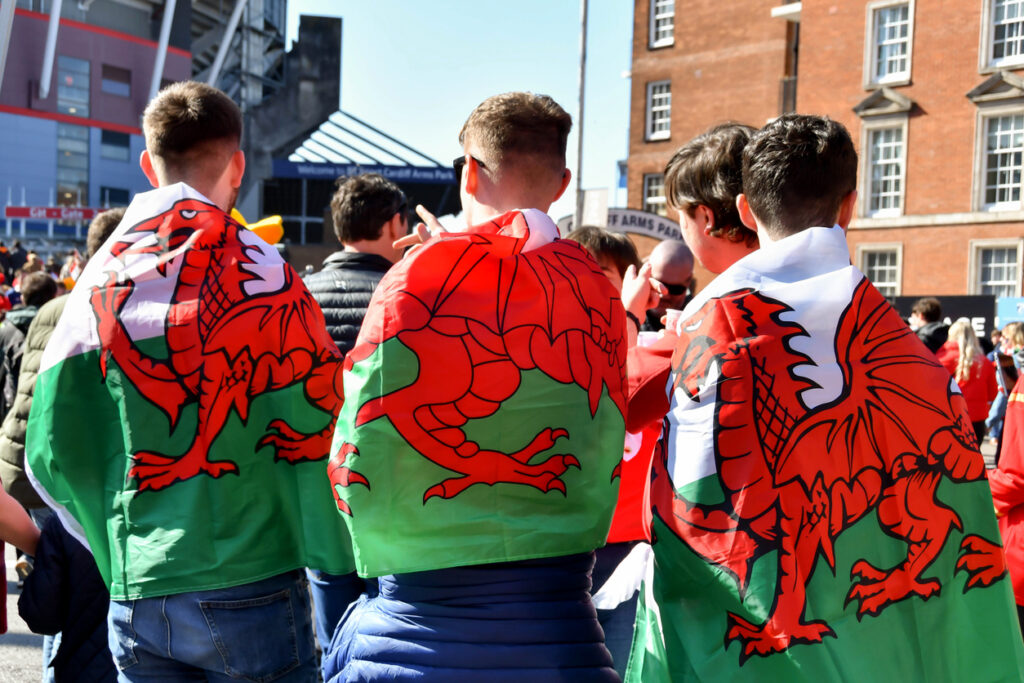
The stereotype is that all Welsh men spend Saturdays watching rugby and evenings singing in choirs, as if these are the only two activities that exist in Wales. People expect every Welsh person to be passionate about rugby and able to sing beautifully on command.
Plenty of Welsh people couldn’t care less about rugby and can’t sing to save their lives. Like anywhere else, people have varied interests including football, gaming, music, or whatever else they fancy. The rugby and singing stereotypes are based on real cultural elements, but they don’t define every single person.
5. The accent is the same everywhere.
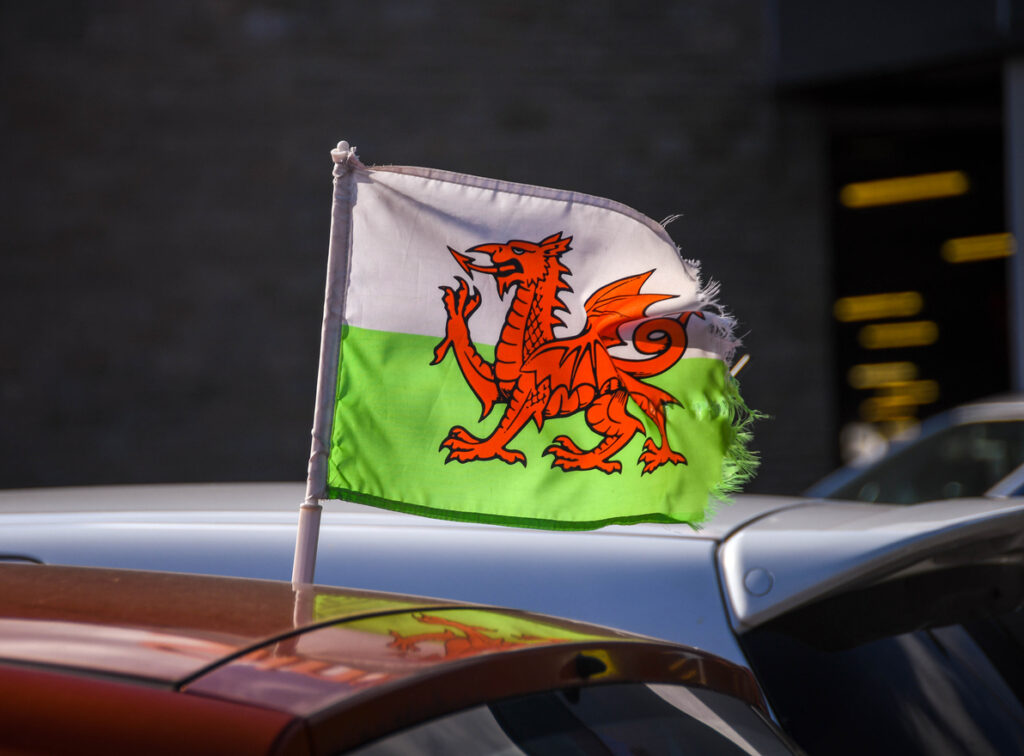
People from outside Wales think there’s one “Welsh accent” and that everyone sounds like they’re from the valleys. They can’t distinguish between accents from different regions and assume Tom Jones or Rob Brydon represent how everyone speaks.
Welsh accents vary massively from north to south and east to west. Someone from Cardiff sounds completely different from someone from Caernarfon, and people from Pembrokeshire have their own distinct accent too. Treating all Welsh accents as identical is like saying everyone in England sounds the same.
6. Wales is stuck in the past and behind the times.
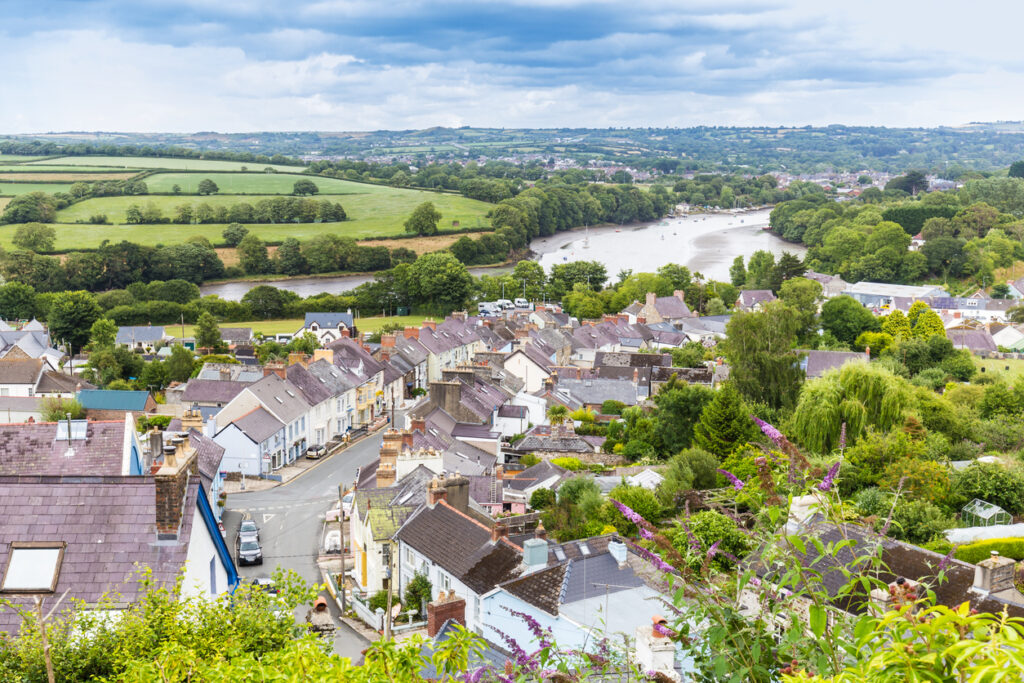
There’s this patronising assumption that Wales is backward or less developed than England, still living in some romanticised historical version of itself. People act surprised that Wales has modern technology, infrastructure, or anything contemporary happening at all.
Wales has world-class universities, thriving tech industries, modern transport links, and all the same contemporary culture as anywhere else in the UK. Cardiff is a proper vibrant capital city with excellent shopping, restaurants, and entertainment. Acting like Wales is some backward time warp is ignorant and offensive.
7. It’s always raining and miserable.
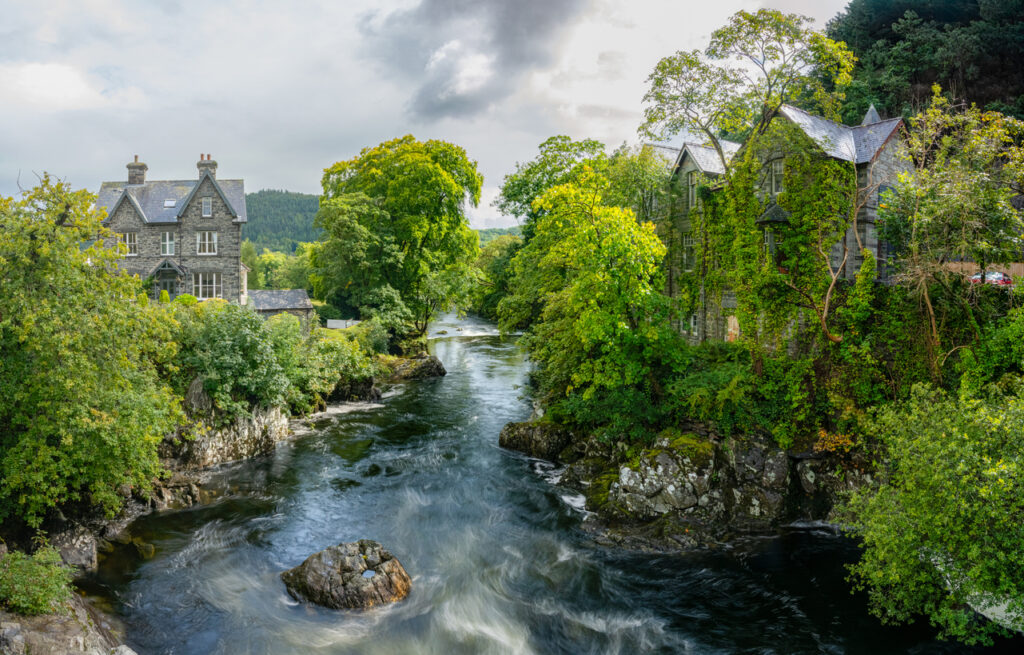
The stereotype is that Wales is constantly drenched in rain, grey, and depressing weather-wise. People imagine it’s perpetually wet and grim, making jokes about needing waterproofs year-round and never seeing sunshine.
Wales gets similar rainfall to most of western Britain, and some areas are actually drier than parts of England. Pembrokeshire has beautiful beaches with decent weather, and Welsh summers can be lovely. Yes it rains, but it’s not dramatically worse than Manchester, Glasgow, or loads of other British places that don’t get the same reputation.
8. Everyone’s a farmer or works with sheep.
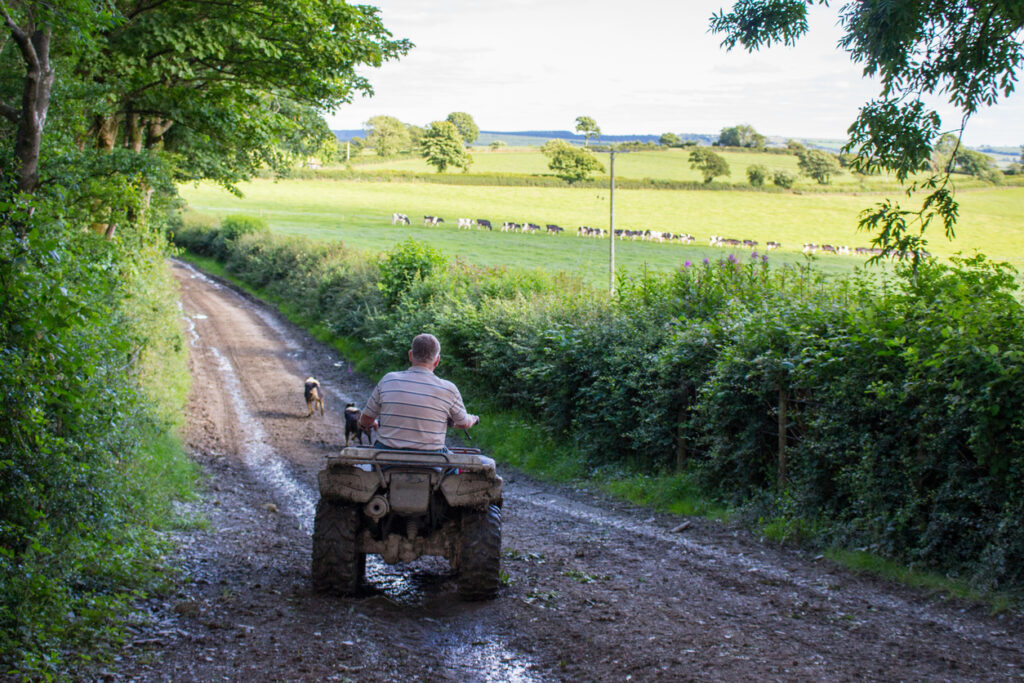
The assumption is that most Welsh people are either farmers, work in agriculture, or at minimum have some direct connection to sheep farming. People genuinely expect Welsh people to know loads about farming, regardless of where they actually live or what they do.
Only about 3% of Welsh people work in agriculture, which is slightly higher than England but hardly the majority. Most Welsh people work normal jobs in offices, shops, healthcare, education, or whatever else, just like everywhere else. Urban Welsh people are about as connected to farming as urban English people are.
9. Wales is just England’s holiday destination.
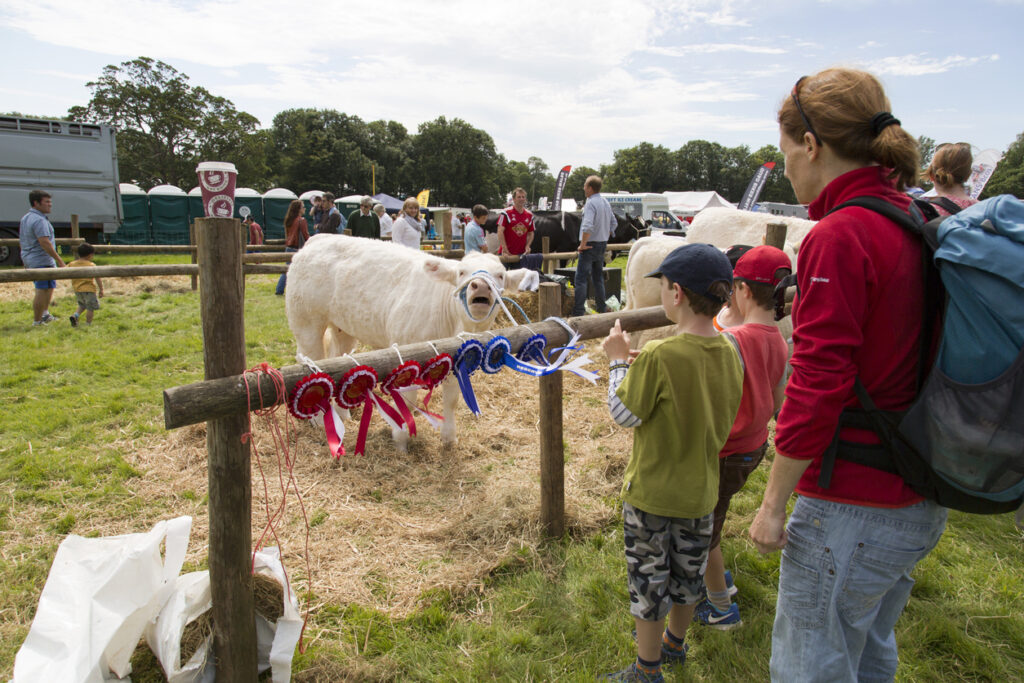
Lots of English people treat Wales like it exists primarily for their weekend breaks and holidays, viewing it as a convenient nearby destination rather than a place where actual people live their lives. They’re often surprised that Welsh people might find tourists annoying or disruptive.
Welsh people actually live in the places English tourists visit and deal with the impact of tourism on their communities. Second homes and holiday lets have genuinely damaged local housing markets and communities in some areas. Wales isn’t just a theme park for English day trips, it’s people’s actual home.
10. The Welsh language is dying or pointless.

People from England often think Welsh is a dead or dying language that nobody really uses, treating it like some historical curiosity that’s kept alive artificially. They question why anyone bothers learning it, or why signs are bilingual when “everyone speaks English anyway.”
Welsh is actually growing, with more young people learning it and using it than previous generations. It’s a living language used in homes, schools, workplaces, and media throughout Wales. The fact that people also speak English doesn’t make Welsh pointless, any more than speaking English makes French pointless for French people.
11. Welsh people are all short and dark-haired.

There’s this weird stereotype that Welsh people have a specific look (short, dark hair, stocky build) as if Wales has some unique genetic profile. People expect Welsh people to look a certain way and are confused when they don’t match this imaginary template.
Welsh people look as varied as any population, with all sorts of heights, hair colours, and builds. The idea that there’s a distinct “Welsh look” is complete nonsense based on outdated stereotypes. People come from all backgrounds and look all sorts of ways, just like anywhere else in modern Britain.
12. Wales is just mountains and nothing else.
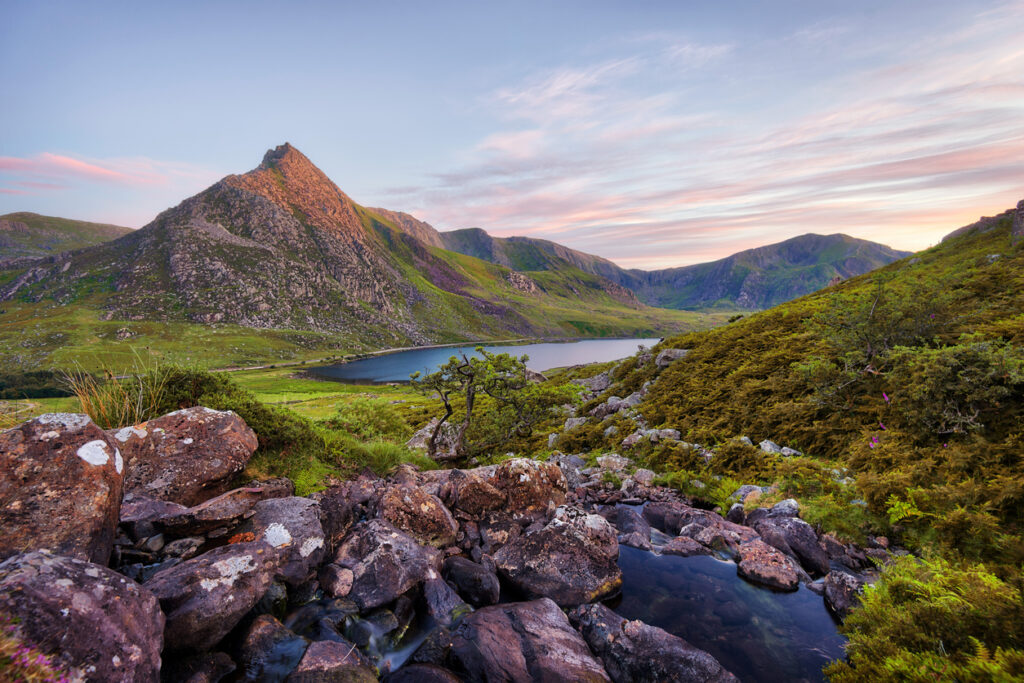
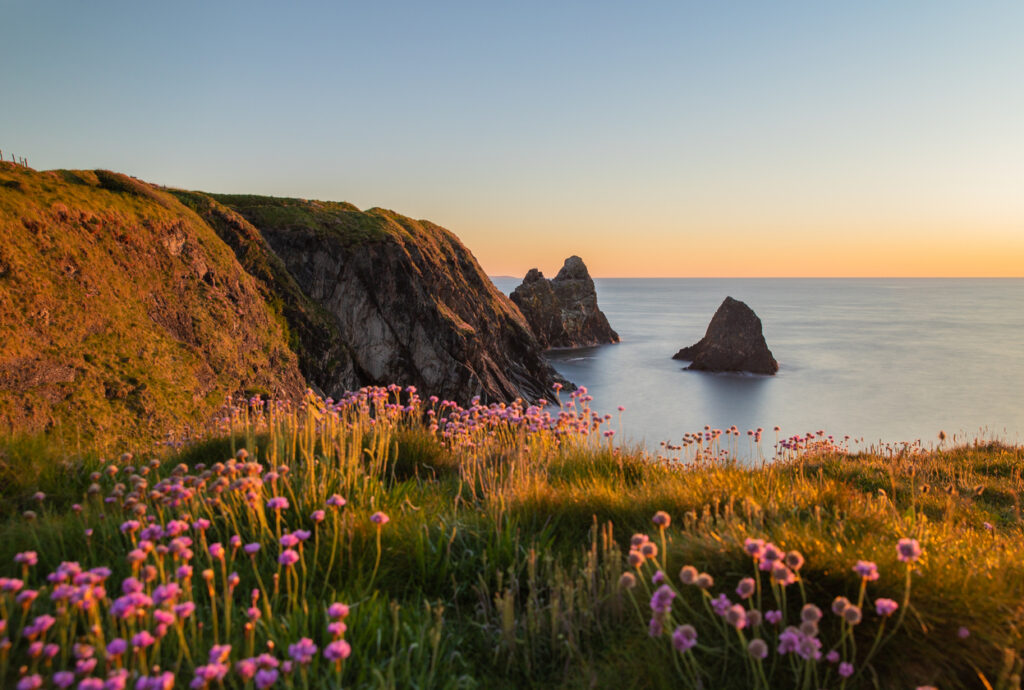
The image of Wales that most Brits have is Snowdonia and mountains, assuming the entire country is mountainous terrain. They’re surprised to learn Wales has beaches, flatlands, or varied geography beyond dramatic peaks and valleys.
Wales has stunning coastline with brilliant beaches, flat agricultural areas, forests, and all sorts of varied landscapes. Pembrokeshire’s coast is gorgeous, Gower Peninsula has award-winning beaches, and loads of Wales is nothing like the mountainous north. The geography is actually really diverse beyond the postcard mountain shots.
13. Everyone’s intensely nationalist and hates the English.
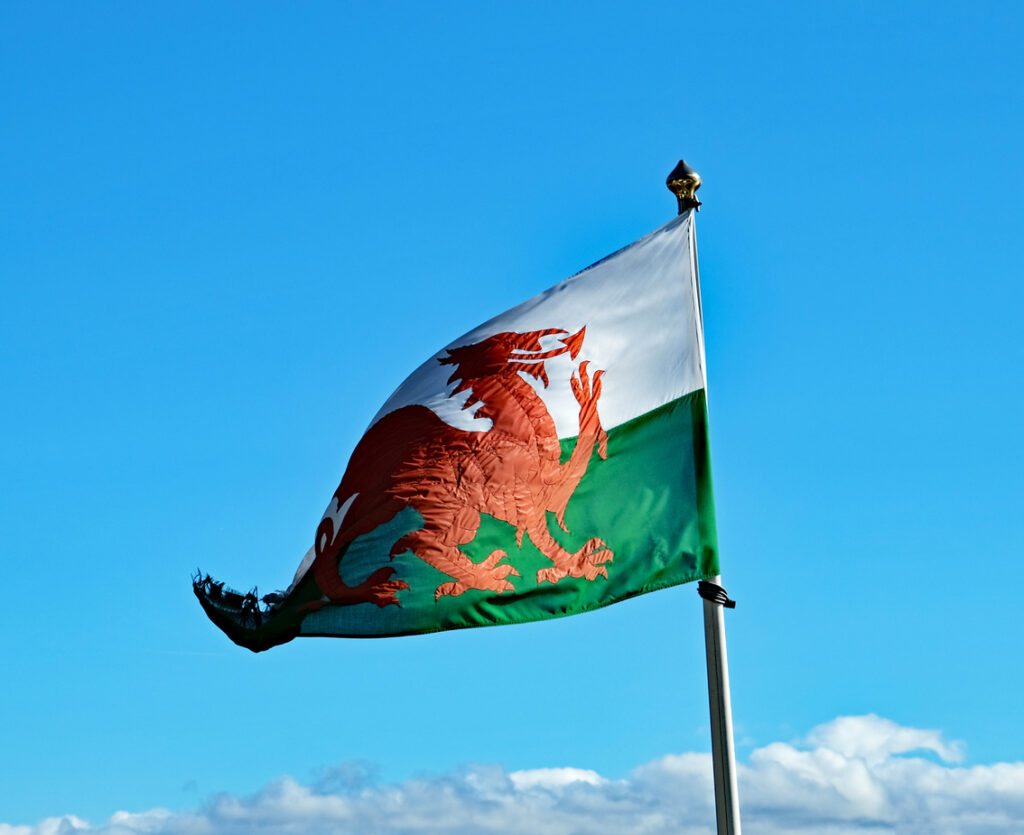
There’s an assumption that Welsh people are all fiercely nationalist and harbour genuine hatred for English people specifically. People worry about admitting they’re English in Wales, as if they’ll be attacked or treated terribly for it.
Most Welsh people are perfectly friendly to English people, and loads have English family members or friends. Welsh nationalism for many is about cultural pride and political autonomy, not hating individuals from England. The vast majority of interactions between Welsh and English people are completely normal and pleasant.
14. The economy is entirely dependent on England.
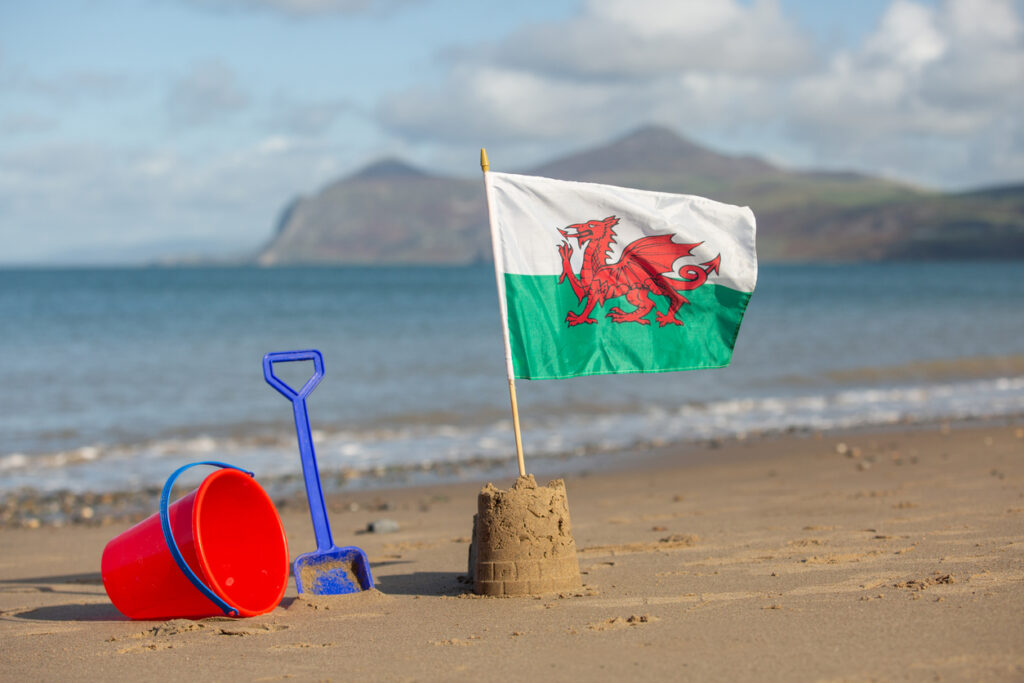
There’s this patronising belief that Wales couldn’t function economically without England, and is basically subsidised charity case territory. People assume Wales has no significant industries and would collapse without English financial support.
Wales has substantial industries including manufacturing, technology, renewable energy, and financial services that contribute significantly to the UK economy. Yes, there are economic challenges in some areas, but Wales isn’t some basket case depending on English handouts. The economic relationship is more complex than simple dependency.
15. Welsh place names are deliberately difficult and unpronounceable.
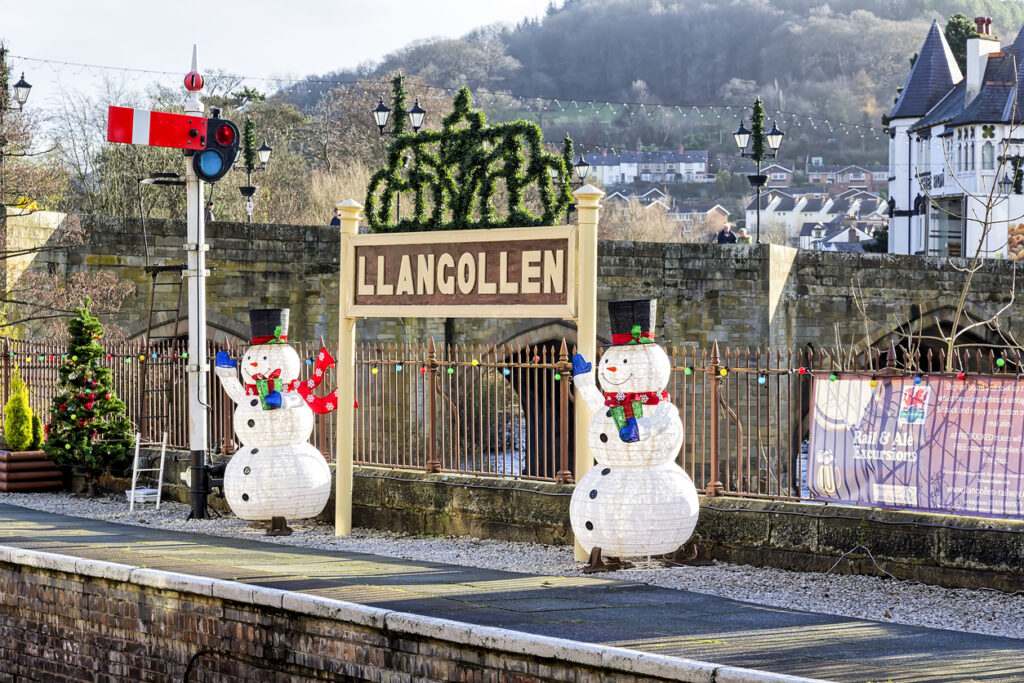
English people often treat Welsh place names like they’re intentionally created to be confusing, joking about “too many consonants” and acting like the language is purposely obscure. They don’t even try to pronounce names properly and find the whole thing hilarious rather than respectful.
Welsh spelling follows perfectly logical rules once you understand them, and names make complete sense to Welsh speakers. Acting like a different language’s orthography is ridiculous just because it’s unfamiliar is ignorant. English place names probably look equally weird to Welsh speakers, but they don’t mock them constantly. Making fun of someone’s language and place names is just disrespectful.