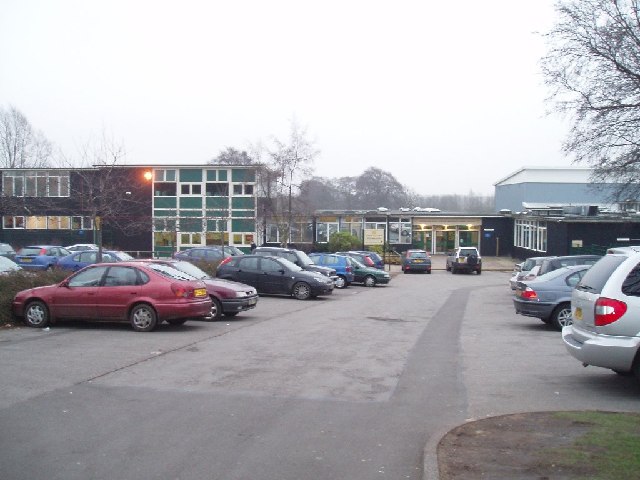
Some schools leave you with fond memories, a couple of lifelong friends, and a vague nostalgia for assembly halls that smelled faintly of damp. Other schools leave you with sharp elbows, a sixth sense for trouble, and an instinctive need to scan a room the moment you walk into it. If you went to a rough school, you probably knew which category yours fell into by about year eight, and it definitely wasn’t the one with rowing clubs and Latin mottos.
A rough school isn’t something you need explained to you if you lived it. You felt it in the corridors, the lunch queue, the playground politics, and the unspoken rules you learned very quickly if you wanted an easier life. It shaped how you spoke, and how alert you stayed, even when you were meant to be learning algebra. These signs won’t apply to everyone, but if more than a few hit close to home, chances are your school days were more survival training than gentle education.
1. The temporary buildings were older than most of the teachers.
Your school had a collection of prefab classrooms that were supposedly temporary when they arrived in the 1970s but were still standing decades later. The heating never worked properly so you either froze or roasted depending on which end of the room you sat in. Rain made the roof sound like someone was throwing gravel at it, and the whole structure shook when anyone walked too heavily. These buildings were meant to last a few years but became permanent fixtures that everyone just accepted.
2. Supply teachers lasted about 20 minutes before giving up.
@samwilliamscomedy two plus two equals flop #school #primaryschool #highschool #gcse #alevel #throwback #nostalgia #uk #british #ukhumour #britishhumour #fyp #foryou #xyzbca ♬ original sound – Sam Williams
A new supply teacher walking into your classroom was essentially a lamb to the slaughter. Within the first lesson, they’d either be crying, shouting, or sitting at the desk pretending to mark work while chaos erupted around them. Most didn’t come back for a second day. The ones who did return had clearly made peace with the fact that no actual teaching would occur and just tried to maintain some vague sense of order.
3. The school had its own police liaison officer on site.
This wasn’t someone who came in occasionally to give talks about road safety. Your school had an actual police officer who was there most days dealing with incidents that required more than a stern talking-to from the headteacher. Their office was next to the head’s office, and everyone knew which kids were regulars. The presence of an on-site officer was treated as completely normal, rather than the red flag it obviously was.
4. Fire alarms went off so often they became background noise.
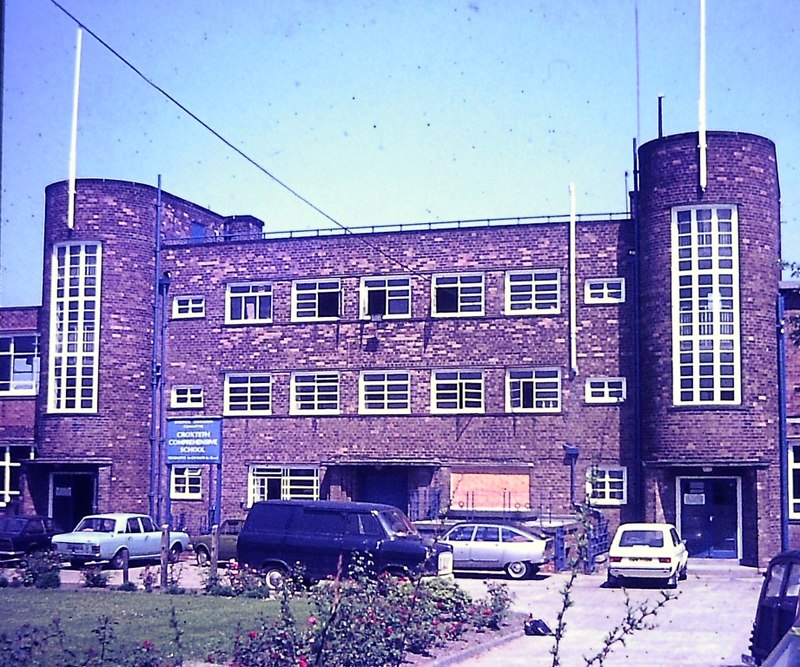
Someone pulled the fire alarm at least twice a week, usually right before a test or when the weather was nice. Eventually, the teachers stopped evacuating properly and just did a half-hearted headcount in the corridor. The actual fire service stopped responding with any urgency because they knew it was almost certainly another false alarm. When a real fire did happen, nobody believed it at first.
5. The toilets were essentially no-go zones.
You learnt to hold it all day rather than risk going to the toilets, which were where all the fights happened and where kids went to smoke or worse. The doors were either missing or hanging off their hinges, and there was never any soap or toilet paper. Teachers wouldn’t even go in there to break up fights, they’d just stand outside and shout. The smell hit you from about twenty feet away.
6. At least three teachers had visible breakdowns during your time there.
You personally witnessed multiple teachers either crying at their desk, shouting until they were red in the face, or just walking out mid-lesson never to return. One threw a chair once. Another locked themselves in the stock cupboard. The staff turnover was so high that you rarely had the same teacher for a full year. Nobody seemed surprised when another one quit, it was just expected.
7. Your textbooks were older than you were.
The books you used had publication dates from the 1980s and were held together with tape and hope. Every single one had graffiti scrawled throughout it, and you could trace the history of previous students through the increasingly creative insults written in the margins. Maps showed countries that no longer existed. The information was so outdated it was basically historical fiction, but there was no budget for new ones.
8. The canteen served food that qualified as a hate crime.
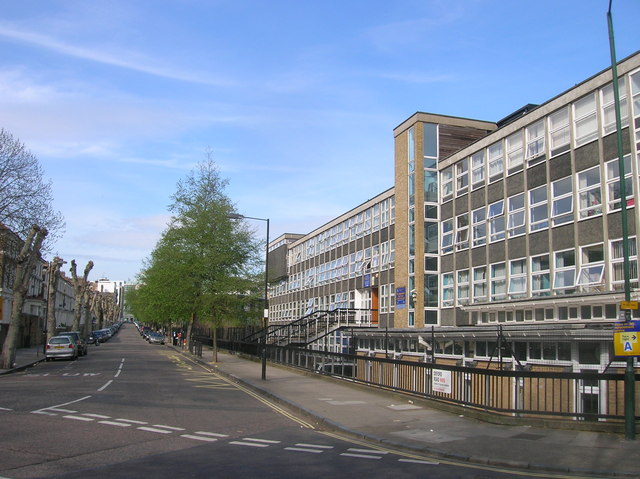
School dinners were genuinely inedible, not just bad but actively hostile to the concept of nutrition. The pizza was like cardboard with cheese-flavoured plastic on top, and the turkey twizzlers were an affront to both turkeys and the basic principles of food safety. Most kids survived on crisps and energy drinks from the corner shop. The dinner ladies looked like they’d given up on life around 1987.
9. Every single window had bars or mesh over it.
Your school looked more like a young offenders institution than an educational facility, with metal bars or wire mesh covering every window. This was supposedly for safety, but really it was to stop kids either breaking them or climbing out. The mesh made classrooms permanently dim even on sunny days. Nobody questioned why this level of security was necessary because everyone already knew.
10. Ofsted inspections sent the whole school into panic mode.
When Ofsted was coming, the school underwent a dramatic transformation that would’ve been impressive if it wasn’t so transparently fake. Suddenly, there were displays on the walls, the toilets got cleaned, and certain students were mysteriously absent for the day. Teachers who normally couldn’t care less suddenly had lesson plans and learning objectives. The inspectors weren’t fooled, but everyone went through the charade anyway.
11. Your year group had a rivalry with at least two other local schools.
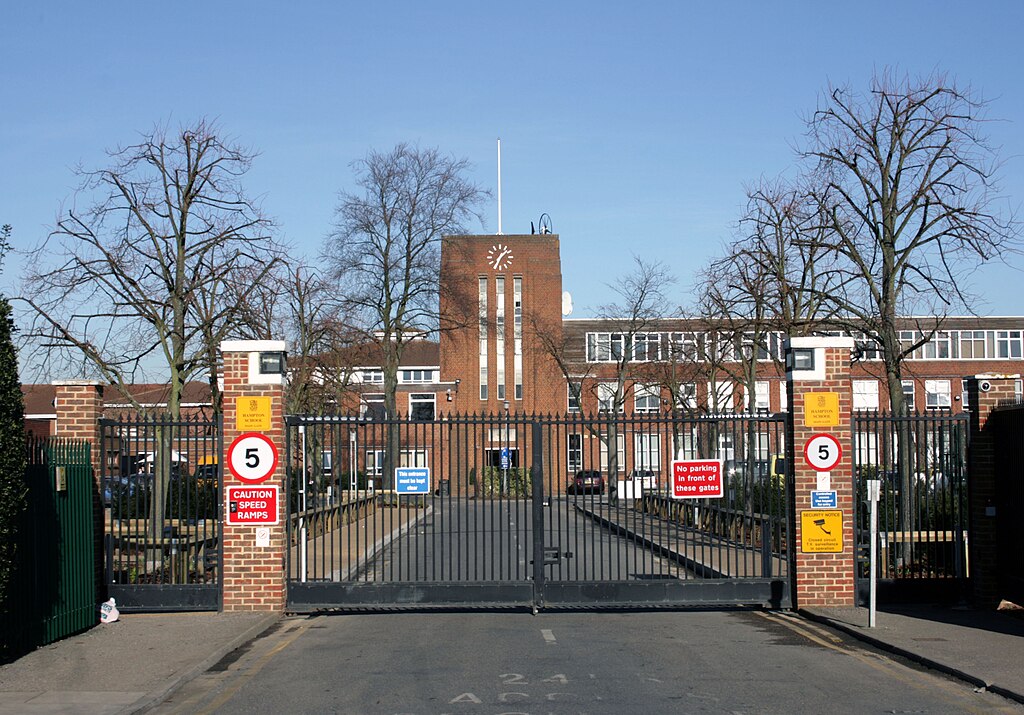
Meeting kids from certain other schools meant an automatic fight was about to happen, and everyone knew which schools were the enemies. These rivalries had been going on for decades, and nobody remembered how they started. School trips to public places were risky because you might run into the wrong group. Teachers had to plan routes that avoided certain areas to prevent confrontations.
12. The playground was just concrete with some faded lines.
There was no grass, no equipment, no benches, just acres of cracked tarmac with some painted lines that used to mark out football pitches. If you fell over, you were definitely getting hurt because there was nothing soft to land on. The paint had worn away years ago, but everyone still knew where the boundaries were. This barren wasteland was where you spent every break and lunchtime, regardless of weather.
13. Uniform rules were enforced inconsistently or not at all.
The school technically had a uniform policy, but half the students ignored it completely and faced no consequences. Teachers had given up fighting that battle because they had bigger problems to deal with. Some kids wore trackies every day, others wore whatever they wanted, and the ones who actually wore uniform properly looked out of place. The only time uniform was mentioned was when Ofsted was coming.
14. At least one teacher was definitely having a breakdown but kept teaching anyway.
@samwilliamscomedy how was this legal #school #uni #student #grad #highschool #primaryschool #year7 #nostalgia #funny #british #uk #britishhumour #foryou #fyp ♬ original sound – Sam Williams
There was always one teacher who was visibly struggling with their mental health but continued to show up every day in an increasingly fragile state. They’d start lessons fine and then gradually unravel as the kids pushed their buttons. Everyone knew they were one bad day away from either quitting or completely losing it. The school couldn’t afford to lose more staff so they just kept them on regardless.
15. You have genuinely impressive survival skills now.
Looking back, attending that school taught you how to read a room instantly, defuse situations, and navigate social hierarchies that would make corporate politics look simple. You can handle conflict, you’re not easily intimidated, and very little shocks you anymore. Those years were rough, but they made you resilient in ways that kids from nice schools will never understand, even if you wouldn’t wish that experience on anyone else.