Scotland is full of stunning landscapes, warm hospitality, and… a few habits that leave those of us a bit further south somewhat confused.

Spend any time with Scottish people, and you’ll quickly realise they have their own way of doing things, from unique slang to surprising traditions that make you wonder whether you missed an entire chapter on “How to Be Scottish”. But half the fun is trying to keep up, and before long, you’ll be nodding along like you understand every word (even if you don’t).
Whether it’s deep-fried foods being treated like a food group, the unshakeable belief that “a wee walk in the rain never hurt anybody,” or the mysterious ability to turn “I’ll be five minutes” into an unpredictable timeframe, Scottish quirks are honestly part of their charm. These are some of the quirky things Scottish people do that leave those of us in certain parts of England a bit baffled at times.
1. Going out in t-shirts when it’s freezing

Scottish people treat cold weather like background noise. You’ll see them walking to the shops in minus temperatures without even flinching, while English visitors are wrapped up like Arctic explorers. It’s less about toughness and more about routine. In Scotland, the weather never decides your plans. It just decides whether you carry a pint inside or out. It’s impressive, if slightly worrying, to see someone insist they’re “fine” while turning blue.
2. Calling fizzy drinks “juice”

Ask for juice in Scotland and you might get a bottle of Irn-Bru or cola. The word “juice” simply means any soft drink, which confuses English people who expect something squeezed from fruit. Scots don’t see the issue. In their view, if it’s sweet, bubbly and in a bottle, it’s juice. Fruit content is optional, enthusiasm is not.
3. Deep-frying absolutely everything
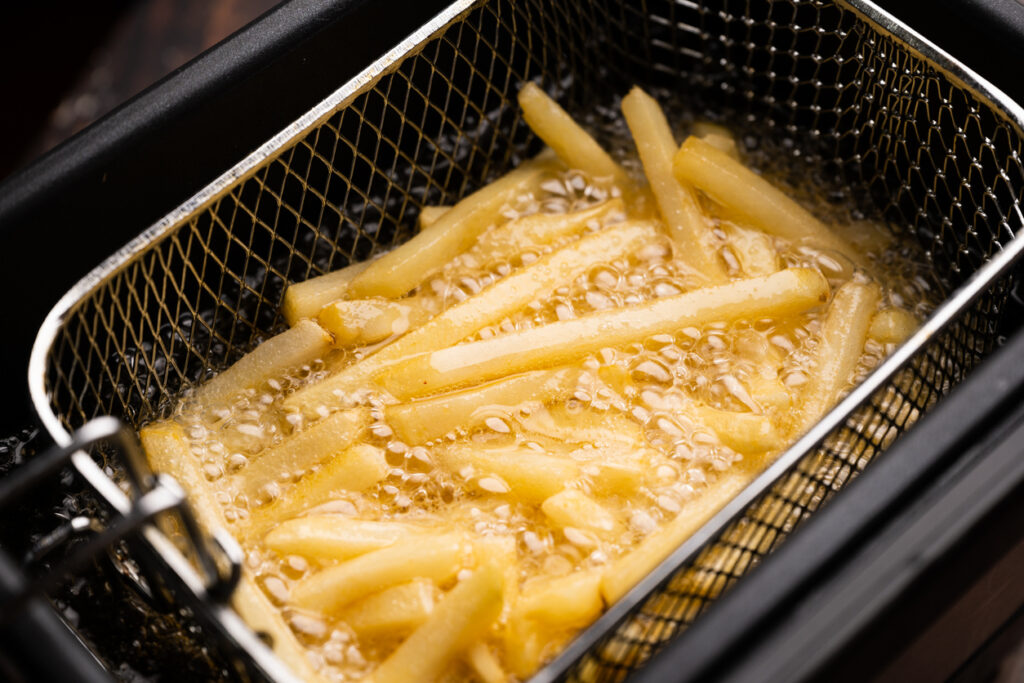
The rumours are true. In Scotland, if it fits in batter, someone has probably dropped it in hot oil at least once. Mars Bars, pizza, even haggis are all fair game for the fryer. It sounds outrageous until you try it. A deep-fried slice of pizza at 1 a.m. might be the single most comforting thing you’ll ever eat after a night out.
4. Treating Irn-Bru like medicine

Irn-Bru isn’t just a drink; it’s a cultural lifeline. It’s served for hangovers, heartbreak and every small disaster in between. The bright orange fizz is proudly defended as the real national drink of Scotland. English visitors often struggle to describe the flavour. Somewhere between bubblegum and metal seems about right. Still, it somehow works, and that’s all that matters to Scots.
5. Putting salt on porridge
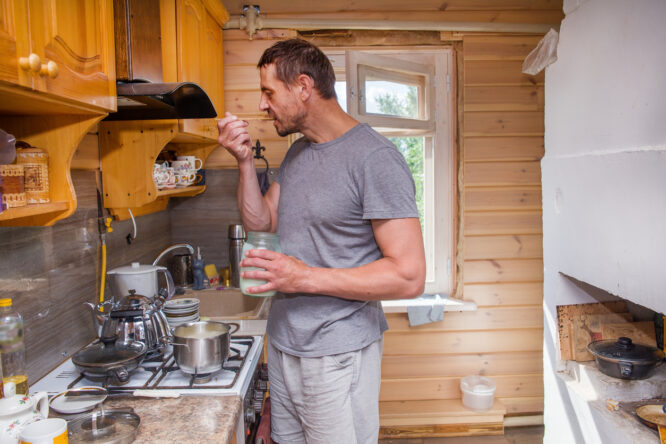
In England, porridge is usually sweetened with honey or fruit. In Scotland, it’s sprinkled with salt, which seems strange until you try it. The salt brings out the flavour and makes the dish surprisingly rich. It’s an old habit that dates back generations, passed down long before breakfast became complicated. To Scots, sweet porridge tastes wrong, like tea without milk.
6. Using “aye” for everything

“Aye” is one of those words that covers all bases. It can mean yes, right, sure, or even “I’m listening.” English people often find it impossible to decode without context. To Scots, though, it’s perfect. One syllable that saves time and works in almost every situation. It’s direct, friendly and completely non-committal all at once.
7. Sunbathing the minute the temperature hits 15 °C

In Scotland, sunshine is treated like a rare gift. The second the weather turns warm, everyone heads to the park, strips off and acts like they’re in Spain, even if the breeze still feels Arctic. English visitors usually keep their coats on, baffled by the enthusiasm. Scots don’t care: when the sun’s out, so are they, and no one’s wasting the chance.
8. Using “wee” to describe everything

Wee doesn’t just mean small; it means friendly, familiar, and Scottish. It makes sentences sound softer and instantly more charming. “A wee cuppa” feels warmer than just “a cup of tea.” English people often start using it without noticing. Once you say it a few times, it sticks. Soon everything’s wee, and life feels nicer for it.
9. Refusing to use umbrellas

Scottish rain doesn’t fall politely from above, it comes at you sideways. Umbrellas rarely survive, so most people gave up on them years ago. A hood or a hat does the job better. Visitors still try to fight it, clutching broken umbrellas, while locals walk by unfazed. It’s not indifference, it’s experience. After a lifetime of horizontal rain, you just adapt.
10. Turning New Year’s Eve into a full festival

Hogmanay isn’t a one-night party. It’s a national event filled with fireworks, ceilidhs and whisky-fuelled optimism. While England watches fireworks from the sofa, Scots are dancing in the streets well into the next day. It’s not just about celebration but community. Hogmanay means seeing in the new year properly, surrounded by noise, laughter and whoever happens to be standing nearby.
11. Calling people “pal” while arguing

To outsiders, “pal” sounds friendly, but in Scotland, it can mean anything from genuine warmth to mild threat. It depends entirely on tone, and sometimes even locals struggle to tell which is which. English people often assume it’s endearing until they realise they’re being told off. If you hear “listen, pal” in a certain tone, it’s probably not an invitation to chat.
12. Putting chips on every meal
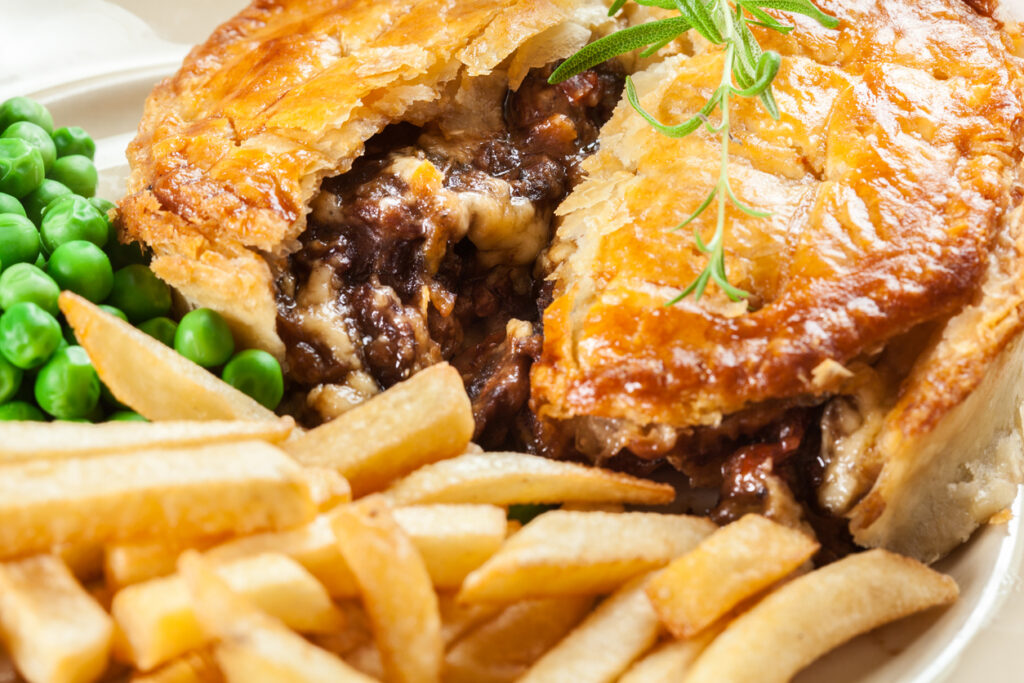
In Scotland, chips are the great equaliser. They go with everything: pizza, curry, kebab, macaroni cheese. It’s less a side dish and more a national philosophy. English diners might hesitate, but it’s hard to argue with the results. Once you try macaroni and chips, there’s no going back to salad.
13. Using “messages” to mean shopping

When someone says they’re “away for the messages,” it means they’re going to get the groceries. English visitors often think it involves collecting actual messages, which only adds to the confusion. It’s one of those charming local phrases that makes sense nowhere else. In Scotland, everyone knows what it means, and that’s good enough.
14. Taking bad weather personally

When it rains unexpectedly, Scots don’t just sigh, they act betrayed. The weather feels like an ongoing argument, and everyone joins in with mock outrage as if nature’s done it on purpose. English people are more resigned, muttering about forecasts and moving on. Scots, on the other hand, seem to treat every downpour as a personal vendetta.
15. Believing everything tastes better after a ceilidh

After hours of dancing, spinning and shouting along to fiddles, Scots will happily eat anything within reach and call it the best meal ever. The mix of exhaustion and joy makes every snack a feast. English guests usually leave sweaty, starving, and impressed that anyone can move that fast. The secret ingredient isn’t the food; it’s the celebration that came before it.
For English visitors, these habits might seem odd, but they make perfect sense north of the border. Scots have mastered the art of taking life lightly, surviving bad weather with humour, and turning every moment into a story worth sharing.