If you’ve only ever seen the UK through the lens of a Richard Curtis film or some viral clip of someone being polite in a queue, you’re missing about 90% of what actually makes this place tick.

There’s a whole layer of British life that never makes it into the travel guides because it’s not particularly “charming” or easy to put on a postcard. It’s found in the way we grumble about the buses, the way we judge someone’s shoes without saying a word, and the weirdly intense relationship we have with our institutions.
Americans, in particular, often struggle to get their heads around it because they’re looking for big, loud expressions of culture. But over here, the real stuff happens in the gaps—the things we don’t say, the ways we purposefully stay in our lane, and the tiny habits we’ve picked up just to survive living on a damp, crowded island. It’s got nothing to do with being posh or having afternoon tea; it’s about a specific way of getting through the week without making a scene. Here’s a proper look at the things that define British life that you’ll only really get once you’ve lived here long enough to stop being surprised by them.
1. The NHS being emotional, political, and personal all at once

For people looking in from the outside, the NHS is just a healthcare system, but for us, it’s a massive part of our identity. We’re not just “using a service” when we go to the GP; we’re interacting with something that’s been there from the second we were born.
You’ll hear Brits moaning about wait times or the state of a hospital car park from morning until night, but the second an outsider says a word against it, we’ll defend it to the death. It’s a strange, complicated relationship where we’re constantly frustrated by the chaos, yet we feel a deep, personal connection to the staff who’ve seen us through our worst days. It’s not about logic or “shopping around”; it’s about a shared belief that healthcare is something that belongs to everyone.
2. Class being sensed immediately, even when no one mentions it

We’re not always talking about who’s got the most money in the bank because in Britain, class is way more subtle than that. You can tell where someone sits in the pecking order within 10 seconds of them opening their mouth. It’s in the accent, the specific words they use for “dinner” or “toilet,” and even the way they hold themselves when they’re in a posh shop.
You don’t need to see someone’s bank balance to make a fairly accurate guess about their background. It’s an unspoken social map that we’re all navigating, and it’s more about being “comfortable” in certain environments than it is about being wealthy.
3. Houses basically being glorified sound boxes
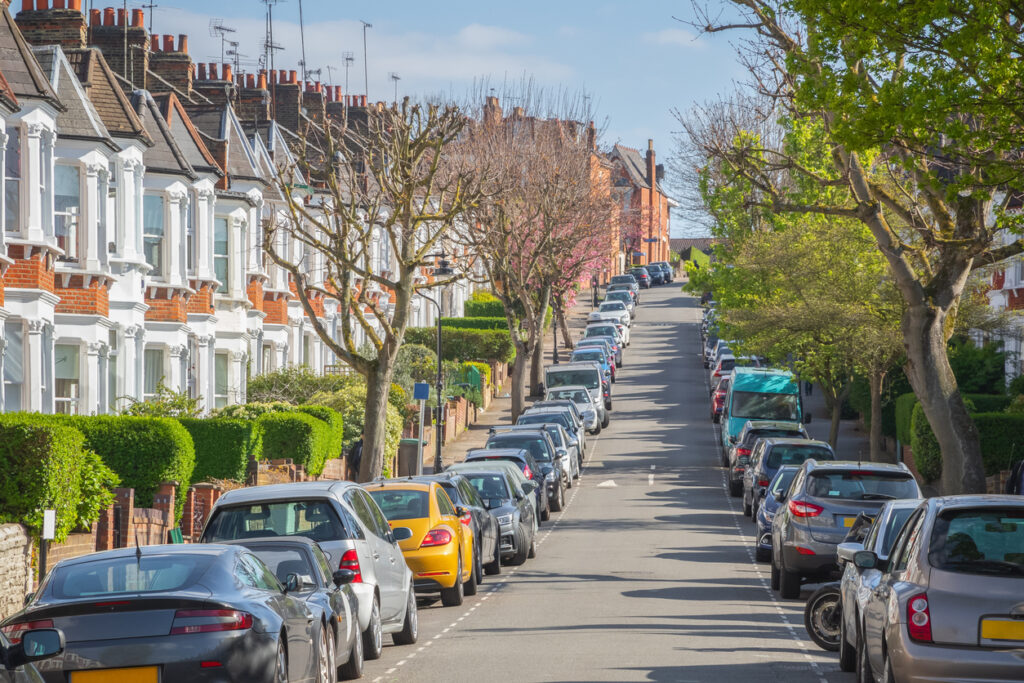
Most British homes are old, cramped, and built so close together that you basically know your neighbour’s entire life story through the walls. We’re not blessed with the massive, detached houses you see in US telly; we’re living in terraces and flats where the sound of someone sneezing next door is a daily occurrence.
The lack of privacy moves the way we behave. We’ve become experts at being “quietly” present, trying to ignore the row happening in the flat above while pretending we can’t hear every word. It creates a weirdly high level of social awareness—you’re constantly mindful of the noise you’re making and the space you’re taking up, purely because you’re never truly on your own.
4. Local identity mattering more than national pride

National pride over here is a very different beast to what you’ll see in the States. You won’t find many of us waving flags in the garden, but we’ll go to war for our local town or city. Whether you’re a Scouser, a Geordie, or from a tiny village in the Cotswolds, that local identity carries way more weight than some abstract idea of “Britain.”
This shows up in the way we defend our local chippy or the specific way we take our tea. It’s a small-scale, fierce loyalty to the place you grew up, and it’s usually rooted in a shared history rather than some big, patriotic display.
5. Not trusting anyone who seems too keen

There’s a deep, instinctive suspicion in the UK of anyone who’s too enthusiastic. If you’re full of big ideas, high energy, and relentless positivity, most Brits will just look at you like you’ve got two heads. We’re not trying to be negative, but we’re naturally geared towards realism.
We’d much rather expect the worst and be pleasantly surprised than get our hopes up and look like a berk when it doesn’t work out. This “downbeat” attitude is actually a defence mechanism against disappointment and embarrassment. If you’re over-promising, we’re already looking for the catch.
6. Major struggles being just “one of those things”

Whether it’s the rent being astronomical or the trains being cancelled for the third day in a row, we tend to treat these things as background noise. We’ll have a good moan about it at the pub, but there’s rarely a sense of crisis. We’ve become so used to things being a bit of a struggle that we just crack on with it. It creates a culture of endurance where we don’t even realise we’re being resilient—we just assume everyone else is dealing with the same rubbish, so why make a fuss?
7. Humour being a way to not deal with things

Brits use jokes like a shield. If a situation gets too serious or emotional, someone will almost certainly drop a gag to take the pressure off. It’s not that we’re cold or that we don’t care; it’s just that we’re a bit uncomfortable with “big” emotions. A well-timed bit of sarcasm or a self-deprecating joke is how we stay connected without things getting too intense.
If you’re trying to have a deep, heart-to-heart chat and your mate starts taking the mickey, they’re not being mean—they’re just trying to keep the mood from getting too heavy.
8. The “don’t be a burden” rule being non-negotiable

We have a massive hang-up about taking up too much space or being a nuisance to anyone else. You’ll see it in the way we apologise to people who’ve walked into us. This goes deep into how we handle our problems, too. Most of us will wait until things are absolutely dire before we ask for help, because the idea of being a “bother” is worse than the problem itself. It’s a form of independence that can be a bit self-destructive, but it’s hard-wired into the way we’re brought up.
9. Institutions being distrusted but relied upon anyway
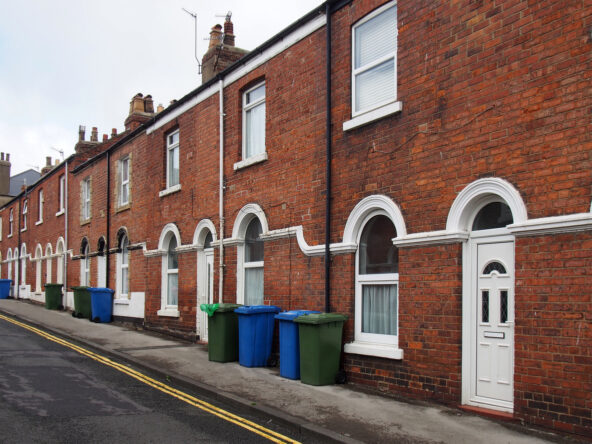
We love to talk about how incompetent the council is or how the post is always late, yet we’re completely reliant on these systems. There’s a resigned acceptance that things will probably be a bit slow and frustrating, but we don’t actually opt out. We’ll complain about the bureaucracy until we’re blue in the face, but we’ll still be there on Monday morning filling in the forms. It’s a strange mix of cynicism and total dependence that’s hard to explain to anyone who hasn’t lived here.
10. Bonding over things being rubbish

Nothing brings a group of Brits together like a shared inconvenience. If the train is stuck in the middle of nowhere, or the rain is absolutely tipping it down at a festival, that’s when we’re at our best. Complaining about a common enemy is our primary social glue.
It’s a safe way to connect with a stranger without having to reveal anything personal. You can have a full, 15-minute conversation with someone at a bus stop about how bad the service is, and you’ll walk away feeling like you’ve made a new mate.
11. School being about confidence, not just marks
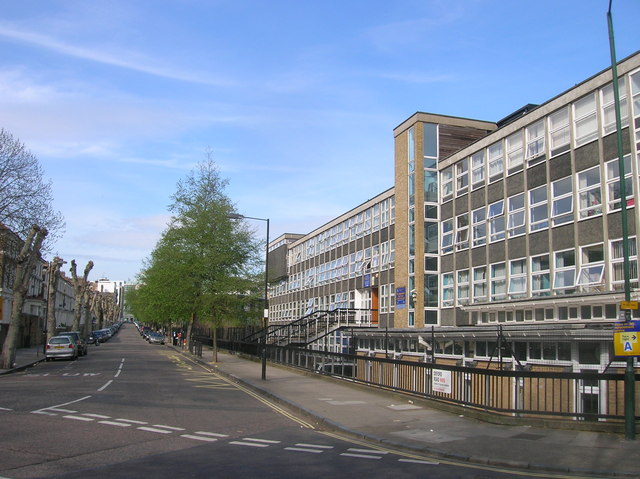
In Britain, where you went to school often says more about your level of entitlement than your actual intelligence. Private schools don’t just teach Latin; they teach you that you’ve got every right to be in the room and that your opinion matters. This creates a massive gap in confidence between people from different backgrounds. It’s not always about having the best opportunities, but about having the self-belief to walk through doors that other people might not even think to knock on.
12. Hiding the things you’ve done well (especially those!)

Openly bragging about your success is a surefire way to make people dislike you in the UK. If you’ve got a massive promotion or bought a fancy car, you’re expected to play it down and act like it was just a bit of luck. We’ve got a real “tall poppy” syndrome, where we’re always ready to cut down anyone who seems to be getting a bit too big for their boots. This keeps everyone on a level playing field socially, but it also means we’re terrible at celebrating our wins.
13. The fact that we’re all shaped by the media

Even if you think you’re too clever for the tabloids or reality TV, the narratives they push still seep into your brain. The way we talk about certain groups of people or what we consider “common” is often dictated by long-running storylines in the papers or on telly. It’s a slow-motion influence that shapes our assumptions and our language over decades, until we’re all using the same labels without even thinking about it.
14. Routine being treated as stability, not boredom
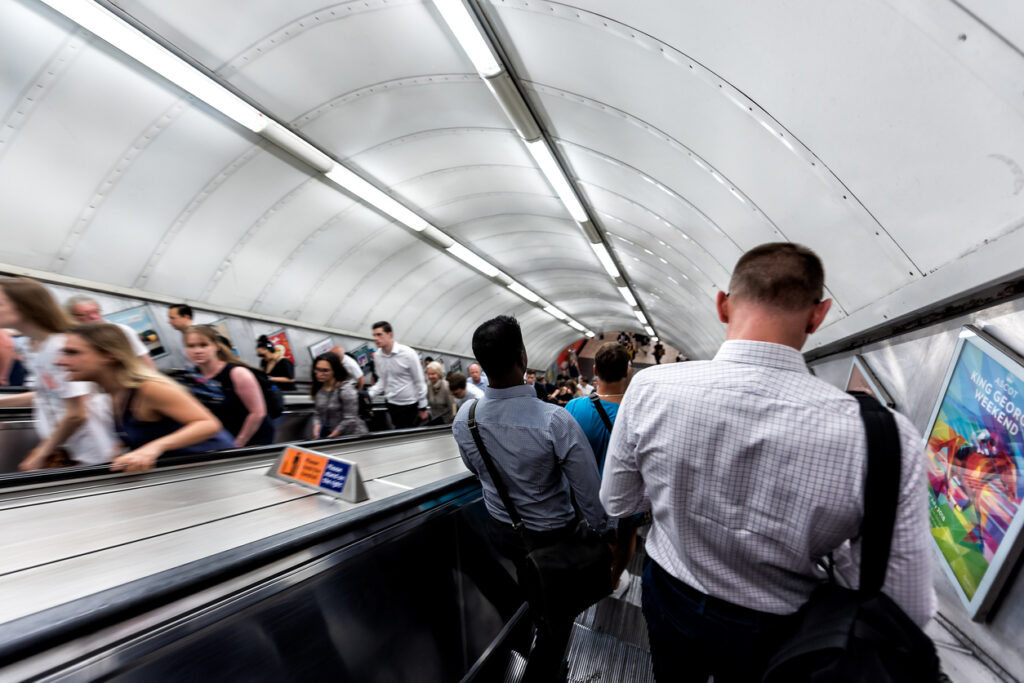
There’s a comfort in knowing exactly what your Tuesday is going to look like. While other cultures might value novelty and constant change, we tend to lean into the familiar. We like our local pub, our regular walk, and our Sunday roast. Predictability isn’t seen as being “stuck in a rut”; it’s seen as stability.
We’re not really a nation of big, dramatic moves; we’re a nation of steady, repetitive habits that make us feel like the world is still on its axis.
15. Life being defined by repetition rather than spectacle
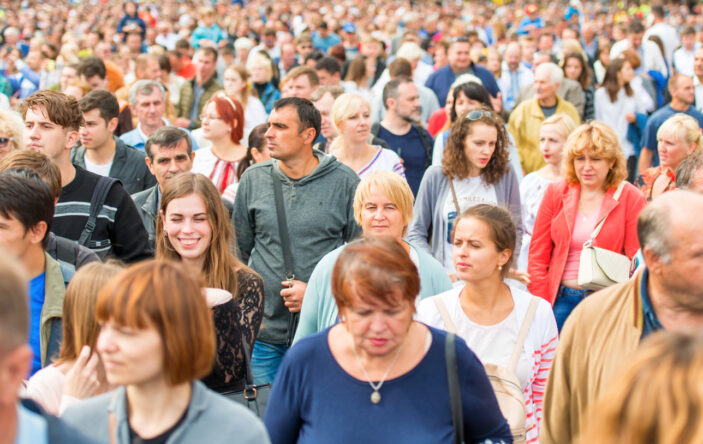
British life isn’t built around big, cinematic moments. It’s built around the small, repetitive stuff: the morning commute, the Friday night pint, the soggy bank holiday weekend. We don’t really do “reinvention” every five years. The point of being British is often just about getting through it all with a bit of dignity and a sense of humour intact. That ordinariness is exactly what makes the culture work, even if it’s the hardest thing for people on the outside to spot.