Believe it or not, many GPs are experts at reading people.

They can tell when a patient isn’t being completely honest, but instead of calling it out, they usually stay calm and steer the chat in a way that helps you open up. They’ve heard every excuse, seen every pattern, and know that most lies come from embarrassment, fear, or pride, not bad intentions. Here are fifteen times your GP probably knows you’re lying, even if they’re too polite to say so.
1. When you say you don’t drink much
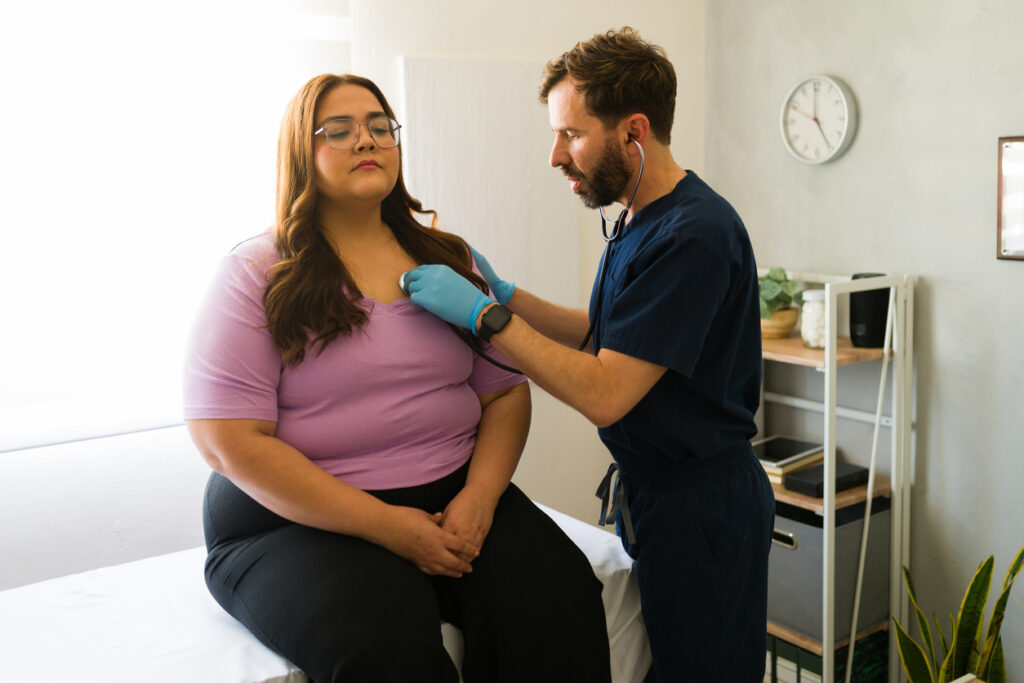
Most GPs can tell when someone’s drinking more than they admit. Blood tests, blood pressure readings, or red eyes often tell the truth long before you do. They won’t make you feel guilty, but they’ll make a mental note and give gentle advice. Their goal isn’t to catch you out; it’s to help you cut back safely if you’re struggling to be honest with yourself.
2. When you claim you’ve quit smoking

They can smell it, see it, and hear it in your cough. They also know what a smoker’s lungs or fingers look like, no matter how long ago your “last one” was. Instead of embarrassing you, they’ll usually ask how long it’s been since your last cigarette. It gives you a chance to come clean and get real support if you’re finding it hard to stop.
3. When you say you’re taking your medication properly

It’s easy to spot when someone’s skipping doses. If your symptoms aren’t improving or your prescription refills don’t match the timeline, they already know. Good GPs won’t accuse you of lying. They’ll ask if you’re having side effects or trouble remembering because they’d rather fix the reason you stopped than scold you for it.
4. When you say your diet’s healthy

Doctors hear this every day, but blood results, cholesterol levels, and blood pressure often tell another story. They can see when your version of “healthy” includes a few too many takeaways. They won’t roll their eyes, though. They’ll just ask you to describe what you eat in a normal day, gently nudging you towards something more balanced without judgement.
5. When you insist you’re not stressed
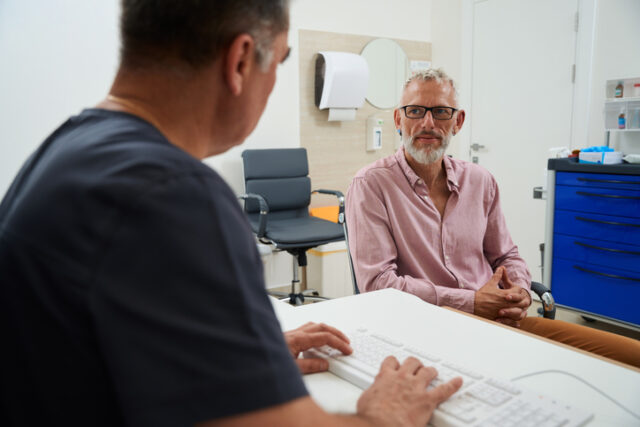
Stress is easy to spot. The tapping foot, tight shoulders, or quick speech usually give it away before you say a word. GPs are trained to recognise those signs instantly. If you shrug it off, they might ask about your sleep or appetite instead. It’s a softer way of helping you admit what’s really going on without feeling exposed.
6. When you deny using recreational drugs

Experienced doctors can pick up on drug use quickly. Things like dilated pupils, unusual energy levels, or skin changes are strong indicators. They don’t jump to judgement. Instead, they’ll ask about lifestyle, sleep, or anxiety, opening the door for honesty in a way that still protects your privacy.
7. When you claim to exercise regularly

They can usually tell if you’re exaggerating. True fitness leaves clues, such as better blood pressure, muscle tone, and overall stamina, that don’t appear overnight. Rather than calling you out, they’ll ask what kind of exercise you do and how often. It’s their way of figuring out what might actually fit into your life without pretending.
8. When you say your symptoms just started

Doctors know when a problem’s been building up for a while. They can tell from the stage of your condition or how long it would realistically take to develop. They won’t embarrass you about waiting too long. They’ll usually say something like, “Let’s look at when this began…” to help you talk about it more openly.
9. When you say you’re fine after a mental health dip

Your tone, energy, and eye contact give away more than your words. GPs can recognise the signs of anxiety or low mood almost immediately. Instead of pushing, they’ll ask small, specific questions, such as how you’ve been sleeping, eating, or coping at work, so you can be honest without feeling uncomfortable.
10. When you downplay your pain

Some people pretend their pain isn’t that bad because they don’t want to sound dramatic. GPs notice how carefully you move or how often you wince when fidgeting in your chair. They’ll often suggest extra tests “just to be safe,” even if you claim it’s fine. They know people often minimise pain when they’re scared of what it might mean.
11. When you say you’ve cut down on caffeine

They can tell from your jitteriness, energy crashes, or the coffee cup you brought into the room. It’s not a serious lie, but it’s one they hear daily. They won’t make fun of you for it. They’ll just remind you to ease off slowly, since quitting caffeine too fast usually backfires.
12. When you explain away missed appointments

GPs have heard every excuse for no-shows: traffic, alarms, work calls. They know when it’s really about nerves or avoidance rather than bad luck. Good doctors won’t guilt-trip you. They’ll usually offer shorter appointments or phone calls next time to make things easier to manage.
13. When you say you rarely take painkillers

Prescription records and test results usually tell the truth. Some patients hide how often they take pain relief because they’re embarrassed or afraid of being judged. Instead of confronting you, your GP will ask when and why you use them. They’re more interested in understanding your pain and finding safer options than catching you out.
14. When you insist you don’t need help

GPs often hear this from people who clearly do. They can see the dark circles, tense posture, or flat tone that comes from exhaustion or depression. They won’t push too hard, but they’ll keep the door open. You might notice them mentioning counselling or support lines again later, and that’s their way of saying they haven’t stopped caring.
15. When you promise you’ll come back for a follow-up

They know that most people who say this don’t. They’ve seen hundreds of patients vanish after saying, “I’ll book another appointment soon.” Instead of arguing, they’ll gently explain why it’s worth returning. They understand life gets busy, but they also know catching things early can save you far more trouble later on.