Being a little antisocial isn’t always a bad thing, to be fair.
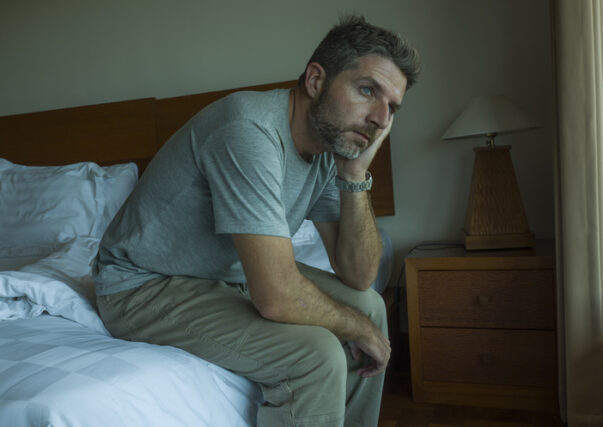
We all need those moments where we just shut the world out to recharge and focus on ourselves without anyone else’s noise getting in the way. It’s actually a pretty solid way to keep your head on straight when life gets a bit too chaotic. But if you’re at the point where you’re constantly turning down invites, avoiding every conversation, and feeling genuinely uncomfortable just being around other people, your life might need a bit of a shake-up. It’s a slippery slope between enjoying your own company and becoming a total recluse without even noticing it.
The danger is that the more you hide away, the harder it feels to actually step back out into the world. You start to lose that social muscle, and suddenly the most basic interactions feel like an absolute chore. It isn’t just about being an introvert; it’s about a pattern of isolation that can start to mess with your head and your happiness. If you’re starting to wonder if you’ve gone a bit too far down the rabbit hole of solitude, these 15 signs will tell you if you’re becoming more of a hermit than you intended.
1. You dread social events, even the small ones.

A casual dinner with one or two friends or a quick work gathering should be easy, but instead, it fills you with a genuine sense of dread. You spend the whole day leading up to it thinking of ways to get out of it, and even the thought of making five minutes of small talk feels like it’ll drain every bit of your energy. If this sounds familiar, it’s a major indicator that you’re withdrawing from social life way more than you realise, and your comfort zone has shrunk to the size of your sofa.
2. Your idea of a perfect evening is staying home alone.
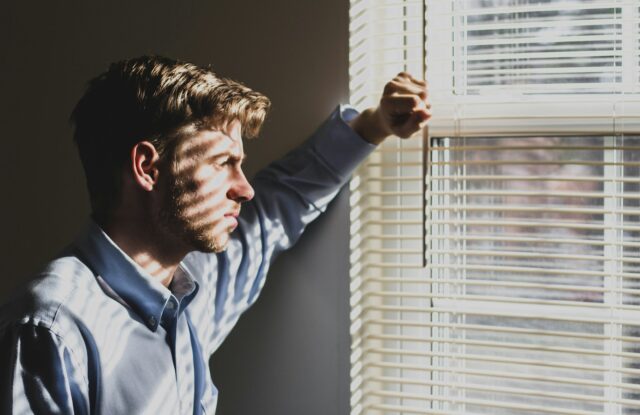
There’s absolutely nothing wrong with loving your own company, but if your ideal night always involves solo activities, and you actively dodge any plan that might involve another human, you’re likely isolating yourself. It’s one thing to want a night in, but it’s another to treat a night out like a prison sentence. When you start seeing other people as an intrusion on your “me time” rather than a part of a balanced life, you’re definitely heading into recluse territory.
3. You’re constantly cancelling plans.

Maybe you’ve become a master at inventing excuses, or you’ve started just ghosting people entirely when they try to get you out of the house. At first, you tell yourself you’re just busy or not feeling up to it, but when it becomes a pattern, you have to admit you’re subconsciously avoiding the world. This habit doesn’t just keep you isolated; it eventually makes people stop asking altogether, which is a lonely place to end up once you finally decide you do want to go out.
4. You feel massively relieved when plans are cancelled.
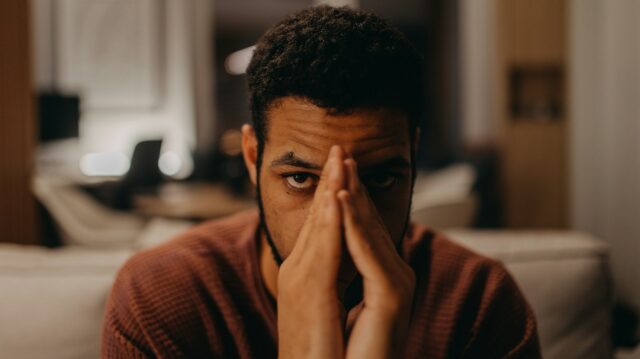
If you secretly do a little celebration when someone else bails on a social event, it’s a clear sign you weren’t actually going to enjoy it. That wave of relief is your brain telling you that socialising has become a source of stress rather than a source of connection. While everyone feels this occasionally, if it’s your default reaction every single time, it’s a sign that you’ve moved too far away from the people in your life.
5. You’ve stopped responding to messages and calls.
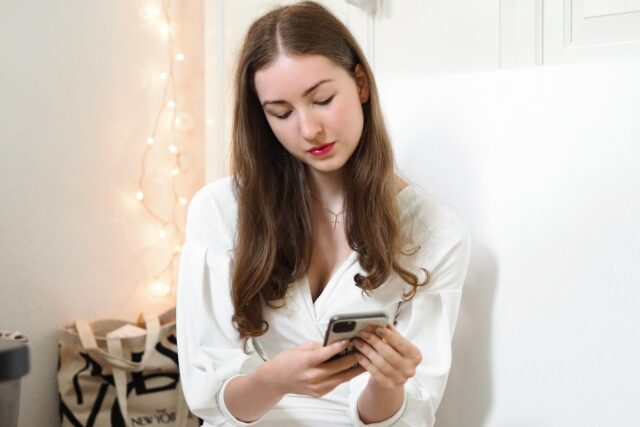
Your phone vibrates, you see who it is, and you just let it go to voicemail or leave the text unread for days. You might have every intention of getting back to them “later,” but that time never actually arrives because the effort of a conversation feels too heavy. Actively avoiding communication is a huge red flag that you’re distancing yourself from your social circle and building a wall that’s going to be hard to climb back over.
6. You avoid eye contact and meaningful conversations.

When you do find yourself forced into a social situation, you keep everything completely superficial to avoid any real connection. You might even find yourself physically turning away or staring at your phone like it’s the most interesting thing in the world just to avoid catching someone’s eye. This is a subtle but telling way of withdrawing while you’re still technically in the room, and it makes it impossible for anyone to actually get to know you.
7. You make excuses to avoid going out.

You’ve probably told people you’re tired, buried in work, or feeling under the weather even when you’re perfectly fine. These little white lies might seem harmless in the moment, but they create a massive barrier between you and the people who actually care about you. Eventually, your excuses become your reality, and you find yourself stuck at home with no one left to call because you’ve pushed them all away with fake reasons.
8. You feel uncomfortable sharing your feelings.

Opening up to anyone feels like a massive risk that you’re just not willing to take anymore. You bottle everything up and keep your thoughts to yourself, even if it leaves you feeling completely misunderstood and alone in your own head. This lack of emotional connection makes it impossible to maintain healthy relationships, as you’re essentially locking everyone out of the parts of you that actually matter.
9. You prefer online interactions to real-life ones.

Social media, forums, or online games might feel safer because you can control the interaction and hide behind a screen. While the digital world is great for certain things, if it’s the only way you’re talking to people, you’re missing out on the actual benefits of real human connection. A bunch of likes or comments will never replace the feeling of a real conversation with someone who is actually sitting in front of you.
10. You compare yourself negatively to other people.

When you see photos of people out laughing and having fun, you don’t feel happy for them—you feel inadequate. You start to convince yourself that you’re not interesting enough or “good enough” to be part of that world, so you hide away even more to avoid the comparison. These negative thoughts fuel your social anxiety and make the idea of reaching out feel even more daunting than it already was.
11. You’ve lost interest in activities you used to enjoy.

Hobbies that used to get you excited now feel like a massive chore that you just can’t be bothered with. You might have abandoned your old projects altogether because you just don’t see the point anymore. That loss of interest is a major sign of social withdrawal and can often be linked to a dip in your overall mental health, leaving you feeling like you’re just going through the motions.
12. You find it really hard to make decisions these days.

Even small choices, like what to eat for dinner or what to wear to the shops, start to feel completely overwhelming. That indecisiveness usually comes from a lack of confidence and a general feeling of being a bit lost or directionless in your own life. When you spend too much time alone, you lose your sense of perspective, and every tiny obstacle starts to look like a mountain.
13. You feel physically unwell in social situations.

You might actually experience nausea, headaches, or a racing heart just because you’re around other people. These physical symptoms are your body’s way of manifesting deep-seated anxiety, and they make it even harder to force yourself to engage. It’s a vicious cycle: you feel bad so you stay home, which makes you feel even more anxious the next time you have to go out.
14. You’re always tired, even after sleeping.

No matter how much rest you get, you feel like you’re dragging yourself through the day. Perpetual exhaustion isn’t usually about physical work; it’s a result of the mental stress and anxiety that comes with social isolation. Being a recluse is actually incredibly draining because you’re constantly “on” in your own head, overthinking every interaction you’ve avoided.
15. You’ve started neglecting your appearance.

You might find yourself skipping showers, wearing the same hoodie for 3 days straight, or just not caring about how you look anymore. When you aren’t seeing anyone, the motivation to keep up with basic grooming and hygiene often goes out the window. This lack of self-care is a clear sign that you’ve lost interest in presenting yourself to the world, and it only makes you feel worse about the idea of eventually stepping back outside.