Certain parts of growing up in the ’80s felt normal at the time, but looking back, a lot of what kids dealt with would send Gen Z into full meltdown.

Things that were seen as “toughening you up” or “just how it is” would be labelled unsafe, unhealthy, or downright abusive today, even if we all managed to get through it without being too scarred. It wasn’t that parents during this decade meant any harm. Life was simply harsher and rules were a bit looser. Childhood came with inherent risks no one thought twice about, largely because it was taken for granted that we’d be just fine. Luckily, for the most part, despite experiencing these things, we were.
1. Being left home alone for hours

Most ‘80s kids remember entire afternoons alone while parents worked or ran errands. It wasn’t unusual or shocking; it was just expected that you’d entertain yourself without burning the house down. Today this would lead to reports, meetings, and a serious welfare check. Gen Z can’t imagine being responsible for a whole household before they were even tall enough to reach the cooker, but independence was the default back then, whether you were ready or not.
2. Riding in cars with no seatbelts

Seatbelts were optional and often ignored. Kids slid around in the back seat, shared seat space, or lay across the parcel shelf. No one questioned it. It was part of childhood chaos. Now it would be considered extreme negligence. Safety rules changed for a reason, but ‘80s car culture was practically a moving playground. Looking back, it’s amazing anyone survived a school run.
3. Getting smacked for misbehaving

Physical discipline was mainstream and barely questioned. A smack was seen as normal parenting. Schools, relatives, and even neighbours felt entitled to “correct” a child. Today, it’s viewed as harmful and unacceptable. Gen Z would call it abuse, and they wouldn’t be wrong. The ‘80s simply operated with a different idea of boundaries and authority.
4. Playing outside until dark with zero supervision

Kids roamed streets and parks without a phone or adult nearby, and nobody batted an eyelid. You only went home when the streetlights switched on. There were no check ins, no tracking apps, no worries. Gen Z lives in a world of constant monitoring. The idea of disappearing outdoors for hours would terrify most parents today.
5. Being told to “walk it off” after real injuries

Sprained ankles and bruises weren’t considered reasons to stop anything. Adults expected kids to push through and stop complaining, and pain was treated like an attitude problem. It’s not that they didn’t care, but that they knew you weren’t seriously injured and would be over it in about five seconds. Modern parents focus on care and caution, so Gen Z would see this old approach as dismissive and dangerous.
6. Eating whatever was on your plate whether you liked it or not

Food wasn’t negotiable. If you hated something, tough. You sat there until it was finished, even if it made you gag or cry. If you didn’t, you were often sent to bed for the night straight away. This approach didn’t care about allergies or sensory issues, needless to say. Gen Z is used to choice, accommodation, and being listened to. Forced eating would be labelled harmful now.
7. Teachers shouting in your face

Teachers could intimidate, insult, and humiliate kids without consequence. Raised voices and slammed books were treated as discipline, not aggression. There was no one to whinge to about it, either, because if you told your parents, they’d ask you what you’d done to deserve it. Schools today have stricter rules on behaviour management, and younger people would see old-school teachers as emotionally unsafe. In this case, things have changed for the better.
8. Getting sunburned because no one bothered with sunscreen

Sunscreen wasn’t used consistently, and kids often burned badly on holidays. Heatstroke, peeling skin, and painful shoulders were all part of summer life. We even used to slather baby oil on our skin before going out into the sun, leading to an excruciating sizzle. Today’s parents obsess over SPF and protecting their kids’ skin, which is a good thing. Young people are savvier about looking after their skin, as well, and see the ‘80s sun care as irresponsible and harmful.
9. Being punished by losing meals

Some parents treated food as a reward or punishment. If you misbehaved, you went hungry. This wasn’t seen as abusive back then; it was another “lesson in discipline.” It was meant to keep kids in line, even if it was a pretty twisted way of doing so. Modern standards call this neglect, and that’s about right. Kids these days would be horrified at the idea of food control being normal parenting.
10. Parents sharing private struggles publicly
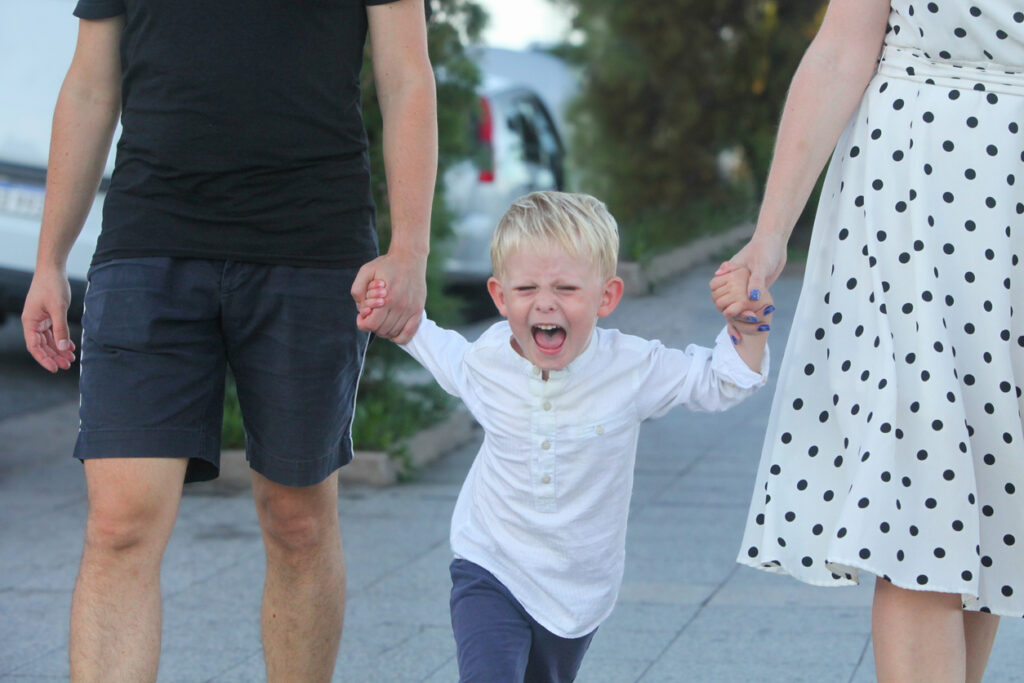
Parents openly mocked tantrums, habits, or fears in front of other people. Kids’ emotions weren’t treated as private or important, and embarrassment was part of discipline. Privacy matters far more today, even if most parents do put their children’s every moment on social media. Many Gen Z kids would see the ’80s approach as emotional harm, not harmless humour.
11. Being strapped into pushchairs or prams for hours

Parents often left children in prams outside shops or cafés for long stretches. Rather than dangerous, it was practical. Fresh air was considered enough supervision, and there was no worry about kidnapping (even when there should have been). Gen Z parents would panic at the thought. Safety standards have changed dramatically, and leaving young children unsupervised is a big no-no.
12. Being told that crying was “attention-seeking”

Emotions were treated as drama. Kids were told to stop crying, or they’d be given “something to cry about.” Feelings weren’t something adults handled gently in most cases, largely because they simply lacked the language and the emotional intelligence to do so. Gen Z understands emotional health so much better. They’d call this neglectful or damaging, and they have a point.
13. Riding bikes with no helmets

Kids flew down hills and jumped ramps with nothing protecting them. Cuts, crashes, and broken bones were part of summer. Helmets existed, yes, but they were rarely used. We all just took for granted that we wouldn’t end up with a concussion. Gen Z sees helmets as essential, and the old approach feels wild by today’s standards. Young people today are very much for safety first.
14. Being left responsible for younger siblings

Even very young kids were expected to babysit brothers and sisters for hours. This was a normal family duty, even when the older sibling still very much could have used a babysitter themselves. It’s just what you did back then. Today, this would be considered unsafe and unfair, and young people would wonder why adults weren’t involved.
15. Being forced to finish chores before school

Morning routines included cleaning, feeding pets, or even caring for younger siblings. Kids were expected to manage adult tasks before lessons, even if they had to get up early to do so. It was seen as a way of teaching responsibility. Modern parenting focuses more on balance, and Gen Z would consider the old way of doing things incredibly unfair.
16. Being told to toughen up instead of being comforted

Comfort wasn’t always available. Kids were told to get over things quickly because hardship was part of life. Vulnerability wasn’t welcomed in most homes, again because parents hadn’t grown up with that kind of support and acceptance themselves. Gen Z values emotional support. They’d call this a complete lack of care, even if parents thought they were preparing kids for the real world. Thankfully, things are improving in this regard.