Growing up being picked on can leave scars that last a lifetime.
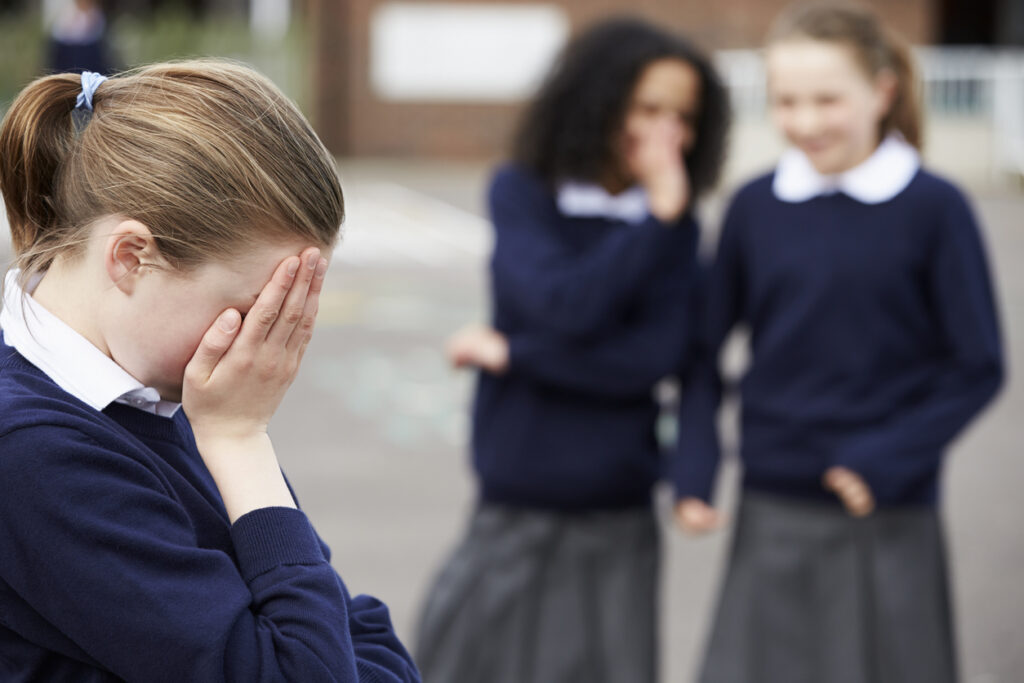
You learn ways of coping, ways of blending in, and ways of protecting yourself that made sense at the time, even if you didn’t realise you were doing it. Years later, those habits still sit silently in the background, and they totally change how you move through the world.
People who were bullied often grow into adults with traits that are a mix of strength, caution, instinct. Some of those traits help them connect deeply with people, and others make life feel heavier than it needs to be. You don’t always see the link until you look back and realise just how much your childhood taught you about people, safety and belonging.
1. They have an incredible amount of empathy.

People who grew up being picked on often learn very early what real hurt feels like, and that experience stays with them. It makes them more tuned in to other people’s moods and more patient when someone is having a rough day. They’re the kind of person who spots when someone’s struggling before anyone else has noticed.
They don’t rush to fix things or railroad the moment. They sit with you, let you talk, and offer support in a way that feels genuine instead of forced. That level of understanding doesn’t come from books or life advice. It comes from lived experience, and it makes them incredibly steady friends and partners.
2. They’re fiercely loyal and protective of their loved ones.

Once they care about someone, they hold on tight. They know what it’s like to feel unprotected or alone, so they do everything they can to make sure the people they love never feel that way with them. Loyalty isn’t just a word to them. It’s an instinct.
They show up when it counts, they keep people’s secrets safe, and they defend the people they care about even when it’s uncomfortable. Their protective streak isn’t loud or aggressive. It’s steady, thoughtful, and rooted in wanting the people around them to feel safe in a way they rarely did growing up.
3. They possess a calm inner strength and resilience.

People who survived bullying don’t always realise how strong they are because their strength grew slowly, out of necessity. They had to develop coping skills long before they should have needed them. That kind of resilience doesn’t show itself through bravado. It shows up in their ability to keep going, even on days when life feels relentless.
They’re not easily knocked off balance by small setbacks because they’ve survived far worse. They get tired, their confidence wobbles like anyone else’s, but they know how to steady themselves. They’ve been doing it for years.
4. They’re acutely aware of social dynamics and injustice.
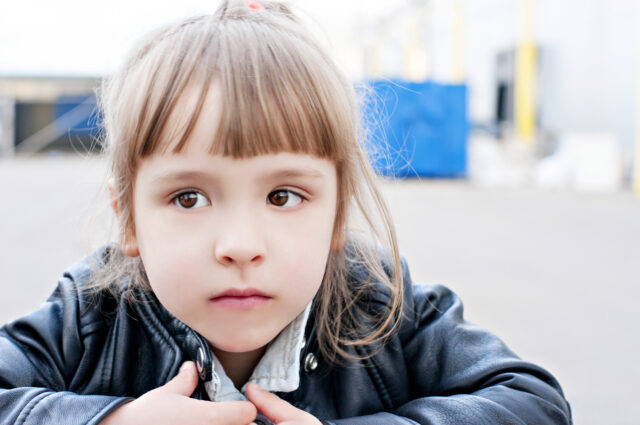
Growing up on the receiving end of cruelty sharpens your senses. You learn to read atmospheres quickly so you can figure out whether you’re safe. Many bullied kids carry that awareness into adulthood, where it becomes a kind of social radar. They spot power imbalances instantly and pick up on tones or tensions other people miss.
They can’t stand seeing people pushed down, mocked, or excluded because they know exactly how that feels. Their instinct to stand up for people often comes from a place of wanting to be the person they needed when they were younger.
5. They’re creative problem solvers and adaptable.

When you grow up constantly trying to avoid trouble or defuse uncomfortable situations, you naturally become resourceful. Bullied kids find creative ways to cope, whether that’s through humour, imagination, or simply learning how to read a room. Those skills show up in adulthood as adaptability and creative thinking.
They’re good at finding unusual solutions and working around obstacles because they’ve had years of practise doing exactly that. They might not even see this as a strength, but it’s often one of their most valuable traits.
6. They have a deep appreciation for kindness and compassion.

When someone grows up being treated unkindly, they never take gentleness for granted. Small acts of kindness hit them deeply, and they remember them for years. They gravitate towards warmth and sincerity, and they try to send that same energy back out into the world.
They understand how much difference one thoughtful gesture can make because they’ve lived through days when that’s all they wanted. This often makes them naturally nurturing people who spread comfort without even realising they’re doing it.
7. They are often self-aware and introspective.

Being bullied forces you to think about yourself in ways most kids never have to. You question why things happened the way they did, what you could have done differently, and how to protect yourself emotionally. That level of reflection becomes part of you.
As adults, these people tend to have a deep understanding of their own triggers, values, and limits. They’re often very thoughtful in how they respond to situations because they’ve had years of experience analysing their own feelings just to survive childhood.
8. They have a strong sense of justice and fairness.

Something changes inside you when you’ve lived through unfair treatment. You stop tolerating injustice, both against yourself and against people around you. These adults often speak up when others stay quiet because they remember exactly what silence enabled.
They’re the friend who says, “Hang on, that wasn’t right,” even when it’s awkward. They’re the coworker who sticks up for someone being spoken over. Their sense of fairness is shaped by everything they endured, and it becomes one of the traits people admire most about them.
9. They’ve developed a thick skin and aren’t easily rattled by negativity.

When you’ve spent years being picked apart, you eventually realise that most criticism says more about the speaker than the target. While the scars don’t disappear, many bullied kids grow into adults who don’t crumble at every sharp word.
They know how to tune out petty nastiness. They know the difference between constructive feedback and pointless cruelty. And because they survived so much already, they rarely let minor negativity derail them the way it might affect someone with a gentler past.
10. They’re compassionate listeners and supportive friends.

Having needed someone to listen during childhood and not always getting it, these people become the listeners they once wished for. They don’t rush you or jump in with judgment. They hold space for people to talk without feeling stupid or overdramatic.
They often become the person others turn to when life feels heavy because they provide comfort without making the situation about themselves. Their listening skills are shaped by years of longing for someone who would simply hear them out.
11. They have a unique perspective and valuable insights to offer.

Being bullied gives you a very different view of the world. You see people’s motivations clearly, you recognise insecurities quickly, and you understand vulnerability in a way many people don’t. This often leads to thoughtful, insightful commentary on life, relationships, and human behaviour.
They can cut through nonsense quickly because they’ve watched people’s true colours unfold from an early age. Their insights come from lived experience, not theory, and people often find their observations surprisingly grounding.
12. They’re often determined to make a positive impact in the world.

Many people who grew up being bullied choose to channel their experiences into something meaningful. They might volunteer, mentor someone younger, work in supportive roles, or offer kindness to people who look like they’re struggling.
They know what it feels like to be singled out or misunderstood, and they want to break that cycle wherever they can. For them, making a difference doesn’t require a spotlight. It comes through small, steady acts of compassion.
13. They’re great at setting boundaries and protecting their energy.
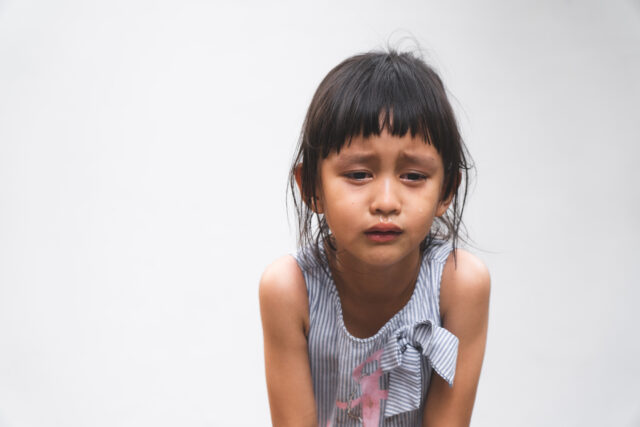
Bullying teaches you, sometimes painfully, when you’ve had enough. As adults, these people often become very good at recognising early signs of draining behaviour and stepping back before they’re overwhelmed.
They’ve learned that self-preservation isn’t selfish. It’s necessary. They don’t feel guilty for saying no, leaving events early, or distancing themselves from people who aren’t good for them. Their boundaries are shaped by survival and strengthened by experience.
14. They have a deep appreciation for genuine connections and authentic relationships.

After spending childhood navigating false friendships, unpredictable behaviour or social exclusion, they have a strong radar for authenticity. They’re drawn to people who take them as they are and treat them with care.
They’d rather have a small group of real friends than a huge circle of surface-level relationships, and when they find people who are sincere, they invest deeply and wholeheartedly.
15. They have a strong sense of self and a clear understanding of their values.

Bullying forces you to look inward earlier than most. You learn what matters to you, what you won’t tolerate, and who you want to be. That clarity becomes one of your biggest strengths in adulthood.
You stop bending yourself to fit places where you aren’t respected. You make choices guided by who you’ve become, not who people said you were when you were young. That sense of self is solid because you built it from the ground up.
16. They’re a shining example of resilience, strength, and compassion.

People who endured cruelty as kids often grow into adults who carry an extraordinary mix of strength and softness. They’ve lived through things that could have hardened them completely, yet they choose to be compassionate, steady, and kind.
Their whole story shows what’s possible when someone refuses to let old wounds define their future. And without meaning to, they often inspire people just by being themselves.