Spending time on your own can feel brilliant or boring depending on the day.

Sometimes it’s peaceful and exactly what you need, and other times you catch yourself wondering what on earth you’re meant to do with all that quiet. But once you stop treating alone time like an awkward gap in your schedule and start seeing it as something you can actually enjoy, it becomes a lot more satisfying.
The trick is finding ways to make that space feel nourishing rather than lonely. A bit of intention, a bit of curiosity, and suddenly, those hours on your own feel less like you’re killing time and more like you’re giving yourself something you didn’t realise you needed.
1. Dive into a good book

Reading is a fantastic way to use your alone time. It stimulates your mind, expands your knowledge, and can transport you to different worlds. Choose a genre that interests you, whether it’s fiction, non-fiction, or poetry. Set aside dedicated reading time and create a cosy reading nook to make the experience even more enjoyable.
2. Start a journaling practice

Writing down your thoughts and feelings can be incredibly therapeutic. Use your alone time to reflect on your day, set goals, or work through problems. Journaling can help clarify your thoughts, reduce stress, and boost creativity. Don’t worry about perfect prose. Just let your thoughts flow onto the page.
3. Learn a new skill

Alone time is perfect for skill development. Whether it’s learning a new language, picking up a musical instrument, or mastering a craft, dedicating your solo hours to learning can be incredibly rewarding. Online courses, tutorials, and apps make it easier than ever to acquire new skills from the comfort of your home.
4. Practice mindfulness meditation

Meditation is a powerful tool for reducing stress and increasing self-awareness. Use your alone time to cultivate a regular meditation practice. Even just 10 minutes a day can make a significant difference in your mental well-being. There are numerous apps and guided meditations available to help you get started.
5. Get creative

Engage in creative activities that you enjoy. This could be painting, writing, composing music, or any other form of artistic expression. Creating something can be deeply satisfying and is a great way to process emotions and ideas. Don’t focus on the end result, but instead just let yourself enjoy the process of creation.
6. Declutter your space

Use your alone time to organise and declutter your living space. A tidy environment can lead to a clearer mind. Go through your belongings, decide what to keep, donate, or discard. This process can be surprisingly therapeutic and can give you a sense of control and accomplishment.
7. Plan your future

Take advantage of quiet moments to think about your long-term goals and aspirations. Create vision boards, write out your five-year plan, or research potential career paths. Having uninterrupted time to focus on your future can help you make more intentional decisions in your day-to-day life.
8. Indulge in self-care

Alone time is perfect for self-care activities. Take a long bath, give yourself a facial, or practice yoga. These activities help you relax and show yourself some love and appreciation. Remember, self-care isn’t selfish! It’s necessary for your overall well-being.
9. Explore nature

Spending time in nature can be incredibly rejuvenating. Go for a solo hike, have a picnic in the park, or simply sit outside and observe your surroundings. Nature has a way of putting things into perspective and can help reduce stress and anxiety.
10. Cook a new recipe

Cooking for yourself can be a meditative and rewarding experience. Use your alone time to try out new recipes or perfect your culinary skills. Preparing a meal from scratch can be a great way to practice mindfulness and creativity, plus you get to enjoy the delicious results.
11. Engage in physical exercise

Exercise is not only good for your body but also for your mind. Use your alone time for a workout session, whether it’s following a fitness video, going for a run, or practising yoga. Regular exercise can boost your mood, increase energy levels, and improve overall health.
12. Listen to podcasts or audiobooks
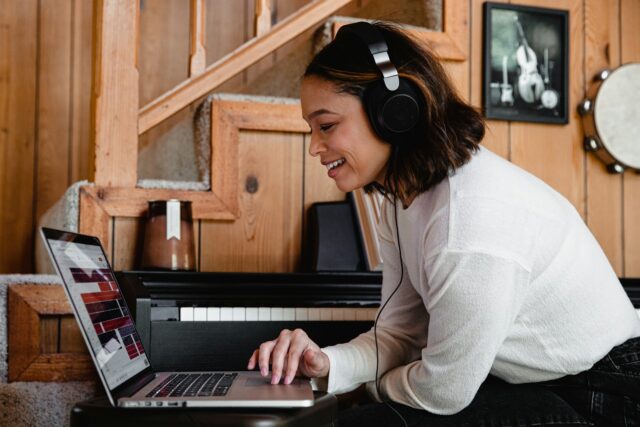
Expand your knowledge or be entertained while doing other tasks. Podcasts and audiobooks are great companions for solo activities like cleaning, cooking, or commuting. Choose topics that interest you or challenge your current perspectives.
13. Start a passion project

Use your alone time to work on something you’re passionate about. This could be writing a book, starting a blog, creating a YouTube channel, or developing a business idea. Pursuing your passions can give you a sense of purpose and fulfilment.
14. Practice gratitude

Take time to reflect on the things you’re grateful for. Keep a gratitude journal, or simply spend a few minutes each day thinking about what you appreciate in your life. This practice can significantly improve your mood and overall outlook on life.
15. Explore virtual museums or concerts

Many cultural institutions offer virtual tours or online performances. Use your alone time to explore art galleries, attend concerts, or visit museums from around the world, all from the comfort of your home. This can be a great way to broaden your cultural horizons.
16. Disconnect from technology

While technology can be useful, it’s important to take breaks. Use some of your alone time to disconnect completely. Turn off your phone, step away from screens, and enjoy the quiet. This digital detox can help reduce stress and improve your ability to focus.
17. Reflect and set intentions

Use your solitude for self-reflection. Think about your values, your behaviours, and areas where you’d like to grow. Set intentions for how you want to show up in the world. This introspective practice can lead to personal growth and a more intentional way of living.