There are quite a few ideas people repeat in the UK that sound true because we’ve heard them for so long.

Some came from school lessons that were simplified, some came from jokes online, and a lot of them have just stuck because nobody ever stops to check the details. The trouble is, repeating them makes you sound like you haven’t looked beyond surface level, especially when the information is easy to check.
Plenty of these misunderstandings aren’t harmless trivia, either. Some shape how people think about politics, geography, the environment, or public services. When you understand what’s accurate and what’s been exaggerated, you can join conversations feeling confident instead of just hoping you’ve remembered what someone once said in passing.
1. Thinking Great Britain and the UK are the same thing

Great Britain is the island made up of England, Scotland, and Wales. The United Kingdom includes Northern Ireland as well. People mix them up all the time, usually because the terms get used interchangeably in casual conversation, but they’re not the same thing. When you know the difference, you sound a lot more informed, especially when talking about history or politics. It’s a tiny detail that shows you actually understand how the country is put together.
2. Believing the King still runs the country
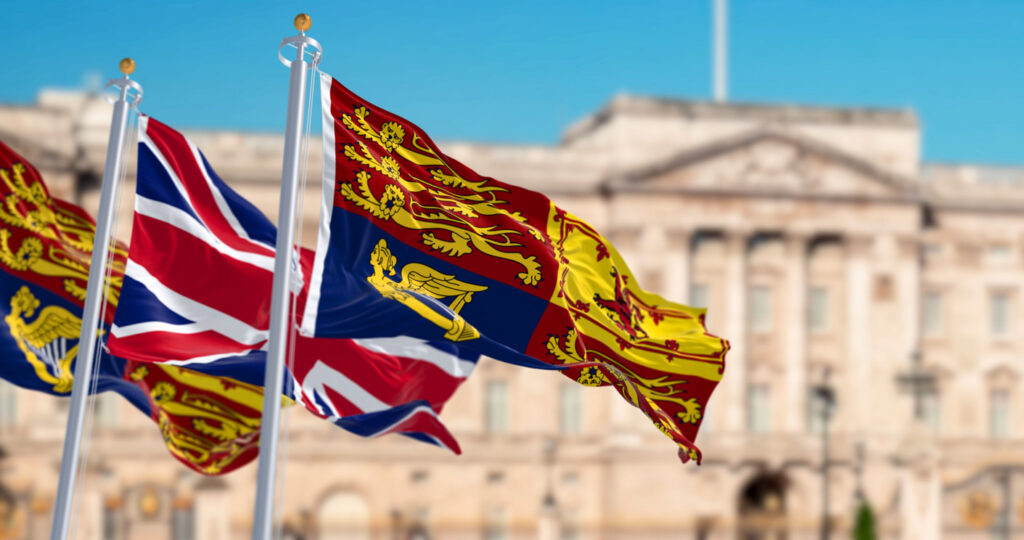
A lot of people still talk as if the monarch makes decisions, even though we all know Parliament and the Prime Minister run the country. The Royal Family has a symbolic role and a degree of influence, but they don’t create laws or control the government. Understanding this helps when you hear people blaming or praising the monarchy for political decisions. It stops you repeating ideas that simply don’t match how our system works in real life.
3. Saying London is the UK’s biggest city by size
London has the biggest population, so people assume it must be physically the largest as well. It isn’t. Other cities cover wider areas once you take larger urban regions into account. Population and land area aren’t the same thing. When you separate those ideas, conversations about cities make a lot more sense. It also helps when talking about housing, infrastructure and regional development.
4. Thinking the EU bans curved bananas
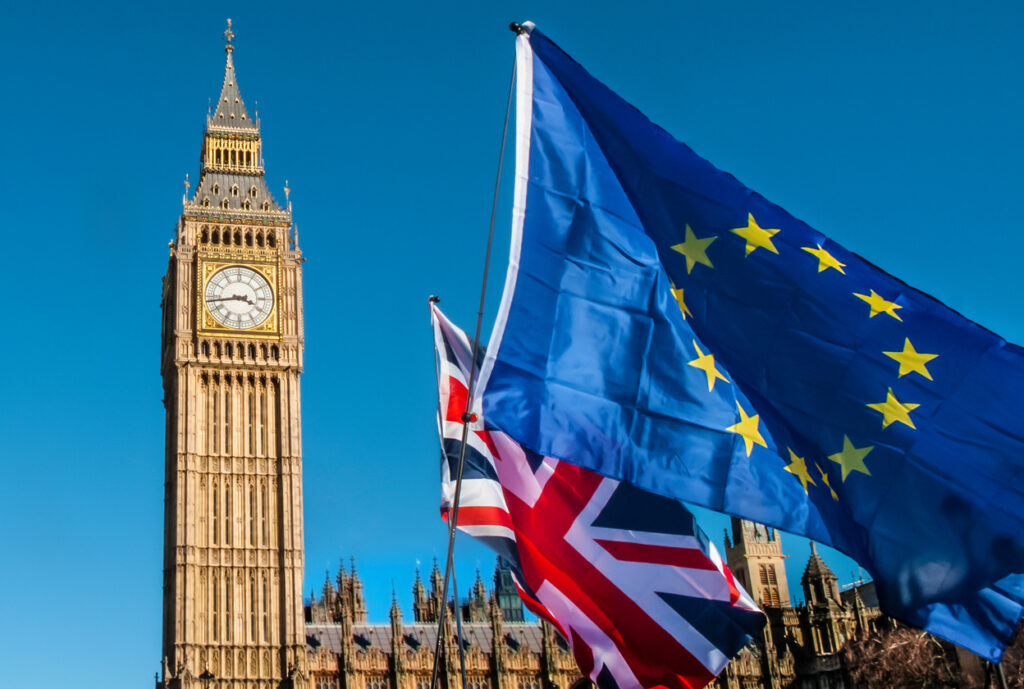
This one has been repeated so many times it almost became a national joke. The EU never banned curved bananas. There were quality standards for importers, which many countries use anyway, but nothing like a shape ban. When you stop repeating this myth, you sound like someone who reads beyond memes and newspaper headlines. It also stops people dragging old slogans back into every political conversation.
5. Assuming tap water is worse than bottled water

In most parts of the UK, tap water is tested more often than bottled water and is held to strict quality standards. Bottled water isn’t guaranteed to be cleaner or safer. A lot of the time it’s just filtered tap water packaged for marketing purposes. Once you know that, you save money and avoid repeating things that sound scientific but aren’t based on much. It’s one of those small facts that changes everyday habits.
6. Believing red squirrels are endangered everywhere

Red squirrels are struggling in England and Wales, mainly because of habitat changes and competition from grey squirrels. In Scotland and parts of Northern Ireland, red squirrel numbers are healthier. Saying they’re almost extinct across the whole UK simply isn’t accurate. Having a grasp on regional differences helps when you read conservation stories or talk about wildlife decline. It also helps explain why certain areas have different protection projects in place.
7. Thinking foxes are dangerous to people

Urban foxes look confident, but they avoid people. They’re not out hunting humans. They want leftovers, bins and an easy meal. Their behaviour has adapted because they live among us, but that doesn’t mean they pose a threat. Seeing them properly helps you understand how wildlife fits into towns, instead of assuming behaviour based on fear or outdated reputations.
8. Assuming Scotland gives out free prescriptions because it’s richer

It’s a policy choice, not a sign of wealth. The Scottish Government funds prescriptions through its own budget decisions, just like Wales makes different choices from England. It doesn’t mean Scotland has more money than the rest of the UK. When you know this, political conversations become much clearer because you can separate facts from assumptions.
9. Saying Britain gets more rain than almost every country

It might feel like it rains constantly, but Britain isn’t close to being the world’s wettest place. London actually gets less rain each year than New York or Rome. Some regions are fairly dry overall. When you know this, climate discussions become richer because you’re talking about actual patterns rather than old jokes about weather.
10. Thinking hedgehogs eat only slugs

Hedgehogs eat insects like beetles and worms, as well as other natural foods. Relying on slugs or giving them only mealworms can harm their health. Their diet is much broader than most people think. Knowing what they really need helps when feeding garden wildlife. It means you support their health rather than accidentally making things worse.
11. Believing no spiders in the UK can bite

Most spiders here can’t cause major harm, but a few can bite if handled or cornered, including the false widow. Saying they’re completely harmless isn’t correct and gives people an inaccurate picture of British species. Knowing how they behave helps you react calmly rather than assuming danger. It also lets you talk about wildlife with more confidence instead of guessing.
12. Assuming all police cars are allowed to break every road rule

Police vehicles can exceed certain limits during emergencies, but they don’t have unlimited freedom on the roads. Outside emergency situations, they follow the same rules as everyone else. Realising this stops people repeating dramatic ideas every time they see blue lights or a police car parked oddly.
13. Thinking road tax pays for road repairs

Vehicle tax is mainly based on emissions. Road repairs come from general taxation. People have been saying “road tax pays for the roads” for years, but it hasn’t worked that way for a very long time. Knowing this clears up confusion when people argue about cyclists or people driving electric cars. It’s one of those details that makes discussions fairer.
14. Saying the NHS is free

It’s free to use, but it isn’t free. Everyone pays for it through taxation. When someone says it’s free, it sounds like it appears out of nowhere. Recognising that everyone contributes makes conversations about funding clearer and more realistic. Having a clear grasp on how the system works helps when talking about budgets and pressures because you know where the money actually comes from.
15. Thinking Wales is part of England

Wales is its own country within the UK, not a region of England. People still get this wrong, especially younger students or people visiting from abroad, but it’s one of the easiest things to fix. Getting it right shows respect and understanding of all the countries that form the UK.
16. Believing the Prime Minister is chosen by the public
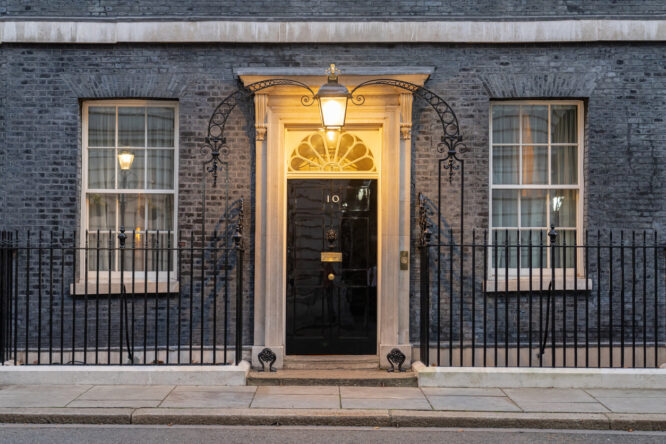
General elections choose MPs, not the Prime Minister directly. The leader of the winning party becomes Prime Minister. Many people think we vote for the Prime Minister directly, which isn’t how the system works. Knowing this avoids basic political errors that make you sound confused about how British elections work.
17. Assuming Big Ben is the name of the whole clock tower
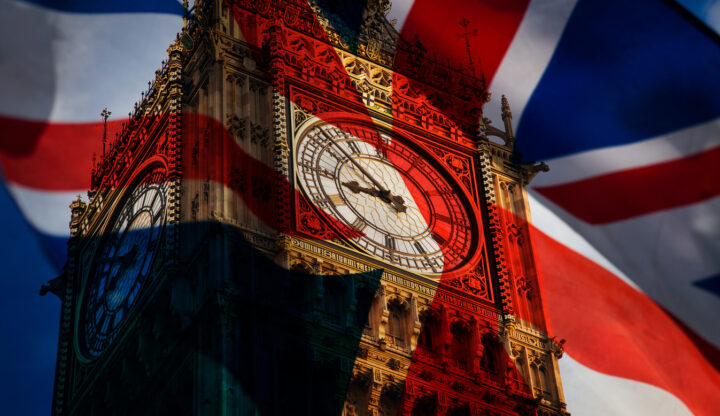
Big Ben is actually the name of the bell inside the tower. The tower itself is called the Elizabeth Tower. Calling the whole structure Big Ben isn’t technically correct. It’s a tiny detail, but knowing it makes you sound far more informed about British landmarks.
18. Thinking the Bank of England sets your mortgage rates directly

The Bank of England sets the base rate, and lenders then decide what to charge on top. It influences your mortgage, but it doesn’t set it outright. Many people simplify the process and miss half the story. Knowing the difference means that conversations about interest rates and the economy stop sounding mysterious, and you feel much more in control when decisions affect your finances.