Parenting doesn’t come with a manual, but some people seem to have cracked the code.

Parenting advice is everywhere, and most of it makes you feel like you’re doing everything wrong before breakfast. The truth is, nobody has it fully figured out, but some parents do seem to raise kids who feel secure, capable, and surprisingly grounded, and it’s rarely down to fancy techniques or perfect routines.
What they usually get right is the day-to-day stuff: the way they react, listen, set limits, and show up when it matters. It’s nothing fancy or Instagram-worthy, just choices that add up. Here’s what those parents tend to do differently.
1. They prioritise emotional intelligence.

These parents don’t panic when their child has big feelings. They don’t shut it down or rush to fix it just so things feel calmer again. Instead, they sit in it with them, even when it’s uncomfortable or inconvenient.
They help their kids put words to what they’re feeling and reassure them that emotions aren’t something to be embarrassed about. Over time, that teaches kids they don’t have to explode or shut down to be heard. They learn that feelings pass, and that they’re allowed to have them without everything falling apart.
2. They lead by example.

They know kids watch everything. Not just the lectures, but the reactions, the tone, the way problems are handled when nobody’s putting on a performance. Saying one thing and doing another doesn’t go over well, no matter how well it’s explained. They mess up, admit it, apologise when needed, and carry on. That honesty teaches kids far more than pretending to be flawless. It shows them how to handle real life, not an idealised version of it.
3. They embrace failure as a learning opportunity.

Instead of jumping in to smooth every bump, these parents let their kids fall short sometimes. They don’t frame failure as something shameful or devastating. It’s treated as information, not a verdict.
That might mean letting a forgotten homework deadline settle, or allowing a poor choice to feel uncomfortable for a bit. The lesson sticks because the experience does. Kids raised this way tend to trust themselves more because they’ve learned they can handle things not going perfectly.
4. They encourage independence without abandoning support.

They resist the urge to step in too quickly. They let kids try, struggle, and problem-solve, even when it would be faster to do it themselves. That patience pays off in confidence. At the same time, kids know help is there if they really need it. Independence doesn’t mean being left to fend for yourself. It means being trusted to try first, knowing someone’s got your back if it all goes sideways.
5. They never skip out on family time.

Life gets busy thanks to work, school, activities, exhaustion, etc. These parents don’t aim for perfection, but they do protect moments to reconnect. Meals together, shared routines, time that isn’t rushed or half-distracted. Those moments become an anchor. They give kids a sense of belonging that doesn’t depend on achievement or behaviour. It’s simply, “This is where you’re safe, and this is where you matter.”
6. They set clear, consistent boundaries.

Rules aren’t a guessing game in these households. Kids know what’s expected and what happens if lines are crossed. That consistency actually makes things feel calmer, not stricter. The key is fairness. Boundaries aren’t used as power plays or punishments handed out in frustration. They’re explained, reinforced, and adjusted as kids grow. That stability helps children feel secure, even when they’re pushing against limits.
7. They encourage curiosity.

Questions aren’t treated as annoyances. Even the awkward ones. These parents make room for curiosity, whether it’s about how things work, why people behave the way they do, or topics that don’t have easy answers. That openness teaches kids it’s safe to wonder, explore, and think for themselves. They grow up less afraid of being wrong and more comfortable asking questions, which serves them far beyond childhood.
8. They focus more on encouragement than criticism.

These parents still correct behaviour when they need to, but they’re not scanning their kids all day waiting to pounce on mistakes. They notice effort. They point out when their child tried, improved, or handled something better than last time.
That kind of encouragement builds confidence without turning kids into little show-offs. It teaches them that progress matters, not perfection, and that doing their best is worth something even when the result isn’t amazing.
9. They teach financial literacy.

Money isn’t treated like some secret adult topic that kids aren’t allowed to understand. These parents explain things in ways that make sense for their child’s age, whether that’s saving pocket money or understanding why they can’t have everything they want. Kids raised with this kind of openness grow up less anxious and less clueless about finances. They learn that money has limits, choices, and consequences, which makes adult life a lot less overwhelming later on.
10. They treat physical health as part of everyday life.

Exercise isn’t framed as punishment or something you only do to fix your body. It’s just part of living. Going for walks, kicking a ball around, moving because it feels good, not because it’s on a checklist. The same goes for food. These parents don’t turn meals into battles or moral lessons. They model balance, variety, and enjoyment, which helps kids build a healthier relationship with their bodies without constant commentary.
11. They leave space for unstructured play.
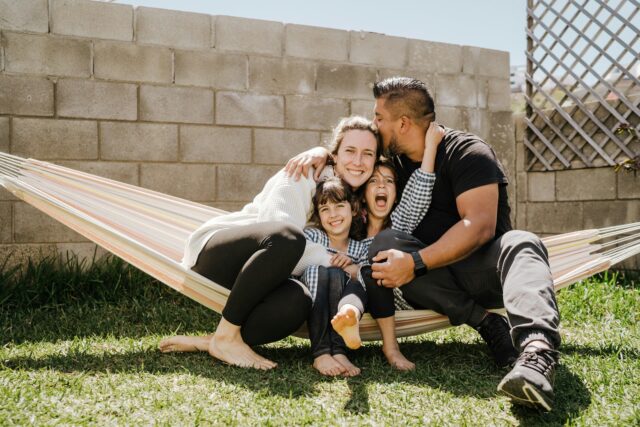
Not every hour needs to be planned, coached, or supervised. These parents understand the value of boredom. When kids have nothing scheduled, they invent, imagine, and figure things out on their own. Free play builds creativity and resilience in ways structured activities can’t. Kids learn how to entertain themselves, negotiate with siblings, and sit with their own thoughts, which is a skill many adults wish they had learned earlier.
12. They genuinely listen to what their kids are saying.

When their kids talk, these parents put the phone down and tune in. Even when the story is rambling or the problem seems small, they treat it as important because it matters to the child. That kind of attention builds trust. Kids learn that they can talk without being dismissed or rushed. As they get older, that trust often means they’re more likely to open up about the bigger stuff, too.
13. They help kids build social skills naturally.

They don’t just tell kids how to behave with other people, they help them practise. They talk through awkward moments, help them name feelings, and guide them through conflict instead of jumping in to fix it. Kids learn how to listen, compromise, and stand up for themselves without being railroaded. Those skills don’t just help them make friends. They help them handle relationships for the rest of their lives.
14. They encourage a love of reading.

Books aren’t treated like homework. They’re just there. Bedtime stories, shared reading, quiet time with a book on the sofa. Reading becomes associated with comfort and curiosity, not pressure. That early exposure builds language, imagination, and focus in a way screens can’t quite match. Kids who grow up around books tend to carry that habit forward without being forced.
15. They give kids real responsibility.
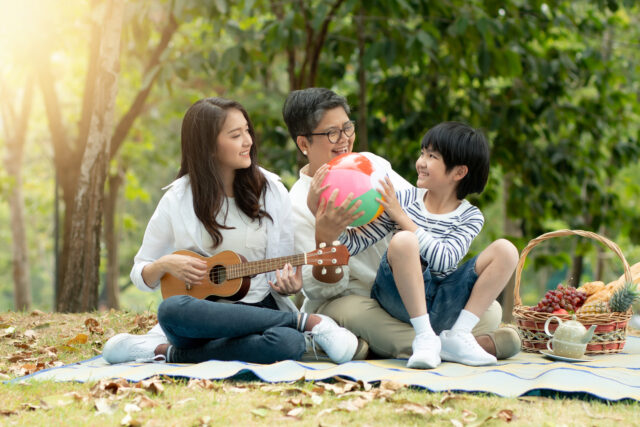
Chores aren’t framed as punishment. They’re framed as being part of a household. Everyone contributes. Everyone helps. Kids learn that their effort matters and that the world doesn’t run on magic. That sense of responsibility builds confidence and pride. Kids see themselves as capable, not just cared for, and that makes a huge difference as they grow more independent.
16. They let natural consequences do some of the teaching.

These parents don’t rush in to rescue every mistake. If a child forgets something and feels the result of that, they let it happen when it’s safe to do so. The lesson lands harder because it’s real. Kids start connecting actions with outcomes and learning to think ahead, rather than relying on someone else to clean things up for them.
17. They talk about gratitude without forcing it.

Gratitude isn’t turned into a lecture or a guilt trip. It’s woven into everyday moments: thanking people, noticing good things, and appreciating effort, not just results. Kids pick up on that tone quickly. It helps them develop a more grounded outlook without feeling like they’re being told how to feel.
18. They support their children’s passions.
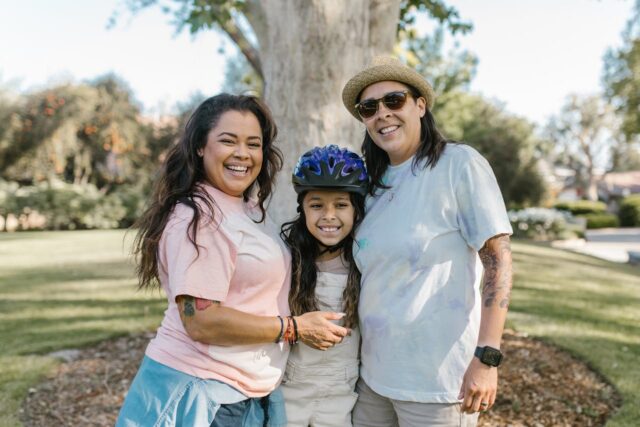
They don’t live through their children or push their own unrealised dreams onto them. If a kid is excited about something, they show up for it, even if it’s not their thing. That support sends a powerful message. It tells kids their interests matter and that they’re allowed to explore who they are without needing approval for every choice.
19. They protect sleep routines.

They understand how much sleep affects behaviour, mood, and learning. Bedtimes aren’t a constant negotiation or an afterthought squeezed in around everything else. Consistent routines help kids feel settled and secure. A well-rested child copes better with everything, from school stress to emotional regulation.
20. They make love feel unconditional.

Above everything else, kids in these families know they’re loved without needing to earn it. Mistakes don’t threaten that love. Bad days don’t cancel it out. That security gives kids the confidence to take risks, try new things, and be themselves. They grow up knowing they matter, not because of what they achieve, but because of who they are.