Ageing well isn’t just about avoiding wrinkles or staying trim. It’s about how you live, how you care for your body, and how you relate to the world as time passes. Plenty of small, often overlooked habits and traits can quietly predict whether you’ll navigate the years ahead with strength, grace, and vitality. If you’ve ever wondered whether you’re on the right track, these signs might reassure you that your future self is in good hands.
1. You listen to your body (and don’t ignore the early signs).
If you notice when something feels off and respond rather than brushing it aside, you’re setting yourself up for better long-term health. People who age well tend to pay attention early, before things snowball into bigger issues. Your high level of self-awareness helps you catch problems sooner, get help when needed, and avoid chronic neglect that can take a toll in the long run. It’s not paranoia. It’s self-respect in action.
2. You’ve stayed curious about new things.
People who maintain a genuine curiosity, whether about other cultures, new music, or how things work, tend to stay mentally sharp. Lifelong learning doesn’t have to mean classrooms or textbooks; it just means you still want to understand the world around you. Curiosity keeps your brain engaged and your perspective fresh. It also makes you far more adaptable, which becomes especially important as your body and routines naturally change with age.
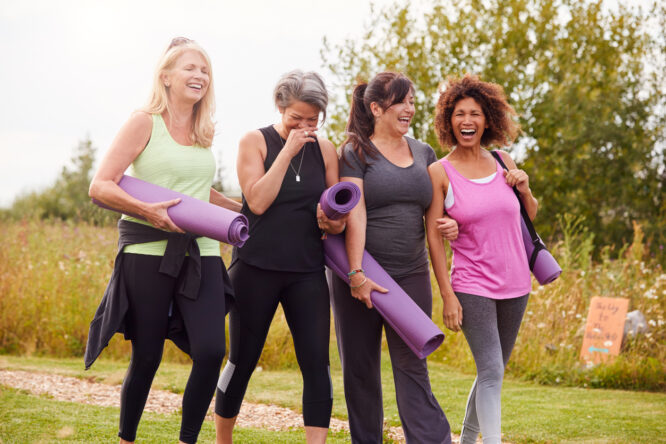
3. You prioritise strong, supportive friendships.
Having even a small circle of reliable, emotionally honest friendships makes a massive difference to how well people age. Emotional connection protects against isolation, supports mental health, and even correlates with lower risks of disease. If you invest in relationships where you can truly be yourself, and feel safe doing so, you’re already ahead of the game. Companionship really does become one of the most protective factors later in life.
4. You move your body regularly, but not obsessively.
Whether it’s walking, stretching, swimming, or dancing in the kitchen, regular movement is one of the strongest indicators that you’ll age well. It maintains strength, balance, circulation, and cognitive function without needing to be intense. People who find joy in movement, not just obligation, tend to stick with it. And the benefits of that consistency show up in everything from mobility to energy levels as the years go on.
5. You don’t chase perfection with your diet.
If you aim for balance, variety, and nourishment rather than strict rules or food guilt, you’re on a sustainable path. People who age well often have a relaxed but thoughtful approach to food. In other words, they listen to their body, not just diet trends. Healthy eating that lasts isn’t about cutting everything “bad”; it’s about knowing what fuels you and treating your body with care, not criticism. That attitude is easier to maintain and more forgiving when life inevitably changes.

6. You laugh a lot, and don’t take yourself too seriously.
Laughter isn’t just a mood booster. It’s also linked to better immune response, pain relief, and even cardiovascular health. People who can find humour in everyday moments, even during stress, often cope better with the emotional weight of ageing. If you’re able to laugh at yourself or find lightness when things go sideways, that mindset keeps you mentally and emotionally younger. It also makes you far more enjoyable to be around, which adds to that social resilience, too.
7. You’ve developed emotional regulation skills.
Reacting with patience instead of immediate anger, being able to name your feelings, and not bottling things up are all signs of strong emotional maturity. That kind of inner steadiness plays a huge role in how you navigate change. Ageing well isn’t just physical—it also comes down to how you handle stress, grief, uncertainty, and evolving relationships without falling apart. If you’ve built emotional tools over the years, you’ll weather the storms much better.
8. You don’t hide from your emotions.
Suppressing sadness, fear, or disappointment might seem like strength, but it often adds weight as time goes on. People who age well give themselves permission to feel the hard stuff, without shame or self-judgement. Being emotionally honest helps prevent the emotional build-up that can lead to burnout, bitterness, or health issues later on. It also allows for deeper, more meaningful connections—another key to thriving long-term.

9. You protect your sleep like it matters.
People who sleep well consistently show better cognitive health, physical repair, and emotional regulation over the years. If you treat sleep as essential instead of optional, you’re already doing a lot to preserve your future wellness. Good sleep habits aren’t about perfection—they’re about priority. Whether it’s winding down without screens, managing stress, or adjusting your room to feel restful, small habits here add up in big ways.
10. You’ve learned to set boundaries without guilt.
Knowing your limits and holding them helps preserve your energy, time, and emotional bandwidth. People who struggle to say no often burn out, while those who respect their own boundaries stay healthier and more centred as they age. Setting boundaries doesn’t mean being rigid or cold. It means choosing where your energy goes and refusing to let guilt run your life. That clarity creates more room for joy, not less.
11. You’re comfortable being alone.
People who age well usually don’t panic at the idea of solitude. They’ve learned that peace, reflection, and rest often happen when they’re not surrounded by other people. That self-sufficiency is a quiet kind of strength. If you enjoy your own company, it means you’re less likely to rely on anyone else for your sense of self-worth or distraction. That steadiness makes transitions, like kids leaving home or relationships changing, feel less destabilising.

12. You take responsibility for your health.
People who stay proactive—getting check-ups, addressing symptoms early, staying curious about their body—tend to age with fewer regrets. Avoidance might feel easier in the moment, but it rarely helps in the long run. If you’re someone who follows up, asks questions, or advocates for your wellbeing, you’re likely to catch things early and feel more empowered over time. It’s not about controlling everything. It’s about being present and responsive.
13. You don’t define yourself by your appearance.
If you’ve developed a sense of identity that isn’t built entirely on how you look, you’re more likely to embrace ageing as it comes. People who tie their worth to youth often struggle as their bodies change—those who value character, wisdom, or humour tend to adapt better. There’s nothing wrong with caring about your appearance. But if you’re at peace with who you are beyond the surface, you’ll move through ageing with more grace, not fear.
14. You still care about purpose.
Whether it’s through work, volunteering, creating, or nurturing other people, a sense of purpose keeps people mentally active and emotionally fulfilled well into old age. It gives structure and meaning to your days, especially as roles and routines change. If you’re someone who likes to contribute, to stay curious, or to create something that matters, big or small, that drive tends to keep you moving forward, even when the world around you slows down.
15. You let go of grudges.
Carrying resentment isn’t just emotionally heavy, it’s physically draining, too. Long-term bitterness is linked to higher stress levels, poor sleep, and even increased risk of chronic disease. People who age well often develop a kind of emotional clarity. They don’t forget what hurt them, but they learn how to release it for their own peace. Letting go doesn’t mean approving. It means freeing yourself.

16. You find ways to adapt instead of resist.
Life changes. Bodies change. Roles change. The people who age well tend to be the ones who stop fighting that reality and learn to bend with it instead. Resilience isn’t about toughness, it’s about flexibility. If you’re open to adjusting your expectations, your routine, or your identity as you grow older, you’re more likely to feel empowered rather than stuck. That mindset makes ageing feel like an evolution, not a decline.
17. You laugh at yourself.
A good sense of humour, especially about your own quirks and missteps, is a powerful buffer against bitterness. It keeps things lighter, even when life gets complicated or your body surprises you in inconvenient ways. If you’ve stopped taking yourself so seriously and can roll with the ridiculous moments, you’re far less likely to get weighed down by shame or frustration. That perspective helps you stay mentally agile, too.
18. You stay connected to nature.
Time outdoors, even in small doses, is shown to reduce stress, improve mood, and regulate sleep—all key ingredients in ageing well. If you make time for sunlight, fresh air, and green spaces, you’re giving your nervous system exactly what it needs to recharge. Nature has a way of grounding us and putting things into perspective. If you already crave it, or make space for it regularly, that connection supports your long-term well-being on multiple levels.

19. You’ve done some emotional housekeeping.
If you’ve worked through your old baggage, learned from your past, or finally stopped blaming yourself for things you couldn’t control, you’re on solid ground. Emotional clarity frees up so much space for living well in the present. People who carry less emotional chaos into later life tend to feel lighter, more confident, and more at peace. If you’ve done the work, or are doing it, you’re giving yourself the best possible foundation for ageing with self-respect and ease.
20. You don’t pretend to be someone you’re not.
Authenticity is a huge part of ageing well. People who feel at home in themselves, who’ve stopped performing for people, tend to move through life with more peace and far less internal conflict. If you know who you are, and you’re okay with it—even if you’re still growing—you’re far less likely to waste energy on comparison, people-pleasing, or trying to fit into roles that no longer serve you. That clarity is what real ageing well looks like.