Being proud to be British doesn’t have to mean draping yourself in flags or shouting about “greatness.”

That’s because real pride isn’t loud or performative; it’s found in the little things that make this country worth loving. It’s the sense of community that still shows up when people need help, the humour that gets us through everything, and the everyday decency that holds the place together far more than politics ever will.
Britain’s at its best when it’s kind, curious and silently resilient, and those things come out when people look out for each other, not get down on each other. We don’t need to wax nostalgic or pretend everything’s perfect because it’s clearly not. However, we should be recognising what’s good right now: the creativity, the compassion, the ability to laugh even when things are falling apart. That’s the sort of pride worth having, and these are the things that actually deserve it.
1. The NHS trained over 311,000 people in CPR last year

Through the online RevivR tool alone, hundreds of thousands of ordinary people learned how to potentially save a life. There are now over 100,000 defibrillators registered on The Circuit, making life-saving equipment more accessible than ever before across the country.
That’s not flashy healthcare, that’s practical preparedness that means someone’s dad might make it through a heart attack because a stranger at the gym knew what to do. The NHS isn’t perfect, but it’s still training an army of everyday heroes.
2. Renewables generated over half of Britain’s electricity for the first time in 2024.

Wind, solar and other renewable sources hit 50.4% of total electricity generation in 2024, up from 46.5% the year before. Wind alone became the single largest source of power at 30%, overtaking gas for the first time in history.
This isn’t just good for the planet, it’s about energy security and stable bills. Britain closed its last coal power plant in September 2024, ending 142 years of coal generation, and the transition actually worked without the lights going out.
3. British music is genuinely world-class right now.

At the 2024 Brit Awards, Raye broke records with seven nominations and six wins in a single night. British artists from Charli XCX to Sam Fender to Ezra Collective are dominating charts globally, and it’s not just pop, it’s across every genre you can think of.
The UK music scene is thriving not despite streaming, but because of how British artists have adapted to it. They’re creating music that travels globally while still sounding distinctly British, and that balance is harder than it looks.
4. Film and TV production bounced back massively.

UK film and high-end TV production spending reached £5.6 billion in 2024, up 31% from the strike-affected 2023. Productions like “Wicked,” “Gladiator II” and “Deadpool & Wolverine” all filmed here, bringing jobs and investment right across the country.
It’s not just Hollywood using British studios, either. Shows like “Baby Reindeer” and “Mr Bates vs The Post Office” proved British television can still create culturally significant work that sparks actual real-world change, with the Post Office drama directly leading to government action.
5. British scientists are at the forefront of gene therapy breakthroughs.

UK doctors reported in 2025 that a new gene therapy can slow Huntington’s disease progression by 75%. British researchers are also pioneering work in CRISPR gene editing and developing treatments that could revolutionize how we tackle inherited diseases.
This isn’t sci-fi, it’s happening in labs across the country right now. The UK’s regulatory framework and research institutions mean British scientists can move from discovery to treatment faster than in many other countries, which matters when you’re racing against devastating illnesses.
6. The British Heart Foundation is smashing research targets.

In 2024-25, the BHF funded over £100 million in groundbreaking research through more than 200 projects. They achieved record-breaking income of £181 million, and BHF-funded research led to quick monitoring for children with deadly heart conditions and explored how AI can reduce underdiagnosis in Black patients.
Their research isn’t just academic, it’s saving actual lives. Over 311,000 people trained in CPR through their programs, and their Heart Helpline saw calls increase by 20%, meaning they’re reaching people who need help when they need it most.
7. British comedy and drama are still setting global standards.

Shows like Douglas Is Cancelled, The Traitors, and Slow Horses are getting international recognition. British television picked up multiple BAFTAs in 2025, with performances from Lennie James, Jessica Gunning and Ruth Jones showing the depth of talent working here.
What makes British TV special isn’t just quality, it’s the willingness to take risks. Where else would you get a show like Baby Reindeer that’s simultaneously a massive hit and deeply uncomfortable, or a satire like “Douglas Is Cancelled” that actually has something sharp to say about media culture.
8. Britain’s offshore wind farms are breaking records.
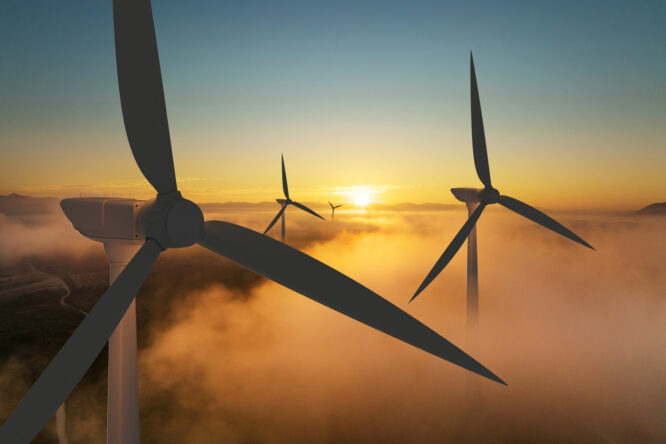
The Dogger Bank Wind Farm is becoming the world’s largest offshore wind facility. Wind power hit a maximum of 68.3% of Britain’s electricity on one day in December 2024, and projects from Ørsted, SSE Renewables and Equinor are bringing billions in investment and thousands of jobs.
This isn’t just environmental virtue signalling, it’s genuine infrastructure that’ll power millions of homes. Britain’s actually building something for the future rather than just talking about it, and the offshore wind industry is becoming an export too, with British expertise heading overseas.
9. The NHS is pioneering AI use in healthcare.

Frimley Health’s AI working group has overseen eight AI deployment projects since 2019, winning national funding for chest radiograph and mammogram AI. These aren’t gimmicks, they’re tools that spot things human eyes might miss and help reduce waiting times.
Britain’s combining its world-class health data with cutting-edge tech in ways that could genuinely transform patient outcomes. The NHS might be overstretched, but it’s still innovating in ways that’ll benefit patients for decades.
10. British independent films had their best year in ages.

UK independent films captured 6.9% of market share in 2024, up from just 3.8% in 2023. That’s a dramatic resurgence, showing British filmmakers can still tell distinctive stories that audiences actually want to see, rather than just feeding the Hollywood machine.
Productions like these keep British film culture alive and give new talent somewhere to develop without needing to immediately appeal to global audiences. That diversity of voices matters, and the fact it’s growing rather than shrinking is genuinely worth celebrating.
11. Britain’s carbon intensity hit record lows.

The UK’s electricity carbon intensity averaged just 125g CO2 per kilowatt-hour in 2024, down from 419g in 2014. That’s a genuine achievement that means every time you switch on a light or charge your phone, you’re having less environmental impact than you would’ve a decade ago.
Critics can argue about whether it’s fast enough, but the direction is clear and accelerating. Britain’s not just talking about net zero, it’s actually moving the numbers in the right direction year after year.
12. Low-carbon energy now accounts for 65% of electricity.

When you combine renewables with nuclear, low-carbon sources generated 65% of Britain’s electricity in 2024. Fossil fuels fell to levels last seen in the 1950s at just 31.5%, showing the energy transition isn’t some distant aspiration, it’s actually happening.
That shift happened faster than most experts predicted even five years ago. Britain went from being heavily coal-dependent to coal-free in basically a generation, proving rapid change is possible when there’s political will behind it.
13. British universities are producing world-class research.

Oxford researchers picked up four Royal Society Awards in 2025 for work ranging from evolutionary biology to artificial intelligence. UK Biobank, involving 500,000 participants, generated over 5,000 scientific papers in 2024 alone and is being used by 20,000 researchers worldwide.
British research institutions punch well above their weight globally. They’re not just doing academic work for its own sake, they’re generating insights that inform policy, develop treatments, and push human knowledge forward in practical ways.
14. Our TV channels still make telly that matters.

“Mr Bates vs The Post Office” aired on New Year’s Day 2024 and within weeks had sparked government action, compensation plans, and a complete rethink of how the scandal was being handled. That’s the power of public service broadcasting when it’s done right.
Love it or loathe it, only Britain that could’ve made that show and got it in front of millions of people on a bank holiday. The TV companies are imperfect, but shows like that prove why having channels that answer to the public still matters.
15. British theatre keeps discovering and developing talent.

From the West End to regional theatres, Britain’s stage scene continues producing actors, writers, and directors who go on to work globally. Sharon D Clarke’s rise from supporting roles to leading performances shows how British theatre gives people space to develop over years rather than demanding instant stardom.
Theatre might not get the attention film and TV do, but it’s still where a lot of the best British talent cuts their teeth. The ecosystem of venues from fringe theatres to the National means there’s a pathway for people to develop craft rather than just chasing viral fame.
16. Britain’s leading on medical trial innovations.

British researchers are testing everything from mRNA vaccines for bird flu to olive oil-derived drugs for brain cancer. The UK’s regulatory framework and research infrastructure mean clinical trials can move faster here while maintaining safety standards.
When global pharmaceutical companies need somewhere to test cutting-edge treatments, Britain’s often near the top of the list. That’s not just about research excellence, it’s about patients getting access to potentially life-changing treatments years before they’re widely available.
17. Solar power is finally having its moment
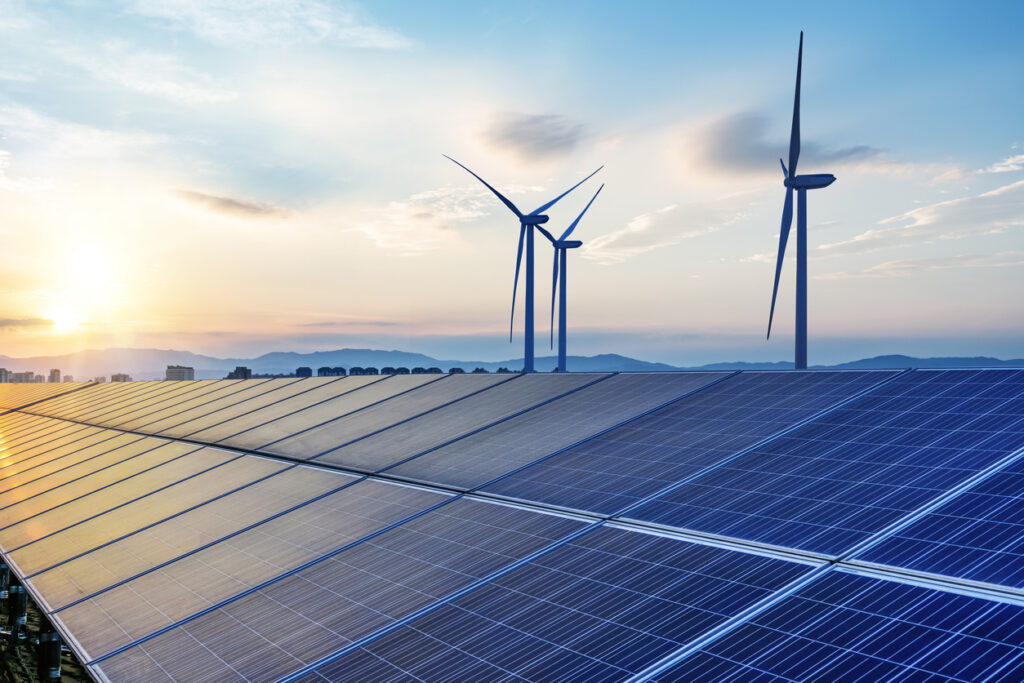
Solar generation surged 32% in the second quarter of 2025, hitting a record 11% share of total generation during Britain’s sunniest spring on record. New capacity is coming online nationwide, from massive farms to rooftop installations.
Britain’s reputation as grey and rainy made people sceptical about solar for years, but it turns out you don’t need Mediterranean sunshine for solar to work. The technology’s improved enough that even British weather can generate serious amounts of clean power.
18. British innovation in clinical practice is saving lives.

The Wessex Kidney Centre transformed chronic kidney disease management using MyRenalCare digital health, increasing outpatient capacity by 33% while reducing costs by 25%. Nottingham University Hospitals opened the UK’s first Orthopaedic Frailty Admission Unit, pioneering better care for elderly patients.
These aren’t headline-grabbing breakthroughs, they’re the kind of practical innovations that mean better outcomes for thousands of patients. British healthcare professionals are constantly finding ways to do more with less, which matters when resources are tight.
19. Britain’s music education and development is thriving.

Myles Smith won Rising Star at the 2025 Brits, following a pattern of British talent pipelines consistently producing world-class artists. From youth orchestras to garage producers, Britain’s got pathways for musical talent that don’t all require expensive formal training.
The British music scene’s diversity is its strength. You can go from bedroom producer to international success, or spend years developing craft in smaller venues before breaking through. That ecosystem of support and opportunity is genuinely special.
20. British scientific institutions are tackling global challenges.
UK researchers are working on everything from extracting 1.5 million-year-old ice cores in Antarctica to developing the first fully 3D-printed microscope. British Antarctic Survey is pushing boundaries in climate research, while British labs are pioneering new materials and sustainable technologies.
Britain’s scientific output per capita is among the highest in the world. These aren’t vanity projects, they’re efforts to understand and solve actual problems facing humanity, from climate change to disease to resource scarcity. That work matters, and Britain’s still at the forefront of it.