Some people get energy from buzzing crowds and constant company.

However, others thrive in their own space, doing their own thing, without needing to explain themselves. Being alone isn’t a guarantee of isolation or sadness for them. Instead, it’s where they feel most grounded. And those who genuinely enjoy their own company often share a bunch of rare, underrated traits that don’t always get recognised. Here are just some of the qualities that tend to show up in people who truly love spending time solo.
1. Deep self-awareness
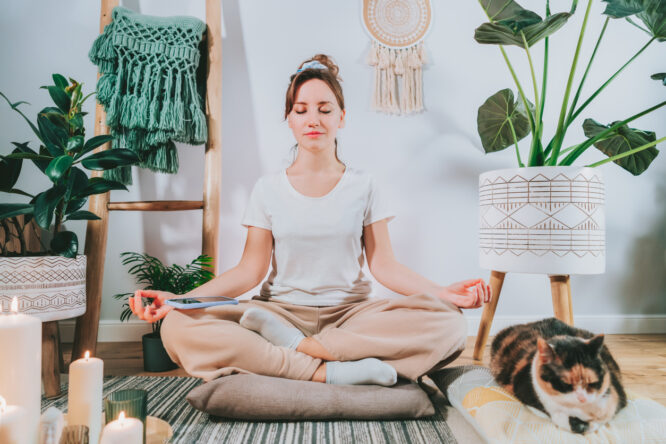
People who enjoy solitude tend to know themselves incredibly well. They spend so much time in their own head that they’ve learned what makes them tick, what triggers them, and what they actually want, not just what other people expect. That level of self-awareness makes them more intentional with their time and energy. They’re not easily swayed by trends or peer pressure because they’re already clear on who they are without external input.
2. High creativity

Being alone gives the brain space to wander, invent, and connect dots without interruption. A lot of highly creative people find their best ideas come when no one else is around. It’s not that they desperately need silence, but they appreciate the freedom to think weird, abstract thoughts without explaining them mid-process. That space often leads to incredibly original ideas and problem-solving.
3. Strong personal boundaries

People who value alone time tend to be better at saying no. They know what drains them, and they’re not afraid to protect their space, even if it means disappointing someone. It doesn’t mean they’re cold or antisocial; it means they know how much energy they have to give and don’t pretend otherwise. That clarity helps them avoid burnout and resentment.
4. Low tolerance for small talk

They’re not rude, they just don’t find shallow conversation fulfilling. People who like being alone usually prefer deeper, more meaningful exchanges over constant chatter about the weather or someone’s cousin’s holiday plans. This makes their social interactions more intentional. When they do open up, it’s real, not just polite noise to fill the gap.
5. Emotional independence

They don’t need constant validation to feel okay. People who love their own company often have a strong internal compass that guides their decisions and moods, even when no one else is cheering them on. That doesn’t mean they don’t appreciate support. It just means they’re not lost without it. They’re good at cheering themselves on from the inside out.
6. Heightened sensitivity to overstimulation

Solitude lovers tend to pick up on noise, tension, and chaos more than most. It’s not always a sensory thing; it’s often emotional. Crowds, conflict, or constant input can feel overwhelming fast. That’s part of why being alone feels peaceful to them. It’s not avoidance, it’s regulation. It helps them stay grounded in a world that can sometimes feel like too much.
7. Thoughtful decision-making

They don’t rush into things. When you’re used to processing life without the noise of constant opinions, you develop a habit of pausing, thinking, and weighing things up fully. This leads to fewer regrets, not because they’re perfect, but because their choices tend to be more aligned with their actual values, not someone else’s urgency or expectations.
8. Comfort in silence

Awkward silences don’t bother them. In fact, they often prefer them to forced conversation. People who enjoy being alone don’t fill space just for the sake of it. They’re happy to sit quietly, and they’re okay if you do too. This can actually make people feel more relaxed around them. There’s no pressure to perform or entertain. It’s just calm presence.
9. Fierce curiosity

Alone time often means time to explore. Whether it’s reading, researching, creating, or observing, solitude gives curious minds the freedom to dive deep into things that fascinate them. People who enjoy being alone often end up knowing a lot about very specific things, not because they’re trying to impress anyone, but because they genuinely love learning on their own terms.
10. No need for constant plans

They don’t panic when there’s a weekend with nothing on the calendar. In fact, they might look forward to it. People who love being alone aren’t scared of stillness or open time because they see it as an opportunity. That flexibility often makes them easier to be around when plans change. They’re used to adapting because their happiness doesn’t rely on external entertainment.
11. Strong sense of identity

Without a crowd constantly shaping their choices, people who love solitude often develop a more solid sense of who they are. They make decisions based on their own values, not the fear of being left out. That inner stability can make them seem calm and grounded even when life gets messy. They’re not easily thrown off course by fads or outside opinions.
12. Enjoyment of slow, simple things

They tend to find joy in the small stuff—a good coffee, a walk, a quiet morning without anyone needing anything from them. It’s not about being boring. It’s about being tuned in to the present moment. That kind of appreciation doesn’t need an audience. It comes from a mindset that sees richness in simplicity, not just excitement in chaos.
13. Loyalty in relationships

They might not have a million friends, but the connections they do have are deep. Because they’re picky about how they spend their energy, they don’t waste time on relationships that don’t feel real. That makes them incredibly loyal. If you’re in their inner circle, it’s because they genuinely want you there, not because they’re afraid to be alone.
14. Willingness to sit with uncomfortable feelings

When you’re alone a lot, you inevitably come face-to-face with your own thoughts and emotions. People who embrace solitude usually get better at feeling things fully, even the hard stuff. That emotional tolerance means they don’t always need to distract themselves or run from discomfort. They can sit with it, learn from it, and come out the other side calmer and wiser.
15. Inner resourcefulness

They’re the kind of people who figure things out quietly. Whether it’s fixing something, managing their emotions, or solving a personal dilemma, solitude teaches them to look inward first. Their self-sufficiency doesn’t mean they’re closed off. It just means they trust their own mind and instincts, which is a huge asset in a noisy world.
16. Tendency to observe before engaging

Rather than jumping into conversations or crowds, solitude-lovers often watch, listen, and absorb first. They’re slow to speak, but when they do, it’s usually thoughtful and well-timed. This makes them excellent judges of character. They notice things other people don’t because they’re not distracted by the need to be seen or heard right away.
17. Better recovery from emotional overwhelm

Because they know how to step back and recharge, they often bounce back quicker from stress or emotional overload. Time alone isn’t just their preference. It’s part of how they regulate. That ability to recover without drama makes them more emotionally stable in the long run, even if they feel things deeply in the moment.
18. Less afraid of missing out

They don’t live in fear of the group chat going on without them or missing the latest trend. People who enjoy solitude tend to be more selective with their time and trust that what’s meant for them will find them. That doesn’t mean they never feel left out, but they don’t let FOMO run their life. Peace beats performance every time.
19. Less likely to settle in relationships

If you enjoy being alone, you’re not likely to date someone just for the sake of not being single. Solitude-lovers are usually comfortable enough with themselves that they’d rather wait than compromise. This means when they do commit, it’s with intention, not out of fear, boredom, or pressure. They’re not looking for someone to complete them, just someone who respects their space.
20. Clearer life priorities

Time alone gives people the chance to reflect on what actually matters, not just what looks good on paper. Solitude creates the space to ask, “Is this the life I want?” and make changes if it isn’t. Clarity like that doesn’t always come easily when you’re caught up in the noise of other people’s lives. But for those who love their own company, it often becomes second nature.