We all have beliefs about Britain that feel like obvious facts.

These are things everyone knows, things we’d argue about down the pub, things that shape how we vote and what we worry about. Of course, a lot of what we think we know about our own country is just plain wrong. The gap between what Brits believe and what’s actually true is massive, especially when it comes to immigration, the economy, the NHS, and what Brexit has actually delivered.
These misconceptions aren’t harmless either, they shape politics, fuel anger, and make us vote for policies based on problems that don’t exist while ignoring the real ones. Here are the things most Brits get completely wrong about our country.
1. We think way more people are immigrants than actually are.

Ask the average Brit what percentage of the UK population are immigrants, and they’ll massively overestimate. Most people think it’s around 20% to 30%. The actual figure is about 14%. We’re not even close to accurate about the basic numbers of who lives here.
That massive overestimation drives a lot of political anger and voting decisions based on a version of Britain that doesn’t exist. When you think immigration is twice what it actually is, your view of the country and its problems gets distorted. The perception gap is huge and it matters.
2. We think Muslims make up 15% of the population.

Polling consistently shows Brits think about 15% of the UK population is Muslim. The actual figure is under 7%. We’re overestimating by more than double. This isn’t about one or two people being wrong, it’s a widespread national misconception.
This misperception feeds into debates about integration, culture, and religion in ways that aren’t based on reality. When you think there are twice as many Muslims as there actually are, your sense of demographic change is completely off.
3. We massively overestimate asylum seekers and refugees.
Most Brits think asylum seekers and people in small boats make up the largest portion of immigration. In reality, asylum seekers are a fraction of total immigration. Students, workers, and family members make up the vast majority. Legal immigration vastly outnumbers asylum claims.
The focus on small boats has created the impression that asylum seekers are the main immigration story, when they’re actually a small part of it. This misconception shapes the entire political debate, while also missing where most immigration actually comes from.
4. We think Brexit reduced immigration.
One of the main Brexit promises was reducing immigration. Many people who voted Leave expected numbers to drop. Instead, net migration hit record highs after Brexit, reaching over 700,000 in some years. Immigration went up dramatically, not down.
Brexit changed where immigrants come from, swapping EU migrants for more from Asia and Africa, but it absolutely didn’t reduce overall numbers. Anyone who thought Brexit would mean less immigration has been proved completely wrong by the actual data.
5. We think the NHS got £350 million a week from Brexit.
The Leave campaign’s big red bus promised £350 million a week for the NHS if we left the EU. People remember that promise, and some still believe it happened. It didn’t. The NHS didn’t get that money, and the figure was misleading from the start.
The NHS is actually under more strain now than before Brexit, partly because EU healthcare workers left and recruitment became harder. The promise that convinced millions of people to vote Leave turned out to be completely false.
6. We think we’re overrun compared to other European countries.

Many Brits think we take more asylum seekers and refugees than other European countries. We don’t. France, Germany, and Sweden all take far more. Germany takes over 60,000 asylum applications annually, while we take fewer. We’re actually towards the lower end in Europe.
The UK hosts about 1% of the world’s refugees. Countries like Turkey host 10 times what we do. The idea that Britain is uniquely burdened compared to our neighbours is completely wrong, but it drives huge amounts of political anger.
7. We think asylum seekers get loads of benefits.
There’s a widespread belief that asylum seekers get generous benefits and housing. The reality is asylum seekers get £49.18 per week per person, they’re not entitled to regular benefits, and they can’t work while waiting for decisions. They live on far less than anyone on Universal Credit.
They also don’t get priority for council housing. They’re housed in asylum accommodation, often shared and basic. The idea that asylum seekers are living well off the state is completely divorced from the actual support they receive.
8. We think crime is going up when it’s falling.

Most people think crime is rising and Britain is getting more dangerous. Long-term crime statistics show most types of crime have fallen dramatically over the past two decades. We’re safer than we were in the 1990s and 2000s by most measures.
The perception that everything’s getting worse doesn’t match the data. Yes, some types of crime like knife crime in specific areas are concerns, but overall crime is down. Our sense of rising danger is more about media coverage than actual trends.
9. We think Brexit made us richer.

Some people still believe Brexit was economically beneficial, or at least neutral. Every major economic analysis shows Brexit has cost the economy billions. Trade has been damaged, investment has fallen, and GDP growth has been lower than it would have been if we’d stayed.
The promised economic benefits haven’t appeared. We’re not signing amazing trade deals that replace what we lost with the EU. The economic case for Brexit has fallen apart, but many people haven’t updated their beliefs to match reality.
10. We think the EU was our biggest problem.

Before Brexit, many Brits blamed the EU for everything wrong with the country. Now we’ve left, and the problems haven’t gone away, they’ve often got worse. Housing, NHS, cost of living, all the issues people blamed on the EU are still here or worse.
Leaving the EU didn’t magically fix anything because the EU wasn’t actually causing most of our problems. The issues were domestic policy choices. But it’s easier to blame an external boogeyman than face that we’ve been making poor choices ourselves.
11. We think London is all that matters.
People outside London often think everything revolves around the capital and all the money goes there. While London does get significant investment, it also generates a massive portion of UK tax revenue. London essentially subsidises much of the rest of the country financially.
The resentment towards London is understandable because other regions are neglected, but the idea that London just takes and doesn’t give back is wrong. The problem is more about how wealth generated in London isn’t redistributed effectively to left-behind areas.
12. We think we’re not racist.

Many white Brits genuinely believe Britain isn’t a racist country because we’re not as bad as we used to be or as bad as other places. People of colour in Britain experience racism regularly. The data on employment, housing, policing, and healthcare all show racial disparities.
Saying we’re not racist because we’re better than the 1970s sets the bar incredibly low. The Windrush scandal, the higher death rates for Black women in childbirth, discrimination in hiring, it all shows racism is still a real problem here.
13. We think British food is terrible.

Even Brits repeat the stereotype that British food is rubbish. The UK has 169 Michelin stars and incredible regional cuisine if you actually look for it. Sunday roasts, pies, proper fish and chips, regional cheeses, British food is genuinely good when done properly.
We’ve internalised an outdated stereotype based on post-war rationing and bad school dinners. Modern British food culture is thriving, but we’re the first to put ourselves down about it. We believe the stereotype more than foreigners do.
14. We think we’re all living in London.
Foreigners assume everyone in Britain lives in London, but plenty of Brits have the same skewed perception. Only about 14% of the UK population lives in London. The other 86% are spread across the rest of England, Scotland, Wales, and Northern Ireland.
London gets disproportionate attention in media and politics, which makes it feel like it’s the whole country. But the vast majority of Brits don’t live there, and their experiences are completely different from London life.
15. We think the weather is uniquely awful.

Brits love complaining about the weather, and many genuinely believe our weather is uniquely terrible. It’s not. The UK gets about 1,154 mm of rainfall annually, which is nowhere near the wettest places globally or even in Europe. We just get more grey days than sunny ones.
We’ve made weather misery part of our identity, but the actual climate is pretty mild. We don’t get extreme heat or cold, massive storms are rare, and it’s not even that wet compared to mountainous areas. It’s just consistently mediocre, which feels worse than occasional dramatic weather.
16. We think everyone has bad teeth.

The British bad teeth stereotype is so ingrained that even we believe it. The data shows British dental health is actually better than American dental health, particularly in children. We have fewer missing or decayed teeth according to official statistics.
The stereotype comes from us valuing natural-looking teeth over ultra-white artificially perfect American-style veneers. Our dental health is good, we just don’t prioritise cosmetic perfection. But the myth persists despite being completely false.
17. We think the Royal Family has no real power.
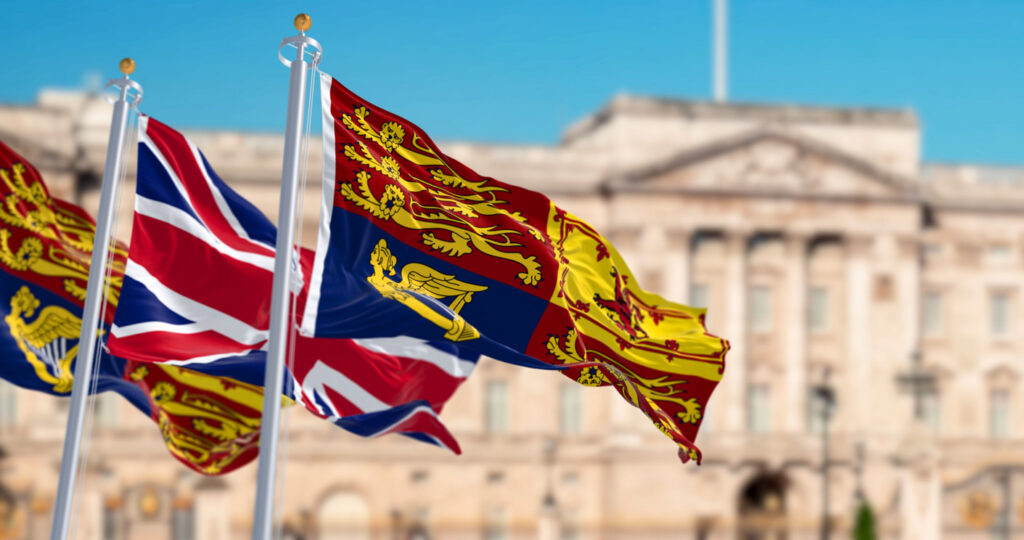
Most Brits believe the monarchy is purely ceremonial and symbolic, with no actual power. The King actually has significant constitutional powers including suspending Parliament, vetoing laws, appointing ministers, and declaring war. These powers exist, even if they’re rarely used.
We tell ourselves the royals are just for tourism and tradition, but they have legal powers that would be shocking in any other democracy. We’ve convinced ourselves they’re powerless because they usually don’t use their power, but that’s not the same as not having it.
18. We think Brexit brought back sovereignty.
Taking back control and restoring sovereignty were huge Brexit selling points. In practice, we’ve replaced EU influence with dependence on other countries for trade, lost influence over EU decisions that still affect us, and made ourselves economically weaker and thus more vulnerable.
Sovereignty sounds great until you realise it means less actual power on the world stage, not more. We can make our own rules, but we’re a smaller player with less leverage. The abstract concept of sovereignty hasn’t translated into practical benefits.
19. We think immigrants don’t contribute economically.
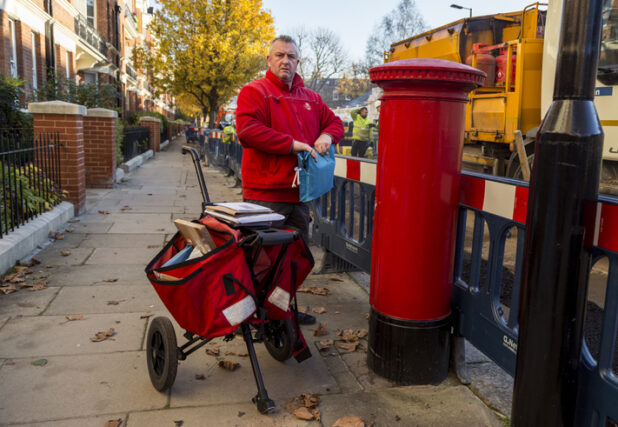
There’s a persistent belief that immigrants are a drain on resources and take more than they give. Study after study shows working-age immigrants contribute more in taxes than they use in services. They’re net contributors to the economy, especially EU migrants who were here before Brexit.
Immigrants are disproportionately working age, they’re less likely to need healthcare and pensions than the ageing British population, and they fill crucial workforce gaps. The economic argument against immigration falls apart when you look at actual fiscal data.
20. We think we’d be fine without immigrants in key sectors.
Many people say we should train British workers instead of relying on immigrants. When asked about specific sectors like NHS, social care, agriculture, hospitality, suddenly people don’t want restrictions on those workers. We want less immigration in the abstract, but not in the specific sectors we actually need.
Without immigrant workers, the NHS would collapse, care homes would close, and food would rot in fields. We’ve structured our economy around immigrant labour in low-paid essential work. The fantasy that we’d be fine without them doesn’t survive contact with reality.