For years, choosing not to have kids was met with raised eyebrows, condescending comments, or the classic “you’ll change your mind.”

However, things have finally changed. More people are not only making that choice confidently, they’re being met with far more understanding than ever before. Whether it’s because of the cost of living, climate anxiety, or just personal preference, deciding not to start a family is finally getting treated as a legitimate, thoughtful decision rather than something that needs to be fixed.
Here’s why the childfree choice is no longer a taboo, and why that matters more than people think.
The cost of raising children is no longer a footnote, it’s a headline.

Let’s be honest: in the UK right now, raising kids is extortionate. Between housing, childcare, food, school trips, and just the basics, it’s no longer something people can take on “just because.” The financial realities are impossible to ignore.
Choosing not to have kids isn’t selfish, it’s often sensible. It’s a decision made with full awareness of what’s required, and people are finally recognising that not bringing a child into a situation you can’t sustain is an act of responsibility, not recklessness.
More people are openly admitting that parenthood isn’t for them.

It’s no longer rare to hear someone say they simply don’t want kids, and not in a defensive way, but with calm certainty. The stigma is starting to lift as more people realise it’s okay not to explain, justify, or sugarcoat their reasons. That growing confidence is helping other people feel less alone in their decision. Saying “it’s not for me” without being made to feel like you’re broken is a big change, and a necessary one.
Climate anxiety has entered the conversation.

Many younger people are deeply worried about the future of the planet, and for some, that concern extends to having children. Bringing a new life into a world facing rising temperatures, food insecurity, and political instability is a huge ethical question.
Whether you agree with that logic or not, it’s a valid reason, and more people are recognising it as such. Parenthood isn’t just personal anymore; it’s tied into the bigger picture. And opting out is no longer being brushed off as fear or exaggeration.
People are tired of watching exhausted parents struggle without support.
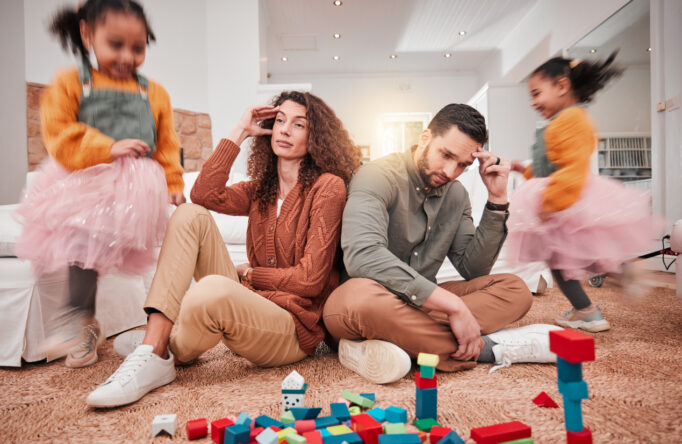
The harsh truth is that modern parenting looks exhausting, especially in the UK, where affordable childcare and work-life balance are rare luxuries. People see their friends and siblings burned out, unsupported, and under pressure. This doesn’t inspire confidence. It makes the childfree choice seem not just understandable but smart. It’s a decision many make after witnessing the emotional and financial toll parenting can take without a proper support system in place.
Women are being believed when they say they don’t want kids.

For decades, women saying “I don’t want children” were met with eye-rolls and unsolicited lectures about their biological clock. But now, that dismissal is being challenged by other women, by younger generations, and increasingly, by healthcare professionals. The narrative is changing from “you’ll regret it” to “that’s your choice.” Plus, it’s making space for women to explore other forms of fulfilment without being patronised or second-guessed at every turn.
More media is reflecting the childfree experience.

Films, shows, and even social media creators are starting to showcase people who choose not to have kids, and not just as selfish villains or lonely weirdos. They’re whole people with full lives, and they’re not apologising for it. That visibility is helping to normalise the decision. The more we see childfree people represented in diverse, relatable ways, the easier it becomes to view the choice as a valid and even empowering one.
Being childfree no longer means being joy-free.

Old stereotypes painted childfree adults as bitter, lonely, or immature. Now, life without kids being reclaimed as something joyful, rich, and meaningful—just different from the traditional path. Travel, hobbies, deep friendships, freedom, purpose—these things are being recognised as legitimate forms of happiness. Choosing not to parent doesn’t mean missing out on life. In many cases, it means living it more intentionally.
More people are sharing their regrets about parenthood, honestly.

It’s still taboo, but more parents are quietly admitting they weren’t ready, or that they struggle with the path they chose. These honest reflections, often shared anonymously, are creating room for other people to stop and think more critically about what they want. While parenthood can be beautiful, it isn’t always fulfilling for everyone, and people are finally being allowed to say that without being crucified. That honesty is helping to balance out the pressure to conform.
There’s less pressure to follow a life script.
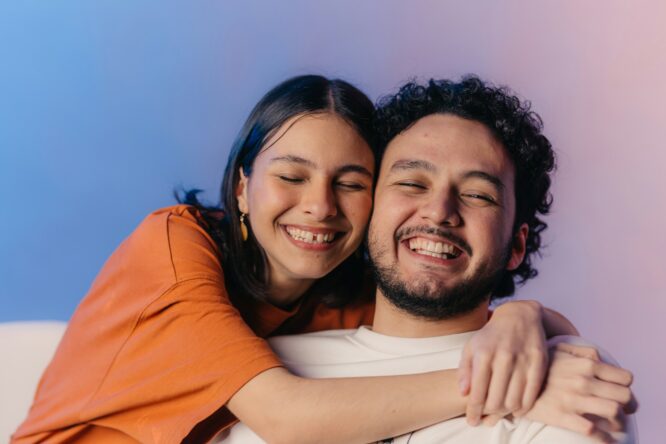
It used to be: school, job, marriage, kids. Deviate, and people got suspicious. However, those rigid timelines have been breaking down, especially post-pandemic. More people are living in alternative ways, and it’s not seen as rebellious anymore. Instead, it’s seen as reality. Not having kids isn’t a sign of immaturity or a “failure to launch.” It’s one of many valid ways to structure your life, and fewer people feel the need to tick the same boxes their parents did.
Childfree people are finally saying “no” without guilt.

The emotional guilt trip—“But who will take care of you when you’re older?” or “You’re missing out on the most important experience!”—used to carry more weight. Now, people are pushing back. They’re creating lives they love, and they’re not sitting around waiting for approval. Choosing not to parent doesn’t mean you lack meaning, and for the first time, that truth is being said out loud without shame.
Relationships are being redefined beyond parenting.

Some couples are deciding not to have kids, and it’s no longer seen as a problem to be solved. Relationships are being celebrated for what they are, not just what they produce. This opens up new forms of partnership that don’t revolve around family planning. It creates room for intimacy, adventure, and long-term goals that aren’t tied to raising the next generation.
People are prioritising mental health over societal pressure.

For many, the thought of becoming a parent brings up real fear, not because they dislike children, but because they know their limits. Mental health struggles, trauma, or simply overstimulation make the idea of constant caregiving overwhelming. Respecting those limits isn’t selfish. In reality, it’s emotionally intelligent. And people are finally beginning to respect that knowing yourself well enough to say “no” is just as valid as saying “yes.”
The definition of legacy is expanding.

Legacy used to mean having kids to carry on your name. Now, people are seeing legacy in mentorship, art, friendships, activism, and impact. It’s about what you create, how you love, and what you leave behind, not just your DNA. This broader view is freeing. It allows people to invest in life in ways that aren’t tied to parenting, while still feeling connected to something bigger than themselves.
The conversation has moved from defence to celebration.

In the past, being childfree came with defensiveness. People braced themselves for judgement and criticism. But now, the tone is changing. More people are celebrating it as a conscious, empowering choice. It’s not about hating children or rejecting family. It’s about choosing what fits, and refusing to follow a life plan that doesn’t feel like yours. And finally, that choice is being met with understanding instead of disbelief.