Loneliness in the UK has slowly but surely become a national issue—it’s no longer limited to pensioners in quiet towns.

Tech-made connectivity won’t fill the gap left by meaningful interaction, and with cultural and economic changes piling up with every passing day, more people feel isolated than ever. Here are some of the common, interconnected reasons why loneliness is rising, and why it’s starting to feel like it’s everywhere you look.
1. Remote work still exists, and the coffee chats are gone.

Working from home used to seem like nirvana, but for many, it’s come with a cost. Those spontaneous kitchen conversations and impromptu lunch outings have faded, leaving people sat in silence with just Slack threads for company. Even the occasional office visit can feel hollow when social bonds have been replaced by screens. Without casual interaction built into the day, building genuine rapport becomes much harder, and loneliness slips in.
2. Digital friendships don’t always translate into real connection.

It’s easier than ever to “keep in touch” online, but liking someone’s Insta story doesn’t count as real conversation. A chat thread can’t fill the space that a coffee meet-up or shared weekend outing does. We all have virtual buddies, but loneliness isn’t about the number of followers. It’s about the lack of presence, touch, and eye contact. Without those, relationships feel thinner than ever.
3. There’s increased urban isolation despite city crowds.

Cities used to promise anonymity, but now they’re delivering fragmentation. Blocks of flats, commuters-crowded trains and strangers behind closed doors create an effect that’s busy and lonely all at once. Despite physical proximity to thousands of people, the chance of bumping into a neighbour, saying hello in the street or sharing a local event is far lower than it used to be. That anonymity slowly empties out community feeling.
4. Rising living costs force people into cramped spaces.

High rents and mortgage rates have pushed many into shared flats or multi-generational homes, but paradoxically, less personal space means less emotional space, too. When you’re sharing walls 24/7, it’s easy to withdraw internally because everyone’s simply doing their own thing. Even if you aren’t physically alone, emotional solitude creeps in fast.
5. People are starting families later, with less built‑in social structure.

The average age for first-time parents climbs every year, and the rituals and routines—toddler groups, school gates, birthday parties—that naturally build social ties arrive much later, if at all. Without those built-in connections, friendships fragment. There’s less structured time with other parents, neighbours or schoolmates, and much more time left unfilled.
6. Social media creates highlight‑reel loneliness.

Seeing other people’s curated lives can feel like being left at the station with your suitcase. A hundred holiday selfies and perfect family snaps can exaggerate the feeling that everyone else has it better. That constant comparison makes loneliness feel like failure, like you’re the only one not invited to the party. That perception, even if inaccurate, hurts just the same.
7. People are less rooted—more mobile, less connected.
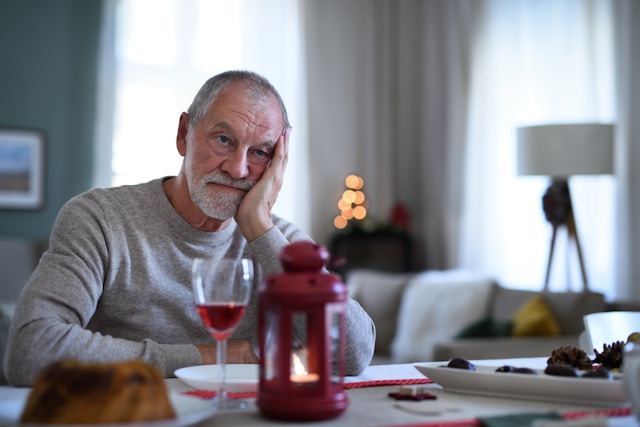
Whether through university, work or housing pressures, people move around more often than ever. That’s freedom, but also lost networks. Neighbours change, local friendships don’t form, community ties fray. Each new place means starting again. For many, that repetition leads to less investment and more emotional distance, which is a a long-term recipe for loneliness.
8. There’s been a major decline of traditional clubs and social spaces.
From church groups to amateur dramatics, pub quiz nights to community allotments—the social glue is disappearing. Membership fees, volunteer burnout, and closure of local hubs mean fewer ways to connect offline. When these groups vanish, so do the rituals that help you belong. Without shared space or common purpose, we end up watching other people live life together over the fence, but never actually joining in.
9. Stigma around loneliness stops us reaching out.

Admitting you’re lonely can feel shameful, like a public failure. We’re reluctant to say it out loud, often because we don’t want others to see us as needy, weak, or ungrateful. When reaching out feels like admitting something’s wrong with us, it becomes easier to stay silent. Sadly, silence only reinforces the feeling that we’re the only ones struggling.
10. Mental health struggles make socialising harder.

Depression, anxiety, social phobia—hey often lead to turning inward. Social life can feel like a chore. Before long, people stop putting themselves out there altogether. Of course, the more you pull away, the harder it feels to go back. Loneliness and mental health feed each other, creating a cycle that can be hard to break without support.
11. Remote services are replacing in‑person ones.

GPs, councils, even banks have moved largely online, and while it’s convenient for many, it also means fewer places where you run into someone familiar. Without those casual “hello” moments at the surgery, library, or post office, community connection dies. The left turn to loneliness often starts with a right swipe on an app.
12. Personal interests are becoming siloed rather than shared.

Geek gyms, boutique workshops, niche fandoms—hobbies can be great, but also isolating if they’re done solo or online only. It’s easy to dive into something you love, and then realise you’re doing it alone. Without shared schedules or physical community, personal hobbies can add to the noise rather than the connection. Online groups help… until you miss face-to-face nods, laughter, or real-time reactions.
13. There’s a high value placed on individualism over community.

“Follow your path,” “self-care above everything”—these messages can feel freeing, but also subtly encourage us to prioritise ourselves over collective moments. When being independent becomes the goal, community becomes optional. If you tie your happiness too tightly to self-actualisation, helping neighbours or getting involved can start to feel selfish or burdensome.
14. Increasing care demands are draining social reserves.

Looking after elderly relatives, disabled family members, or toddlers full-time leaves little energy for anything else. Carers often fade from social life—not by choice, but by exhaustion. Plus, guilt compounds things. Many feel they’re letting friends down by missing meet-ups, so they say they’re “too busy,” even when they just don’t have the emotional bandwidth left.
15. There seems to be a cultural fear of talking to strangers.

Polite nods to neighbours are one thing, but proper interaction is uncommon. Many worry coming off as nosy, weird, or even dangerous—a fear reinforced by media stories, social messaging, and sometimes abuse of trust. So instead of a chat in the queue or a quick coffee with a new face, we default to silence. That barrier between “you” and “them” grows, and loneliness quietly spreads through the cracks.