Japan’s one of those places where every season feels like a whole different experience—blossoms in spring, blazing leaves in autumn, snow-covered temples in winter, and buzzing festivals in summer. So the question isn’t just “when should I go?” It’s really “what kind of Japan do I want to see?” While it’s ultimately up to the individual to decide what time of year is right for their trip, here are some of the highlights, quirks, and crowd levels of each time of year, so you can figure out the best time for you to make that trip.
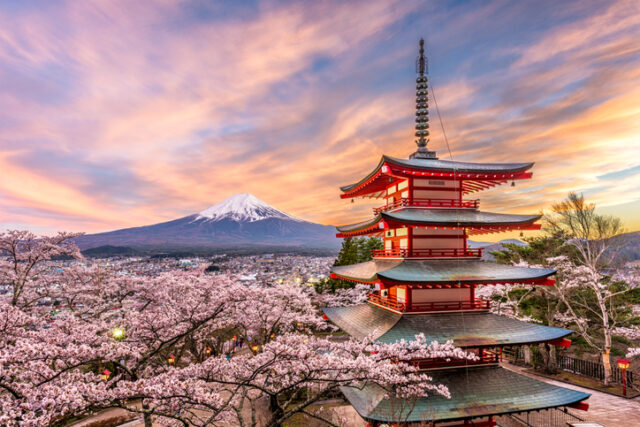
Cherry blossom season (late March to early April)
This is arguably the most iconic time to visit. Cities and countryside alike are dusted in soft pink sakura blossoms, and there’s a festive, dreamy mood across the country. Parks fill up with picnic-goers, and even everyday train rides feel cinematic with cherry trees lining the tracks.
The flip side is that it’s also one of the busiest times, with both tourists and locals heading out to catch the fleeting blooms. Accommodation can book up fast, especially in Kyoto and Tokyo, so plan ahead, and be ready for crowds. Still, if you’ve always dreamed of seeing Japan at its prettiest, this is it.
Golden Week (late April to early May)
Golden Week is a cluster of public holidays, meaning it’s a time when Japanese people take holidays, travel around the country, and major cities feel packed. Trains, hotels, and attractions can get hectic, and prices often spike.
That said, it’s also a vibrant time to be in Japan. Festivals, parades, and traditional performances are everywhere, and the weather’s usually mild and sunny. If you’re organised and don’t mind the energy, you’ll find lots to enjoy. Just book everything well in advance.
Summer festivals (July to August)
Japan comes alive in the summer with fireworks festivals, yukata (summer kimono), street food, and traditional dancing. Cities like Kyoto, Osaka, and Tokyo host incredible matsuri (festivals) that feel like stepping into another world.
But let’s be honest—summer in Japan is hot and humid. You’ll sweat, a lot. It’s not the easiest weather for sightseeing unless you pace yourself, stay hydrated, and embrace a slower travel style. If you’re after cultural immersion more than comfort, though, summer delivers in spades.
Autumn foliage season (mid October to early December)
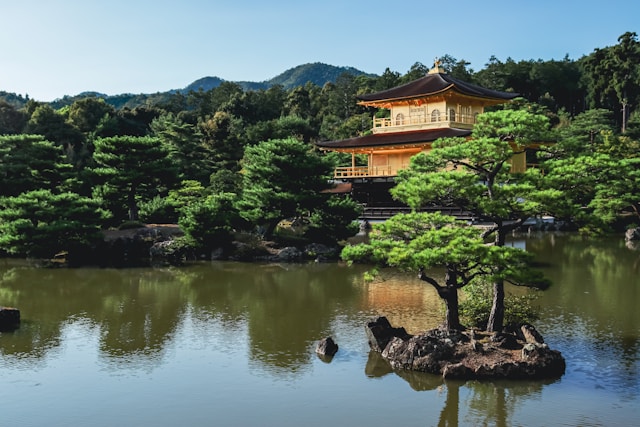
If spring’s all about pink, autumn is where the reds, oranges, and golds take over. Japanese maples (momiji) light up parks, temple grounds, and mountainsides with fiery colour, especially in Kyoto, Nikko, and the Japanese Alps.
The weather is usually crisp, dry, and comfortable—perfect for long walks, hikes, or temple-hopping. It’s also less crowded than cherry blossom season, but still busy in scenic areas. If you want beauty without the full spring chaos, autumn is a very solid contender.
Winter wonderlands (late December to February)
Japan in winter is seriously underrated. Northern regions like Hokkaido turn into snow-covered dreamscapes, ski resorts in Nagano and Niseko are world-class, and you can soak in a hot onsen with snow falling around you.
It’s cold, yes, but beautifully so, especially if you visit places like Shirakawa-go or the snow monkeys of Jigokudani. Plus, it’s quieter in many areas outside the New Year holiday period. If you’re not fussed about cherry blossoms and love wintery charm, this season will surprise you.
Japanese New Year (late December to early January)
New Year (Shōgatsu) is Japan’s most important holiday, and it’s less about parties and more about tradition, family, and reflection. Many businesses shut for a few days, but shrines are packed as people come to make their first visit of the year (hatsumode). If you’re into culture and don’t mind a quieter, more introspective vibe, this can be a fascinating time to experience Japan. Just remember that transport and accommodation can be tricky to book around this time, so plan early.

Off-season perks (January, February, June)
Want to avoid crowds and save some money? These months are less popular with tourists, which means better deals on hotels and more breathing room at popular attractions. January and February give you crisp air and snowy sights, while June is the start of the rainy season but still lush and green.
You might need to pack a raincoat or an extra layer, but you’ll also get a more relaxed, local feel to your trip. And if you’re after photography without too many strangers in the frame, these quieter windows are ideal.
Rainy season (June to mid-July)
Yes, it rains—a lot. But it doesn’t pour non-stop. Japan’s rainy season brings steady showers, higher humidity, and lower tourist numbers. It’s not great for outdoor hiking, but it’s perfect for hot springs, indoor attractions, and lush, green landscapes. The upside? You’ll get to experience a softer, moodier version of Japan, often with fewer people around. Temples surrounded by mist, hydrangeas blooming everywhere, and the sound of rain on a paper umbrella? Surprisingly lovely.
Best time for skiing and snowboarding (December to March)
If you’re hitting the slopes, winter is your obvious answer. Resorts in Hokkaido, Nagano, and Tohoku offer powdery snow, great food, and fewer queues than the Alps. Niseko is especially popular with international visitors for good reason. Even if you’re not a skier, you can enjoy snowshoeing, hot springs, and cosy rural towns. Just keep in mind that transport to remote mountain areas may require a bit more planning—especially during big snowfalls.
When to avoid typhoons (late summer, especially September)
Japan’s typhoon season peaks around late August to September. While it doesn’t affect every trip, it’s worth knowing that heavy rain, strong winds, and travel disruptions can happen. Flights and trains sometimes get delayed or cancelled.
If you’re travelling during this time, keep your plans flexible and check weather updates regularly. Travel insurance is a good shout too. That said, many people visit in late summer without any issues—it’s just a bit of a gamble, depending on the year.
Food lovers’ favourite season (autumn)
Japan’s seasonal food culture is legendary, and autumn is when some of the best flavours come out to play—think sweet potatoes, chestnuts, mushrooms, matsutake, and rich broths. It’s a harvest season, and you’ll taste that everywhere from market stalls to fine dining. If eating is high on your list, this is a fantastic time to come. Pair it with fall foliage, and you’ve got both flavour and scenery at their peak. Plus, there’s less humidity and more appetite for hearty, comforting meals.
The real answer: it depends on your vibe
The truth is, there’s no bad time to visit Japan—just different kinds of wonderful. Do you want soft pink petals or fiery leaves? Quiet mountain villages or busy festival streets? Snow monkeys or sushi by the sea? Each season has something unique to offer. Pick your time based on what kind of trip you want, not just what looks best on Instagram. Whether you go in the thick of spring or the calm of winter, Japan never disappoints—it just shows you a different side of itself.