If you love Europe but hate fighting through crowds, you’re not alone.
In peak season, some cities feel less like places people actually live and more like open-air stages for other people’s holidays. The good news is that Europe is still full of countries where you can walk through old towns without shuffling in a slow line, sit in a café without hovering for a table, and take in a view without ten phones blocking it. Here are ten European countries that see far fewer tourists than their famous neighbours, and why they’re genuinely worth considering.
Moldova

Tucked between Romania and Ukraine, Moldova is often described as one of Europe’s least visited countries, and it wears that title without much fuss. It doesn’t shout for attention. There are no giant cruise ports or headline-grabbing beach resorts. Instead, you’ll find rolling countryside, small villages, and some of the largest underground wine cellars in the world, including Cricova and Mileștii Mici, where tunnels stretch for kilometres beneath the earth.
The capital, Chișinău, feels manageable rather than overwhelming. You can stroll through parks, visit museums, and sit in local restaurants without feeling rushed. There’s a slightly faded charm to the place, which is part of its appeal. It feels real and lived in, not polished up for visitors. If you enjoy discovering somewhere that still feels undiscovered, Moldova offers that rare sense of quiet curiosity.
Liechtenstein
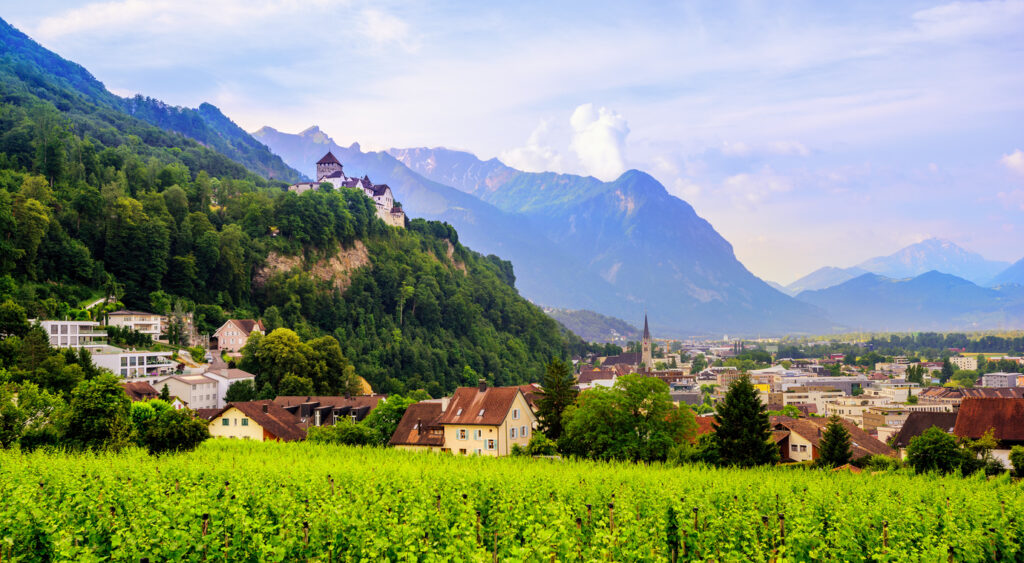
Liechtenstein is so small that many people barely register it on the map. Sandwiched between Switzerland and Austria, it’s often treated as a quick stop rather than a destination. That’s a shame because the scenery is genuinely impressive. Snow-dusted Alpine peaks, deep green valleys, and crisp mountain air give it the same natural drama as its larger neighbours, just without the same level of foot traffic.
Vaduz, the capital, is neat and compact, crowned by a hilltop castle that looks lifted from a storybook. Hiking trails run through the mountains, offering panoramic views with far fewer hikers than you’d find in the Swiss Alps. The whole country feels orderly, calm, and almost serene. You can explore it in a day or two, but it’s the slower pace that makes it memorable.
North Macedonia
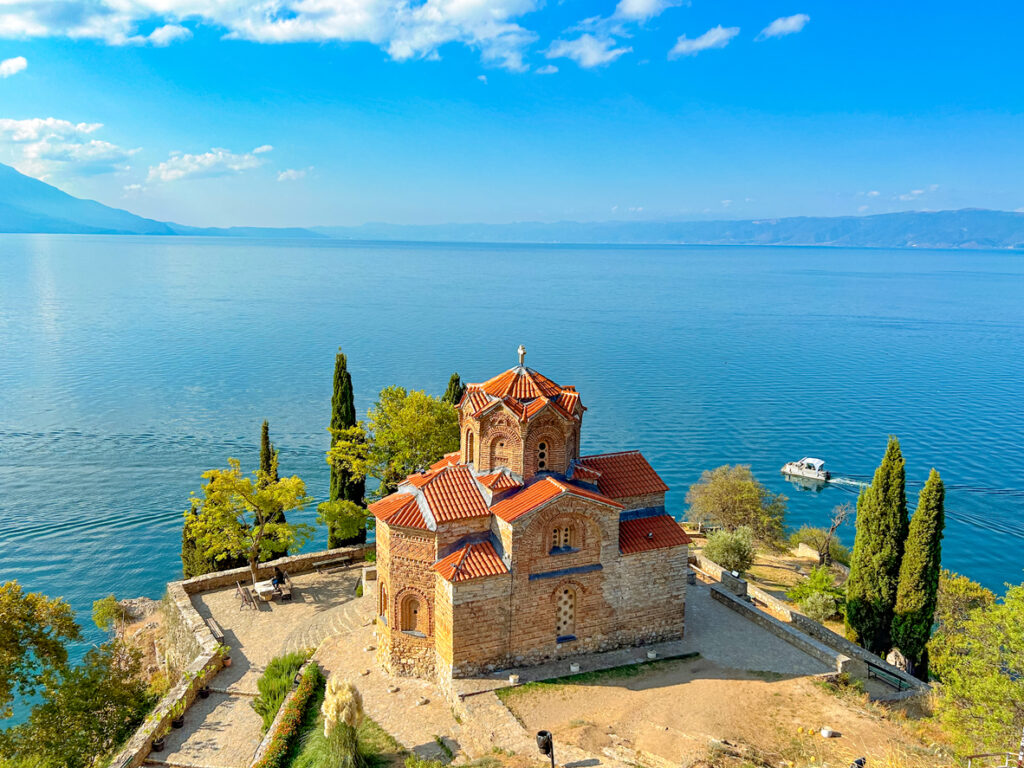
North Macedonia is often overshadowed by Greece and Croatia, yet it offers some of the most beautiful scenery in the Balkans. Lake Ohrid is the star attraction, with clear blue water framed by mountains and dotted with old stone churches. The town of Ohrid itself feels timeless, with cobbled streets and sunsets that stretch long across the lake.
Skopje, the capital, is a fascinating mix of old and new. Ottoman influences sit alongside grand statues and modern facades, creating a city that feels slightly unusual but never dull. Food is hearty, prices are reasonable, and you rarely feel like you’re being funnelled through a tourist circuit. It’s a country that rewards slow exploration.
Albania
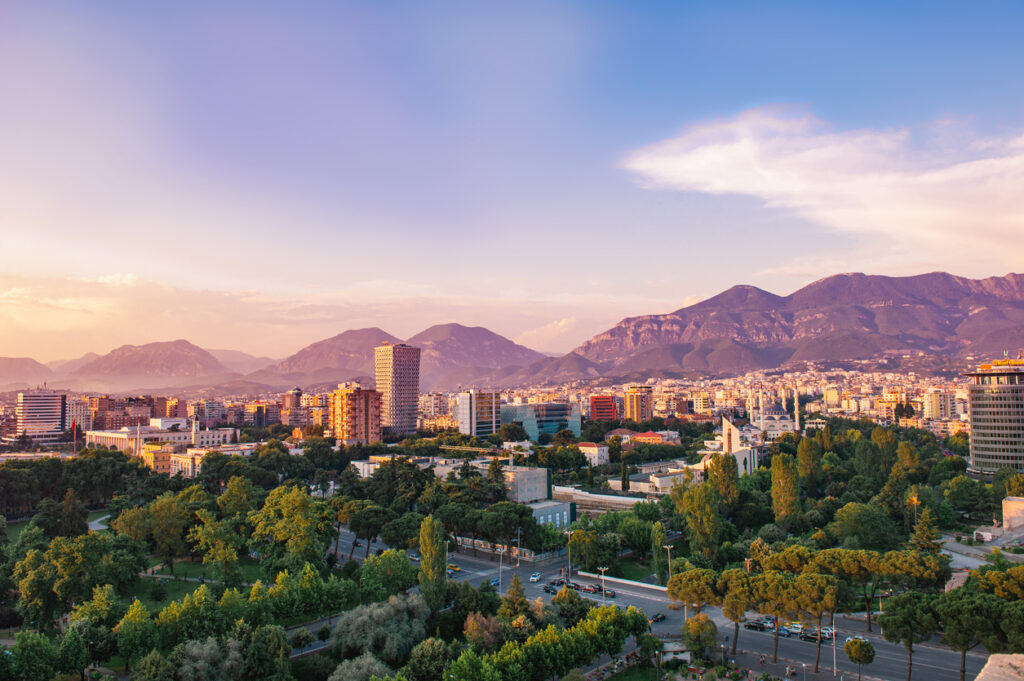
Albania has started appearing on more travel lists in recent years, but compared to Italy or Spain it still sees far fewer visitors. The Albanian Riviera offers turquoise waters and quiet beaches that feel almost Mediterranean in style, but without the inflated prices or packed promenades. You can still find stretches of coastline where it’s just you, the sea, and a handful of locals.
Inland, towns like Berat and Gjirokastër are full of stone houses climbing up hillsides, with mountain backdrops that make every photo look cinematic. There’s a sense that Albania is growing into its tourism potential at its own pace. It feels raw and genuine rather than overly curated, and that’s exactly why many travellers find it refreshing.
Latvia
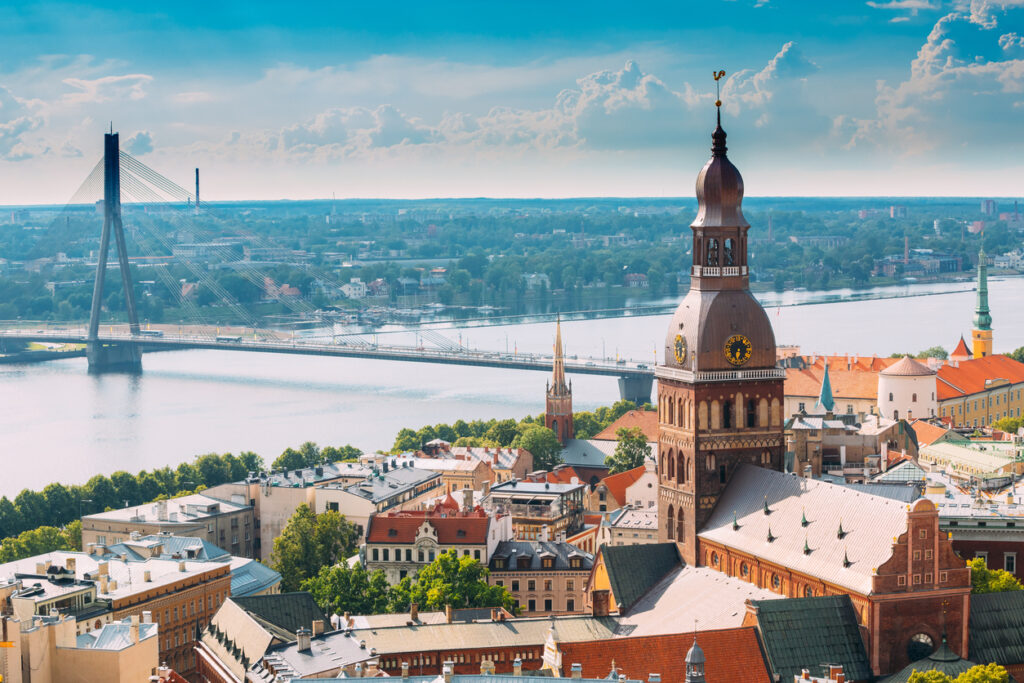
Latvia sits between Estonia and Lithuania, but often gets less attention than both. Riga, its capital, has one of Europe’s most impressive collections of Art Nouveau architecture, along with a charming old town that’s compact enough to explore on foot. Even in summer, it rarely feels overwhelming.
Beyond Riga, Latvia opens up into forests, lakes, and long sandy beaches along the Baltic coast. Jūrmala, with its wooden houses and sea air, offers a relaxed seaside escape. The pace of life feels steady and unhurried. You can wander through nature trails or small towns without feeling like you’re following a crowd.
San Marino
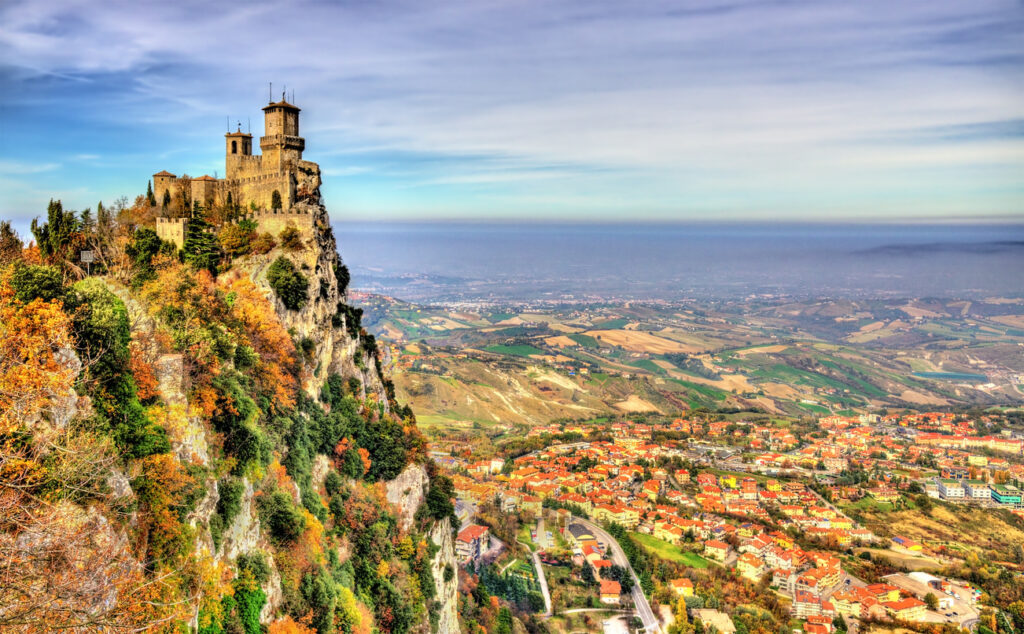
San Marino is completely surrounded by Italy, yet many people travelling through the region never think to cross into it. Perched high on Mount Titano, this tiny republic offers sweeping views over the countryside and a skyline marked by three medieval towers.
Its narrow stone streets and fortified walls feel properly historic rather than recreated. While it does attract day-trippers, it’s nowhere near the scale of Rome or Florence. Spend the night, and you’ll notice how much calmer it becomes once the buses leave. There’s something special about standing on ancient ramparts and looking out over the landscape with space to breathe.
Bosnia and Herzegovina
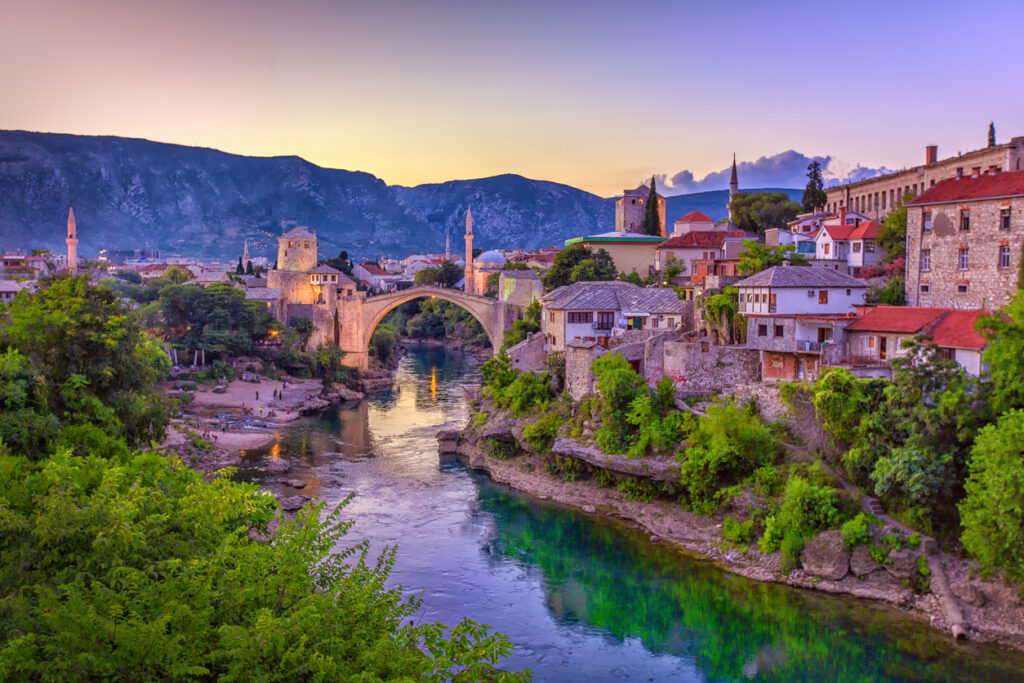
Bosnia and Herzegovina carries a complex and recent history, which has shaped how outsiders view it. Those who visit often come away surprised by its beauty and warmth. Mostar’s Stari Most bridge arches gracefully over turquoise water, while Sarajevo blends Ottoman, Austro-Hungarian, and modern influences in a way that feels layered rather than chaotic.
The country is also rich in mountains, rivers, and countryside that feel largely untouched. Rafting, hiking, and exploring small villages give you a sense of space that’s harder to find in busier European destinations. It’s thoughtful, moving, and scenic all at once.
Luxembourg
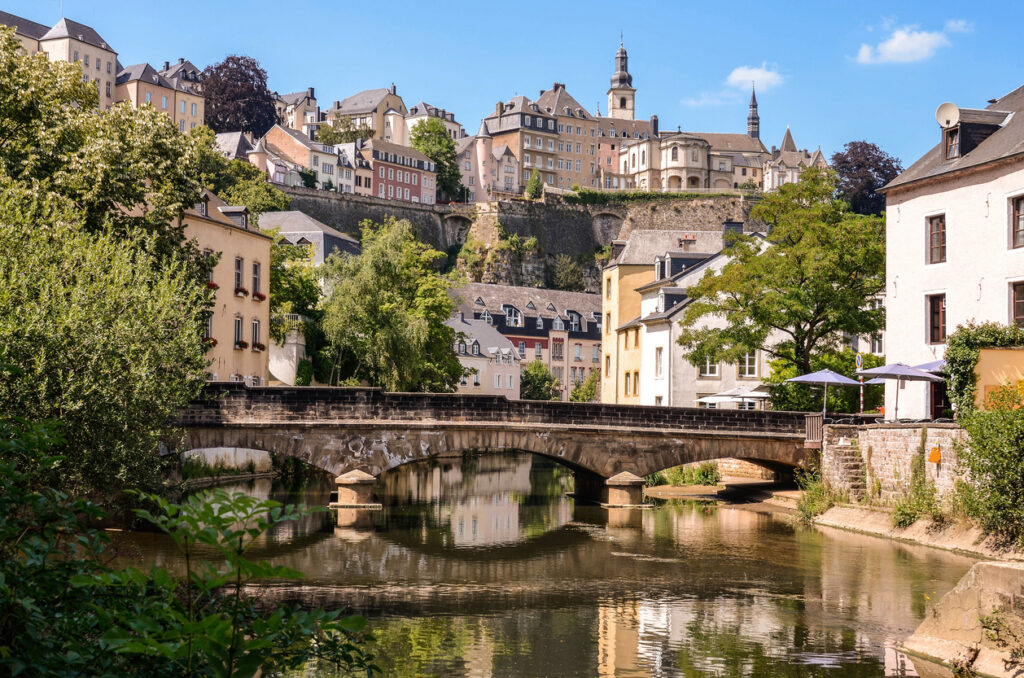
Luxembourg is often associated with finance more than travel, but it has more character than many expect. Luxembourg City sits dramatically above deep gorges, with old fortifications and the Bock Casemates tunnels weaving through the rock beneath it.
The countryside is dotted with castles, vineyards, and gentle walking routes. It’s small enough to explore easily, yet varied enough to keep things interesting. You can base yourself in one place and still see a lot without constant packing and unpacking.
Slovenia

Slovenia is slowly gaining popularity, but it still sees far fewer visitors than Italy or Austria. Lake Bled often steals the spotlight with its island church and mountain backdrop, and it really does look as good in person as it does in photos. Nearby Lake Bohinj offers an even quieter alternative.
Ljubljana is green, compact, and easy to navigate, with riverside cafés and pedestrian-friendly streets. Triglav National Park provides serious mountain scenery and hiking without the same level of congestion you’d find in more famous Alpine regions. Slovenia manages to feel both accessible and peaceful at the same time.
Montenegro
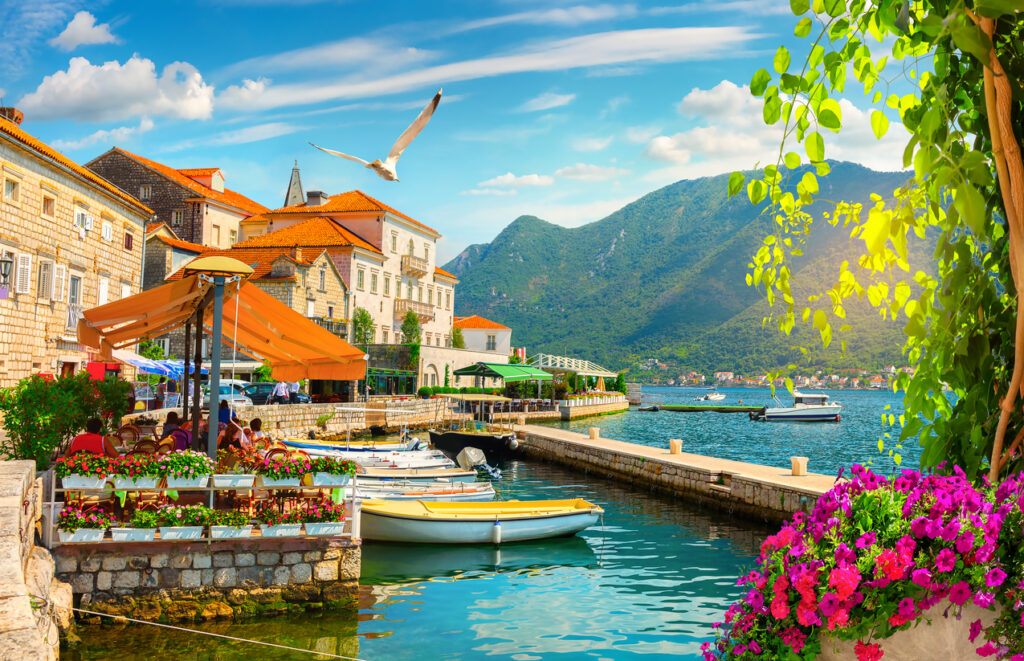
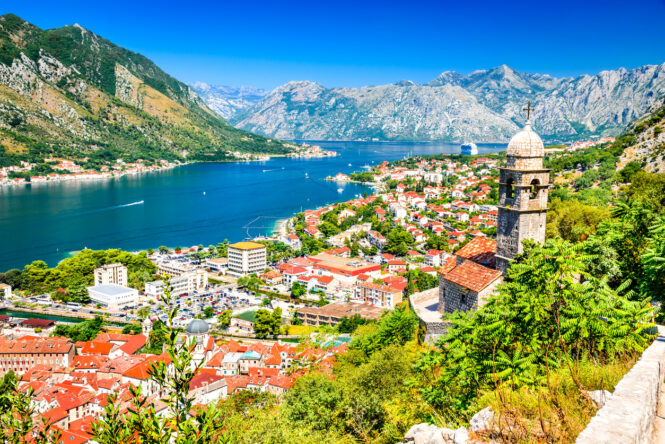
Montenegro packs dramatic landscapes into a surprisingly small space. The Bay of Kotor feels like a fjord, ringed by steep mountains and old stone towns that glow in the late afternoon light. While it’s growing in popularity, it still draws far fewer visitors than neighbouring Croatia.
Further inland, Durmitor National Park offers rugged peaks, glacial lakes, and hiking trails that feel genuinely wild. Along the Adriatic coast, you can still find quieter stretches of beach and sleepy villages. Montenegro gives you mountains, sea, and history all in one trip, without the sense of being squeezed into someone else’s itinerary.
Europe doesn’t have to mean packed landmarks and endless queues. Step slightly off the most obvious route, and you’ll find countries that offer space, character, and the simple pleasure of exploring without feeling hurried.