For all the beauty that still exists in daily life, there’s no denying that something’s gone a bit off in the UK in recent years.

Maybe it’s the cost of living, or the weird blend of nostalgia and fatigue hanging in the air, but a lot of us can feel that certain things we used to rely on, enjoy, or just take comfort in have quietly vanished. Whether it’s big-picture stuff or tiny daily details, here are some things that are absent from British life these days, and it isn’t half noticeable.
Affordable housing that isn’t a total dive

It used to be possible for young people to rent a flat without sacrificing heating, a social life, and basic dignity. Now, “affordable” usually translates to “tiny, mouldy, and within sniffing distance of a bin store.” The dream of having your own space without financial ruin feels increasingly out of reach.
Even those with steady jobs are living in shared houses well into their thirties—not because they love the vibe, but because the alternative is a shoebox that costs £1,400 a month and still asks you to bring your own fridge.
Buses that actually turn up

Remember when you could confidently stand at a bus stop knowing something would show up roughly on time? These days, every bus feels like a mythical creature—often spotted in the distance, rarely arriving when needed. Services are being slashed, routes cut, and timetables treated more like optimistic guesses than actual plans. Public transport’s meant to be a solution, not a gamble. Yet here we are, refreshing apps and praying.
NHS appointments without a multi-week wait

Once a symbol of national pride, the NHS now feels like it’s constantly on the verge of collapse. Getting a GP appointment often means booking weeks in advance, or calling at 8am sharp for a Hunger Games-style phone queue. It’s not the fault of the staff, who are doing their best under impossible conditions. However, when “just ring the doctor” turns into a logistical headache, you know something’s badly missing from the system we were told would always look after us.
Pubs that aren’t chain-owned or closing down
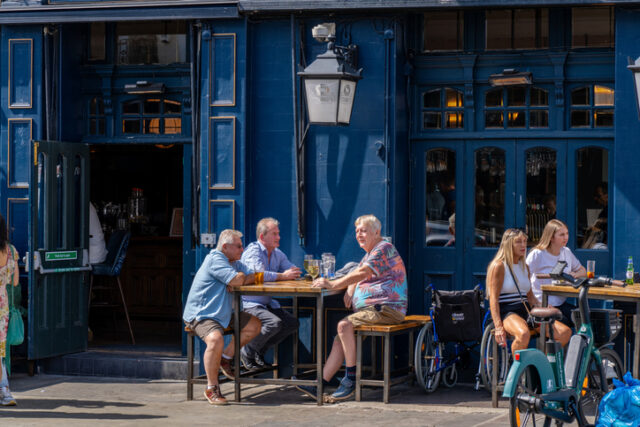
Independent pubs used to be the heart of British towns—full of character, odd carpets, and locals who never sat anywhere new. Now, so many of those proper boozers have been flattened, replaced by soulless chains or converted into flats. What’s missing isn’t just a place to drink. It’s the feeling of community, of knowing your neighbour over a pint, or watching the football with strangers who somehow feel like mates. You don’t get that vibe from a pre-fab pub in a retail park.
Post offices you can actually find
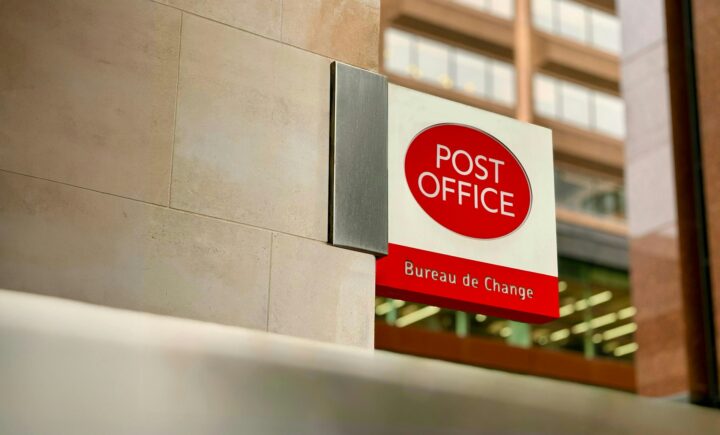
There was a time when every high street had a post office. Now they’re vanishing, replaced by little desks tucked awkwardly into the back of a newsagent or a supermarket. And that’s if you’re lucky enough to still have one at all. Post offices used to feel like a constant in British life—practical, reliable, and somehow always smelling faintly of paper and biscuits. Now it feels like a treasure hunt to even find one open near you.
Community spirit that isn’t just for crises

We’ve seen it spark back to life in tough moments—during the pandemic, during floods, even during a power cut. But where did that everyday neighbourliness go? The casual helping-hand culture has been replaced by headphones, high fences, and keeping to ourselves. It’s not that people don’t care; it’s that everyone’s exhausted. When you’re just trying to survive your own chaos, there’s little left to pour into your community. But we miss it all the same.
Newspapers that aren’t 90% ads or outrage
Local papers used to tell you what was actually going on where you live—village fêtes, planning rows, a cat stuck in a drain. Now, most of them have been gutted or absorbed into clickbait-heavy national sites pretending to care about your town. The news cycle has become loud, reactive, and tiring. What’s missing is the slow, steady kind of journalism that made you feel informed, not inflamed. And maybe a crossword or two that didn’t require a subscription.
School trips that didn’t cost a fortune

There was a time when school trips were simple, affordable, and usually involved a wet packed lunch and a mildly disappointing museum. These days, the “suggested donation” feels more like a payment plan for a mini holiday. It’s putting extra pressure on families and excluding the kids who can’t swing the price. What should be a fun, shared memory becomes another point of inequality, and that’s not what school trips were meant to be.
Shops that don’t need a loyalty card for basic prices

Why does buying toothpaste now require signing up, scanning an app, and trading your email for a 40p discount? Loyalty cards used to be a nice bonus, but now they’re basically mandatory to avoid paying the “silly price.” It’s made everyday shopping weirdly strategic. If you don’t have the right card, you’re punished at the till. And somewhere along the line, the idea of simple, fair pricing quietly disappeared.
Days off that actually feel like rest

Between side hustles, unread emails, and the creeping pressure to be productive even when you’re off, proper rest feels like a luxury. People talk about “recharging,” but most of us are running on fumes even at the weekend. There was a time when Sundays felt sacred, even if you weren’t religious. Now it’s meal prepping, doomscrolling, and wondering if you’re doing life wrong. We miss the kind of downtime that didn’t come with guilt.
Decent wages for hard work

Minimum wage isn’t cutting it, and even decent jobs are struggling to keep pace with rising costs. You can work full-time and still not afford rent, bills, and a life. That’s not a lifestyle issue, it’s a structural one. People aren’t lazy or entitled. They’re burnt out and underpaid. We’ve lost that basic balance where effort used to equal stability. And no, a free coffee on your birthday from your employer doesn’t make up for it.
High streets that don’t feel abandoned
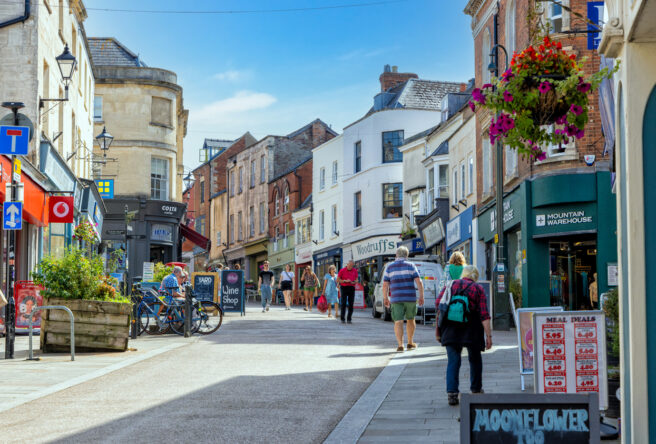
Boarded-up shops, identical chains, and endless vape stores—our high streets are turning into ghost towns with parking meters. Once the beating heart of a town or city, many are now caught in limbo, unsure if they’re meant for people or pigeons. What’s missing is the soul. The independent shops, the butcher who knew your name, the slightly chaotic gift store with 40 types of jam. It’s not just about economics; it’s about identity.
Weather that behaves itself
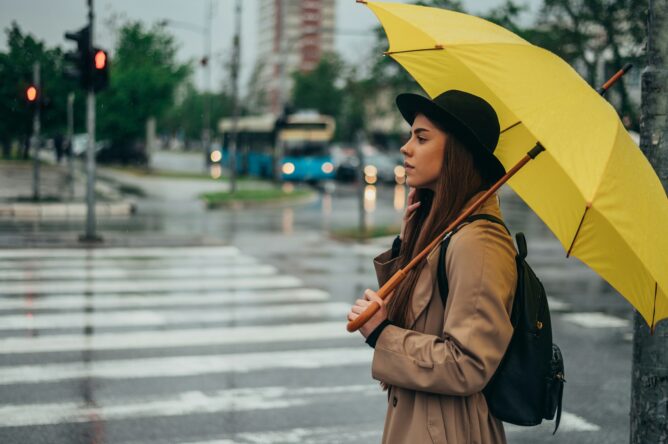
Okay, Britain’s never had perfect weather, but lately, it feels like it’s lost its middle ground. We’re either in a grey, soggy mess or trapped in a heatwave with infrastructure that gives up the second it hits 28°C. What we miss is the gentle unpredictability—light showers, a breezy 17°C, maybe a bit of weak sunshine that let you wear shorts and a jumper. Now it’s all extremes, and none of them suit us.
Hope that things might actually improve

There’s a quiet kind of hopelessness hanging around lately. Not loud or dramatic—just a low-level disbelief that things might ever really get better. From politics to pay cheques to the climate, it’s hard to imagine real change sometimes. And that’s what’s missing most. Not just the stuff, but the belief. The collective sense that we’re moving toward something better, not just holding on. And maybe, just maybe, that’s something we’ll find our way back to again.