There’s something about orange cats that just makes people smile.
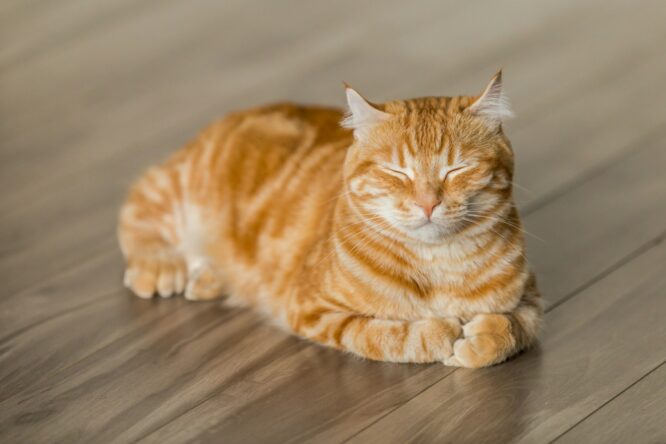
Whether they’re strutting around like they own the place or snoozing in a sunny spot, their bold colour makes them impossible to miss. But what actually makes orange cats orange? Turns out, it’s not just random chance—it’s a fascinating blend of genetics, pigment science, and even a bit of feline personality theory. Here’s everything that goes into creating that iconic ginger glow.
It all starts with pigment.
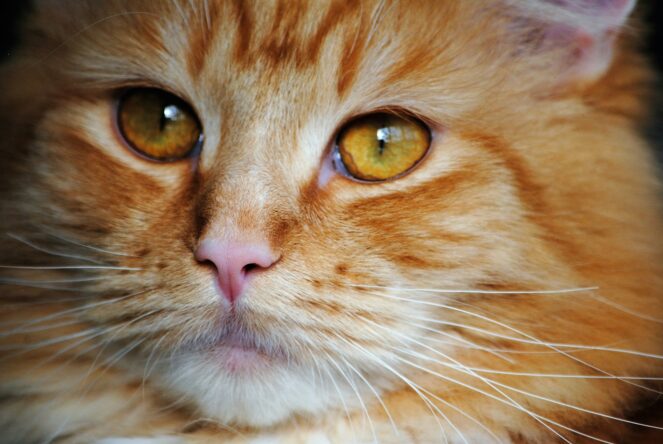
Orange cats owe their colouring to a pigment called pheomelanin, the same pigment responsible for red hair in humans. This pigment produces warm tones ranging from cream to deep red-orange depending on how it’s expressed in the cat’s fur.
The balance between pheomelanin and another pigment, eumelanin (which produces black and brown shades), is what determines a cat’s coat colour overall. In orange cats, the pheomelanin takes centre stage, giving them their signature ginger tones.
The “O” gene is in charge.
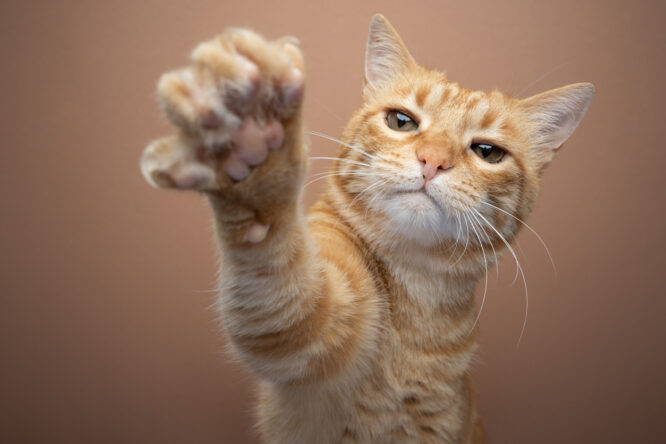
There’s a specific gene—called the “O” gene—that controls orange colouring in cats. It’s located on the X chromosome and determines whether or not a cat will produce pheomelanin instead of eumelanin. When this gene is present and active, it switches the fur pigment to orange. If it’s absent, the fur colour follows a different genetic path. So whether your cat ends up looking like a sunbeam or not often depends on how that one gene gets expressed.
Most orange cats are male.
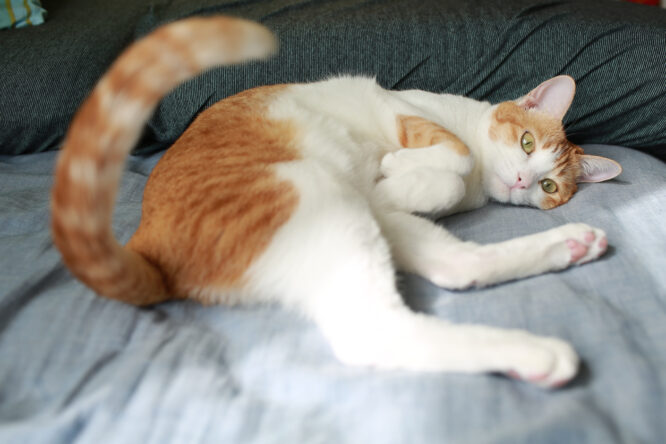
Roughly 80% of orange cats are male, and that’s all down to the fact that the “O” gene sits on the X chromosome. Since males have just one X, they only need one copy of the gene to turn orange. Females, on the other hand, have two X chromosomes. They need two copies of the “O” gene to be fully orange, which is statistically less likely. That’s why female orange cats are a bit rarer, and orange male cats are so common.
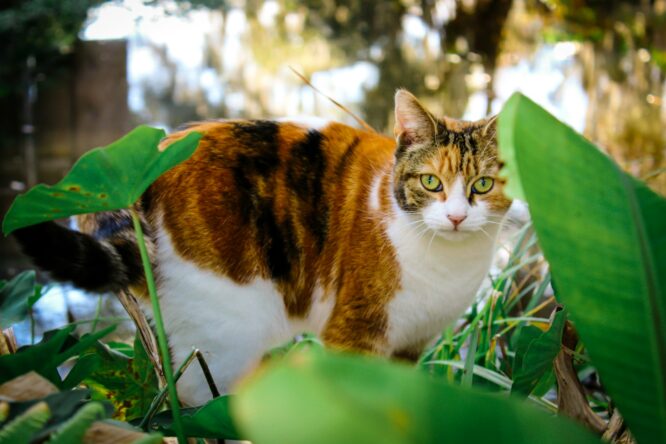
Female orange cats are usually patchy.
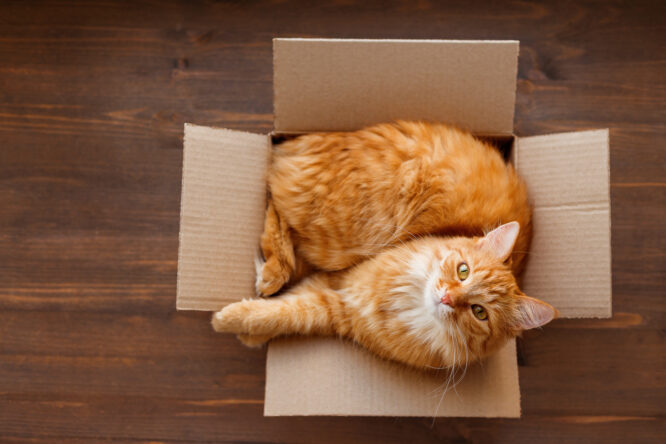
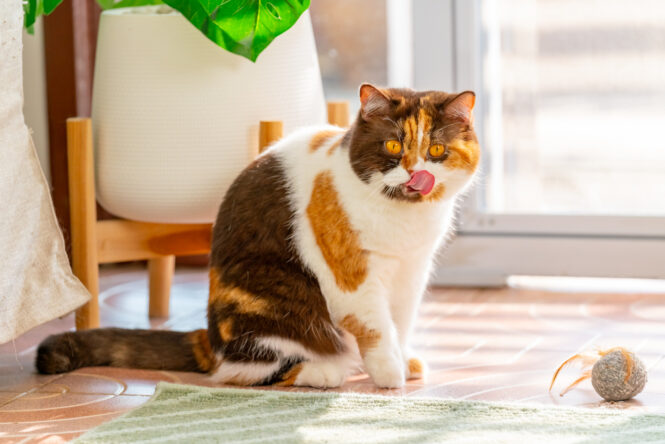
If a female cat has only one “O” gene, she’ll often have a mix of orange and another colour, typically black or brown. This creates the classic tortoiseshell or calico patterns that are so striking and varied. These colour blends happen because one X chromosome gets randomly switched off in each cell during development. So in some patches, the orange gene dominates, while in others, it doesn’t. The result? A patchwork coat that’s impossible to replicate exactly.
Tabby is always part of the deal.
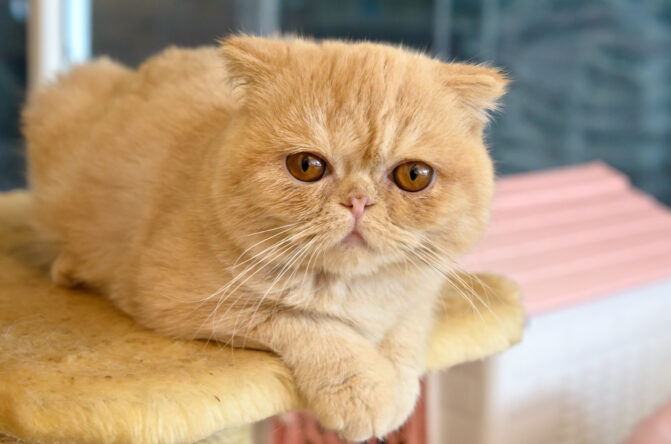
All orange cats are tabbies, whether they look stripy, swirly, or spotted. That’s because the tabby pattern is built into the genetics of orange fur—it comes with the territory. You won’t find a solid orange cat with no tabby markings at all. Even if the stripes are faint, they’re there. Sometimes they only show up in certain lighting or angles, but they’re always a part of the orange cat package. That M-shaped mark on their forehead? Classic tabby trait, and a dead giveaway.
There are different tabby types.
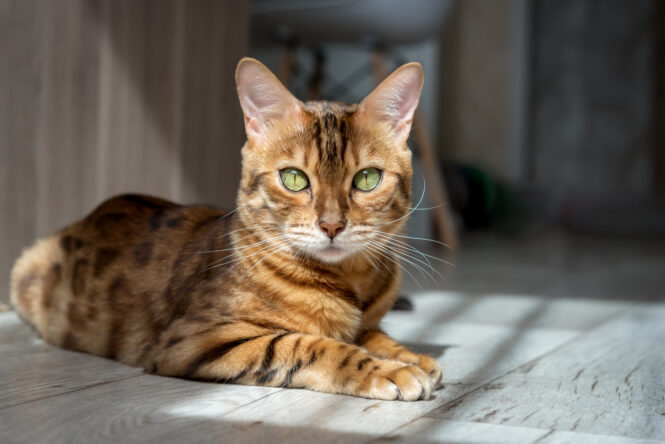
Not all orange cats have the same tabby look. Some are mackerel tabbies (with thin stripes like a tiger), while others are classic tabbies (with broader, swirling patterns). There are also spotted tabbies and ticked tabbies with barely-there patterns.
The specific tabby type depends on additional genes that determine pattern layout. So even if two orange cats are the same shade, their markings can make them look completely different. It’s part of what makes each one feel so unique.
The colour intensity can vary.
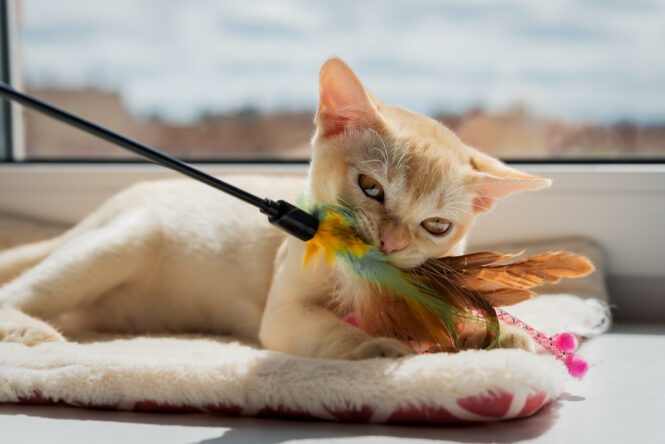
Some orange cats are soft apricot or pale cream, while others are bright, fiery ginger. This difference comes down to how much pigment is produced and how it spreads through the hair shaft during growth. Genetics, diet, and even lighting can play subtle roles in how vibrant an orange cat’s coat appears. Just like with human hair, what looks strawberry blonde in one room can look almost red in another.
Breed plays a small role.
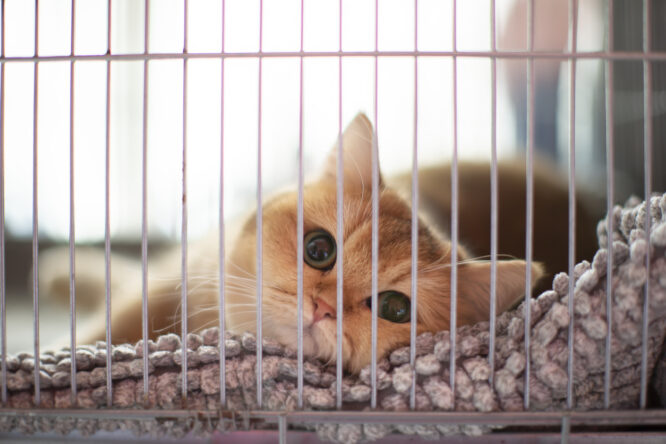
While orange colouring shows up across many breeds, some are more likely to produce orange cats than others. Breeds like the Maine Coon, British Shorthair, and Persian are known for their show-stopping ginger coats. However, you don’t have to go purebred to find a gorgeous orange cat. Most orange kitties are domestic short- or long-haired moggies with a genetic cocktail that just happened to land on “sunshine fluffball.”
Personality theories are a thing.
People often say orange cats have big personalities—friendly, vocal, even chaotic. While there’s no scientific proof linking colour to behaviour, enough cat owners swear by it that the stereotype’s taken root. It’s probably more about perception than biology, but there might be a small genetic overlap in how certain traits are inherited. Either way, orange cats do seem to have a knack for being the centre of attention.
Freckles come with the territory.
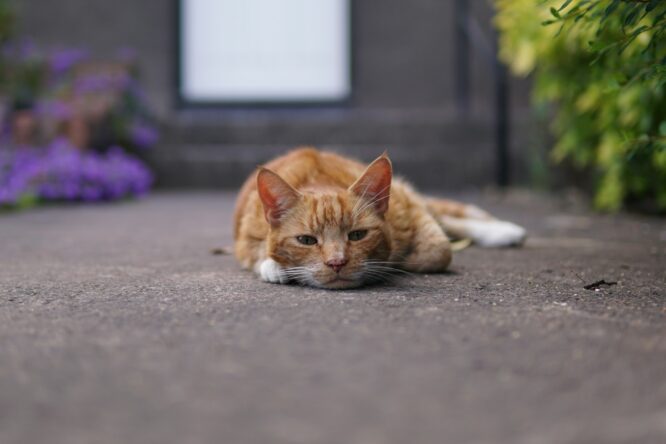
If your orange cat has little black spots on their nose or lips, don’t worry—it’s a normal quirk. These freckles, called lentigo, are common in orange cats and are caused by pigment cells clumping in certain areas. They tend to show up more as cats age and are more noticeable on lighter fur. They’re harmless, and in most cases, just another thing that makes orange cats extra charming.
They’re more common than you think.
Orange cats are one of the most common coat colours in domestic cats, especially in the UK and parts of Europe. Their prevalence comes down to how dominant the “O” gene is and how easily it gets passed on. So while every orange cat feels like a little legend in their own right, they’re not exactly rare. Still, each one comes with its own unique blend of colour, personality, and quirks that make them stand out.
Sunlight brings out their glow.
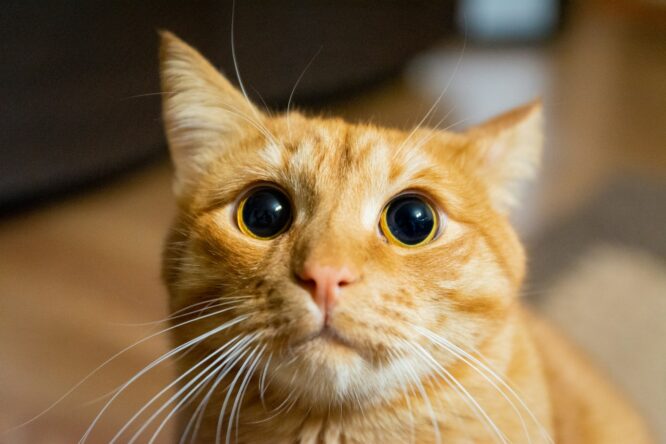
Ever noticed how orange cats seem to practically shimmer in the sun? Their fur tends to reflect warm tones especially well, making them look extra vibrant in natural light. It’s one of the reasons they’re so photogenic. Some cats even seem to change slightly in colour depending on the season, lighting, or age. What’s auburn in winter might lean golden in summer, like having a built-in seasonal wardrobe.
They’ve got pop culture power.
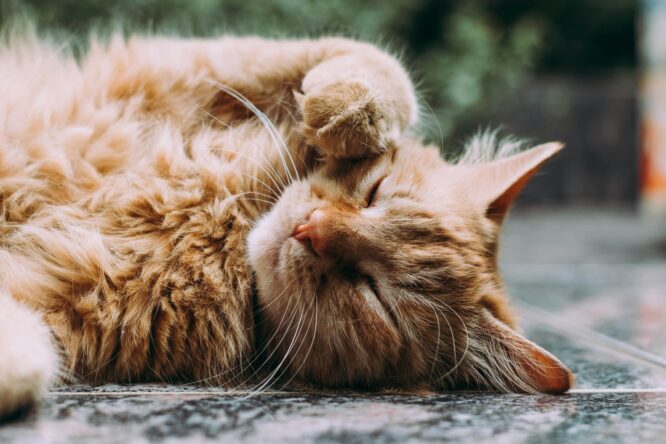
From Garfield to Puss in Boots to Crookshanks in Harry Potter, orange cats are everywhere in pop culture. Their bold colour and playful energy make them perfect for cartoon stardom and mischief-making sidekicks alike. The ongoing cultural obsession only adds to their legendary status. People just can’t get enough of orange cats, and with their mix of beauty and attitude, it’s not hard to see why.