We’ve all had those moments where we’re convinced the dog knows exactly what we’re on about, and it turns out we’re probably not just being over-affectionate owners.
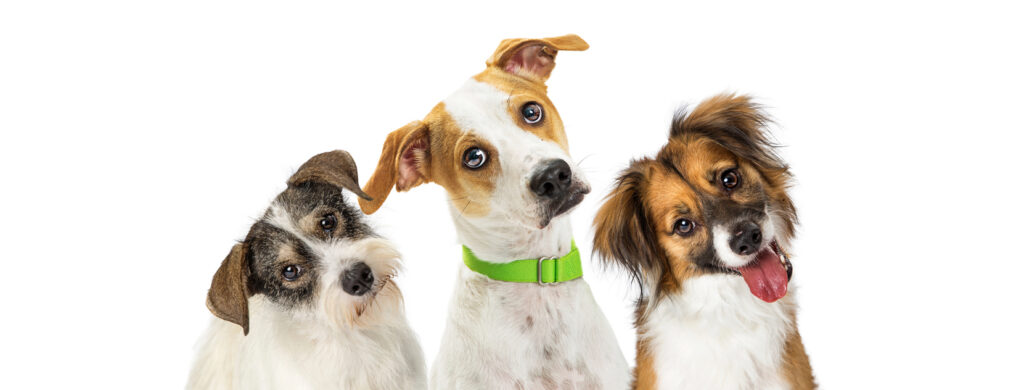
New research is suggesting that their grasp of our language goes a bit deeper than just reacting to the tone of our voice or the sound of the word walk. It looks like they might actually be connecting specific words to objects in a way that’s much more like how humans process things. While we’ve spent years assuming they’re just experts at reading our body language, they might have been silently following the conversation a lot more closely than we gave them credit for.
They know the difference between words, not just your tone.
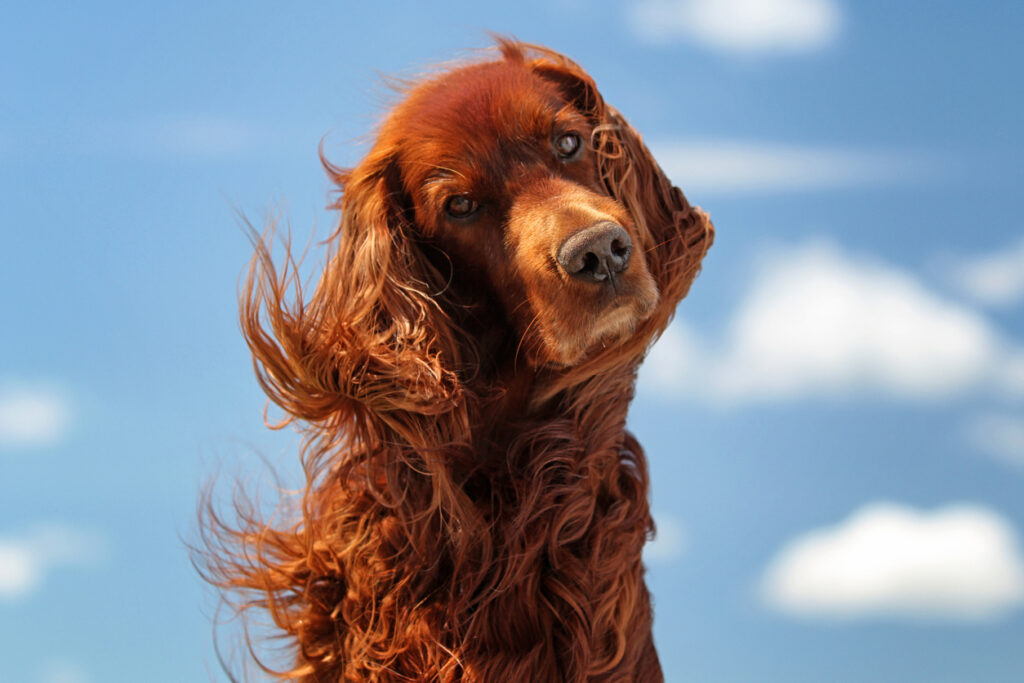
It’s easy to assume dogs just respond to how you say something, rather than what you actually say. But dogs process the meaning of words and the emotional tone separately, which means they genuinely understand certain vocabulary, and they notice when the two don’t match up. Say “well done” in a flat voice, and your dog registers the mismatch. The word and the delivery are being processed independently, not as one combined signal.
They can read your face better than most animals can.

Dogs have spent thousands of years living alongside humans, and that’s shaped how they look at us. They focus on the right side of a human face first, which is where we tend to show emotion most clearly, and they do this with people but not with other dogs or objects. It’s a behaviour that seems to have developed specifically for reading us, and no other domesticated animal does it quite the same way.
They remember specific events, not just routines.
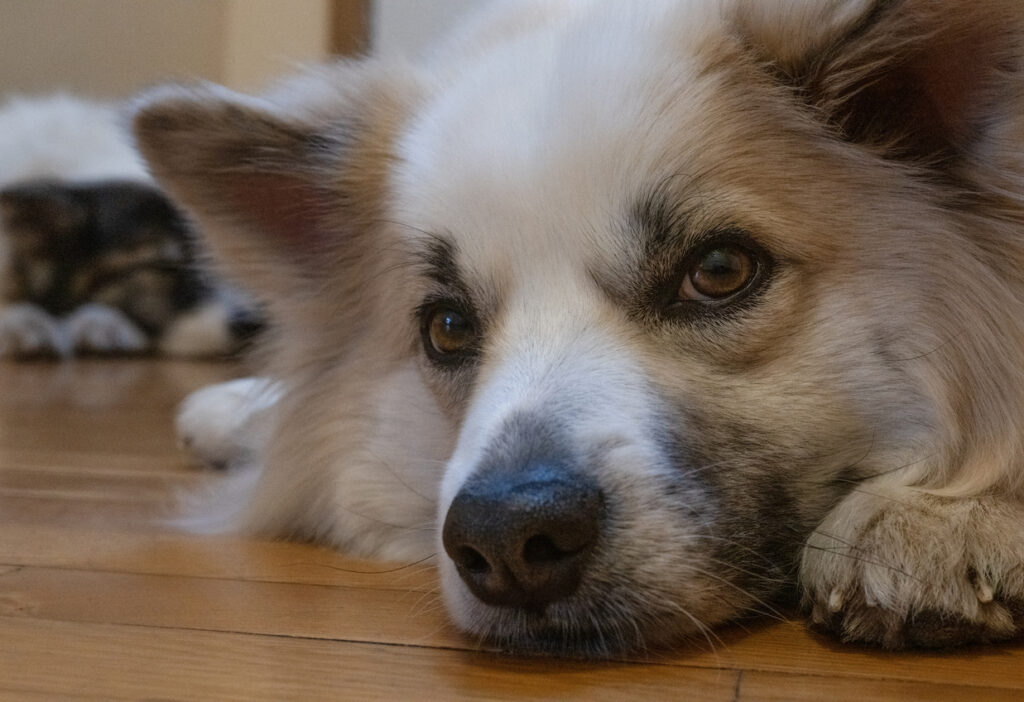
Dogs can recall particular things that happened to them, not just repeat behaviours they’ve been trained into. This kind of memory means your dog isn’t just running on habit. They’re holding onto actual experiences, which is a more complex kind of thinking than we used to assume. Some dogs have even been shown to recall and imitate actions they watched hours earlier, without any prompting.
They can tell when you’re being unfair.

If two dogs do the same task and only one gets a reward, the unrewarded dog will often stop cooperating and show signs of frustration. They’re not just disappointed about missing out. They’re responding to the injustice of the situation, which suggests a real sense of fairness.
They follow your gaze on purpose.
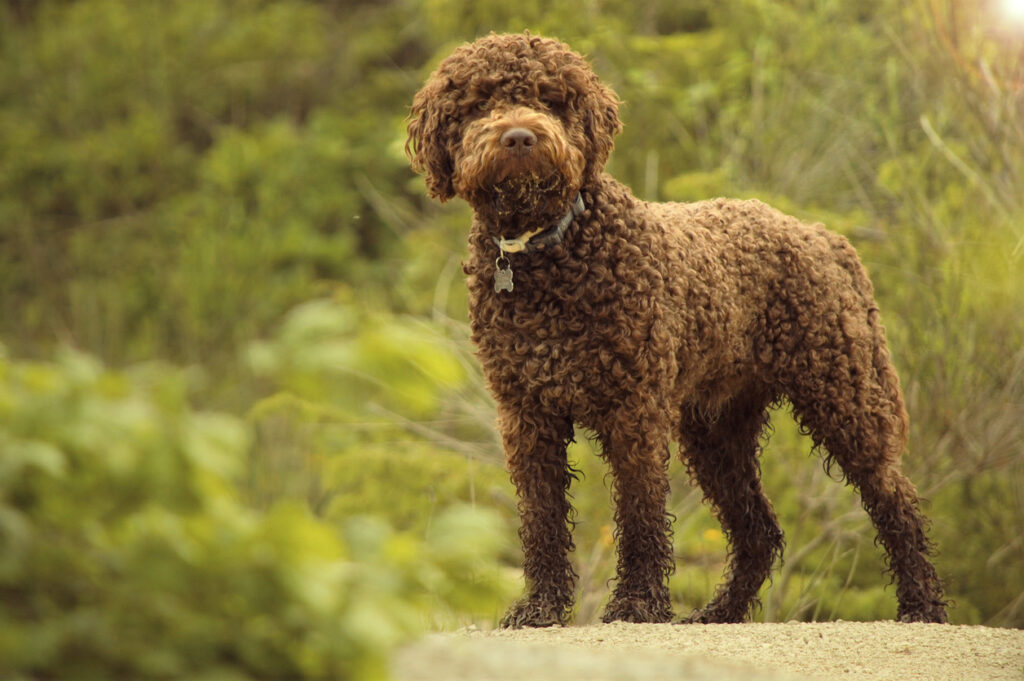
When you look at something, your dog will often look there too. This isn’t random. They’re using your attention as information, trying to understand what matters to you and why. It’s the same skill that human babies develop in their first year of life, and the fact that dogs do it so naturally says a lot about how tuned in to us they’ve become.
They notice when something doesn’t add up.
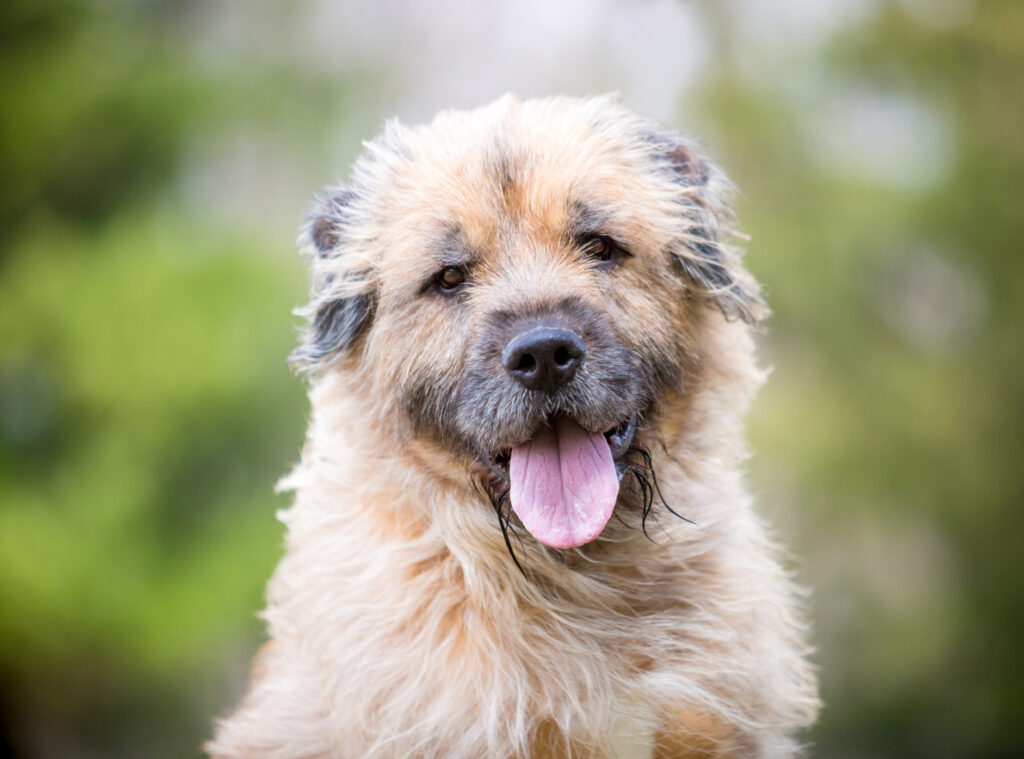
Dogs pay more attention to things that seem impossible or don’t make logical sense. If you show them a ball rolling behind a screen, and it doesn’t reappear the way it should, they stare longer, as if they expected a different outcome. That’s a basic form of reasoning, not just instinct.
They pick up on stress before you’ve said a word.
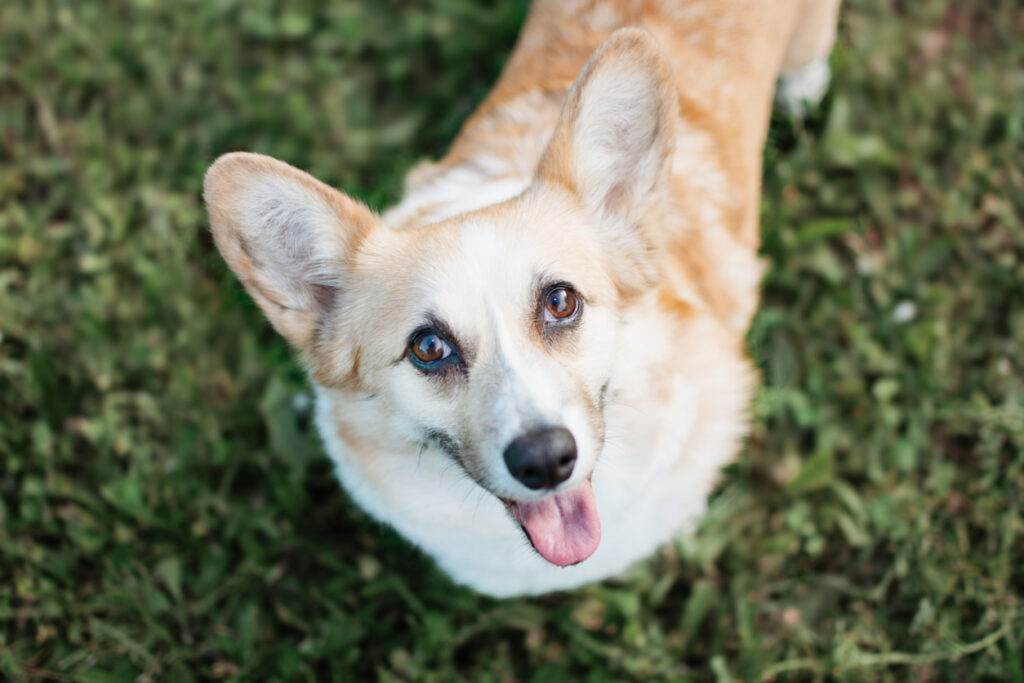
Dogs can smell chemical changes in your body that happen when you’re anxious or afraid, and they respond to those changes directly. It’s not that they sense a vibe. They’re detecting a physical change in you and adjusting their behaviour accordingly, often before you’ve consciously registered feeling stressed yourself.
They understand that you have your own thoughts and knowledge.
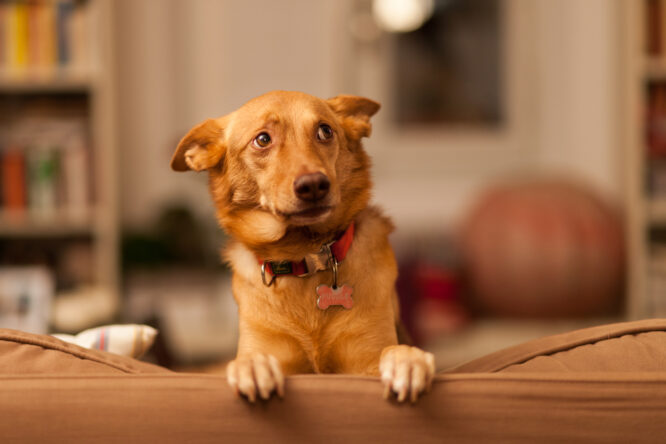
Dogs behave differently depending on what they think you know. If they’ve seen you hide food, they act differently than if they think you weren’t watching. That kind of adjustment shows they have some awareness that your mind is separate from theirs, and that you don’t automatically know what they know.
They learn by watching, not just by being taught.
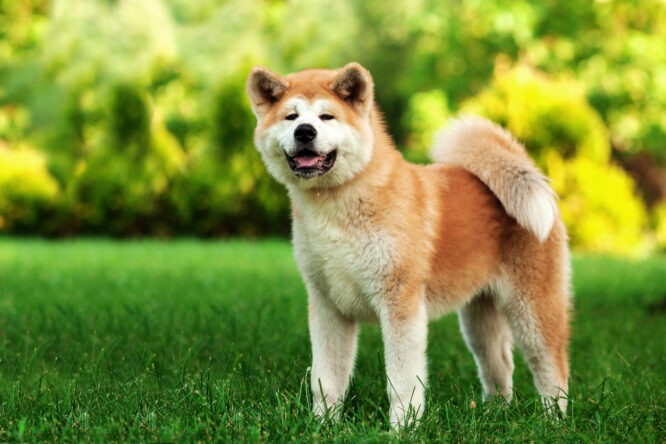
Dogs pick up new behaviours just from observing other dogs or even humans doing something. They don’t always need direct training to figure out how to do something, and they can apply what they’ve watched to new situations, which is a fairly sophisticated way of learning.
They can identify themselves in mirrors with the right test.

The traditional mirror test for self-awareness has always been tricky for dogs because smell matters more to them than sight. When researchers used scent-based versions of the same concept, dogs showed signs of recognising themselves, suggesting self-awareness is there but just expressed differently than we expected.
They understand pointing and gestures better than chimpanzees do.

If you point at something, your dog will look where you’re pointing. Chimpanzees, despite being more closely related to us, often don’t make that same connection. Dogs seem to have evolved specifically to interpret human communication, including hand signals, nods, and eye contact.
They can feel jealousy, not just competition.
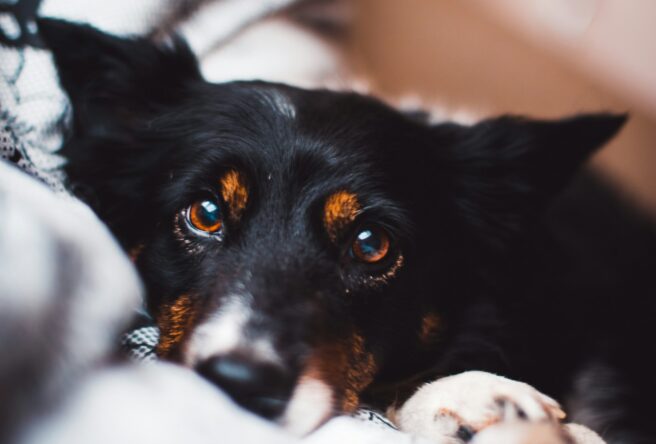
When dogs see their owner giving attention to another dog or even a realistic stuffed animal, many of them push in, nudge the rival, or try to get between them. It’s not just about wanting attention. They’re reacting to feeling left out, which is a more emotionally complex response than simple resource guarding.
They adjust what they tell you based on what you already know.
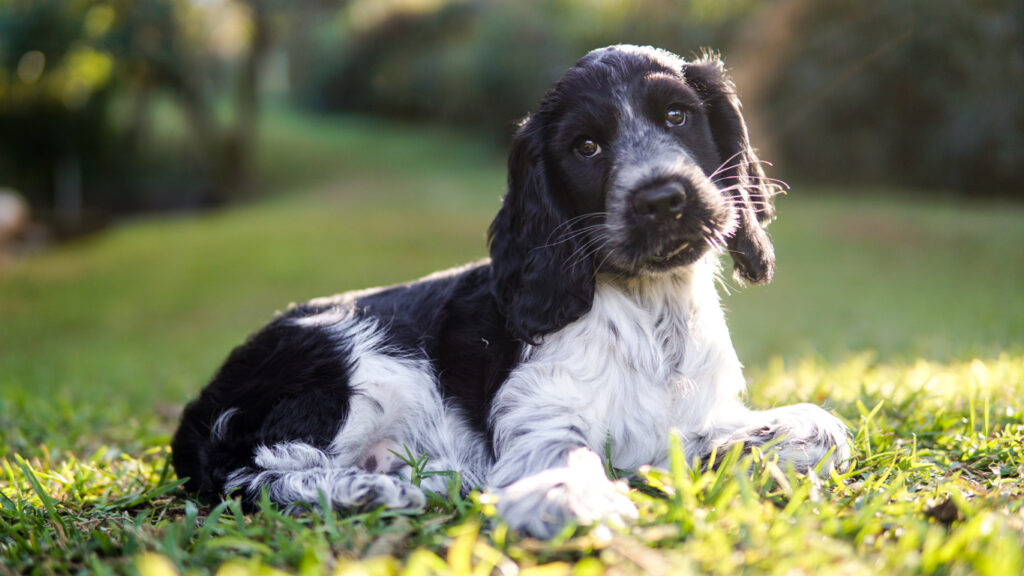
Dogs will bark or signal more urgently at a person who hasn’t seen a threat than at someone who was already watching it happen. They’re not just reacting to the situation. They’re communicating with you based on what they’ve figured out about your awareness, and that level of social intelligence is genuinely impressive for any animal. It also means the relationship between dogs and humans is a lot more of a two-way conversation than we’ve given it credit for.