When the temperature drops, British homes have a habit of haemorrhaging heat in some surprising ways.
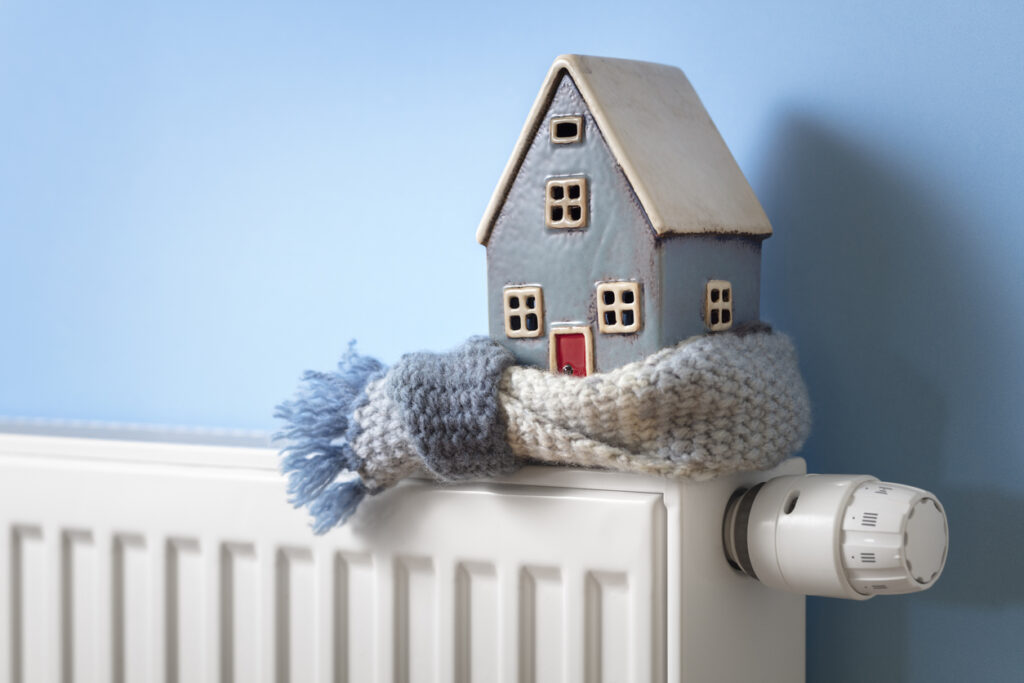
You crank the heating on, the boiler works overtime, and somehow the place still feels chilly by evening. That’s not bad luck, and it’s not you imagining things. A lot of homes across the UK, especially older ones, are leaking warmth through gaps, draughts, and poorly insulated spots that barely get a second glance.
The good news is that stopping heat from escaping doesn’t always mean ripping the place apart or spending a fortune. Small fixes can make a noticeable difference to how warm your home feels and how painful your energy bills look. Getting on top of it before the coldest weather hits gives you a fighting chance of staying comfortable without living in jumpers and socks until spring.
1. Track down draughts you’ve stopped noticing.
Most heat escapes through gaps you’ve learned to ignore. Around doors, windows, letterboxes, loft hatches, and even floorboards, small draughts slowly drain warmth without making a dramatic entrance. In older UK homes especially, these gaps add up fast, even if each one seems minor on its own.
A simple test helps spot them before the temperature drops. On a windy day, run your hand around frames and skirting boards or hold a bit of tissue and see where it moves. Once you find the trouble spots, basic draught excluders, sealant, or brush strips can make a noticeable difference almost immediately.
2. Seal windows properly instead of relying on thicker curtains.

Heavy curtains help, but they’re not a fix if cold air is slipping through the window frame itself. Single glazing and older double glazing often shrink slightly over time, leaving small gaps that leak heat all winter long. Even newer windows can develop weak seals.
Window sealing kits, foam strips, or silicone sealant are inexpensive and easy to apply. Once fitted properly, rooms feel warmer without needing the heating on full blast. Curtains then work as a backup rather than the main line of defence.
3. Don’t ignore doors that feel cold to the touch.
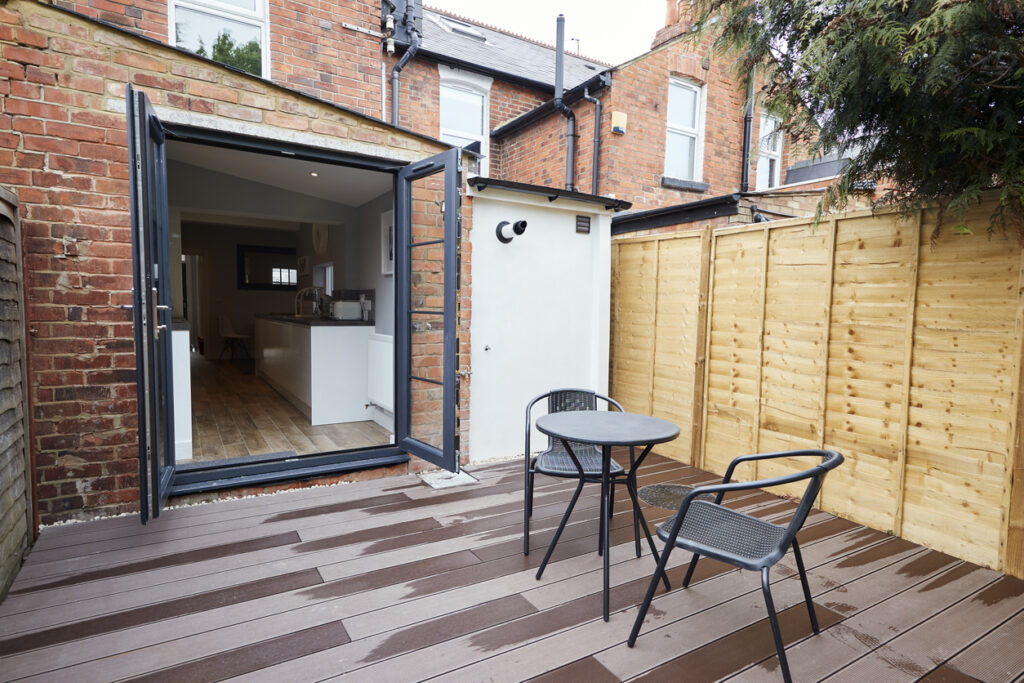
Front and back doors are some of the biggest heat offenders in UK homes. Wooden doors can warp with age and weather, while uPVC doors can lose their tight seal. If a door feels cold when you rest your hand on it, warmth is escaping.
Fitting a proper draught excluder at the bottom and sealing the sides can cut a surprising amount of heat loss. For letterboxes, a brush or flap insert makes a big difference without affecting post delivery.
4. Insulate the loft before winter really arrives.
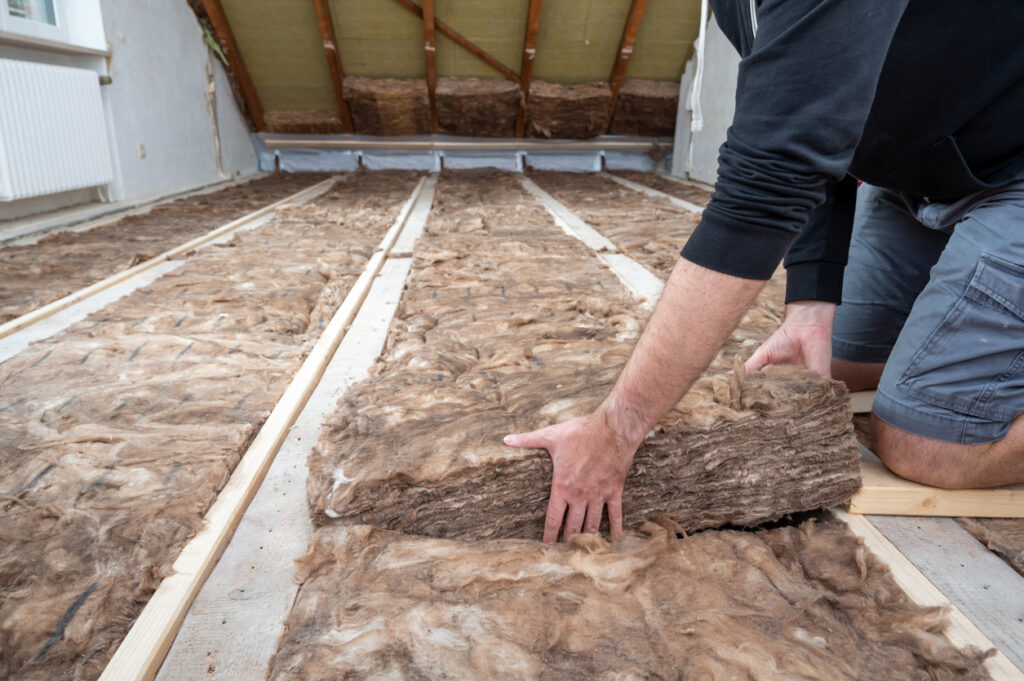
Heat rises, and without proper loft insulation, it escapes straight through the roof. Many UK homes still have outdated insulation that’s too thin or uneven. Even a small upgrade can keep warmth inside much longer.
The recommended depth is around 270 mm for mineral wool insulation. If topping it up yourself feels doable, it’s one of the most cost-effective changes you can make. If not, professional installation often pays for itself through lower heating bills.
5. Close the gaps between floorboards and skirting.
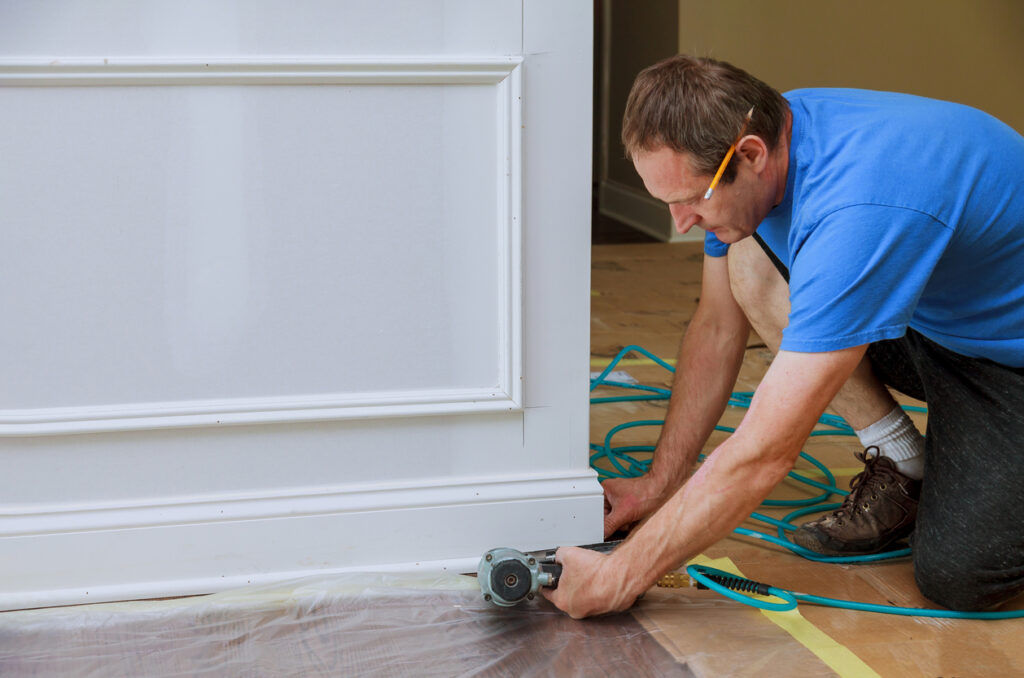
Draughts creeping up from under the floor are common in British houses, especially those with suspended timber floors. These draughts make rooms feel colder than they actually are and force the heating to work harder.
Flexible filler, draught sealing strips, or even purpose made floorboard sealants can reduce heat loss without stopping the floor from moving naturally. Thick rugs help too, but sealing the gaps deals with the root of the problem.
6. Insulate pipes before freezing nights arrive.
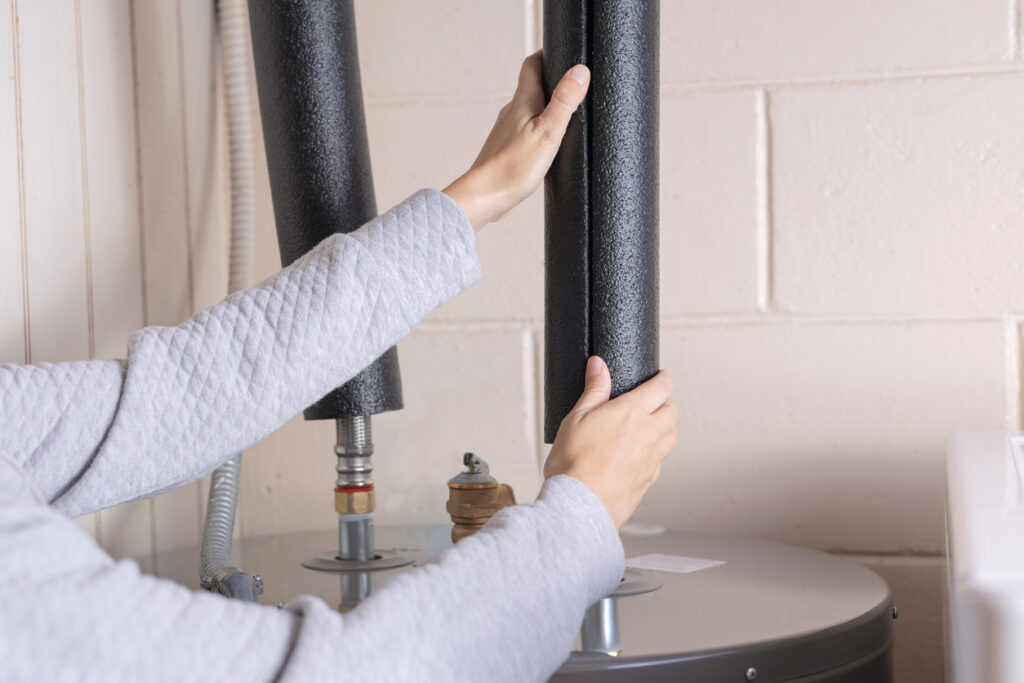
Exposed pipes lose heat quickly and are more likely to freeze during cold snaps. That leads to wasted energy and expensive repairs if a pipe bursts. Pipe insulation also helps hot water reach taps faster.
Foam pipe sleeves are cheap, widely available, and easy to fit yourself. Focus on pipes in lofts, garages, and under sinks. This small job helps both comfort and safety through winter.
7. Check radiator efficiency instead of just turning them up.

If radiators heat unevenly or stay cool at the bottom, trapped air or sludge could be stopping them from working properly. That means more heat escapes elsewhere while rooms stay lukewarm.
Bleeding radiators once a year improves efficiency and helps warmth spread evenly. Reflective radiator foil behind external wall radiators also pushes heat back into the room instead of letting it disappear into brickwork.
8. Use internal doors to keep warmth where you need it.
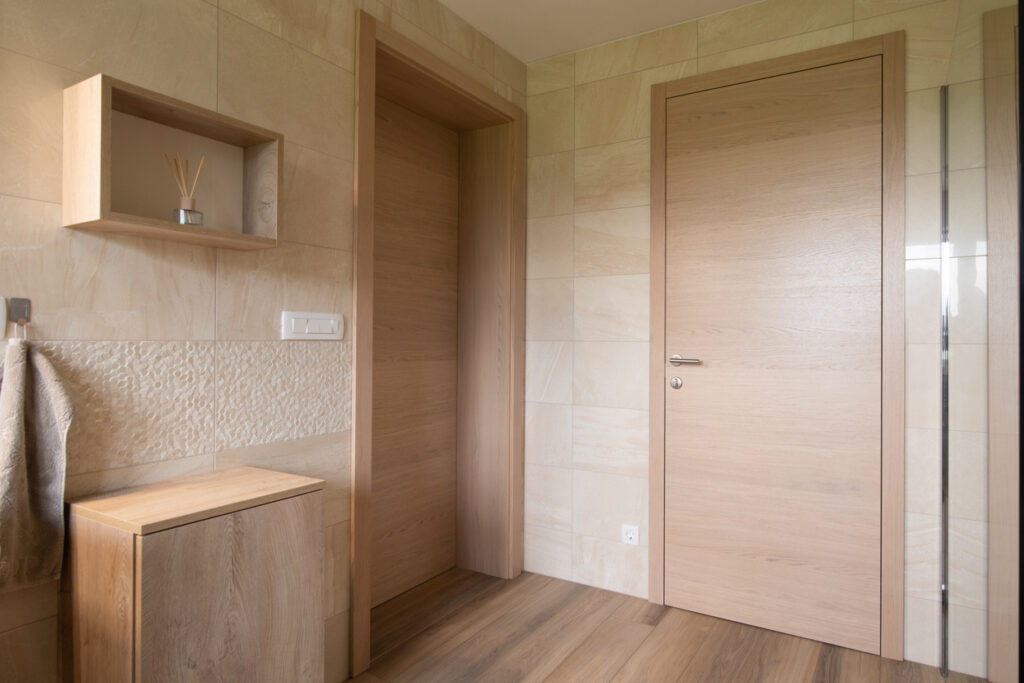
Open plan living feels great until winter hits. Heat moves quickly into unused spaces, making it harder to keep occupied rooms warm. This is especially noticeable in hallways and stairwells.
Keeping doors closed in the evenings helps trap heat where people actually sit. Draught excluders on internal doors can help too, especially in older homes with uneven flooring.
9. Insulate hot water tanks and cylinders properly.
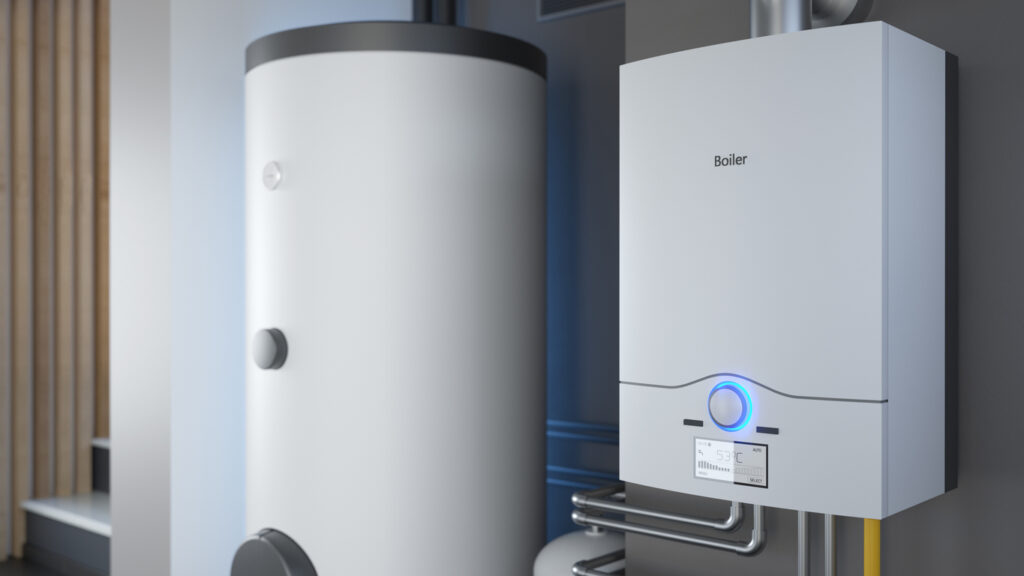
An uninsulated or poorly insulated hot water tank loses heat constantly, even when not in use. That wasted heat adds to energy bills without improving comfort.
A modern cylinder jacket keeps water hotter for longer and reduces how often the boiler needs to fire up. It’s a simple upgrade that pays off through winter and beyond.
10. Fix small issues now instead of waiting for colder weather.
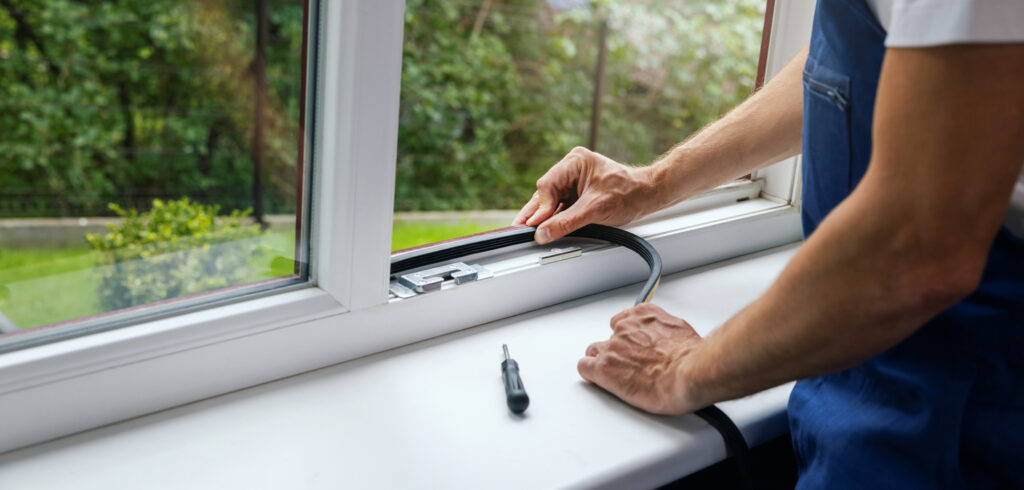
Minor problems often get ignored until winter makes them unbearable. A loose seal, cracked filler, or missing insulation becomes much harder to deal with once temperatures drop and days get shorter.
Spending a bit of time now checking and fixing these small leaks saves stress later. When the coldest weather arrives, a home that holds onto heat properly feels calmer, cheaper to run, and far more comfortable day to day.