School teaches us a lot of things, from how to calculate the area of a triangle, the periodic table, and the dates of major battles.
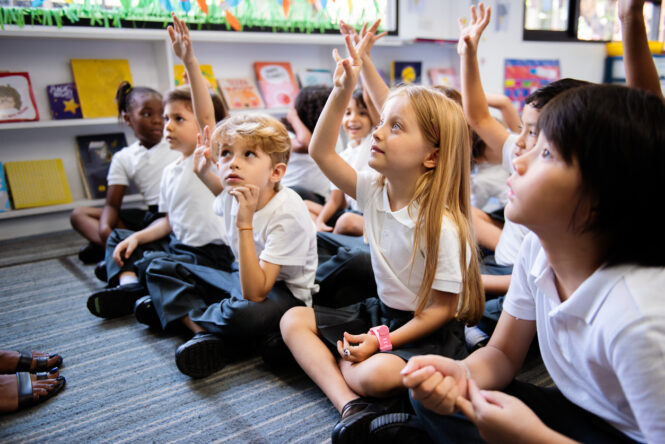
Sadly, the stuff that really hits you as an adult is usually nowhere in the curriculum. There’s a whole set of uncomfortable truths that most of us have to figure out the hard way. If they were covered in school, life might be a little less confusing (and a lot less painful) for everyone. Here are 13 of the biggest lessons many of us sadly only learn later on.
1. Not everyone will like you, and that’s fine.

You can be kind, thoughtful, and do everything right, and someone will still find a reason to dislike you. School often pushes the idea that being liked is a marker of success, but real life isn’t a popularity contest. It’s more important to be respected and true to yourself than to be liked by everyone. Learning to be okay with not being everyone’s cup of tea is freeing, but it’s rarely taught early enough.
2. Failure is part of the process.

School tends to treat failure like a final verdict. One bad grade, one missed assignment, and suddenly, your whole future feels at risk. But in real life, failure is how we learn and grow. Most people who’ve done something worthwhile have failed dozens of times first. If we taught that failure is a step, not a stop, more people might take the risks that lead to real progress.
3. No one’s coming to save you.

It’s a tough pill to swallow, but the truth is, most of life’s big challenges are yours to face alone. Friends and support systems help, but at the end of the day, it’s on you to do the work. That doesn’t mean you have to do everything without help, but expecting someone else to fix your life will leave you disappointed. You’re the main character, and the choices are yours.
4. Your time is your most valuable currency.

We’re taught to protect our money, but not our time. The older you get, the more you realise time is the one thing you can’t earn back. How you spend it, and who you give it to, matters a lot. Learning to say no, set boundaries, and use your time intentionally is one of the most powerful skills you can have. And yet, no one really teaches it when it counts.
5. People will project their issues onto you.

Sometimes someone’s rude, dismissive, or overly critical, and it has nothing to do with you. People carry their own baggage and often take it out on other people without realising it. It’s not your job to absorb other people’s pain or decode their moods. Understanding what’s yours to carry and what isn’t could save you years of unnecessary self-doubt.
6. Life isn’t fair, and it never will be.

School tends to push the idea that effort equals reward. But out in the world, things don’t always add up that neatly. Hard workers don’t always get promotions. Good people don’t always get kindness back. That doesn’t mean you should give up. It just means you have to work with what is, not what should be. Resilience comes from accepting life’s messiness, not fighting it at every turn.
7. Most people are thinking about themselves, not you.

That embarrassing thing you said two days ago? You’re still replaying it, but no one else is. Most people are too busy thinking about their own lives to focus on your flaws or mistakes. Once you realise that, it becomes easier to stop over-apologising or trying to manage how other people see you. Freeing yourself from imagined judgement is a game-changer.
8. You won’t always feel motivated, and that’s okay.

There’s a myth that successful people are constantly inspired and energised. However, most of them just show up and do the work, even when they don’t feel like it. Motivation comes and goes, but discipline sticks around. Waiting to feel “ready” often leads to nothing getting done. Learning how to act without the perfect mood or mindset is what keeps you moving when things get hard.
9. Friendships require effort, not just time.

When you’re younger, it’s easy to think that friends will always be around. But adult friendships often fade without regular care. Staying connected takes effort, planning, and sometimes uncomfortable honesty. Strong friendships aren’t about how long you’ve known someone. They’re about how you show up for each other now. That kind of relationship literacy should be taught, but it rarely is.
10. You can outgrow people, and it doesn’t make you a bad person.
As you grow and change, some relationships just stop fitting. You might start to feel drained instead of supported, or realise you’re holding onto a bond that no longer exists in real time. Letting go doesn’t mean you’re disloyal or unkind. It means you’re respecting your own growth. But this nuance is rarely taught, which is why so many people stay stuck in draining friendships for years.
11. Confidence is mostly faked at first.

You don’t magically wake up one day brimming with self-assurance. Most people start by faking it, like by saying yes to things before they’re ready, or speaking up even when they’re shaking inside. Real confidence comes from experience. From proving to yourself, over and over, that you can handle more than you thought. If that was taught earlier, fewer people would wait around for permission to believe in themselves.
12. You can be doing everything “right” and still feel lost.
Ticking every box—career, relationships, financial goals—doesn’t guarantee clarity or peace. Sometimes you follow the rulebook to the letter and still end up wondering, “Is this it?” Feeling lost isn’t a sign of failure. It’s often a sign that you’ve outgrown a version of yourself. But when no one tells you that, it’s easy to think you’re just getting life wrong somehow.
13. No one really knows what they’re doing.

That adult you thought had it all figured out? They’re probably winging it, just like you are. Most people are making it up as they go, even if they look confident from the outside. The pressure to have a perfect life plan is unnecessary and unrealistic. If we normalised uncertainty earlier, more people would take chances and explore paths that don’t fit a neat checklist, and that’s often where the good stuff is.