Getting older comes with all kinds of weird changes. Some are annoying, others unexpected, and a few just plain baffling.

However, not every change in your body or brain means something’s wrong. In fact, a lot of what people panic over is just your body doing exactly what it’s meant to do as you age. Here are the signs that might feel alarming at first, but are actually a completely normal part of getting older. In other words, don’t worry about them. You’re doing just fine.
1. You need more time to recover from things.

Whether it’s a night out, a workout, or even just a busy weekend, you’ve probably noticed it takes longer to bounce back than it used to. That doesn’t mean you’re doing anything wrong. It’s just part of how the body slows down with age. Your muscles, energy levels, and sleep patterns all change as time goes on. Recovery isn’t worse, it’s just different. Learning to pace yourself instead of powering through everything is a pretty normal (and smart) adjustment.
2. You forget names more often.
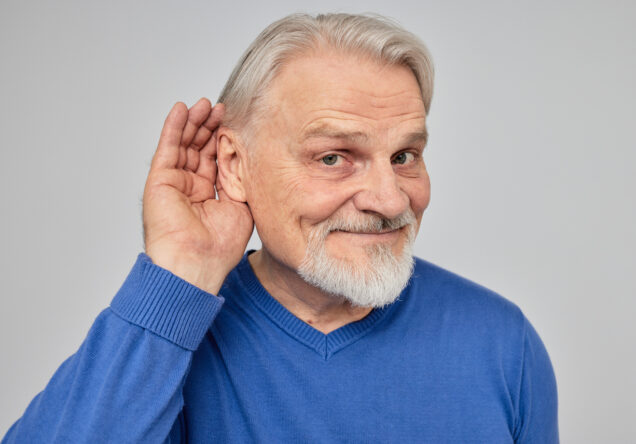
You run into someone you know and suddenly draw a blank on their name—it’s frustrating, but very common. That “tip-of-the-tongue” moment tends to happen more as we age, especially when we’re juggling lots of info at once. It’s not a sign of serious memory loss. Chances are, it’s just slower retrieval. Your brain’s still storing the info, it just takes a bit longer to find it. Usually, the name pops back into your head ten minutes later when it no longer matters.
3. Your skin gets drier and thinner.
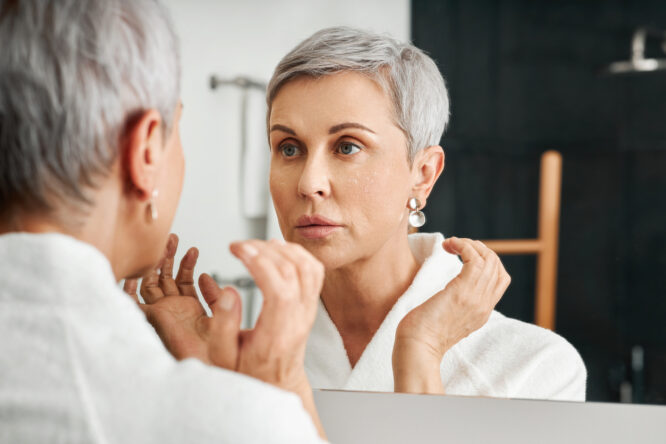
Fine lines, dry patches, or skin that bruises more easily aren’t cause for alarm, just signs that collagen and oil production are naturally winding down. It’s all part of the process. Moisturiser becomes your best friend, and sun protection matters more than ever. You don’t have to chase youth. You just need to work with the skin you’ve got now, not the one you had at 25.
4. You feel stiffer in the mornings.

If you have to do that slow stretch to get out of bed, or your knees feel weird for the first few steps, it’s not just you. Joints and muscles tighten overnight as we age, especially if you’ve been less active than usual. It’s normal, not alarming. Gentle movement, regular stretching, and a bit of patience first thing in the morning can make a big difference. Your body’s not broken; it just needs a bit more warming up now.
5. You can’t eat like you used to.

Foods that used to be fine suddenly leave you feeling bloated, tired, or just… off. As you age, your digestion slows down, and things like dairy, spicy food, or heavy meals might hit differently. It’s frustrating, but totally standard. You’re not becoming “fragile”; you’re just tuning into what your body actually wants now. Swapping in gentler foods doesn’t mean giving up flavour, either. You just need to listen to your body a bit more.
6. Your sleep gets a bit weirder.

You might find yourself waking up more often, sleeping lighter, or feeling more tired even after a full night in bed. Sleep changes with age, often due to changing hormone levels or just a more sensitive internal clock. It’s not a sign that something’s wrong, thankfully. Really, it just means your sleep patterns are adjusting. Naps, wind-down routines, or earlier bedtimes aren’t signs of weakness, either. They’re smart ways to work with your body, not against it.
7. You start noticing more stray hairs.
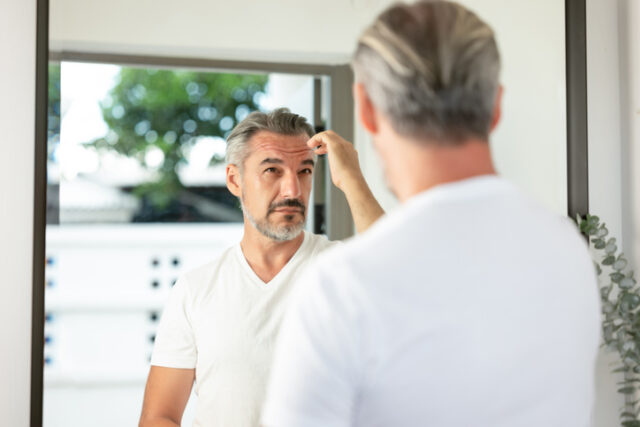
Yes, random chin hairs. Nose hairs. Hair growing in places it never used to, while thinning in places you wish it wouldn’t. It’s all part of the hormonal changes that come with getting older, for men and women alike. It’s not a personal failure, it’s biology. You can pluck, trim, or wax if it bothers you, but don’t take it as a sign of “letting yourself go.” Everyone’s dealing with some version of it.
8. You get more emotional out of nowhere.

You tear up at random adverts, or find yourself hit by unexpected waves of nostalgia. As we get older, emotions tend to sit closer to the surface, partly from experience, and partly from changes in brain chemistry. This isn’t weakness; it’s actually a sign that you’ve lived, felt deeply, and seen enough of life to respond to it differently. That kind of openness can be a strength, not something to hide.
9. Your balance isn’t what it used to be.

You trip more easily, feel a bit unsteady on stairs, or find yourself holding onto railings that you used to ignore. It’s all totally normal. Age affects your inner ear, muscle tone, and reaction times, even if you’re otherwise fit. The good news is, balance can be improved with practice. Exercises like tai chi, yoga, or even walking on uneven ground can help your body recalibrate. It’s not a lost cause, just a new area to pay attention to.
10. You’re less tolerant of loud, chaotic spaces.

Loud restaurants, big crowds, or even just noisy conversations might start to feel more draining than fun. That’s not you turning into a grump. In fact, it’s a normal change in sensory tolerance as the brain becomes more sensitive to overload. It’s okay to crave quiet, or prefer smaller groups. It doesn’t mean you’re antisocial—it means you’re being honest about your limits. That’s not a flaw, it’s wisdom.
11. You can’t multitask like you used to.

Trying to cook dinner while taking a call while replying to a text? If it now feels like you’re juggling flaming swords, you’re not alone. Multitasking gets harder with age, not because your brain is failing, but because it’s getting more focused. The upside is that you’re likely doing each thing more thoroughly, even if it takes a little longer. Slower doesn’t mean worse. Instead, it often means more deliberate.
12. You need brighter light to read.

If you’re constantly reaching for reading glasses or turning on an extra lamp, it’s not just tired eyes—it’s a very common part of ageing called presbyopia. Basically, your eyes aren’t as good at focusing up close anymore. There’s nothing dangerous or unusual about it. It’s just one of the many little ways the body changes over time. Glasses, larger fonts, and good lighting are normal tools, not signs of slipping.
13. You get full faster.

Smaller portions feel more satisfying, and you might even forget to eat because you’re just not as hungry. That’s normal; your metabolism has slowed down, and your appetite usually adjusts with it. As long as you’re eating enough overall, there’s no need to force big meals. Listen to your body. Feeling full sooner isn’t a problem. It’s just a sign that your system is running on a different pace now.
14. You care less about impressing people.

Worrying less about what other people think isn’t some personality change; it’s one of the better perks of ageing. You’ve lived enough life to realise most things aren’t worth the stress, and that peace often beats popularity. The change in mindset is deeply normal, and incredibly freeing. The more years you collect, the more permission you feel to just be yourself. And honestly, that’s something to look forward to, not fear.