
Food cravings can be frustrating, not because you lack willpower, but because they often pop up out of nowhere and feel oddly urgent. One minute you’re fine, the next you’re fixating on biscuits, cheese, or anything salty, sweet, or crunchy. But cravings are usually about more than just hunger. They often reflect emotional needs, energy dips, or routine habits your brain has got used to. Instead of trying to ignore them with brute force, these strategies help you understand what’s really going on, and respond in a way that actually works long-term.
Don’t react straight away.
Cravings usually arrive with urgency: your brain wants that food now. However, you don’t have to act instantly. Give yourself a short pause before reaching for anything. Even a 5-minute delay can take the edge off that intense pull. Taking a beat helps you check in with yourself: are you stressed? Tired? Bored? That tiny gap between urge and action gives you more choice over what happens next, instead of moving on autopilot.
Be more thoughtful than critical.
Most people respond to cravings with guilt or frustration, which only fuels the cycle. Try changing your mindset: “What’s this craving trying to tell me?” rather than “What’s wrong with me for wanting this?” Cravings are signals, not flaws. They might be alerting you to low energy, poor sleep, emotional overload, or even dehydration. Understanding the “why” behind the urge gives you more power to deal with it calmly and kindly.
Hydrate first—you’re probably thirsty rather than hungry.
Dehydration can often mimic hunger or intensify cravings. Before you dive into food, try drinking a glass of water and waiting a few minutes to see how you feel. Sometimes your body’s simply asking for fluid, not fuel. Getting into the habit of hydrating before responding to a craving can reduce the intensity and help you make more thoughtful decisions.
Eat enough during the day.
Restrictive eating or skipping meals often leads to powerful cravings later, usually for high-sugar or high-fat foods. Your body doesn’t want to sabotage you; it’s trying to compensate for what it’s missed. Make sure you’re eating balanced meals with enough protein, fibre, and healthy fats. Nourishing yourself consistently is the best defence against out-of-control urges later on.

Keep your trigger foods out of autopilot zones.
If certain foods tend to spark mindless eating, don’t leave them within arm’s reach while watching TV or working. You’re not weak; it’s just how habits form. Proximity makes cravings easier to act on. Try putting those foods in a cupboard that requires intention to reach. The extra step gives you time to ask yourself if you really want it, or if you’re just reacting out of habit or emotion.
Get up and move your body (even for two minutes).
Physical movement can disrupt a craving pattern fast. You don’t need a full workout; just stretching, a walk, or dancing in your kitchen can change your brain chemistry and reduce the intensity of the urge. Cravings often build when your energy stagnates. Moving changes your focus and boosts your mood, which often lowers the emotional need that triggered the craving in the first place.
Practise the “HALT” check-in.
HALT stands for Hungry, Angry, Lonely, Tired. These four states are some of the most common emotional triggers for cravings. When a strong urge hits, mentally run through this checklist. If you tick any of those boxes, address that need first. Sometimes what feels like hunger is actually your body’s way of coping with something deeper. Meeting the real need usually lowers the craving.
Choose a satisfying alternative.
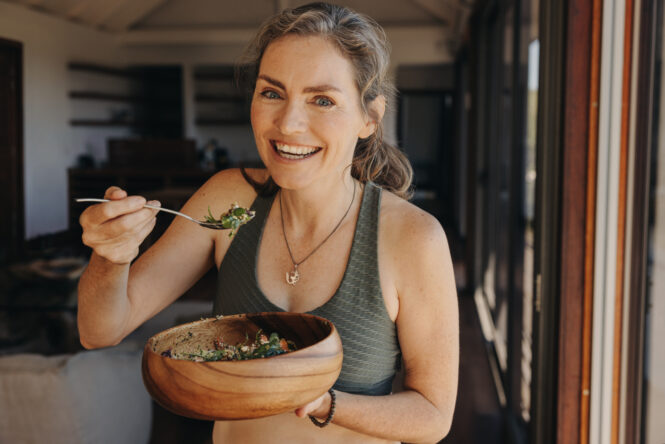
You don’t always have to say no; you can redirect. Craving something crunchy and salty? Try roasted chickpeas or lightly salted popcorn. Want something sweet? Go for fruit with nut butter or Greek yogurt with honey. The goal isn’t to deny yourself, but to offer your body something that still feels good, without the post-craving regret. Finding swaps you genuinely enjoy makes it easier to manage future urges without white-knuckling through them.
Distract yourself with something immersive.
Not all distractions work the same. Scrolling your phone while fighting a craving often keeps the craving alive in the background. But doing something immersive, like cleaning a drawer, calling a friend, or getting outside, breaks the loop. The key is to fully engage your brain and body. Give yourself something else to focus on long enough for the craving wave to pass. It usually does if you stop feeding it with attention.
Identify your craving “time zones.”
Most people have specific times of day when cravings hit harder—late afternoon, after dinner, or late at night. Track yours for a few days to spot the patterns. Once you know when cravings strike, you can plan around them. Pre-empt those windows with a healthy snack, a short walk, or a mood-lifting activity. Planning ahead removes the element of surprise and helps you stay grounded when the urge rolls in.

Ditch the all-or-nothing mindset.
One slip doesn’t mean the day is ruined. That “I’ve already blown it” thinking leads to more impulsive eating than the original craving ever would. Socially and emotionally, it’s progress to slow down, even after giving in. Learn to treat each craving as one decision, not the beginning of a free-for-all. Self-compassion keeps you calm, and calm people make better choices, especially around food.
Keep your hands and mouth busy.
Sometimes cravings are about oral fixation—chewing, tasting, doing something repetitive. Chewing gum, sipping tea, or even using a toothpick or mint can help satisfy that sensory need without leading to full-on snacking. If your mouth wants something to do, give it options that don’t derail your goals. It sounds small, but this trick often takes the edge off without making you feel deprived.
Reflect afterward without shame.
If you do give in to a craving, take a minute to think about what happened, but don’t be too hard on yourself. What were you feeling? What helped or didn’t help? Use it as data, not ammo to beat yourself up. Conquering cravings doesn’t require perfection. Instead, it’s about building awareness and resilience. Every experience teaches you something. The more you reflect without shame, the easier it becomes to handle the next wave with confidence.