Loneliness as an adult often feels like a personal failing, but for a lot of people, that hollow feeling in a crowded room actually started decades ago.

It’s not just about having a quiet social calendar; it’s about a deep-seated struggle to feel safe or seen when you’re around other people. When your early years were marked by chaos or a lack of emotional support, your brain effectively wired itself to stay on high alert, making genuine connection feel more like a threat than a comfort. It’s a bit of a heavy realisation to see that the walls you built to protect yourself as a kid are the same ones keeping you isolated today.
The link between what happened back then and how you feel now usually shows up in the way you handle trust and vulnerability. If you learned early on that the people supposed to care for you were unpredictable or dismissive, it makes sense that you’d grow up into someone who keeps everyone at arm’s length. You end up in a cycle where you crave closeness but subconsciously push it away because being “known” feels like a liability. Understanding that your current loneliness is a survival strategy that’s outlived its usefulness is the first step toward finally letting people in. These 16 points explain exactly how those early experiences are still pulling the strings on your social life.
1. You keep moving in ways that feel natural, not punishing.

People who feel young for their age rarely force themselves into extreme workouts. They walk, stretch, lift light weights, garden, swim, or cycle because it fits into real life and doesn’t feel like punishment. The body responds better to movement that happens often than to bursts of intensity followed by long gaps.
What really matters is staying mobile rather than chasing fitness milestones. Being able to get up from the floor, carry shopping, and move without stiffness protects independence later on. Those everyday movements quietly stack up over decades.
2. You protect your joints instead of trying to tough it out.

Ignoring pain doesn’t make you strong, it usually just shortens your usable years. People who age well pay attention to their knees, hips, shoulders, and back long before anything becomes serious. They rest when something feels off and adjust how they move rather than pushing through.
Small changes early make a big difference later. Choosing supportive footwear, warming up properly, and not repeating movements that hurt keeps wear and tear manageable. Joint care isn’t dramatic, but it keeps you feeling capable far longer.
3. You keep learning new things, even when it feels uncomfortable.
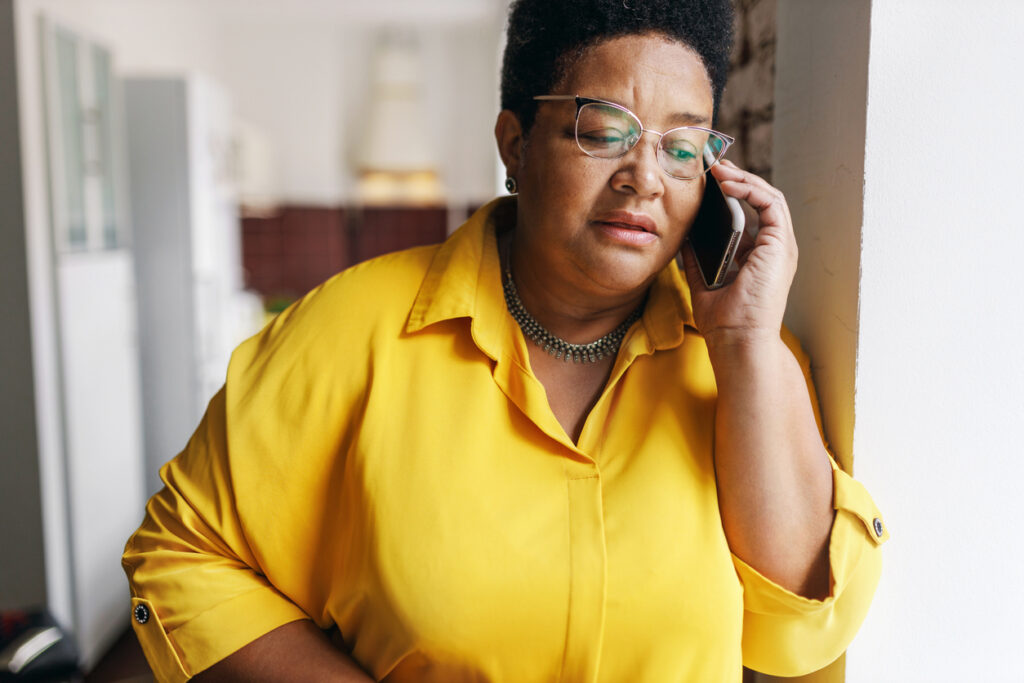
Feeling young has a lot to do with how flexible your thinking stays. Learning new skills, even small ones, keeps the brain engaged instead of running on autopilot. That could be learning a language badly, picking up a new hobby, or figuring out unfamiliar technology.
People who stay mentally curious tend to feel more alive because they’re still growing. The discomfort of being a beginner again actually keeps the mind elastic. Comfort zones feel safe, but they age you faster than you realise.
4. You take sleep seriously without obsessing over it.

Good sleep isn’t about perfect routines or tracking every minute. It’s about respecting rest as essential rather than optional. People who feel younger longer tend to prioritise consistent sleep times and protect their evenings from constant stimulation.
Sleep repairs the body and steadies emotions in ways nothing else really can. Skipping it regularly shows up years later as stiffness, fogginess, and low resilience. Treating rest as non-negotiable pays off quietly over time.
5. You stay socially connected, even when life gets busy.
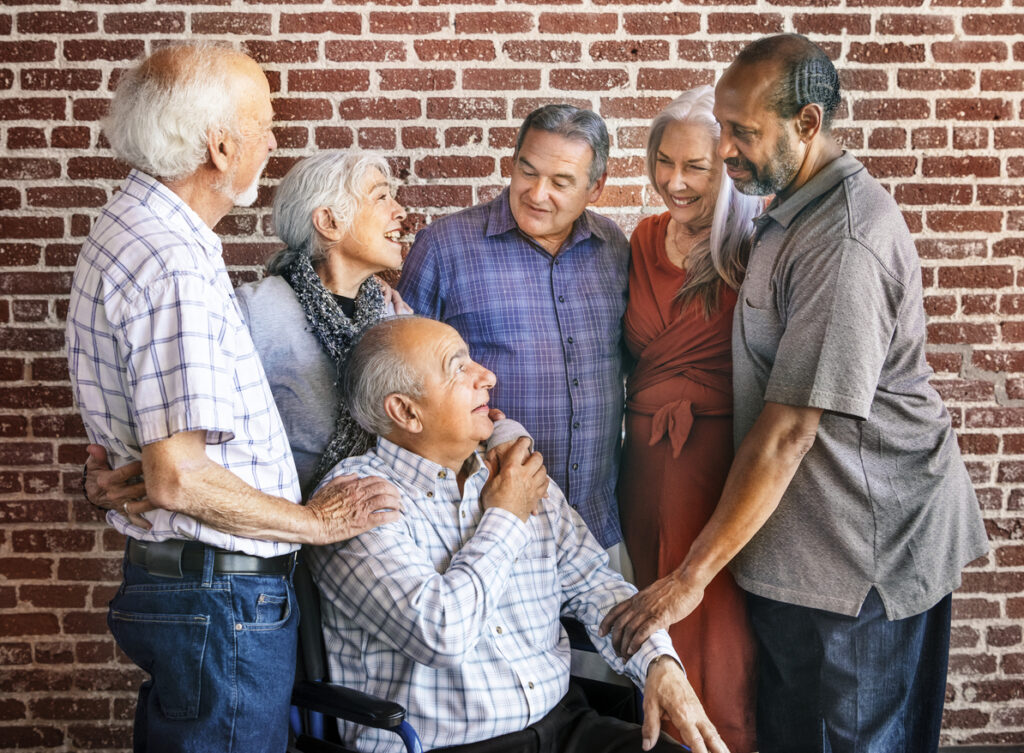
Loneliness ages people faster than almost anything else. Regular conversations, shared laughs, and feeling known by other people keeps the nervous system calmer and more balanced. It doesn’t require a huge social circle, just consistent connection.
People who feel younger often make the effort to keep friendships alive, even when it’s inconvenient. A coffee, a phone call, or a shared walk does more than you’d expect. Social ease keeps the mind and body lighter.
6. You eat in a way that supports energy, not trends.
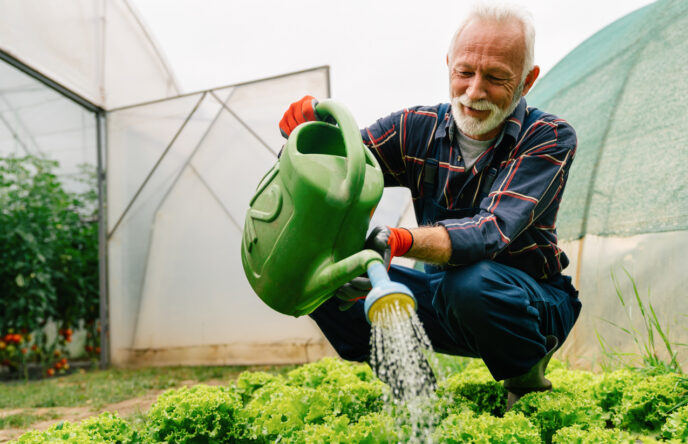
Chasing diets usually backfires in the long run. People who age well tend to eat simply and regularly, focusing on foods that keep them feeling steady rather than restricted. They notice how food affects energy, digestion, and mood.
It’s less about perfection and more about patterns. Eating enough protein, fibre, and whole foods keeps the body working smoothly. Feeling nourished helps you move more, sleep better, and stay active naturally.
7. You manage stress instead of pretending it doesn’t affect you.

Stress doesn’t just live in the mind, it settles into the body over time. People who feel younger learn how to notice when they’re overloaded and respond before burnout hits. That might mean slowing down, saying no, or changing routines.
Ignoring stress usually shows up later as fatigue, tension, or health issues. Handling pressure early keeps your system more resilient as the years go on. Calm isn’t weakness, it’s maintenance.
8. You keep your posture and balance in check.
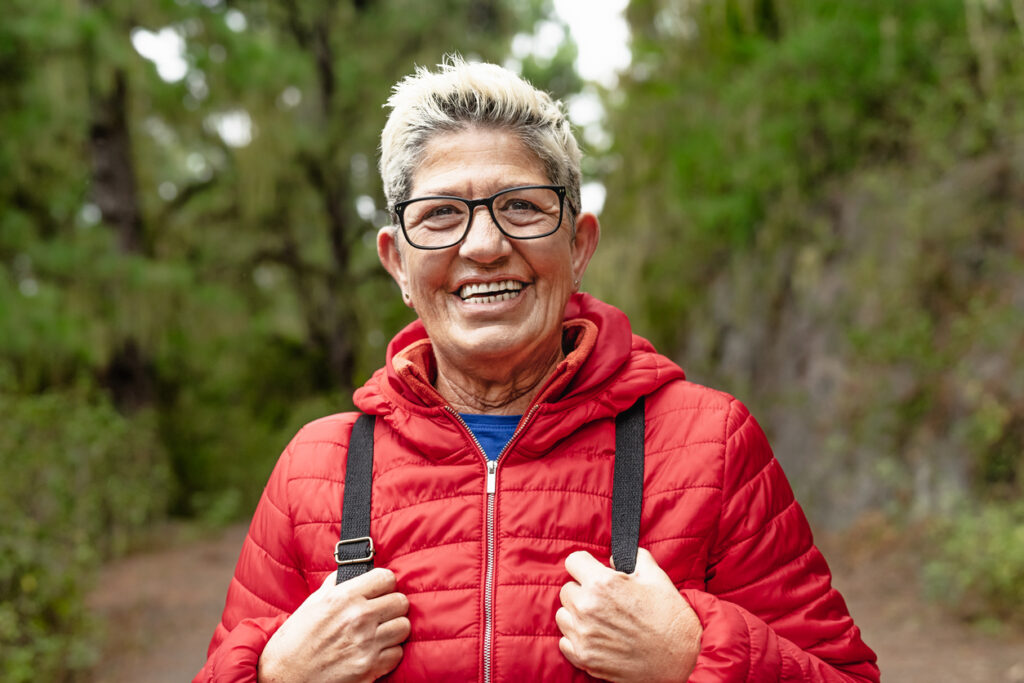
How you carry yourself affects how old you feel more than people realise. Strong posture and balance make everyday movement easier and reduce the risk of falls later on. People who age well often practise simple balance and strength exercises without fuss.
Standing tall, keeping the core engaged, and staying stable on your feet builds confidence in your body. That confidence feeds into everything else, from walking speed to how comfortable you feel in public spaces.
9. You don’t let bitterness harden you.

Emotional rigidity ages people quickly. Holding onto resentment, regret, or old anger weighs heavily over time. People who stay young at heart tend to process disappointment instead of letting it calcify.
This doesn’t mean being endlessly positive. It means finding ways to let things move through you rather than get stuck. Emotional flexibility keeps relationships easier and life feeling less heavy.
10. You stay involved with the world around you.

Feeling young has a lot to do with staying engaged rather than withdrawing. Keeping an interest in what’s happening, even casually, helps you feel part of something bigger. People who age well tend to stay curious about change instead of resisting it.
That might mean following new ideas, music, or social shifts without judgement. Staying involved prevents the sense that life is passing you by. Engagement keeps your sense of relevance alive.
11. You respect your limits without shrinking your life.

Ageing well isn’t about denial, it’s about adaptation. People who feel younger learn how to work with their limits instead of seeing them as failures. They adjust how they do things rather than stopping altogether.
This approach keeps life full while protecting health. Modifying activities preserves confidence and independence. Knowing when to adapt is often what allows people to keep going longer.
12. You maintain a sense of play and humour.

Playfulness doesn’t disappear with age unless it’s actively pushed out. Laughing, being silly, and enjoying light moments keeps stress low and joy accessible. People who feel young tend to take life seriously without taking themselves too seriously.
Humour softens hard days and keeps perspective intact. It helps relationships stay warm and makes challenges easier to carry. Play is emotional lubrication for ageing.
13. You build routines that support you, not drain you.

Routines shape how days feel, and days shape how years feel. People who age well design routines that make life easier rather than heavier. That includes simple mornings, predictable meals, and habits that reduce decision fatigue.
When life feels manageable, energy stays higher. Feeling supported by your own routines makes ageing feel less like a fight and more like a continuation. The right structure quietly protects your future self.
If you want this pushed even further in length for WordPress, I can expand each point with real-life examples or age-specific shifts without turning it into advice-speak.