Once you hit your 40s or 50s, the way you approach the gym has to change if you want to stay in the game for the long haul.

It’s no longer about smashing yourself into the floor or trying to beat the personal bests you set in your 20s; it’s about being clever with how you build muscle and protect your joints. Your body simply doesn’t bounce back from a heavy session like it used to, and a gung-ho attitude is a fast track to a nagging injury that keeps you on the sidelines for months. Flipping your focus toward longevity and recovery doesn’t mean you’re getting soft, it just means you’re training with enough sense to ensure you’re still lifting well into your 80s.
1. Lift heavy enough to properly challenge your muscles.

One of the biggest mistakes people make in midlife is staying comfortable with weights that no longer challenge them. If you can breeze through a set and still hold a full conversation, your muscles aren’t getting the signal to adapt. Strength only improves when there is enough resistance to make those final repetitions feel genuinely demanding.
That doesn’t mean chasing reckless numbers or lifting with poor form. It means choosing a weight where the last two or three reps feel tough while still controlled and steady. That level of effort encourages your body to preserve muscle mass, which naturally declines with age if it’s not consistently trained.
2. Prioritise compound movements over isolated exercises.

Movements such as squats, presses, rows, and deadlifts use several muscle groups at the same time and mirror everyday tasks. Standing up from a chair, lifting shopping bags or pushing a heavy door all rely on coordinated strength, not just one small muscle working on its own.
Focusing on these larger movements gives you more benefit in less time and supports better posture and joint stability. Isolation exercises still have their place, but they shouldn’t replace the core lifts that build real, practical strength throughout the body.
3. Slow down and control every repetition.

As you move into midlife, joint health becomes just as important as muscle growth. Rushing through reps or allowing momentum to take over increases strain on tendons and ligaments that are no longer as forgiving as they once were.
Lowering the weight with control and maintaining steady form throughout each repetition increases time under tension while reducing unnecessary impact. Controlled movement builds strength safely and helps you stay consistent without picking up avoidable aches.
4. Train consistently at least twice each week.

Muscle doesn’t remain strong on good intentions alone. Without regular training stimulus, it begins to decline more quickly than many people expect. Two structured, full body sessions per week are enough to maintain and steadily build strength.
Consistency matters more than frequency. You don’t need daily sessions, but you do need regular effort. When weeks pass without training, rebuilding lost strength feels harder and more frustrating than simply maintaining steady progress.
5. Treat recovery as part of your training plan.

In midlife, recovery really isn’t optional. Sleep, adequate protein and planned rest days allow your body to repair muscle tissue and support hormonal balance. Without proper recovery, even well-designed workouts lose their effectiveness.
Feeling constantly drained, stiff or unusually sore isn’t a sign of productive training. It often indicates that recovery needs attention. Supporting your body between sessions allows you to keep progressing without burning out or risking injury.
6. Strengthen your core and balance deliberately.
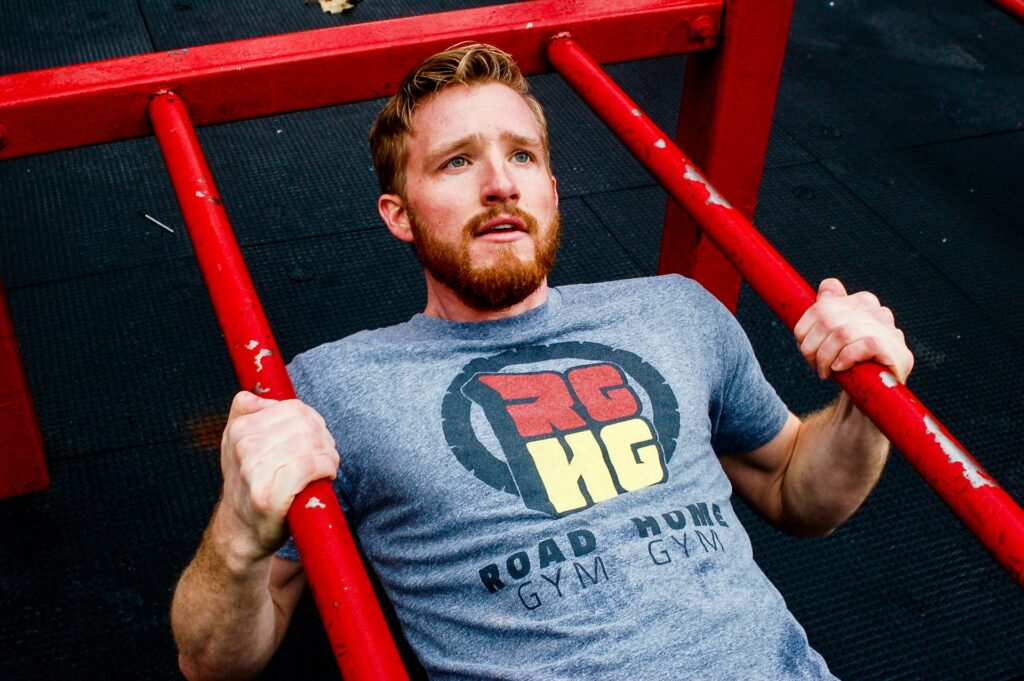
Balance and stability naturally decline if they’re not practised. Simple exercises such as single leg movements, loaded carries or controlled core work improve coordination and reduce the risk of falls as you age.
A strong core supports the spine during everyday activities and heavy lifts alike. You’re not aiming for visible abdominal muscles here, though that’s a nice added bonus. Really, it’s about building stability that protects your back and enhances overall strength in a practical, lasting way.
7. Progress gradually rather than in dramatic leaps.

Your body still adapts in midlife, but it benefits from steady progression rather than sudden jumps in intensity. Increasing weight in small increments or adding a few extra repetitions over time allows connective tissue to adapt alongside muscle.
Gradual progression reduces the likelihood of setbacks and keeps motivation steady. Small improvements compound over months and years, building strength in a way that feels sustainable rather than exhausting.
8. Focus on form before increasing weight.
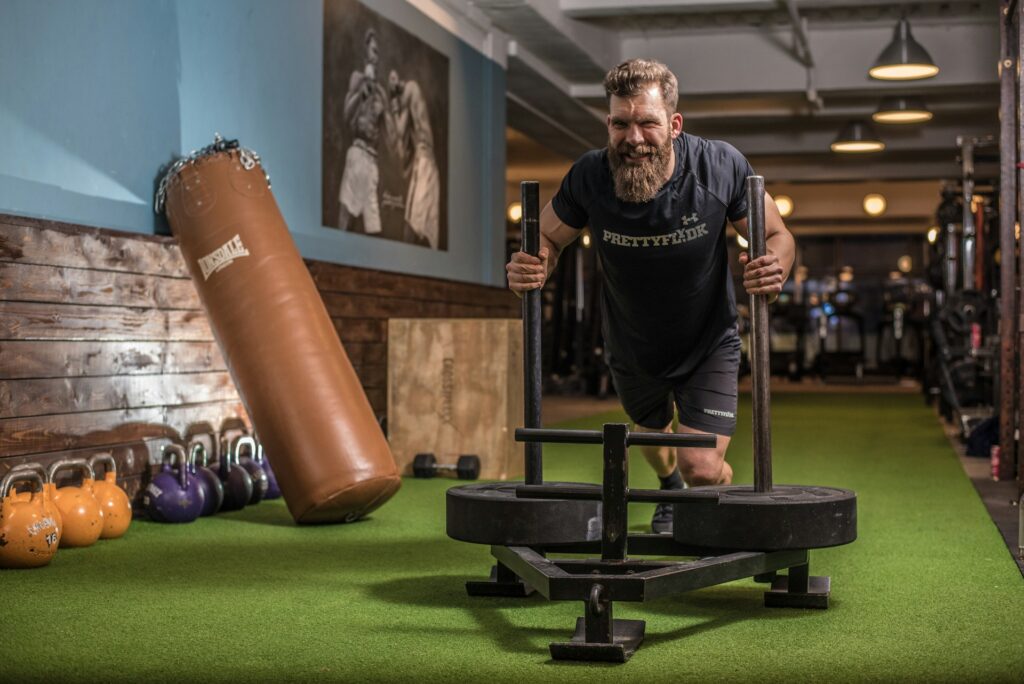
Good technique protects joints and ensures that the intended muscles are doing the work. Poor form often shifts stress onto weaker areas, leading to discomfort that interrupts training consistency.
Taking time to refine movement patterns, even if it means using lighter weights temporarily, pays off long term. Proper alignment and control make future strength gains safer and more reliable.
9. Eat enough protein to support muscle retention.

Muscle tissue requires adequate protein to repair and maintain itself, particularly as you age. Many people in midlife underestimate how much protein they need, especially if appetite decreases slightly over time.
Including a meaningful source of protein with each meal supports recovery and reduces muscle loss. Combined with resistance training, this nutritional support helps preserve strength and physical capability well into later life.
10. Think long term and remove ego from the process.

Midlife training isn’t a way of proving anything to anyone or competing with your younger self. Attempting to lift as you once did without adjusting expectations often leads to frustration or injury.
Approach strength training as a long-term investment in your future health. Consistent, moderate effort carried out week after week builds resilience, preserves independence and allows you to age with strength rather than decline.