Most of us just shove the shopping wherever it fits after a big trip to the supermarket, but the way you’ve got your fridge set up actually has a massive impact on how long your food stays safe to eat.
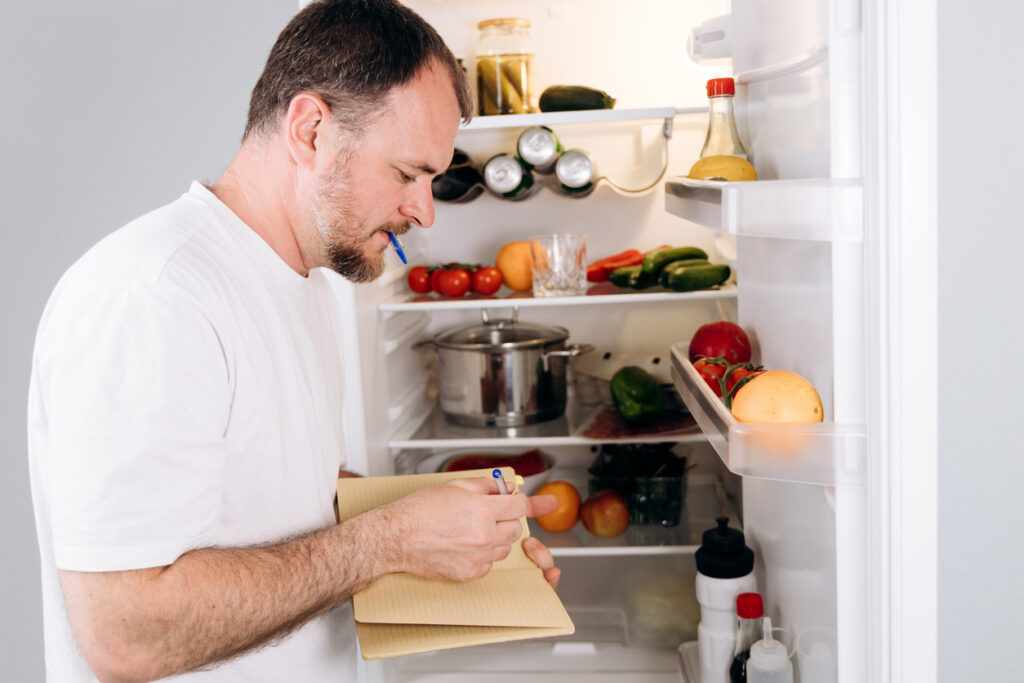
It’s not just about keeping things tidy for the sake of it; there is a proper science to how air moves and where the temperature sits on each shelf. When you get the layout wrong, you’re not just risking a bit of wilted lettuce—you’re potentially letting bacteria move from your raw meat onto your leftovers. Taking 10 minutes to move things around can make a huge difference in keeping your meals fresh and making sure you’re not accidentally making yourself ill.
Raw meat goes on the lowest shelf.
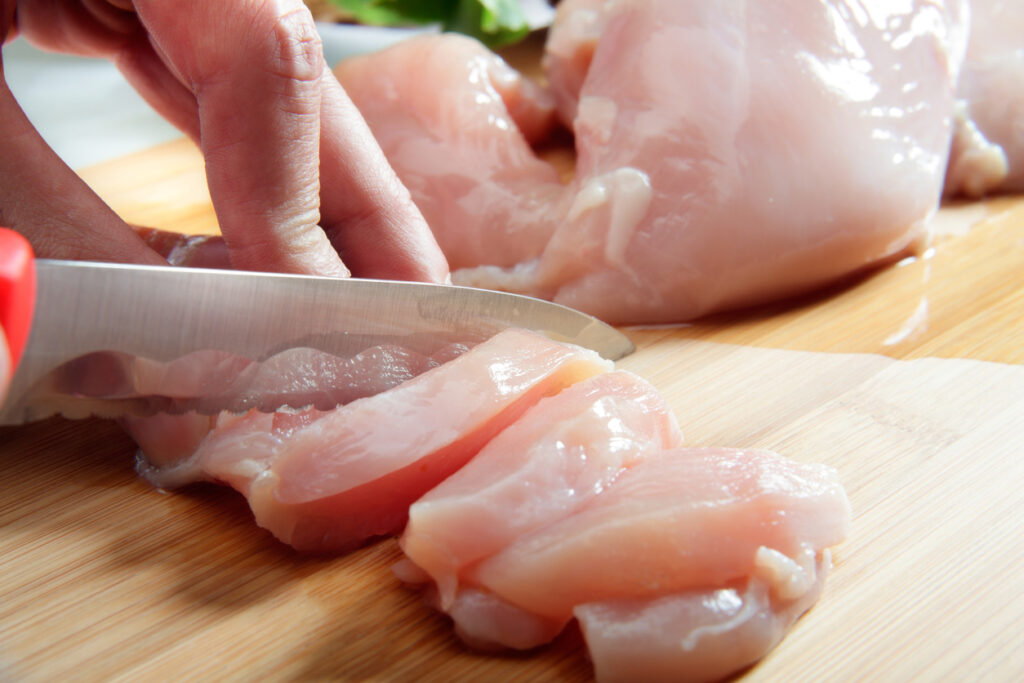
Placing raw meat at the lowest level of your fridge is the golden rule for food safety. Any drips from the packaging will fall down rather than contaminating other food stored beneath it, which is how foodborne illness gets passed around without you even realising. The whole point is keeping those raw juices away from ready-to-eat foods like vegetables, cheese, and leftovers that you won’t cook before eating.
Meat needs leak-proof packaging and extra protection.
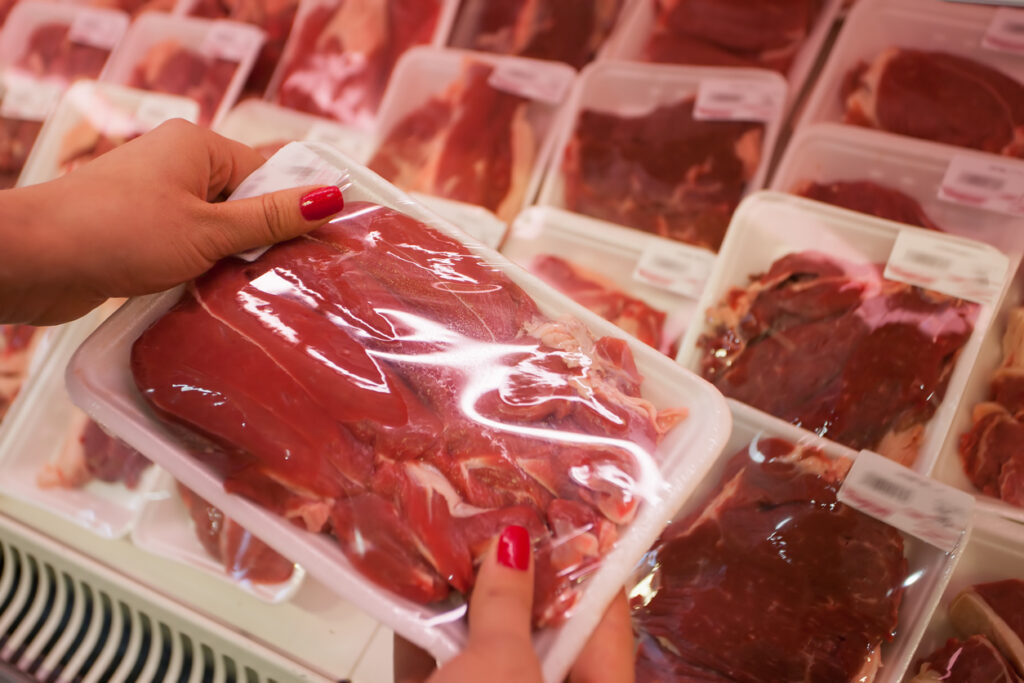
If you’ve wrapped meat in cling film, or it’s still thawing, putting it directly on a shelf is asking for trouble. Sit it on a plate underneath so any moisture gets caught before it spreads across your fridge. This is especially important if you’re defrosting something, since thawing meat releases more liquid than you’d think, and that liquid is exactly what transfers bacteria to other foods.
Check if fruit and veg actually need refrigeration first.

Not everything belongs in the fridge, and putting some fruits and vegetables in there can actually make them go bad faster. Tomatoes, potatoes, onions, and bananas are better kept at room temperature where they last longer and taste better. Only move them to the fridge if they’re starting to age, and you want to slow down the ripening process for a bit longer.
Don’t cut vegetables before you store them.
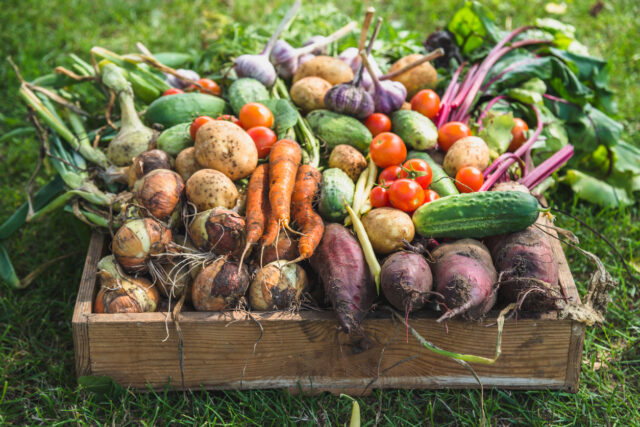
Cutting vegetables before putting them in the fridge is one of the quickest ways to make them rot. Once you’ve cut them, the exposed surfaces start breaking down immediately, and they’ll look sad and limp within days. Only remove the roots and stems, then wait until you’re actually cooking to cut them up, unless you’re planning to use them within a day and don’t mind them being less fresh.
Cheese belongs in the centre or crisper drawer.
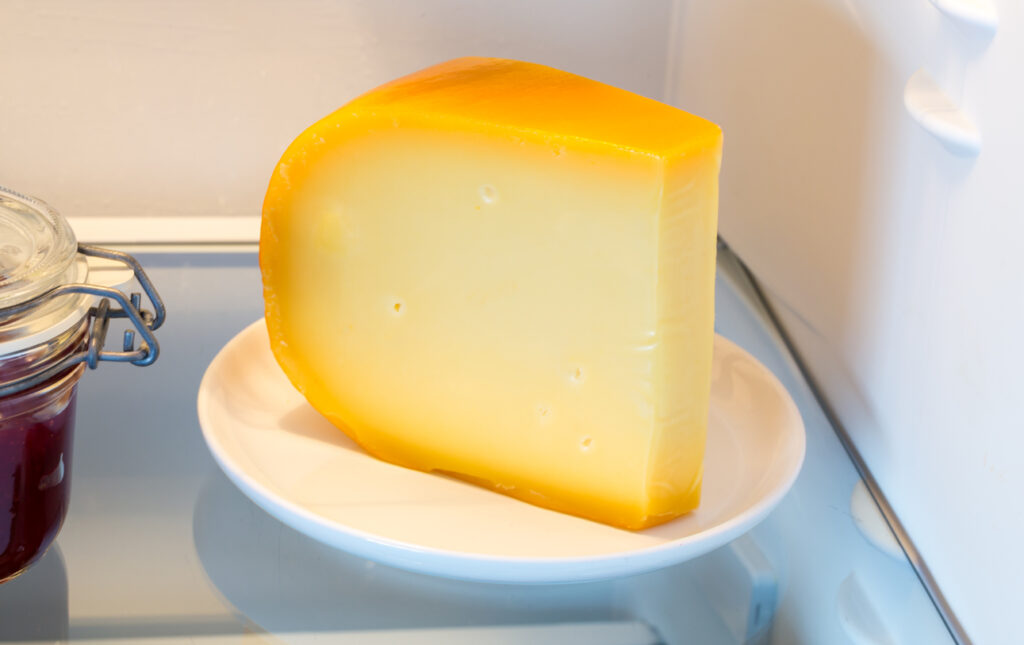
Hard cheeses stay fresher longer when they’re wrapped in plastic or wax paper and stored in the middle section of your fridge where the temperature is more stable. The crisper drawer works too, but make sure you’re not squashing it in there with heavy items that will damage it. Wrapping it properly keeps it from drying out and prevents it from absorbing flavours from other foods around it.
Strong-smelling cheese needs an airtight container.
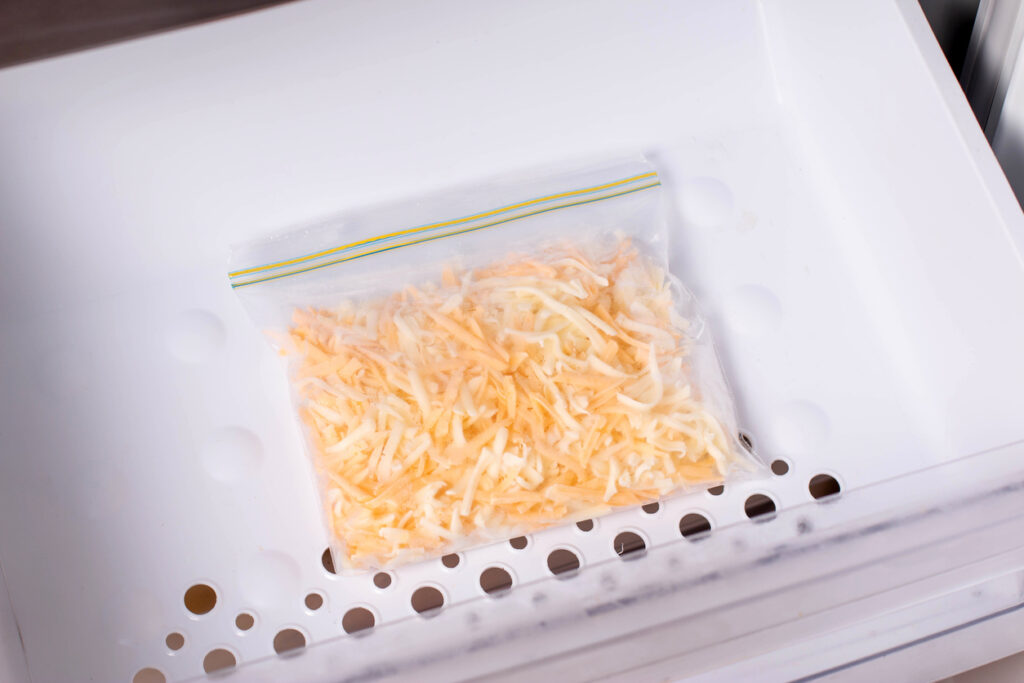
If you’ve got a cheese with a powerful smell, putting it straight on a shelf means that smell will permeate everything else in your fridge within hours. An airtight container with a lid keeps it contained so your butter, milk, and vegetables don’t end up tasting like blue cheese or whatever you’ve stocked. It’s a small step that makes a massive difference to everything else you’re storing nearby.
Soft cheeses don’t last very long once opened.
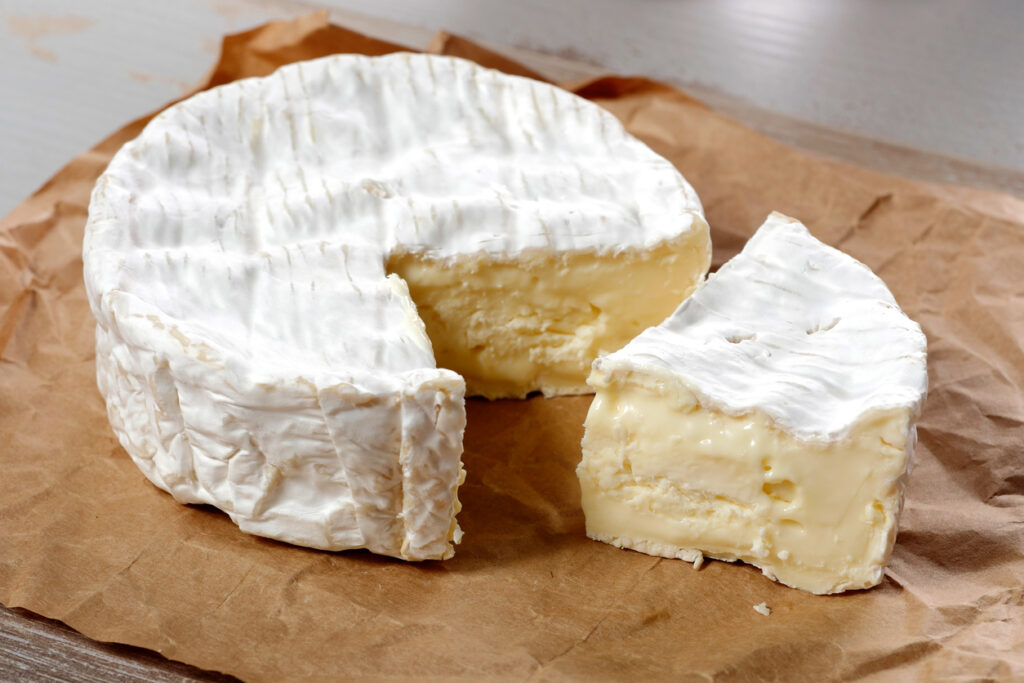
Soft cheeses like brie, Camembert, and cream cheese go off much faster than hard varieties, so you need to check them regularly for mould before eating. Once you’ve opened the packet, you’ve got a limited window before they become unsafe, especially if they start showing any spots of blue or green growth. Keep them in the coldest part of your fridge and use them within a reasonable timeframe.
Creamy dressings belong in the fridge, not the cupboard.
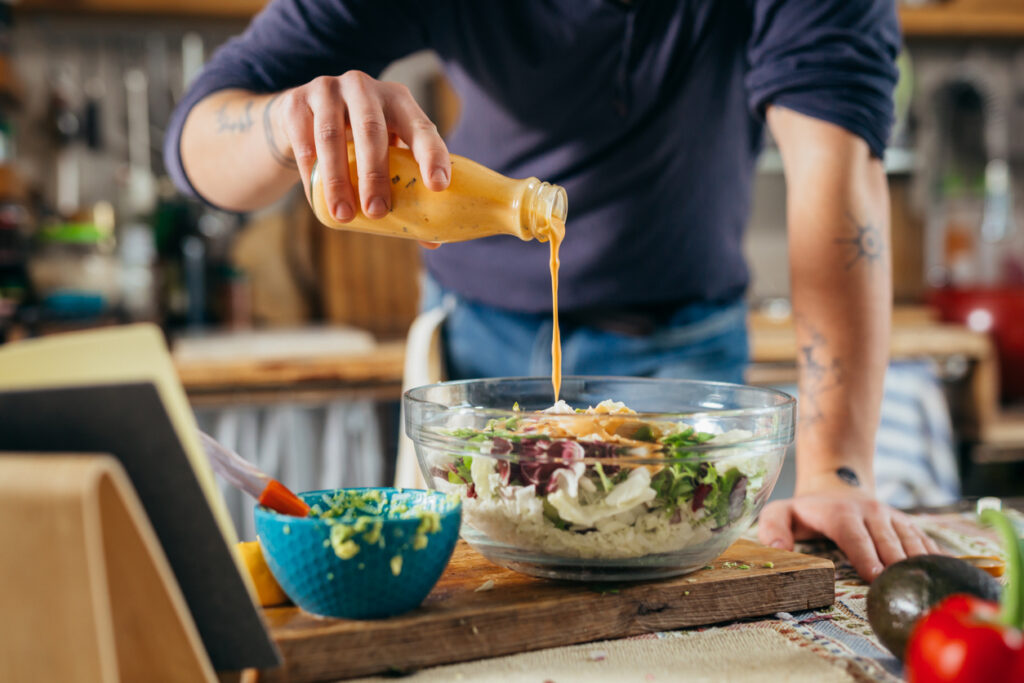
Salad dressings that contain eggs, cheese, or cream need to stay chilled because they can develop bacteria if left at room temperature. If you’ve made a homemade mayo-based dressing or got a creamy vinaigrette with dairy in it, the fridge is where it needs to be. Check the label on shop-bought ones to see what they recommend, and when in doubt, refrigerate it.
Oil and vinegar dressings are safe in your cupboard.

Plain oil and vinegar-based dressings don’t need refrigeration because the acidity and oil naturally preserve them without any help. Keeping them in the cupboard means you’re freeing up valuable fridge space for things that actually need to stay cold. Just make sure they’re in a cool, dark spot rather than next to your oven or in direct sunlight.
Eggs don’t go in the door, despite what your fridge suggests.
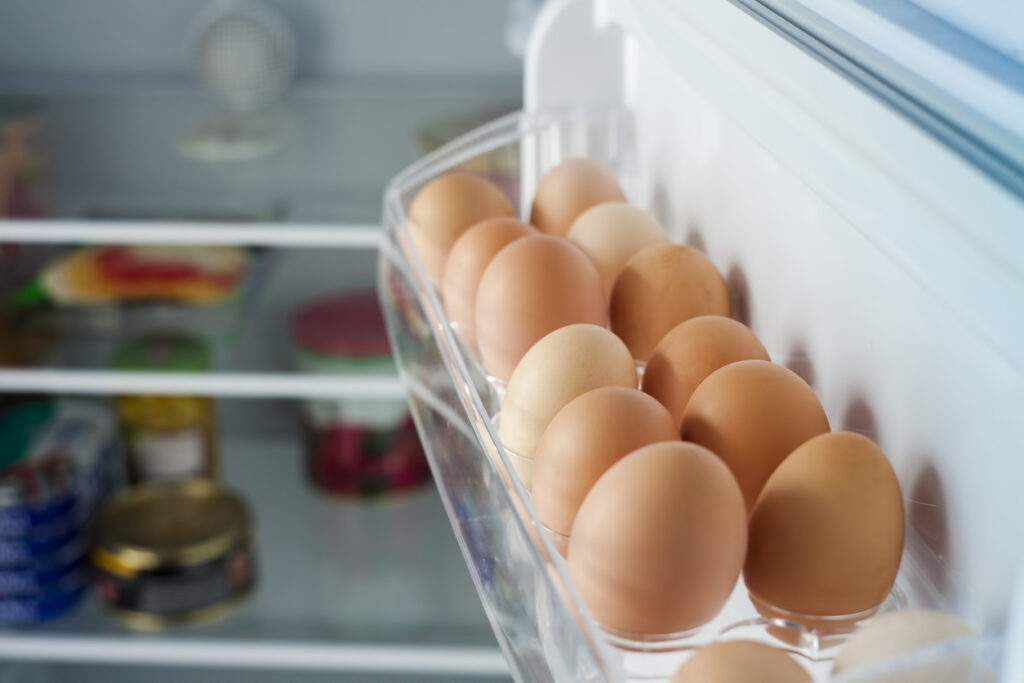
Most fridges come with an egg tray built into the door, which is honestly the worst place you could possibly store them. Every time you open and close your fridge door, the temperature fluctuates wildly, and that temperature instability makes eggs age faster and lose their freshness. Just because there’s a spot for them doesn’t mean it’s actually the right place to put them. In fact, in the UK, many people choose to leave their eggs out of the fridge altogether.
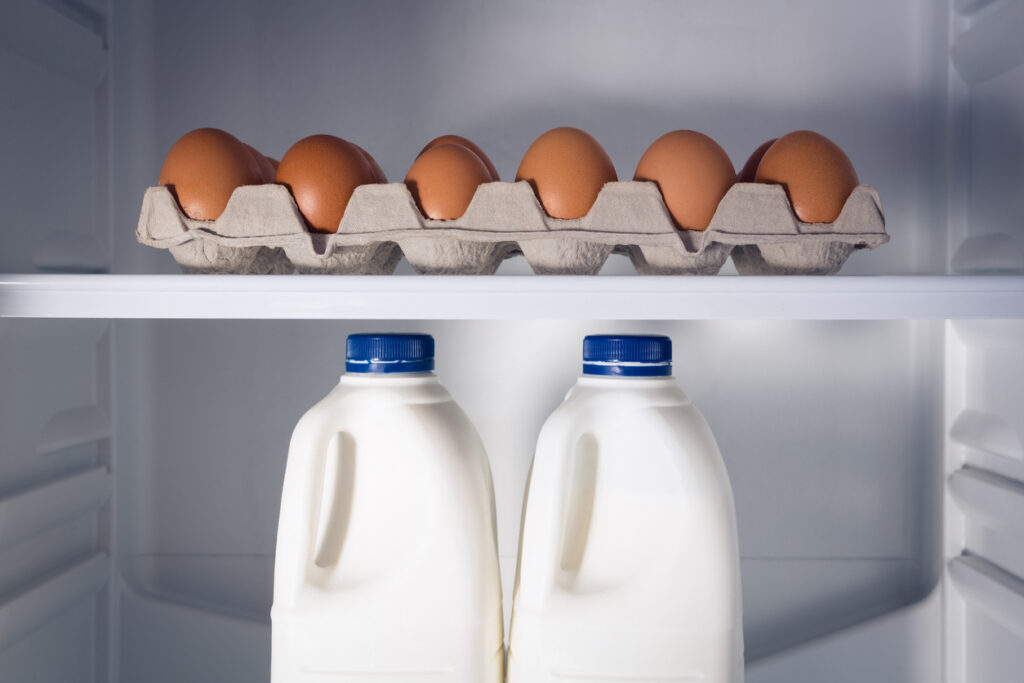
Keep eggs in their original carton on a middle shelf.

If you do want to refrigerate them, eggs need to stay in their original carton because it protects them from absorbing odours and moisture from other foods in your fridge. A middle or lower shelf is ideal because the temperature stays more consistent there than anywhere else in the fridge. The carton also protects the shells from damage and keeps them organised so you can easily see how many you’ve got left.
Store eggs away from strong-smelling foods.
Eggshells have tiny pores that allow strong smells to seep in over time, which is why keeping them away from onions, garlic, and pungent cheeses matters. If your eggs end up tasting slightly of garlic or whatever else was nearby, it’s because those smells have actually absorbed through the shell. A bit of space between your eggs and the aromatic vegetables makes all the difference to how they taste when you cook them.