Some foods are absolute powerhouses for your body, but sadly won’t be winning any awards for their flavour.

You end up eating them because you know they’re doing something useful behind the scenes, not because you’re actually looking forward to the taste. If you’ve ever found yourself forcing something down while muttering that it’s good for you, this list is going to feel very familiar.
It’s a bit of a trade-off, really; you put up with a bit of a boring or weird texture now so you don’t feel like rubbish later. Often, it’s just a case of getting used to things that aren’t packed with sugar or salt, and once you stop expecting every meal to be a party, you can actually appreciate what they’re doing for your health. Here are some of the least appetizing foods that do great things for your health.
1. Kale when it’s not dressed properly
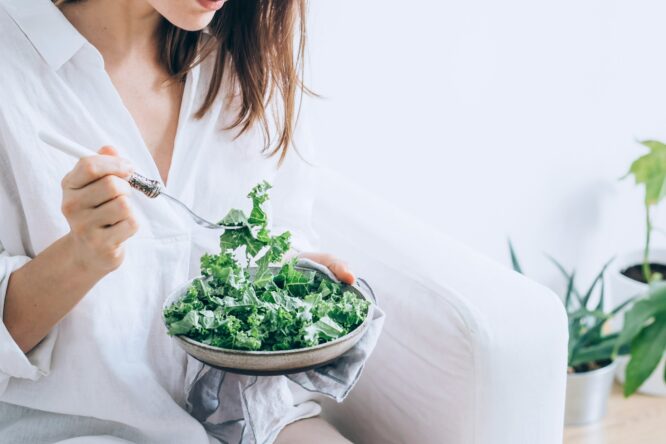
Kale has become the poster child for healthy living, but eating it raw and plain is basically like chewing on a hedge. It’s tough, a bit bitter, and frankly not very exciting unless you’ve put some effort into making it edible. If you’re just grabbing it straight from the bag, it feels more like a punishment than a meal. That said, it’s loaded with fibre and vitamins that do wonders for your heart and brain. If you actually bother to massage it with a bit of lemon and olive oil or roast it until it’s crispy, it turns into something you might actually want to eat. The problem usually isn’t the kale; it’s just lazy cooking.
2. Sardines from a tin
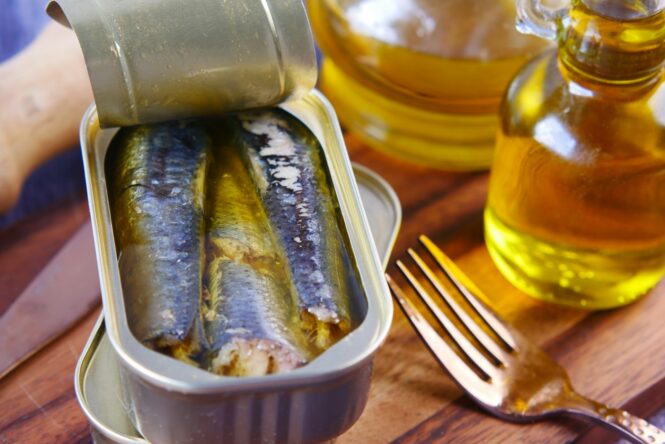
There’s no point sugar-coating it; tinned sardines look and smell pretty intense. For a lot of people, just peeling back the lid is enough to make them reconsider their entire lunch plan. The texture can be a bit oily and soft, which definitely takes some getting used to if you didn’t grow up eating them. Nutritionally, though, they’re top-tier. They’re brimming with omega 3s and vitamin D, which are brilliant for your brain. If you mash them onto some toast with plenty of lemon and black pepper, they’re actually far more decent than you’d think.
3. Plain Greek yoghurt
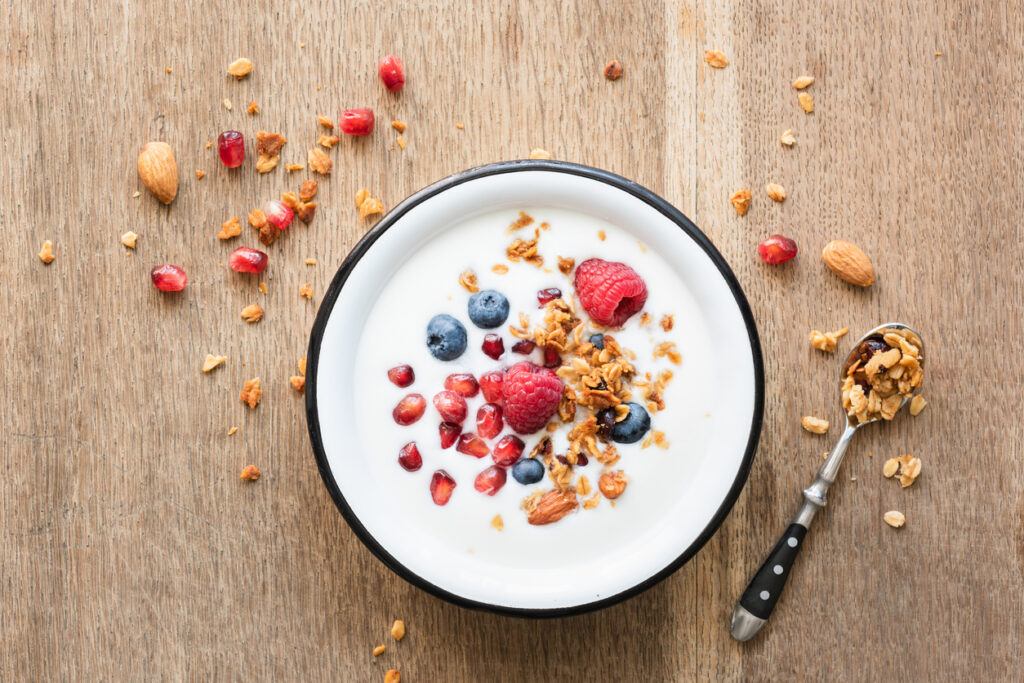
Without a bit of honey or some fruit stirred in, plain Greek yoghurt can be incredibly sharp. If you’re used to those sugary flavoured pots, this stuff can feel like a bit of a let-down because it’s so unapologetically tangy. It’s thick and sour, which isn’t everyone’s cup of tea. Still, it’s packed with protein and the kind of gut-friendly bacteria that keep your digestion on track. The trick is to pair it with something that takes the edge off that sharpness, like a handful of berries. On its own, it’s a bit of a struggle, but your body definitely appreciates the effort.
4. Liver
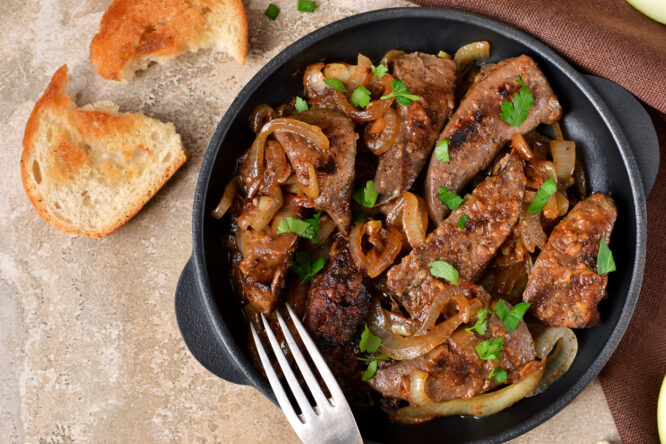
Liver has a very specific, metallic taste that a lot of people find a bit much. The texture is also quite firm and dense, so it’s never going to be top of the list for comfort food. It’s definitely an acquired taste and isn’t exactly a crowd-pleaser at dinner parties. Yet, it’s one of the most nutrient-dense things you can put on your plate, full of iron and B vitamins that keep your energy levels up. If you cook it properly with plenty of onions and some decent seasoning, it becomes much more manageable, even if it’s never going to be your absolute favourite meal.
5. Brussels sprouts
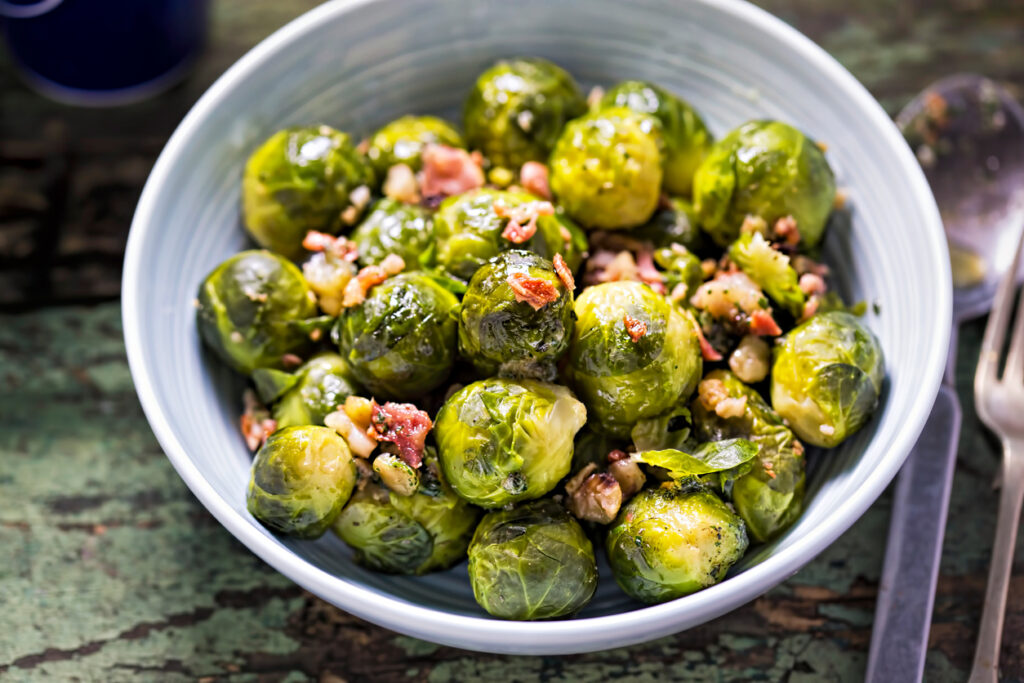
Most people have bad memories of overboiled, mushy sprouts from childhood that smelled a bit like sulphur. When they’re cooked that way, they’re genuinely hard to love. But these days, we know better than to just boil the life out of them. They’re great for reducing inflammation and are full of vitamin C. If you roast them with some olive oil and a bit of salt, they get a nutty flavour that’s actually quite nice. It’s a classic example of how a bit of decent preparation can save a vegetable’s reputation.
6. Oats without sugar
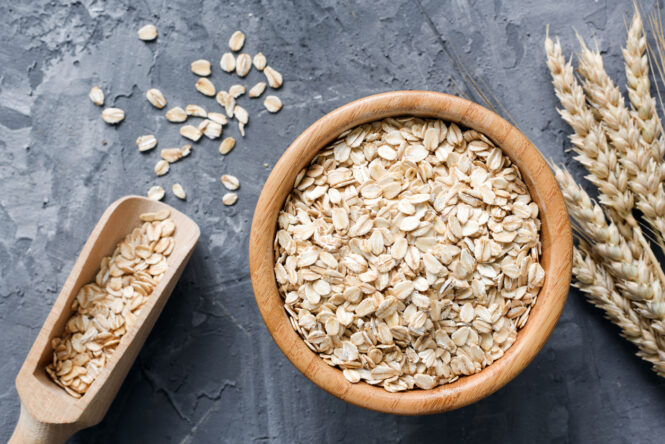
Plain porridge made with just water can feel a bit like eating a bowl of wet cardboard. If you’re hoping for a burst of flavour, you’re going to be disappointed; it’s basically just a beige mass that needs a bit of help. Despite that, oats are fantastic for keeping your blood sugar steady and making sure you don’t feel hungry again ten minutes after finishing. They’ve got loads of soluble fibre that’s great for your heart. If you can move past the blandness and toss in some nuts or a bit of fruit, they go from being a bit of a chore to a proper, satisfying breakfast.
7. Cottage cheese
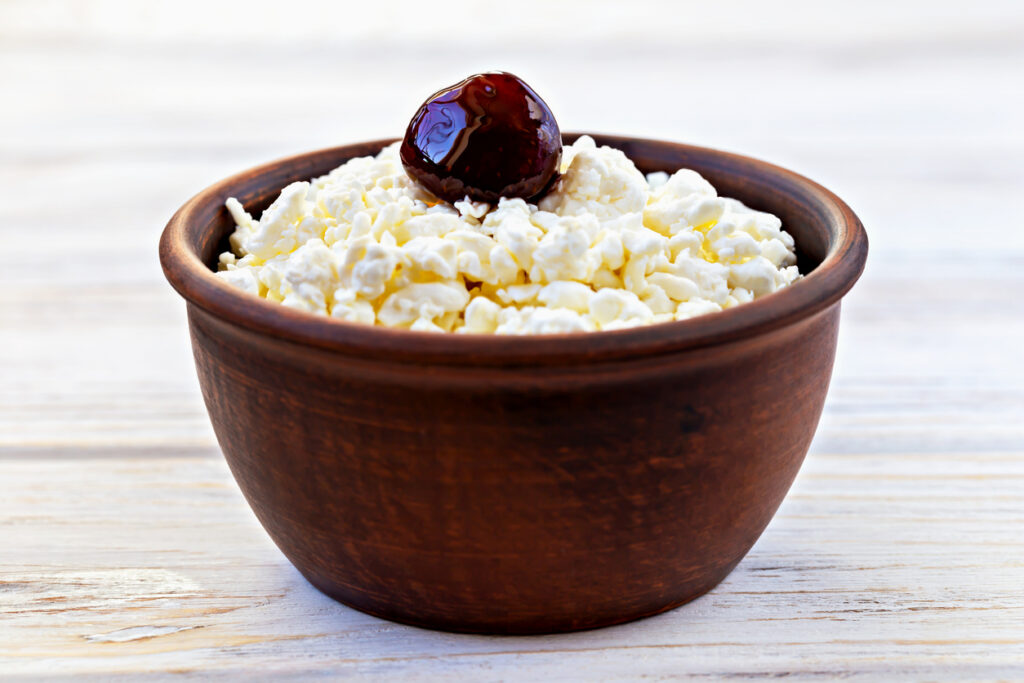
Cottage cheese has a texture that really splits people down the middle. Those lumpy little curds aren’t exactly what you’d call elegant, and on its own, the taste is so mild it’s almost non-existent. However, it’s brilliant if you’re looking for a high-protein snack that isn’t too heavy. It’s perfect for muscle repair and keeps you full for ages. If you mix it with some cracked black pepper, fresh herbs, or even some chopped tomatoes, it becomes a lot more interesting. Once you get over the texture, it’s a very handy thing to have in the fridge.
8. Dark chocolate above 85% cacao
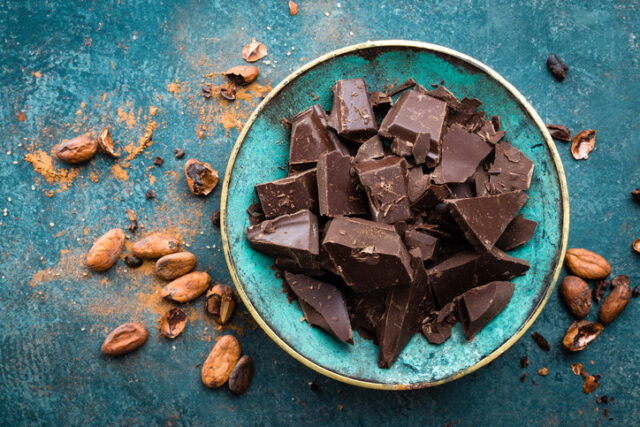
This isn’t the creamy, sweet stuff most of us reach for when we want a treat. High-percentage dark chocolate is bitter, intense, and can feel more like medicine than a snack the first time you try it. It’s got a real punch that can catch you off guard if you’re expecting a milk chocolate vibe. On the plus side, it’s full of antioxidants that are great for your brain and heart. The best part is that a tiny square is usually enough to stop a craving without giving you a massive sugar crash. It takes a bit of time to appreciate the depth of flavour, but it’s worth sticking with.
9. Fermented foods like sauerkraut
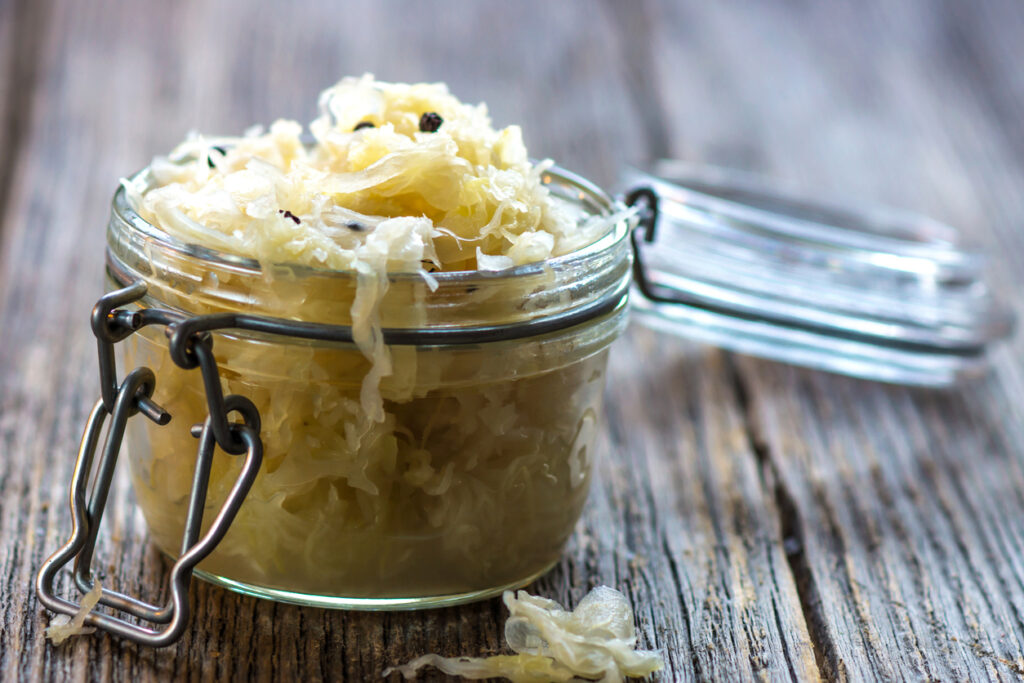
Fermented veg has a sharp, tangy kick that can be a bit overwhelming if you aren’t prepared for it. Sauerkraut has a particularly strong scent that puts some people off before they’ve even picked up a fork. That sourness isn’t exactly subtle, but your gut will absolutely love you for eating it. It’s full of beneficial bacteria that help your digestion and keep your immune system in good nick. You don’t need to eat a mountain of it either; a small spoonful on the side of your dinner is plenty to get the benefits without it taking over the whole plate.
10. Unsalted nuts
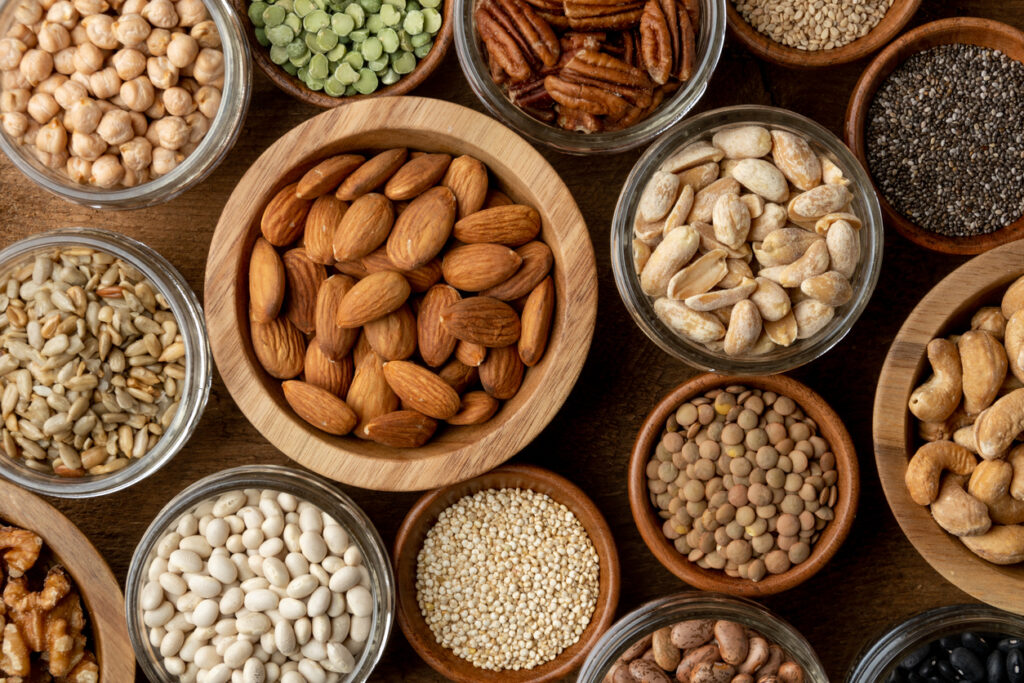
If you’ve spent your life snacking on salted or roasted nuts, the plain, unsalted ones can taste a bit flat. They don’t have that immediate hit that makes you want to finish the whole bag in one go, which is probably for the best. They’re a fantastic source of healthy fats and minerals that support your heart and brain. After you’ve stayed away from the salted versions for a while, your taste buds actually start to pick up on the natural, slightly sweet flavour of the nuts themselves. It’s just a matter of retraining your brain to enjoy something that isn’t covered in salt.
Healthy food doesn’t always have to be delicious, but it shouldn’t feel like punishment either. Often it’s about how you prepare it, what you pair it with, and what your taste buds are used to. Your body tends to care less about excitement and more about nourishment, even if your tongue disagrees at first.