It’s funny how much of a culture shock Americans get when they step off a plane and realise that things are done a bit differently over here.

While we share a language, the way we actually live our lives can feel like another world to someone used to massive highways and 24-hour everything. From the specific etiquette of a pub garden to the sheer chaos of a country lane that’s barely wide enough for a bike, there are parts of our daily routine that genuinely leave them baffled. It’s often the small, everyday habits we don’t even think twice about that end up being the biggest talking points for anyone visiting from across the pond.
1. Politicians literally bet on their own election date, and it became a national scandal.

In 2024, senior Conservative figures and police officers were caught placing bets on when the general election would be called before it was publicly announced. We’re talking people in the room where it happened, wagering on the outcome. Several faced criminal charges. It’s the kind of thing that sounds like satire until you read the court documents.
2. You can be visited by police for something you posted online.
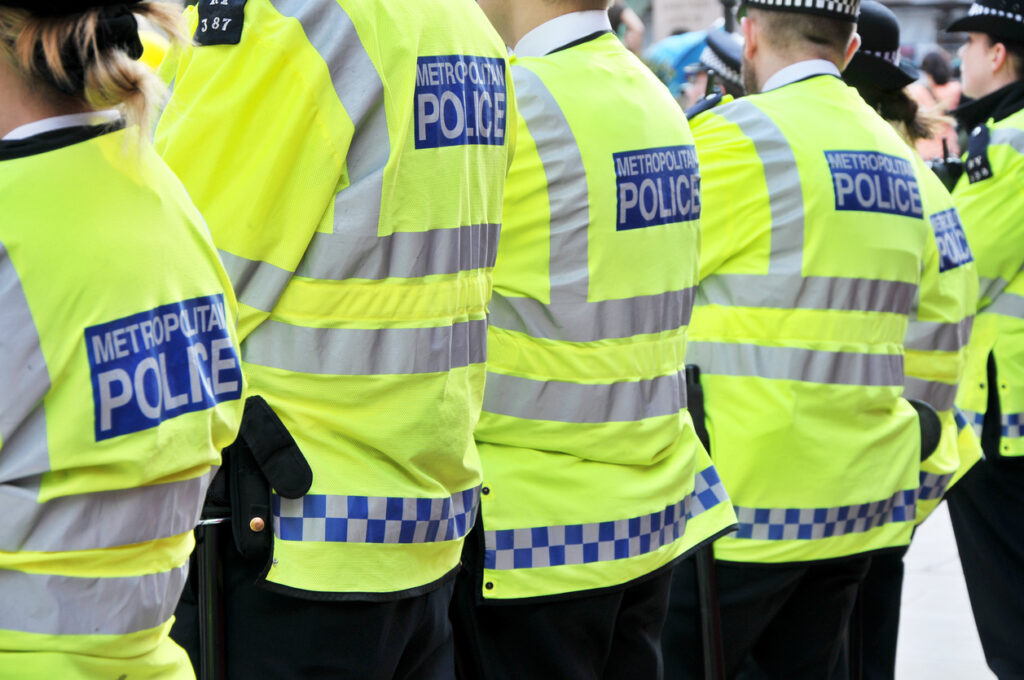
The Online Safety Act and existing communications laws mean people in Britain have genuinely been arrested, cautioned, or had officers knock on their door over social media posts. Not just credible threats, but things said in anger or in bad taste. Americans watching this unfold have gone absolutely wild about it, and the debate here is loud and unresolved.
3. You pay an annual fee just to watch live television.

The BBC TV licence costs £174.50 a year, and it’s a legal requirement if you watch any live TV or use BBC iPlayer. Miss a payment and you can be taken to court. Americans find this almost impossible to process, especially since the fine for not having one is up to £1,000.
4. There are cameras everywhere and they will absolutely catch you.
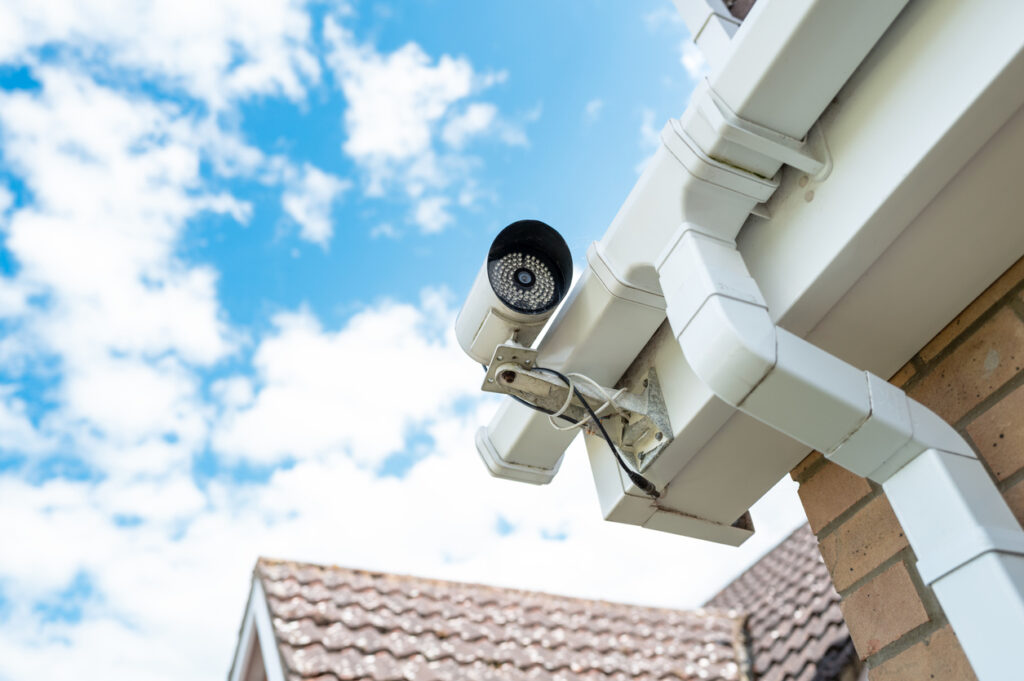
Britain has some of the highest density of CCTV cameras in the world, but it goes further than that. Average speed cameras on motorways track your journey between two points and calculate whether you were speeding over the whole stretch. There’s also ULEZ in London, where cameras automatically charge you just for driving a non-compliant car into certain zones. Americans used to wide open roads find the whole thing quietly alarming.
5. Greggs is treated as a national treasure and nobody is ashamed.
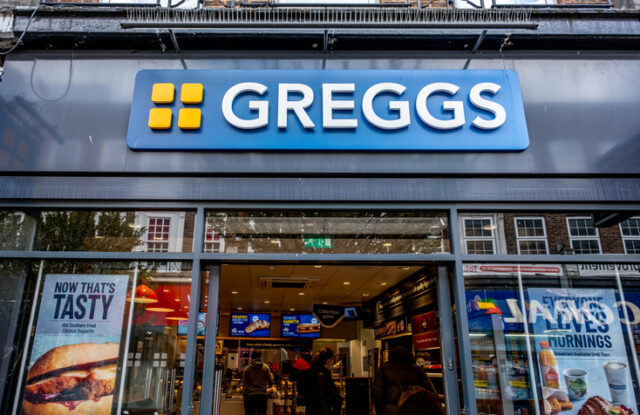
Greggs is a pasty and sausage roll bakery chain with nearly 2,500 branches across the UK, and the British public’s affection for it is completely sincere. When they launched a vegan sausage roll in 2019, it made national headlines. When they open in a new town, people queue. Americans assume it must be fancy. It is not fancy at all, and that’s entirely the point.
6. Betting shops are everywhere and completely normal.
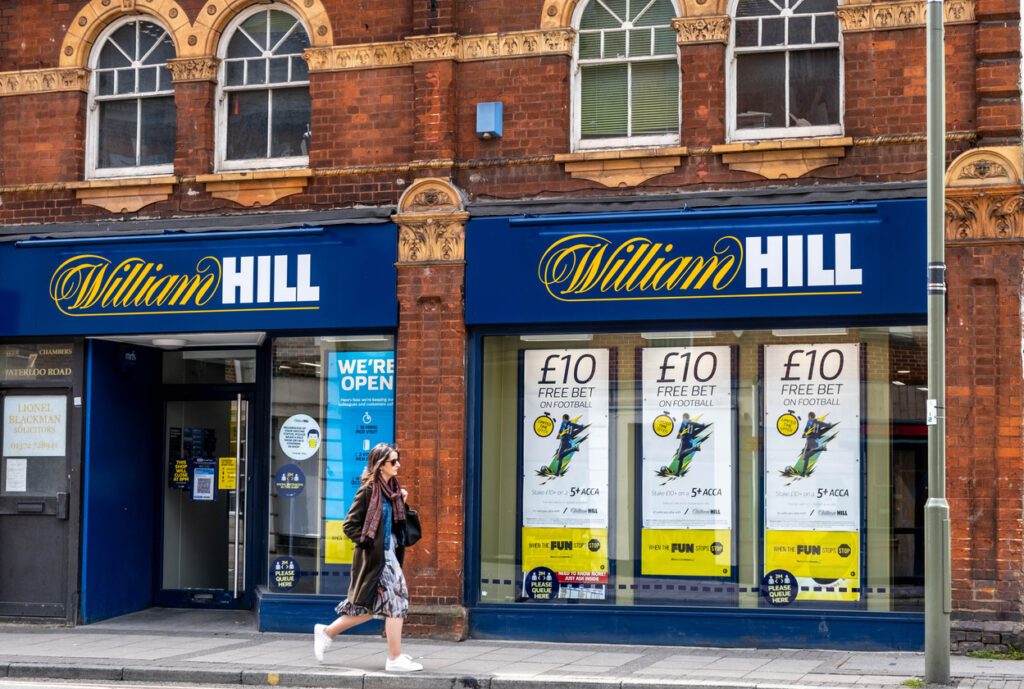
On a typical British high street, you’ll walk past two or three betting shops in as many minutes, often sitting next to a charity shop and a closed-down bank. Sports betting is legal, visible, and woven into everyday life in a way that still genuinely shocks Americans, who in many states have only recently been able to bet legally on their phone, let alone walk into a shop to do it.
7. The Oasis reunion was treated like a national event.
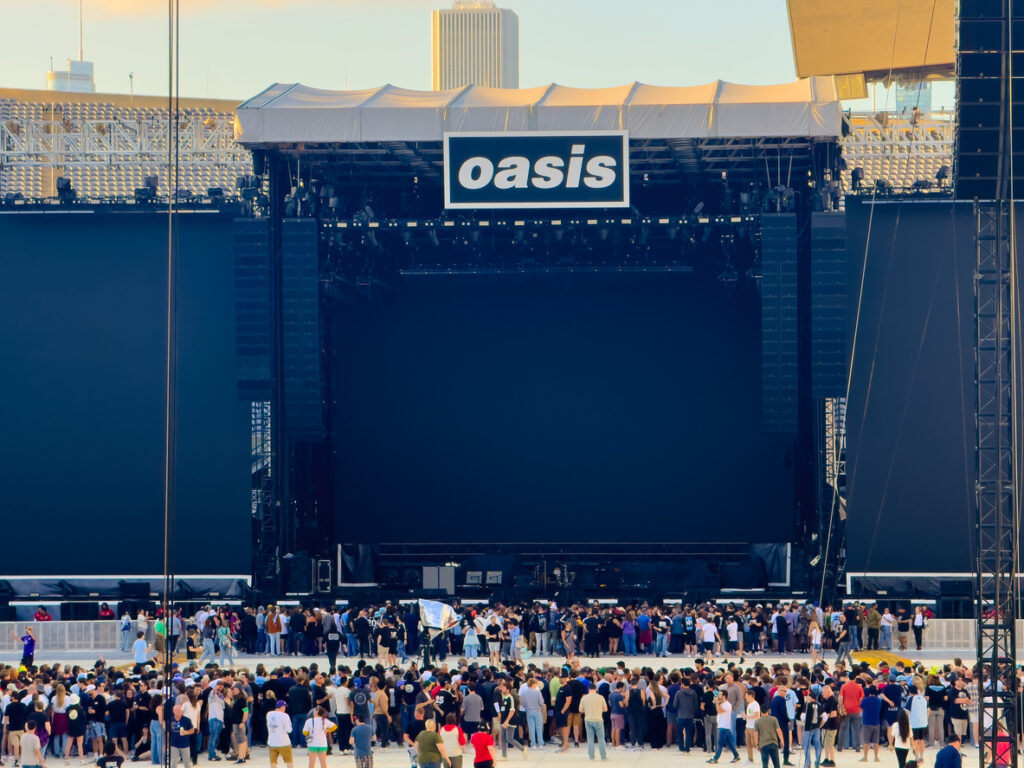
When Liam and Noel Gallagher announced they’d patched things up and Oasis were touring again in 2025, the ticket queue crash took down websites across the country. People who weren’t even born when the band split were weeping with their parents over getting tickets. Americans have massive reunion tours too, but nothing quite matches the cultural weight of a British band coming home after a family feud that lasted fifteen years.
8. Bradford is the UK City of Culture for 2025.
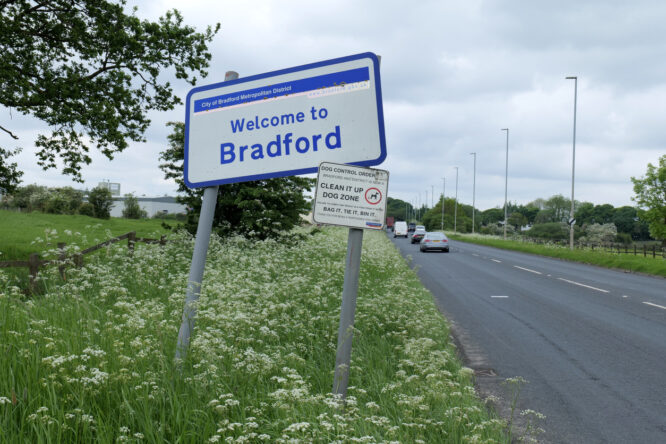
Not London. Not Manchester. Bradford. A post-industrial city in West Yorkshire that Americans have almost certainly never heard of is hosting a full year of cultural events, exhibitions, and investment as the country’s official centrepiece of arts and identity. The National Science and Media Museum is there. The Turner Prize is going there. It’s a deliberate signal that Britain’s cultural story isn’t told from one postcode.
9. The meal deal is a full cultural institution.

For around £3.50 to £4, you get a sandwich, a snack, and a drink from the supermarket chiller. Office workers, builders, students, and MPs all eat them. There are passionate debates about which supermarket does the best one. Choosing your meal deal components is treated with the seriousness of an actual decision. Americans have cheap lunch deals too, but nothing with quite this level of collective ritual around it.
10. You pay council tax just for existing in your house.
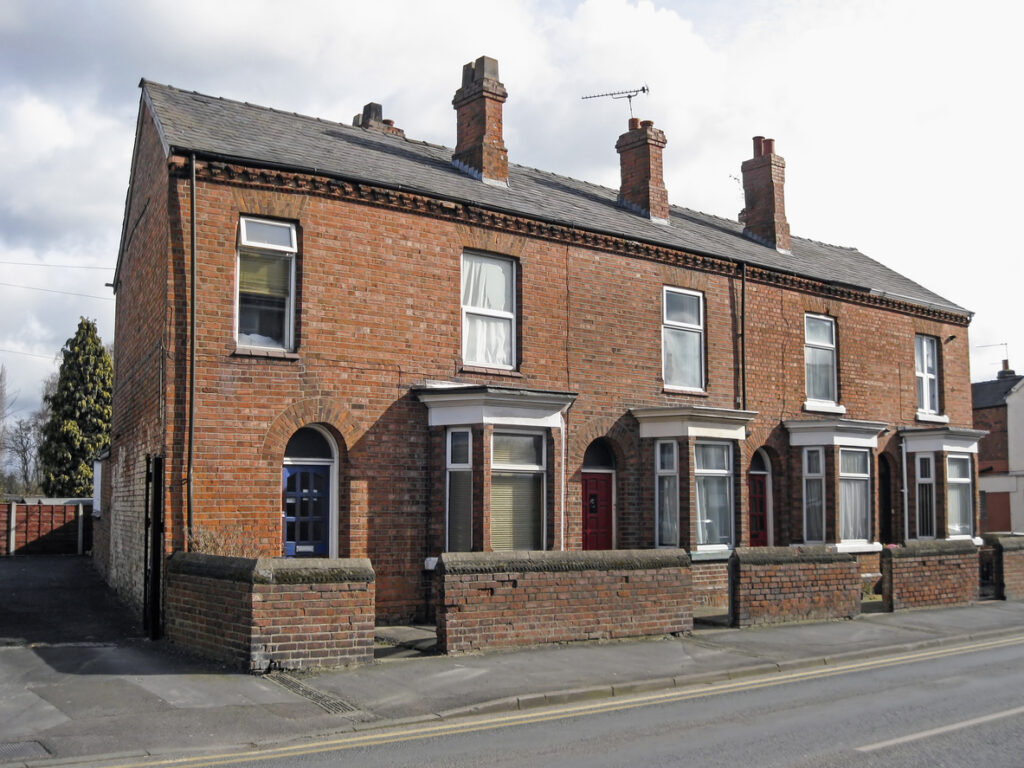
On top of rent or a mortgage, British residents pay council tax directly to their local authority every year. The amount depends on which of eight valuation bands your property falls into, and those bands were set in 1991 and have barely been updated since. Americans paying property tax understand the concept, but the band system, the 1991 valuations, and the way it’s billed monthly with its own collection process is a whole other thing.
11. The high street is dying in real time, and everyone just watches it happen.
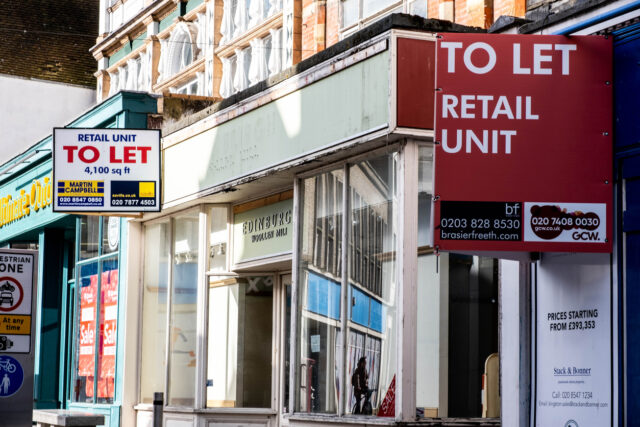
Town centres across Britain are full of empty shopfronts, closed banks, and charity shops. Footfall has been collapsing for years. Americans visiting smaller British towns expecting quaint, thriving streets often find something quite different and a bit melancholy, and locals tend to greet it with a resigned shrug rather than any particular surprise.
12. You can legally film the police and they know it.

In England and Wales, members of the public have the right to film police officers carrying out their duties in public. Officers know this, and most interactions where someone gets their phone out don’t result in the confrontation that would often follow in parts of America. It’s not perfect and there are disputes, but the legal position is clear and fairly well understood on both sides.
13. The NHS means a stranger will help you for free at your worst moment.
Not in an abstract political way, but in a real, immediate one. You can be hit by a car, have a heart attack, or go into labour on a Tuesday and the system will absorb you, treat you, and send you home without a single financial conversation happening at any point. Americans who experience it for the first time, or even just hear it explained properly, go quiet in a way that says quite a lot about what they’ve grown up assuming was normal.