When you think about the UK, you might think we’re a one-language kind of place, but the reality on the ground is a lot more varied than that.

Our streets are a massive mix of cultures and histories, and if you take a stroll through any major city, from London to Glasgow, you’re going to hear a lot more than just the local accent. We’ve got a huge range of languages being spoken in homes, shops, and schools every single day, and they aren’t just recent additions, either.
Some of these languages have been part of the British landscape for generations, brought over by people who helped build the country into what it is now. Others are indigenous to these islands and have been making a massive comeback lately. It’s not just about stats and census data; it’s about the way these different tongues shape the vibe of our neighbourhoods and the way we talk to each other. Here’s a look at 10 languages besides English that have a massive footprint across the UK.
1. Polish
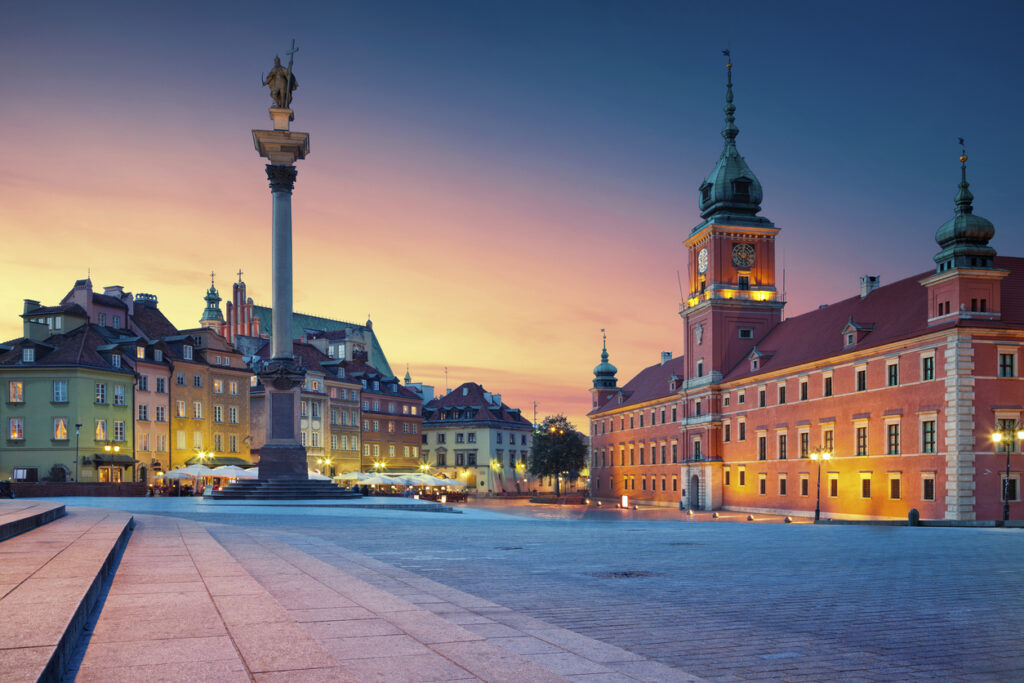
Polish has consistently ranked as the most widely spoken non-English language in England and Wales since the mid-2000s. After Poland joined the European Union in 2004, large numbers of Polish families moved to the UK for work, and many have stayed long term. Today, Polish is commonly heard in London, the West Midlands, Yorkshire, and parts of Lincolnshire. In some schools and local councils, Polish translation services are standard, reflecting just how established the community has become.
2. Romanian
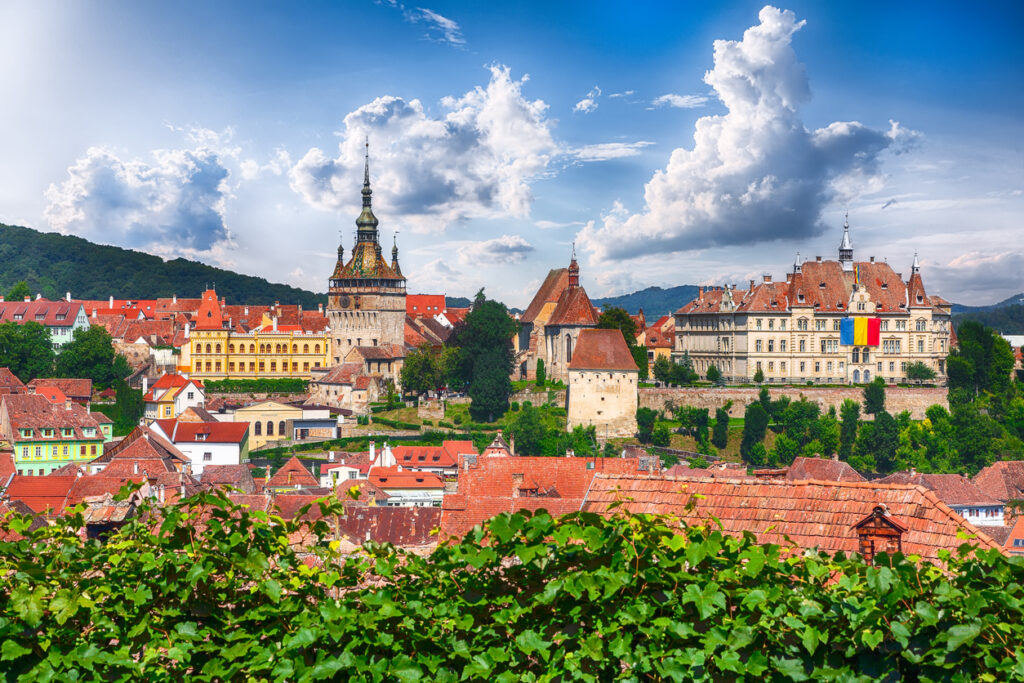
Romanian has grown rapidly over the past decade and is now one of the top languages spoken at home across England and Wales. Migration increased significantly after work restrictions were lifted in 2014, and many Romanian nationals settled in London, the South East and the Midlands. The language is now common in sectors such as construction, hospitality, and care work. In certain boroughs of London, Romanian is one of the most frequently recorded first languages after English.
3. Punjabi
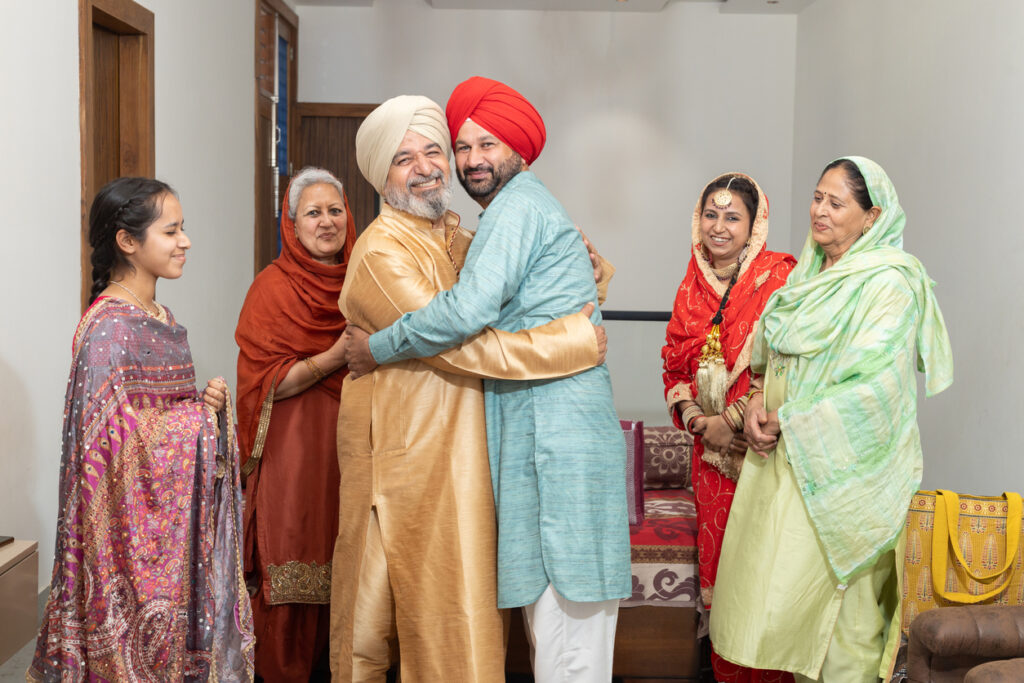
Punjabi has deep roots in the UK, particularly in cities like Birmingham, Leicester, and parts of West London. Many British Punjabi families trace their presence back to post-war migration in the 1950s and 1960s, meaning the language has been part of British life for generations. It is widely spoken at home, in gurdwaras and at community events, and Punjabi media outlets continue to operate across the country. In some areas, it remains one of the most commonly spoken South Asian languages.
4. Urdu
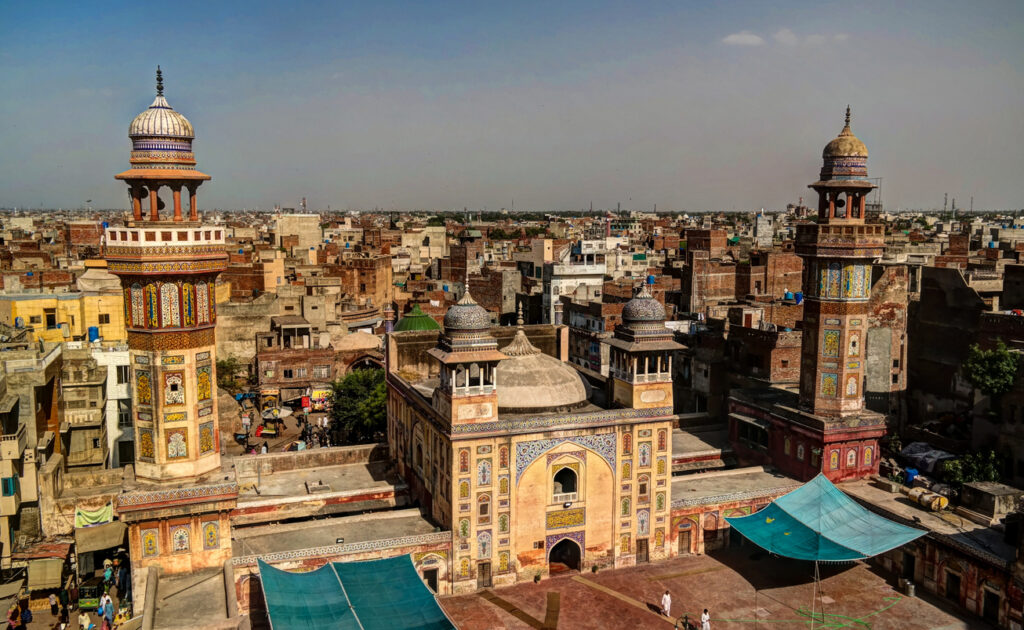
Urdu is another major language in the UK, especially within Pakistani heritage communities. It is widely spoken in cities such as Bradford, Birmingham, Manchester, and parts of London. For many families, Urdu is the main language used at home, while English is used in school and work settings. This bilingual pattern has helped the language remain strong across generations, and in some local authorities it is one of the most frequently requested languages for translation services.
5. Bengali
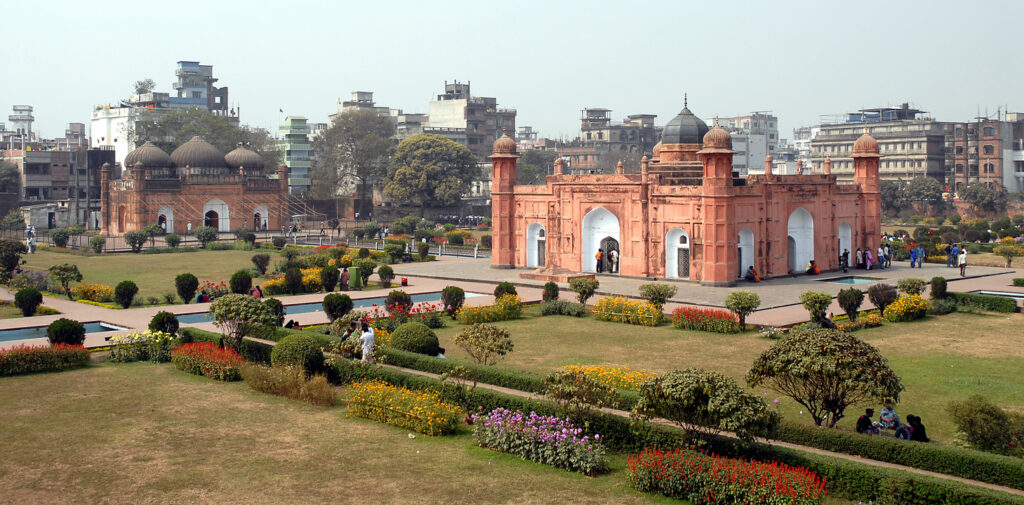
Bengali is particularly prominent in East London, especially in Tower Hamlets, where there’s a long-established Bangladeshi community. It is also spoken in Birmingham, Manchester and other large urban centres. Bengali language newspapers, cultural organisations and community groups play an active role in maintaining its visibility. In certain London boroughs, Bengali is one of the most commonly recorded main languages after English.
6. Gujarati
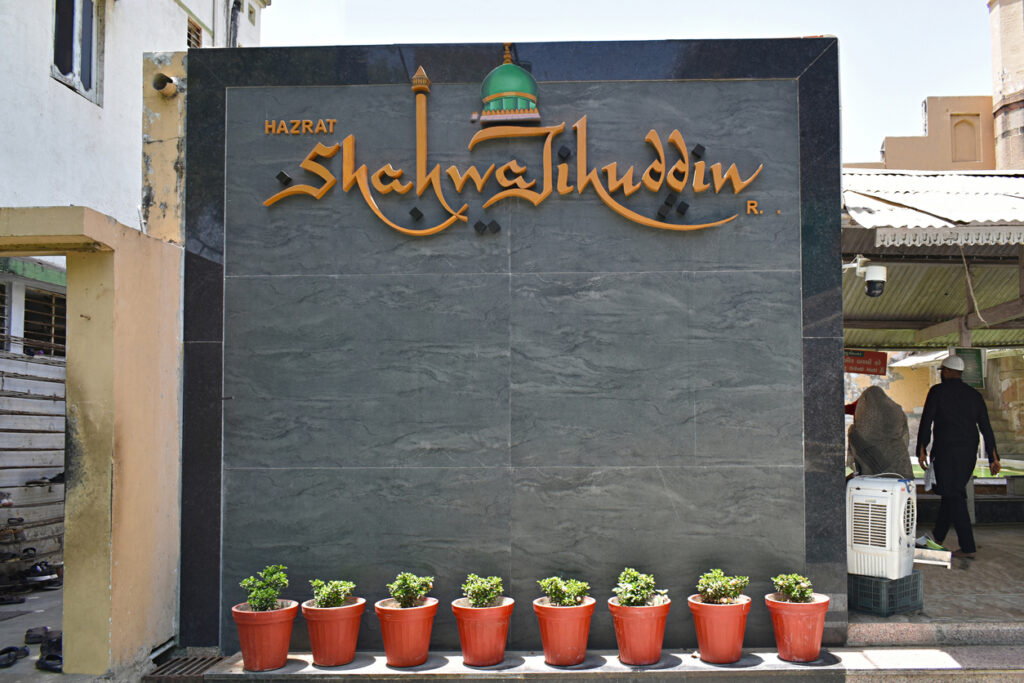
Gujarati is widely spoken among British Indian communities, particularly in Leicester, which has one of the largest Gujarati populations outside India. The language is often heard in family homes, religious settings and local businesses. Many British Gujaratis grow up speaking both Gujarati and English, keeping the language active across generations. In parts of the East Midlands and North West London, it remains one of the most commonly spoken community languages.
7. Arabic

Arabic speakers in the UK come from a range of countries, including Iraq, Syria, Egypt, Morocco, and Sudan. The number of Arabic speakers has increased steadily over the past two decades, particularly following humanitarian migration. Arabic is widely heard in London, Birmingham, Manchester, and Glasgow. In some schools, it is among the top non-English first languages recorded, reflecting the growing diversity of Britain’s urban areas.
8. French
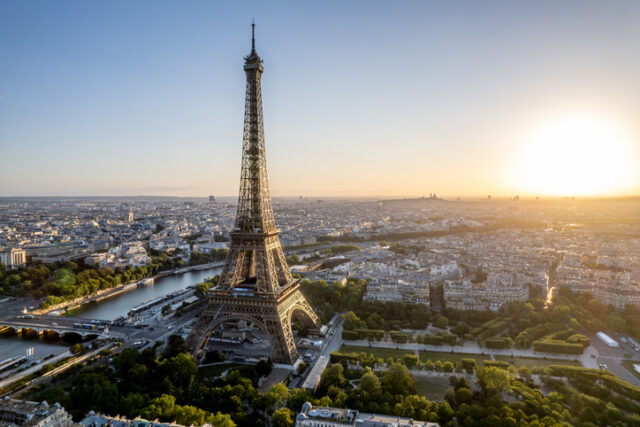
French remains one of the most widely spoken European languages in the UK. This is partly due to migration from France itself and partly from French-speaking countries in Africa such as Algeria, Morocco, and the Ivory Coast. London has long had a sizeable French-speaking population, particularly in South Kensington and surrounding areas. Beyond community use, French is also one of the most commonly taught foreign languages in UK schools, which increases general familiarity.
9. Portuguese
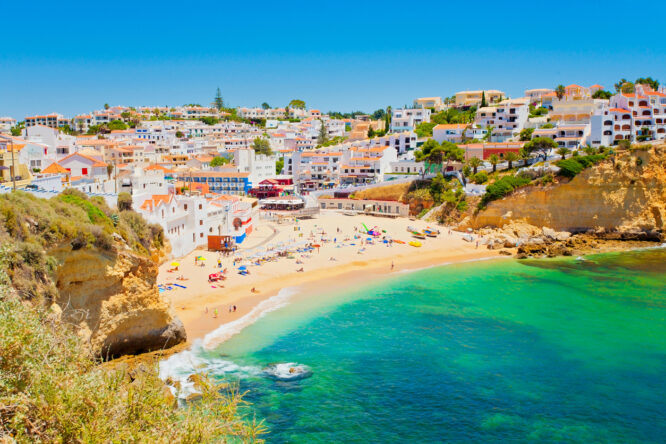
Portuguese is widely spoken thanks to communities from Portugal, Brazil and several African nations including Angola and Mozambique. South London, particularly areas such as Stockwell, has a strong Portuguese and Brazilian presence. Portuguese is often heard in shops, cafés and local services in those areas. Recent census data shows steady growth in Portuguese speakers over the past decade, making it one of the UK’s most prominent European languages.
10. Spanish
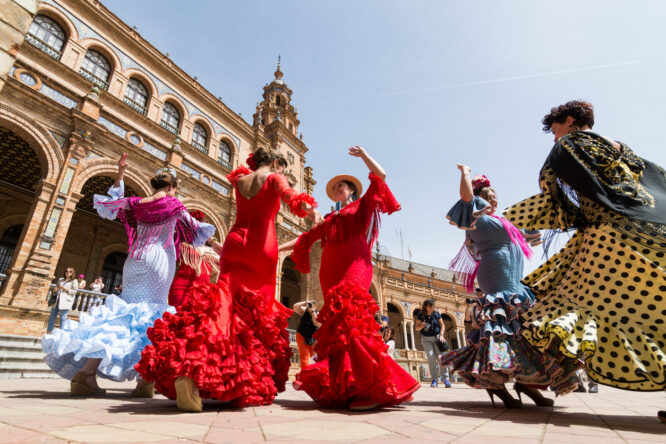
Spanish has grown steadily in the UK, with speakers arriving from Spain as well as countries across Latin America such as Colombia and Argentina. It is widely spoken in London, Manchester, and other major cities. Like French, Spanish is also one of the most commonly taught modern languages in British schools, meaning it bridges both community life and education. In some boroughs of London, Spanish is now one of the top recorded first languages after English.
As you can see, modern Britain is far more multilingual than many people assume. Across cities, towns, and even smaller communities, these languages form part of everyday life, from classrooms and workplaces to markets and family homes. English may connect everyone, but it sits within a much richer linguistic landscape than it once did.