It’s no secret that the older generation has a certain “just get on with it” attitude that seems a bit rarer these days.

That grit didn’t just happen by accident; a lot of it was hammered home through the sheer amount of manual work required just to keep a household running back then. We’re talking about a time before everything was automated, frost-free, or disposable. If something needed doing, it usually meant a long afternoon of physical graft, likely involving cold water, aching muscles, and a lot of patience.
These chores weren’t just focused on keeping the house tidy; they were a masterclass in sticking at a task until it was actually finished. There were no shortcuts, and there definitely wasn’t an app to do the heavy lifting for you. Looking back at these old-school jobs, you can see exactly how that resilience was built, one scrubbed floor and one hand-washed car at a time.
1. Walking everywhere in all weather

Before lifts were routine and cars were handed over at 17, getting around often meant using your own legs. School runs, errands, paper rounds, and visits to friends happened in rain, wind, and bitter cold because staying home was not an option. That daily exposure to discomfort taught endurance in a very practical way. You didn’t wait for the perfect conditions to get things done; you just put your coat on and dealt with it. It built a tolerance for inconvenience that feels a lot rarer in a world of instant Ubers.
2. Hanging washing outside and bringing it in again

Laundry was not a quick press of a button followed by a tumble dryer cycle. It was a whole saga. Washing had to be pegged out carefully, watched for sudden showers, then dashed out to be taken back in at the first sign of a grey sky. Then came the folding and the heavy ironing by hand. It was repetitive and took up a huge chunk of the day, but it taught patience. You learned the simple discipline of finishing what you started, even when the novelty had long worn off, and you were onto your fifth basket of damp sheets.
3. Chopping and stacking firewood
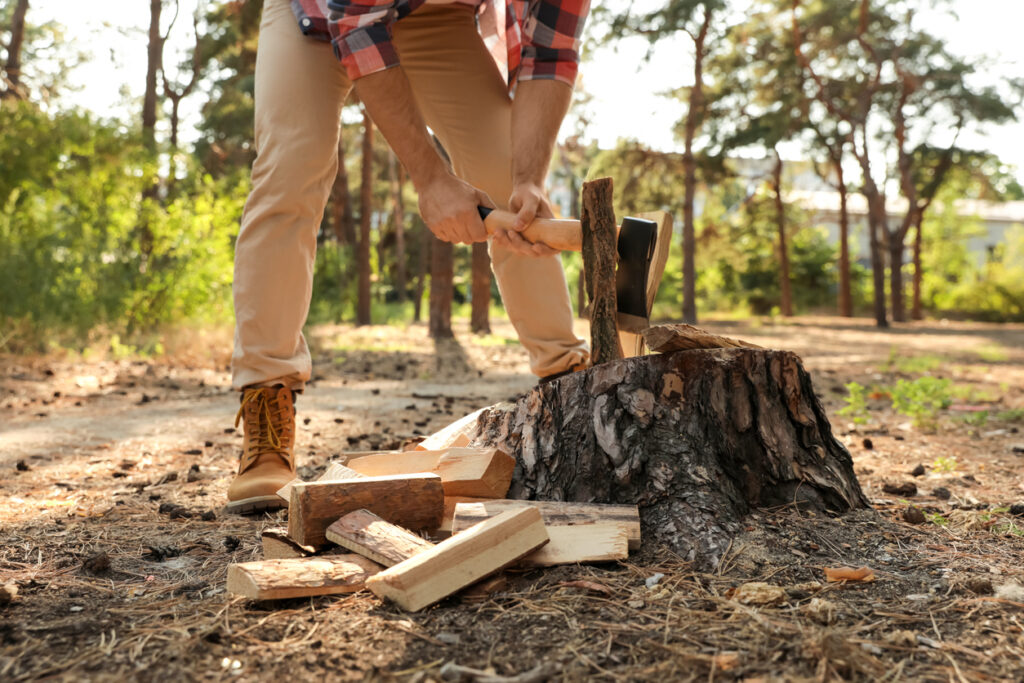
In homes heated by coal fires or wood burners, warmth did not appear at the twist of a thermostat. Someone had to chop logs, stack them properly, and carry them indoors, often more than once a day. The physical effort involved meant comfort was directly linked to work. If you wanted to be warm in the evening, you had to put the effort in during the afternoon. It quietly reinforced the idea that if you want a reward, you’ve got to be prepared to sweat for it first.
4. Cleaning the house from top to bottom each week

A proper weekly clean was not optional, and it was rarely outsourced to a professional. Carpets were beaten, floors scrubbed, windows polished, and surfaces dusted whether you were tired or not. It might have felt strict at the time, but learning to keep going until a job was done well-built a real attention to detail. It gave you a sense of responsibility for your own environment—if the place was a mess, it was on you to fix it.
5. Doing a paper round before school

Early mornings, heavy bags, and tight deadlines were normal for teenagers delivering newspapers. It meant getting up in the dark, working in freezing temperatures, and still turning up to school on time. That routine created solid time management skills and a strong link between earning money and real effort. It taught you that the world doesn’t stop just because you’re tired, a lesson that usually carried straight into a successful adult life.
6. Helping with younger siblings as a daily duty

In bigger families, older children were expected to step in without any fuss. Feeding, minding, and walking younger siblings home from school was simply part of the deal. It demanded maturity a lot earlier than many experience today. You had to put someone else’s needs before your own, which strengthened a sense of shared responsibility rather than just looking out for your own convenience.
7. Washing dishes by hand after every meal

Before dishwashers became common, every plate, cup, and pan had to be scrubbed manually in a sink of hot, soapy water. It was not glamorous work, and it came around three times a day without fail. Standing there at the sink taught a certain tolerance for routine. It was a reminder that not every job in life is going to be exciting, but the boring ones still need to be done right if you want a clean kitchen.
8. Growing vegetables in the garden

For many households, growing food was practical rather than a trendy hobby. Digging soil, planting seeds, weeding, and waiting months for results taught delayed gratification in a very real way. You couldn’t just tap a screen and have your groceries appear in an hour. Watching crops fail after a sudden cold snap also built a bit of backbone; you didn’t have a tantrum about it, you just cleared the beds and started again because that was the only way to get a harvest.
9. Saving pocket money for months to buy something special

If you wanted a new bike, a record player, or a pair of trainers, you often had to save slowly and carefully. There were no instant credit options or one-click purchases back then. Learning to wait and plan for what you wanted built financial patience and a much clearer sense of value. When you finally got that item after 20 weeks of saving, you looked after it because you knew exactly how many hours of work it represented.
10. Mowing lawns with heavy manual mowers

Cutting the grass was not a quick electric buzz around the edges. Old push mowers were weighty things that demanded real muscle, especially if the ground was a bit uneven or the grass had got too long. It was sweaty, steady work that simply could not be rushed. It reinforced the idea that maintaining your home takes ongoing physical input and that there’s no substitute for putting your shoulder into a task.
11. Queuing without complaint

Whether it was for groceries, bus tickets, or the post office, queues were part of daily life and nobody expected special treatment. Standing patiently, sometimes for a long time in the cold, was simply how things worked. That habit of waiting your turn built a tolerance for delay and a thicker skin for when things didn’t move as quickly as you’d like. It’s a far cry from the modern frustration we feel when a webpage takes more than three seconds to load.
12. Writing letters and waiting for replies

Communication took time. Once a letter was posted, there was nothing to do but wait days, or even weeks, for a response. You learned to gather your thoughts carefully before sending them because there was no edit button later. That slower pace encouraged a bit more thoughtfulness and patience in relationships, rather than the instant, often heated reactions we see in the era of instant messaging.
13. Doing holiday jobs that were physically demanding
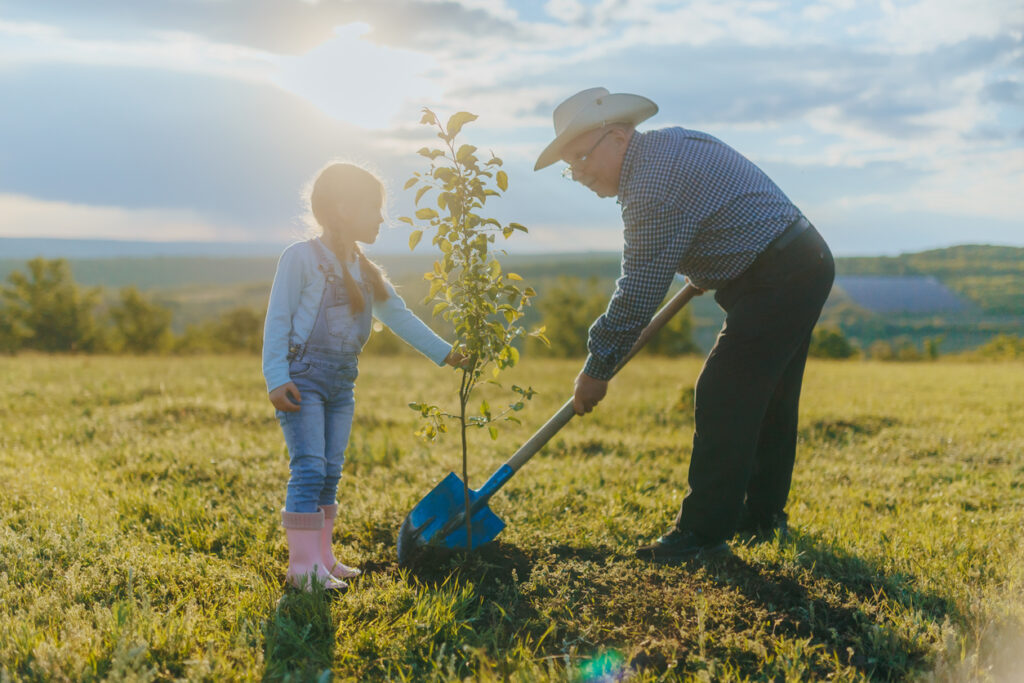
Summer work usually meant factory shifts, farm labour, or being on your feet all day on a shop floor. It wasn’t glamorous, and there was zero room for complaining because there were plenty of others who’d take your place in a heartbeat. Those early experiences toughened people up and showed that persistence, even in dull or hard roles, is just a part of building a stable life. It gave you a level of respect for hard work that stayed with you forever.