The internet is a brutal place for films that used to be a considered untouchable.
What was a massive blockbuster or an Oscar winner 30 years ago can feel like a total car crash when you watch it today. It’s not just that the special effects look ropey or the pacing feels like it’s moving through treacle. The social norms we used to ignore are now staring us right in the face.
Many films are being dragged back into the spotlight for a proper roasting because a romantic lead now looks creepy or a hero’s behaviour is more villainous than we remembered. Revisiting them is a shock because our standards for what is acceptable have moved since the credits first rolled.
1. She’s All That (1999)
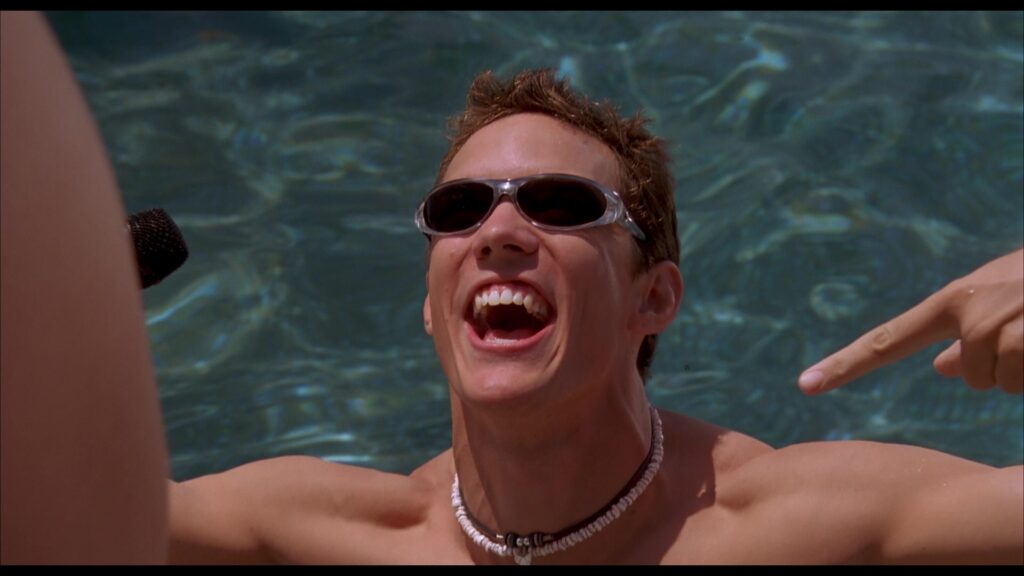
It was a staple of late-90s teen film culture and the kind of film a lot of people have fond memories of, but the whole premise is built on a bet between boys about turning a girl into prom queen. The makeover trope tells the audience that a woman needs to change everything about herself to be worth a man’s attention, and the film never really questions that idea. It just rewards it with a happy ending.
There’s also a scene where an assault on a woman is played off as a joke, and viewers today aren’t finding it funny at all. People who loved it in middle school have said they genuinely can’t sit through it now.
2. Peter Pan (1953)
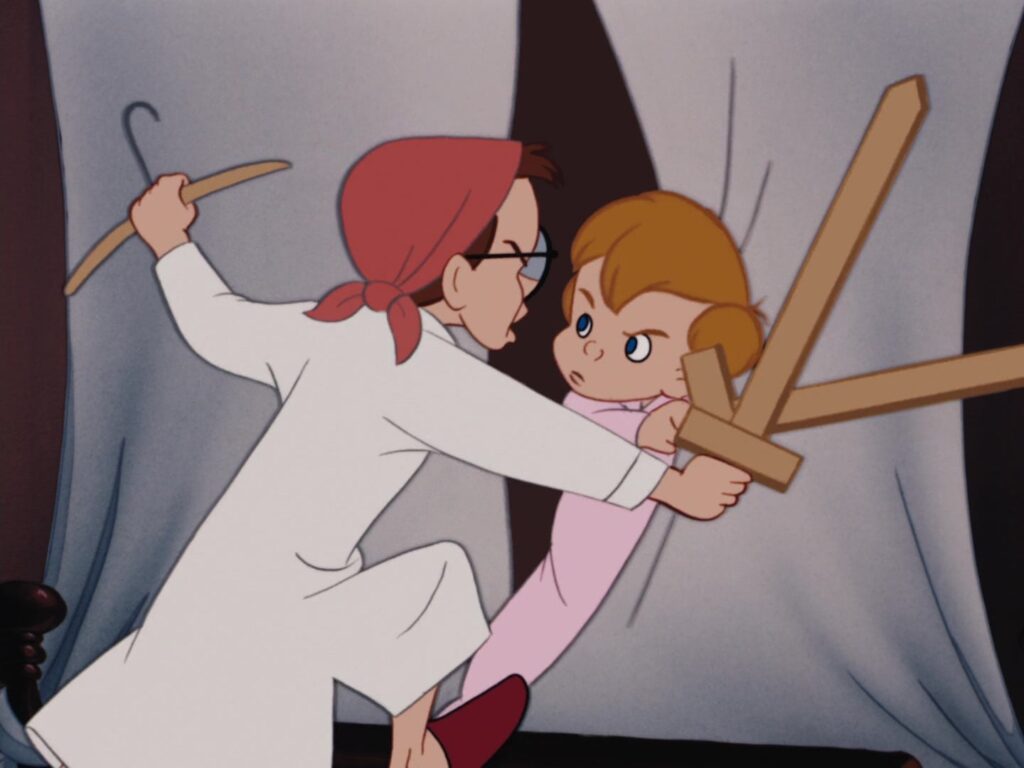
Disney’s animated classic has a campfire sequence where Native American characters are portrayed with deeply offensive stereotypes, red skin, feathers, and a song literally asking what made them the way they are. The choices are so deliberate and so sustained that it’s difficult to explain away as simply being a product of its time because plenty of films from the same era managed without anything like it. It’s one of those scenes that stops a rewatch completely, and it tends to be the first thing people bring up when the film comes into conversation.
3. Love Actually (2003)
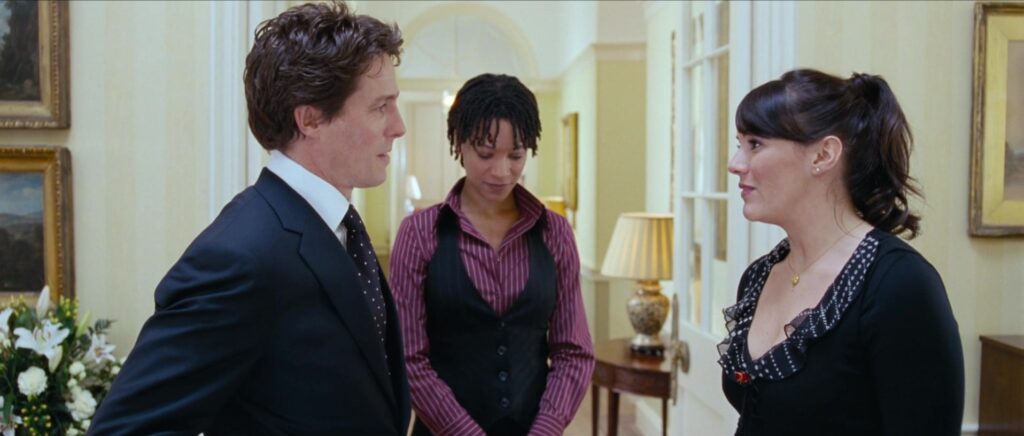
It still gets wheeled out every Christmas and has a genuinely devoted fanbase, but the film’s attitude toward women’s bodies runs right through it in a way that’s hard to unsee once you’ve noticed it. Natalie is repeatedly referred to as the “chubby girl” by multiple characters, and the comments are played as throwaway observations rather than the cruelty they actually are.
On top of that, the cue card scene, where a man turns up at his best friend’s wife’s door to declare his feelings, is regularly cited as romantic. When you actually think about what he’s doing and who he’s doing it to, it’s a lot more uncomfortable than the music makes it feel.
4. Ace Ventura: Pet Detective (1994)
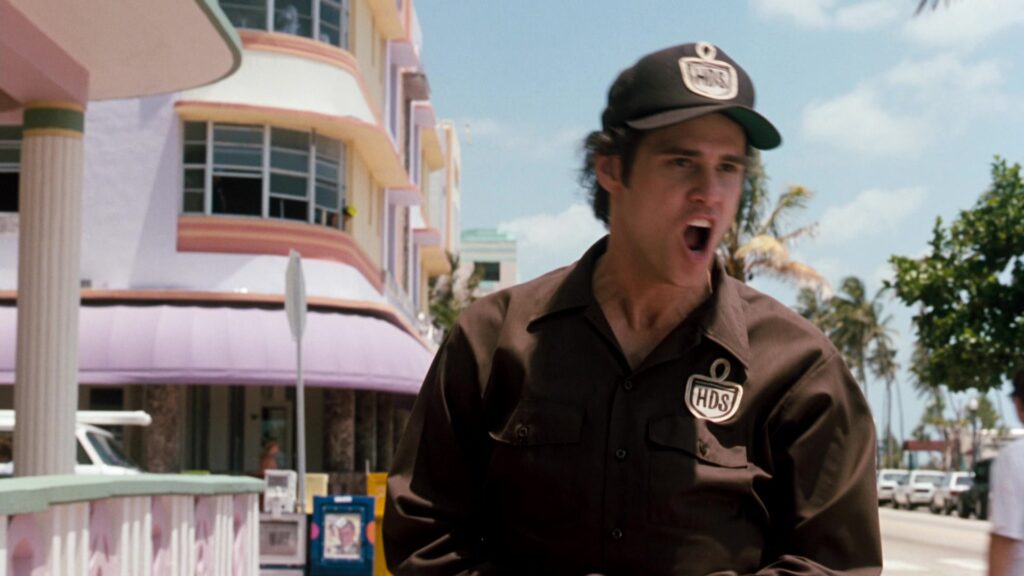
Jim Carrey is genuinely funny in a lot of this film, which is probably why it took a while for people to sit with how mean-spirited the ending actually is. The reveal involves a transgender character and is played entirely for disgust and humiliation, with the joke relying on the audience finding the idea repulsive.
It’s one of the most frequently cited examples online when people talk about films that were considered mainstream studio comedy, but simply wouldn’t get made today. A lot of people who grew up watching it have said revisiting it as an adult felt like watching something completely different.
5. Big Daddy (1999)
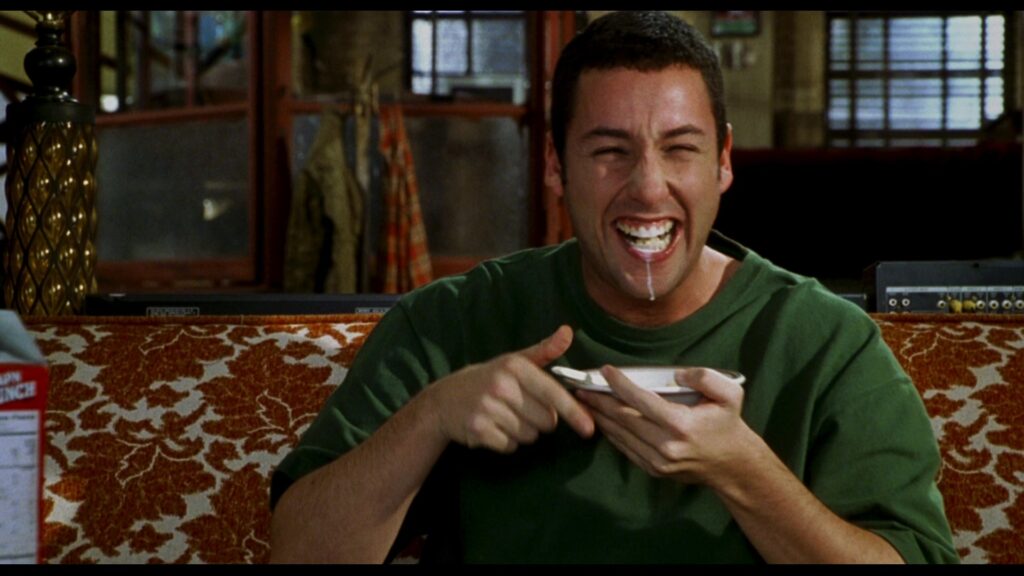
Adam Sandler films from this era come up a lot in these conversations, and Big Daddy is one that surprises people because it was considered one of his more heartwarming efforts at the time. But the characters spend a chunk of the film at Hooters while openly judging the women who work there, the homeless are stereotyped as having made bad choices, and people with disabilities are used as punchlines.
The female characters don’t really exist as people; they’re there to react to the men and move the story along. It’s the kind of film where the problems aren’t in one scene you can skip. They’re baked into the whole thing.
6. Sixteen Candles (1984)
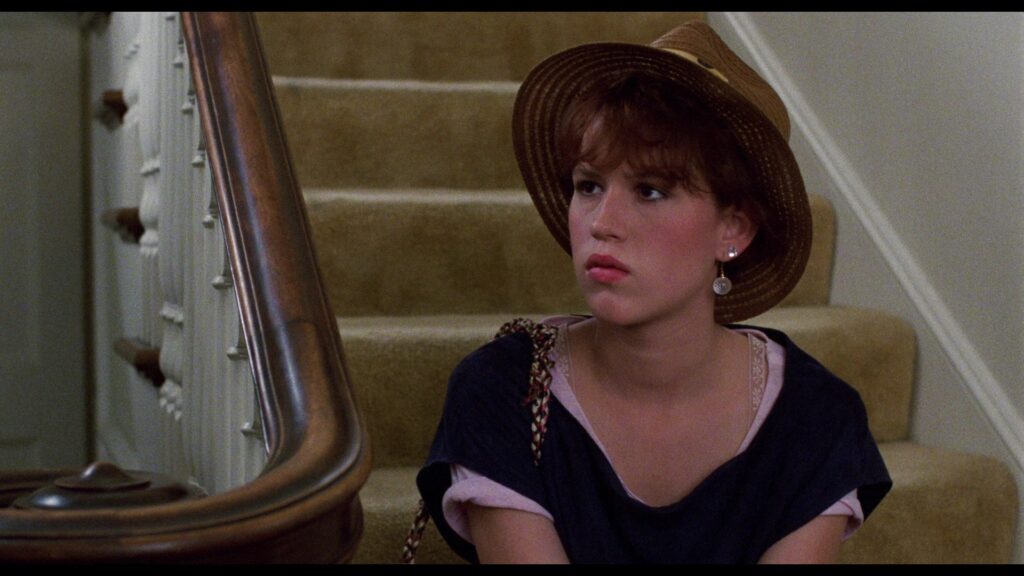
The Asian character Long Duk Dong is a racial caricature built entirely on cheap stereotypes, and the film offers absolutely nothing else with the role. He exists purely to be laughed at. Beyond that, there’s a storyline where a drunk, unconscious girl is handed over to another boy without her knowledge or consent, and it’s framed as a funny, no-big-deal moment rather than what it clearly is.
People who grew up treating this as a fun teen classic are finding it genuinely hard to defend on rewatch, and the argument that it’s just a product of its time has worn increasingly thin the more closely people look at the actual writing.
7. Drop Dead Gorgeous (1999)
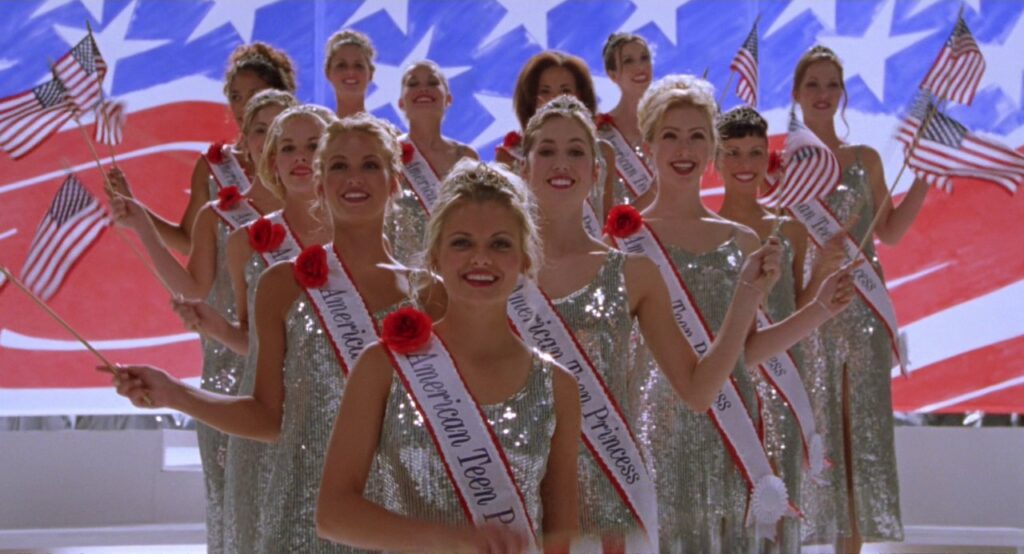
This one has a dedicated cult following and a lot of genuine fans who still quote it, so it tends to catch people off guard when it comes up on lists like this. The issue is how casually and repeatedly the r-word is used throughout, often just dropped in as a throwaway gag with no real purpose beyond getting a quick laugh.
It’s a reminder that language which was treated as acceptable comedy shorthand at the time was causing real harm to people watching, and the cult classic status doesn’t change what’s actually in the film.
8. I Now Pronounce You Chuck and Larry (2007)
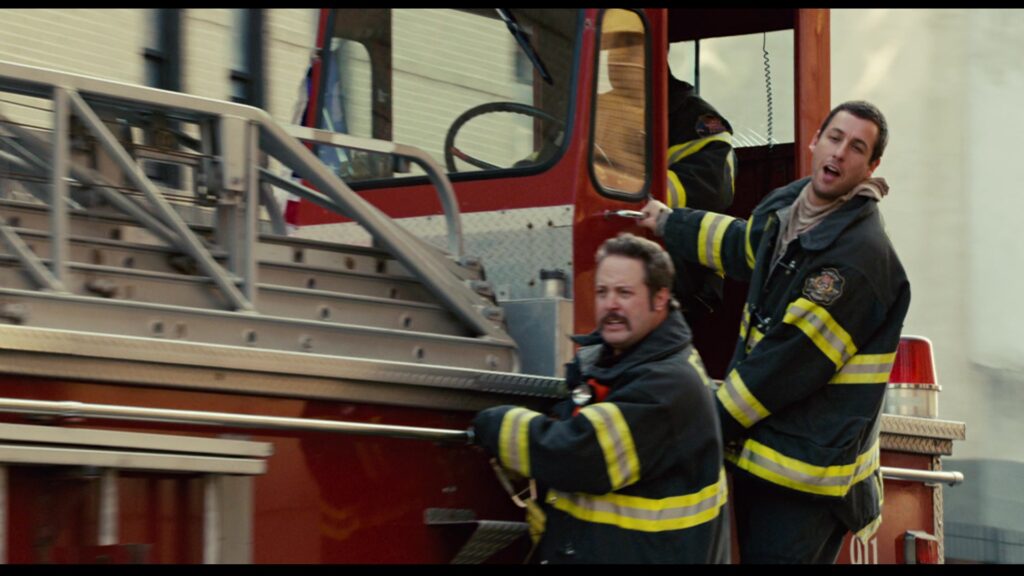
The film’s entire premise involves two straight men pretending to be a gay couple to exploit a legal loophole, and it mines that situation for jokes from start to finish. The humour relies almost entirely on gay relationships being treated as inherently absurd and something to be embarrassed about, and the film never really moves past that framing even when it gestures toward a message about tolerance.
A lot of people who tried to rewatch it in recent years have said they couldn’t get through it, and it’s become a go-to example of how quickly that kind of comedy dates.
9. Breakfast at Tiffany’s (1961)
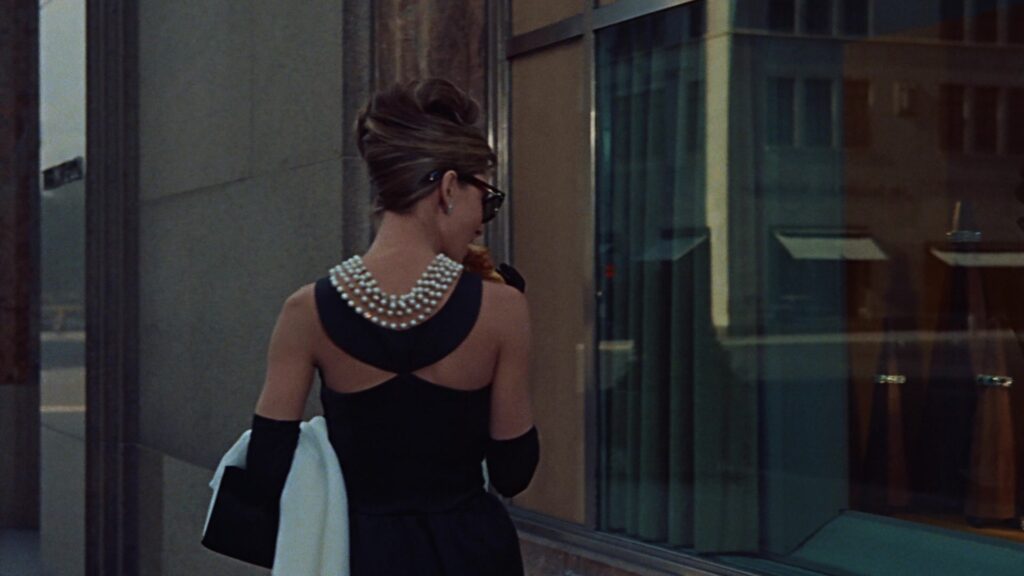
Audrey Hepburn is iconic in this film, and it’s still considered a style and cinema classic, but the character of Mr Yunioshi is a serious problem sitting right in the middle of it. Mickey Rooney plays a Japanese character in heavy prosthetics with a wildly exaggerated accent, and the performance is uncomfortable by any standard.
People who come to the film for the first time today often say they couldn’t get past it, and even longstanding fans have found it increasingly difficult to separate the film’s legacy from what’s actually on screen.
10. Shallow Hal (2001)
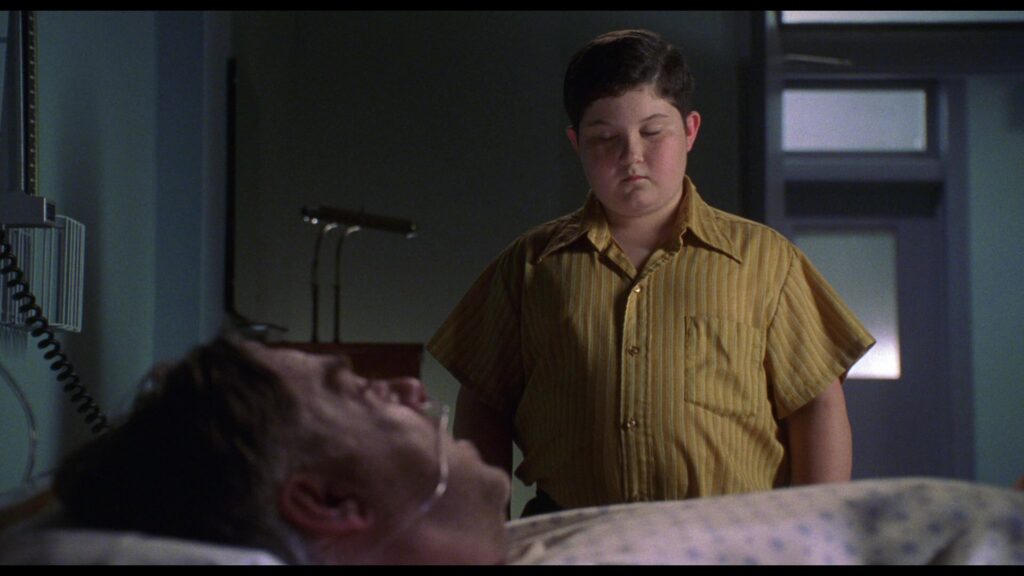
The film was sold as a story about learning to look past appearances and see inner beauty, which sounds like a positive message on paper. But the way it actually delivers that message involves making a woman’s size the consistent punchline throughout, and the supposed lesson never quite outweighs the jokes working against it at every turn.
People who’ve gone back to it recently say the first thing that comes to mind is how poorly it’s aged, and that the framing as a feel-good film makes it harder to sit with, not easier.
11. Ghostbusters (1984)
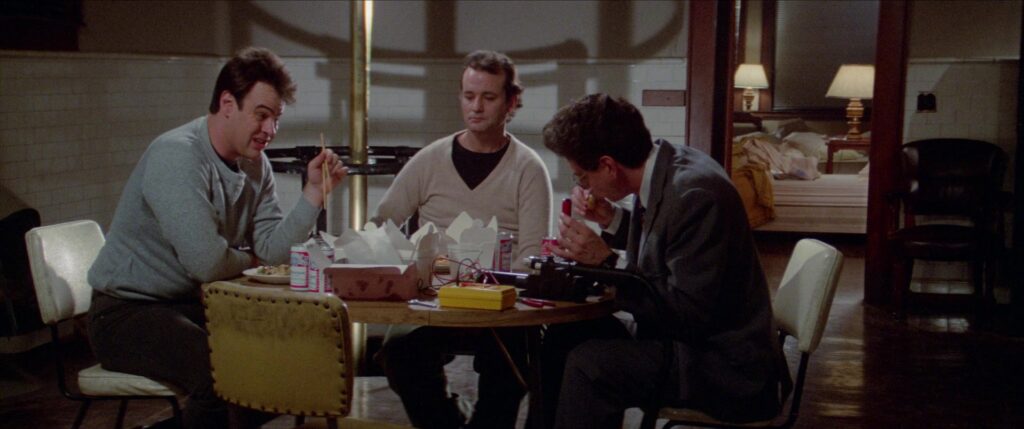
The film is still genuinely beloved and holds up well in a lot of ways. The comedy is sharp, the cast is great, and it’s earned its classic status. But Bill Murray’s character and his relentless pursuit of Sigourney Weaver’s Dana is something people are looking at very differently now.
She turns him down clearly and repeatedly, and he treats every refusal as a challenge rather than an answer. Parents who’ve rewatched it with their kids have mentioned being caught completely off guard by how one-sided and persistent that dynamic is, in a film they’d always thought of as fairly harmless.
12. Never Been Kissed (1999)
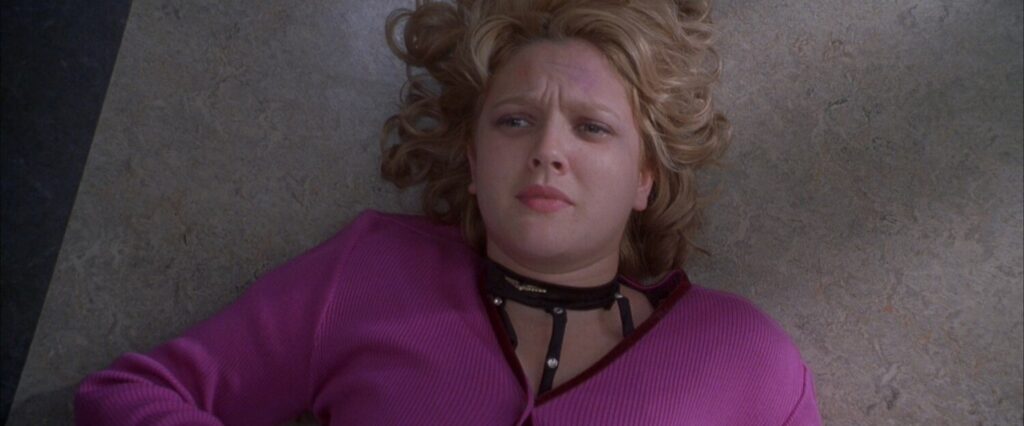
Drew Barrymore’s character goes undercover as a high school student and her teacher develops romantic feelings for her, believing her to be a teenager, and the film treats this as the central love story. There’s also a separate subplot involving a 23-year-old man who pretends to be a student and starts dating a 16-year-old girl, played entirely for laughs.
Both storylines were apparently considered charming at the time, and people revisiting the film as adults are genuinely baffled that either made the final cut, let alone both of them in the same film.
13. Monty Python’s Life of Brian (1979)
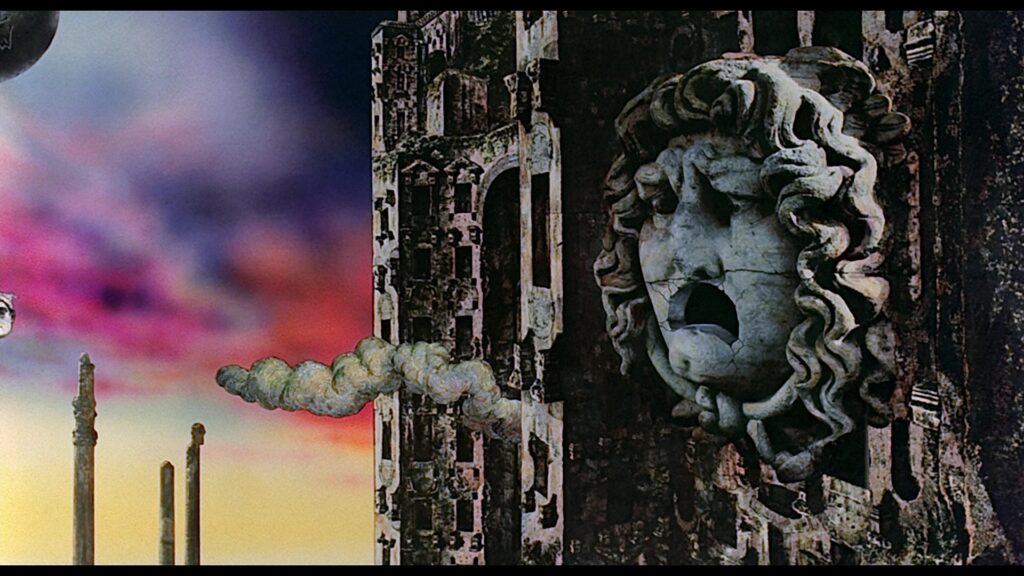
It’s still widely considered a comedy classic and a lot of it remains genuinely sharp and funny, but there’s a scene involving blackface that tends to stop a rewatch in its tracks. It’s a single moment rather than a theme running through the whole film, but it’s hard to overlook, and it’s been brought up more frequently in recent years as people revisit the Monty Python back catalogue with fresh eyes. The rest of the film’s reputation makes it all the more jarring when that scene arrives.
14. Superbad (2007)
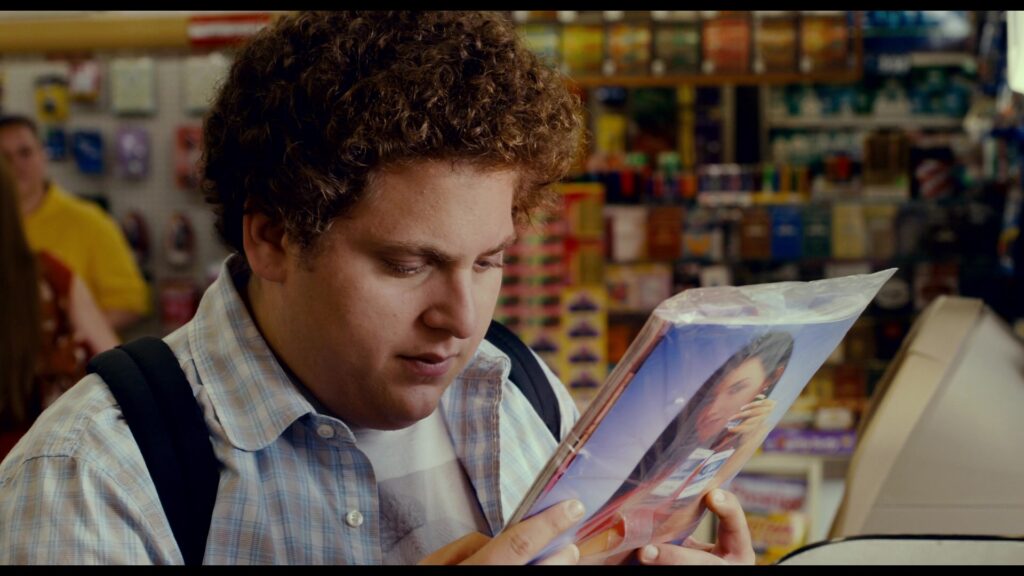
People who loved this film when it came out have been surprisingly honest about what rewatching it actually felt like. The humour is built almost entirely around teenage boys and their attitude toward the girls around them, how they talk about them, how they pursue them, and what they feel entitled to.
A lot of it is far more uncomfortable now than it seemed at the time, and the fact that it was considered a comedy classic on release is exactly what makes the rewatch such a disorienting experience. It’s not that the film has changed. It’s that the audience has.