There’s a specific kind of theatre that only happens in the UK, and it usually involves two people trying to have a blazing row while simultaneously trying not to make a scene.

We’re not a nation known for huge, sweeping gestures or loud public outbursts. Instead, our arguments tend to be a bizarre mix of extreme politeness, heavy sarcasm, and very specific grievances about things that wouldn’t matter anywhere else. Whether it’s a disagreement over the right way to make a brew or a stand-off in a narrow supermarket aisle, these exchanges are as British as a rainy bank holiday.
If you’ve ever sat on a bus in silence while the couple behind you hissed at each other over a favourite mug that was accidentally broken, you’ll know exactly the vibe. It’s that unique blend of passive-aggression and stubbornness that makes our public spats so strangely entertaining to eavesdrop on. You can practically feel the tension in the air as both sides try to maintain their dignity while getting their point across. Here are 14 very British arguments that you’ve almost certainly heard, or participated in, at some point.
The heating debate

One partner wants the radiators on full, the other thinks the solution is obvious and involves a jumper from the wardrobe. It’s only October, which makes the whole thing worse because neither of them is willing to admit winter is actually here. The thermostat gets nudged up when no one’s looking, then nudged back down again, and this can continue for weeks without either party directly addressing what’s happening. It becomes less about temperature and more about principle, and both of them know it.
The recycling bin situation

A neighbour knocks to mention, very politely, that cardboard goes in the blue bin rather than the green one. What follows is a 20-minute conversation that somehow involves the council’s website, a dispute about whether pizza boxes count as cardboard, and a promise to check the leaflet that neither of them can find. Nobody’s actually angry, but nobody’s entirely happy either. The neighbour goes home feeling like they’ve been difficult. The other person feels vaguely told off, despite having done nothing wrong on purpose.
What “fine” really means

Someone spent an hour cooking dinner and the response was that it was “fine.” Now there’s a whole separate conversation about what fine means, whether it’s a compliment, and why one person can’t just say what they actually think. The original dinner is long forgotten. The word fine is not. There’s a very specific British skill of loading a completely neutral word with enough subtext to fill a novel, and fine is probably the most weaponised word in the language.
The pub round

Two friends are quietly but firmly disagreeing about whose round it is, both completely certain they bought the last one. Neither of them is going to check their bank app because that would feel like an accusation. The conversation stays low and calm because they’re in public and neither of them wants a scene, but there’s real conviction on both sides. Eventually, one of them goes to the bar just to end the stalemate, but they won’t forget, and it will subtly inform every round for the rest of the evening.
The parking situation
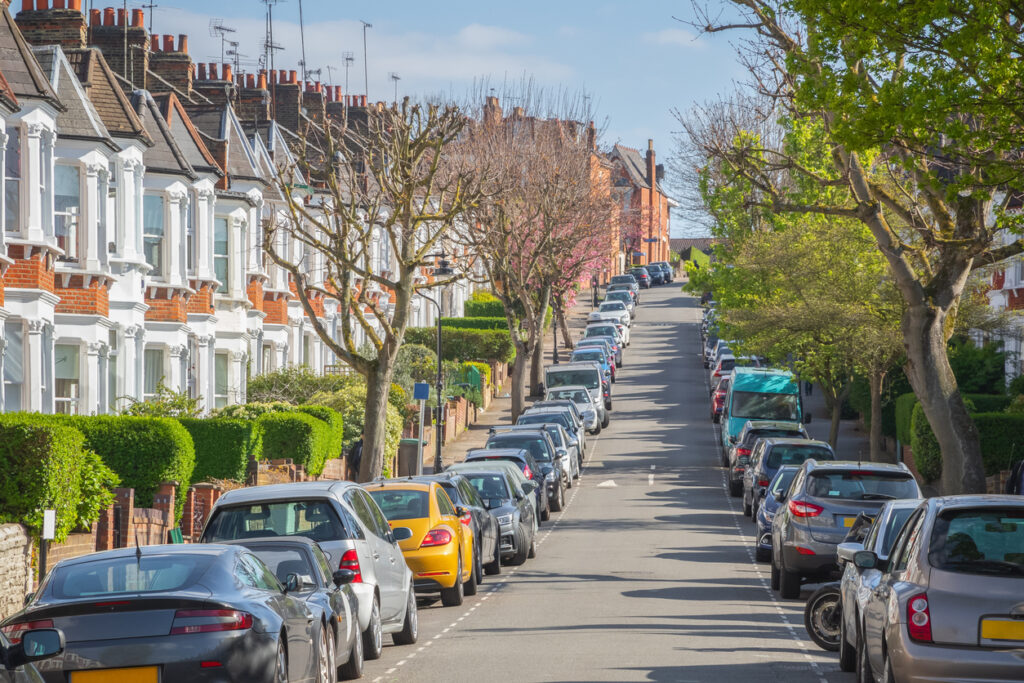
A man on his driveway is explaining to his neighbour, very calmly and with a smile that doesn’t quite reach his eyes, that the bit of road outside his house is technically public, but he’d really appreciate it if they didn’t park there on bin day. The neighbour nods along and says of course, absolutely, no problem. Nothing will change. They both know nothing will change. The conversation happens again in three weeks and goes exactly the same way.
Dad’s driving

Everyone in the back seat is giving directions at once, and the driver has gone completely silent. There are three different phones open with three different routes, and nobody can agree on which one is fastest. Someone mentions that they know a shortcut, which immediately causes a separate argument about the last time that shortcut was used and how long it actually added to the journey. The silence from the front is significantly more alarming than any raised voice would be, and everyone in the car is aware of it.
The TV remote

Someone put a show on, settled into the sofa, and fell asleep within ten minutes. Now there’s a genuine dispute about whether they were actually watching it or just resting their eyes, and what the difference is, and whether it matters. The show has been paused mid-episode for forty minutes while this gets sorted. There’s also a secondary argument brewing about whether it’s acceptable to watch ahead without the other person, which is a whole different level of serious, and nobody’s ready to open that one yet.
The family group chat

Mum sent a message that one sibling read completely the wrong way, and now two of them are going back and forth about tone and intention, while a third has muted the whole thing and is pretending they haven’t seen any of it. Dad hasn’t responded to anything since March and nobody mentions it. Someone will bring the original misunderstanding up at Christmas, by which point everyone will have forgotten the specifics but will remember exactly how it made them feel.
The wedding seating plan

Two relatives who’ve barely spoken in years have been seated at the same table and someone’s aunt is now outside on her phone, pacing the car park in heels. The couple getting married have been asked to intervene on what is supposed to be their wedding day. Nobody wants to be the one to move the place cards because that means admitting there’s a problem, and admitting there’s a problem means talking about why there’s a problem, and nobody wants to do that at a wedding.
The supermarket shop

One person bought the own-brand version of something because it was cheaper, and they didn’t think it mattered. The other person is now explaining, very patiently and with specific examples, why it absolutely does matter and why they’re not being snobby, they just have a preference. The item in question is baked beans. It is always something completely ordinary, which somehow makes the whole conversation feel more important than it probably is.
The dog walk rota

Someone skipped their turn twice and is now claiming they didn’t know there was a rota. Everyone else in the house finds this difficult to believe given it’s been on the fridge for three months with everyone’s name on it in different coloured pens. The dog is sitting by the door, completely unaware of the politics involved and just wanting to go out. Nobody can stay annoyed for long with the dog there, which is probably the only reason this argument ever gets resolved.
The boiler pressure

The boiler’s been making a noise and the pressure is low, and now two people are standing in front of it with a manual neither of them has read, arguing about which one of them said they’d call the plumber. Both of them have a very clear memory of this conversation and both of them remember it completely differently. The boiler continues to make the noise. The plumber still hasn’t been called. This is now the third week running.
The birthday card

It was bought with plenty of time to spare and left on the kitchen counter for everyone to sign. It’s now the morning of the birthday, the card is still blank, and everyone is pointing at everyone else. Someone is going to have to pretend it was posted late, which means finding an envelope, which means going to the drawer that nobody can find anything in. The birthday person will say it doesn’t matter. It matters a bit.
The leftover argument
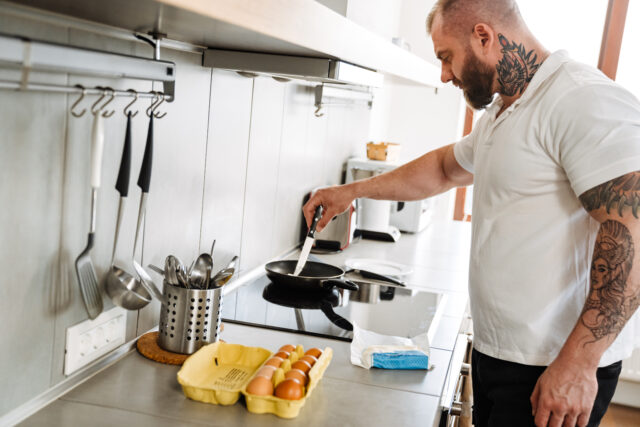
Someone came home from work having thought about those leftovers for the last two hours of their shift, only to find the container empty in the sink. The person who ate them didn’t realise they were claimed because nothing was written on them, which they’d like acknowledged as a relevant fact. The other person said it was fine. It wasn’t fine, and the flatness in their voice made that completely clear. There’s now an unspoken new rule in the house about labelling things in the fridge, which nobody has said out loud, but everyone is silently following.