Most of us learned to cook by watching our parents or just winging it, which means we’ve picked up a load of bad habits that we don’t even realise are ruining our food (and our health).

You might think you’re doing everything right, but certain things you do every day in the kitchen are actually making your dinners bland, tough, or even a bit dangerous. It has nothing to do with your talent as a cook and everything to do with these autopilot moves that sabotage the flavour before the meal even hits the table.
Breaking these cycles is the quickest way to turn a mediocre weeknight fry-up into something that actually tastes like it came from a proper restaurant. Once you swap these old habits for a few simple, more effective techniques, you’ll wonder why you spent years making things harder for yourself.
1. Stop treating your grill as a healthy cooking default.
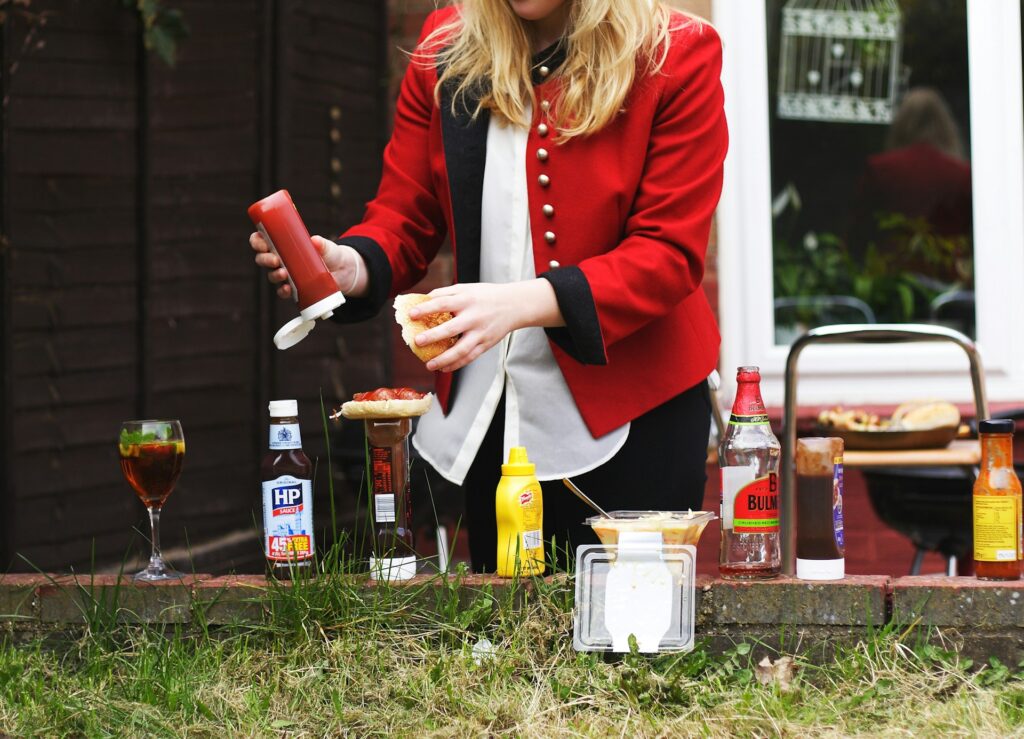
Grilling feels wholesome because it requires minimal oil and gets you outdoors, but firing it up several times a week significantly increases your health risks. When you grill at temperatures above 280 °F (ca. 138 °C), sugars and proteins react to create compounds called AGEs that accumulate in your body over time and are linked to cardiovascular disease and Type 2 diabetes.
Research shows cooking meat at high temperatures every other day creates a 28% higher risk of Type 2 diabetes compared to once weekly. Save the grill for weekends instead of making it your weeknight go-to, and you’ll slash your exposure without giving it up entirely.
2. Stop thinking air fryers eliminate all cooking risks.
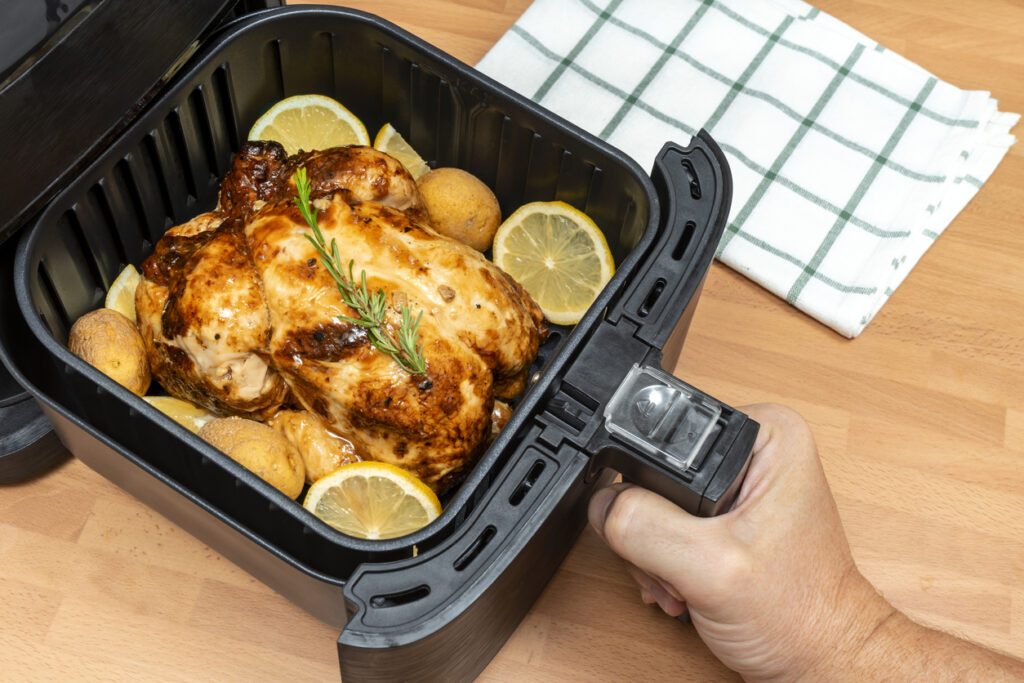
Air fryers are marketed as the healthy alternative to deep-frying, and while they don’t create the same fat-dripping smoke problem as grills, they’re not risk-free. Any cooking method that browns food creates AGEs, and air fryers definitely brown things. That golden, crispy coating you’re after means that these compounds have formed.
Air fryers are still better than deep-frying and avoid grilling’s smoke issues, but they shouldn’t be your only cooking method. Rotate between air-frying, steaming, and braising instead of relying on one piece of kit for everything.
3. Stop charring your food until it’s blackened.
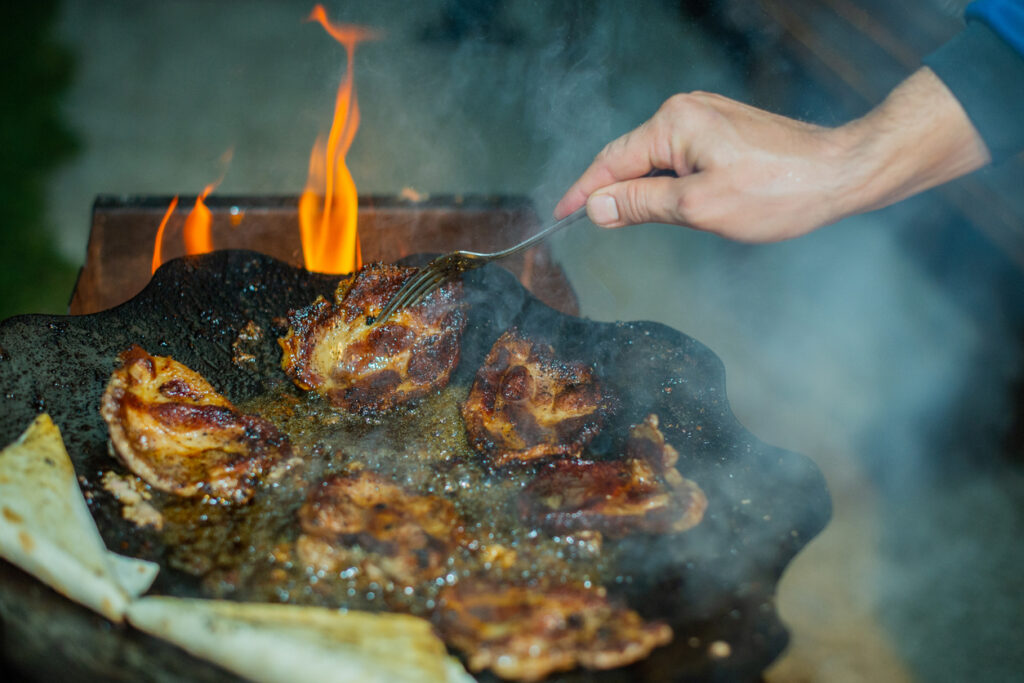
That heavily charred crust might taste fantastic, but it’s concentrating the highest levels of harmful compounds in one spot. The darker the char, the more carcinogens you’re consuming, especially on meat. Long cooking times and heavy charring increase your exposure dramatically. Use moderate heat and flip your food often so it cooks evenly without developing that thick black layer. If you do end up with char, scrape it off before eating instead of convincing yourself it adds flavour.
4. Stop skipping the marinade step.
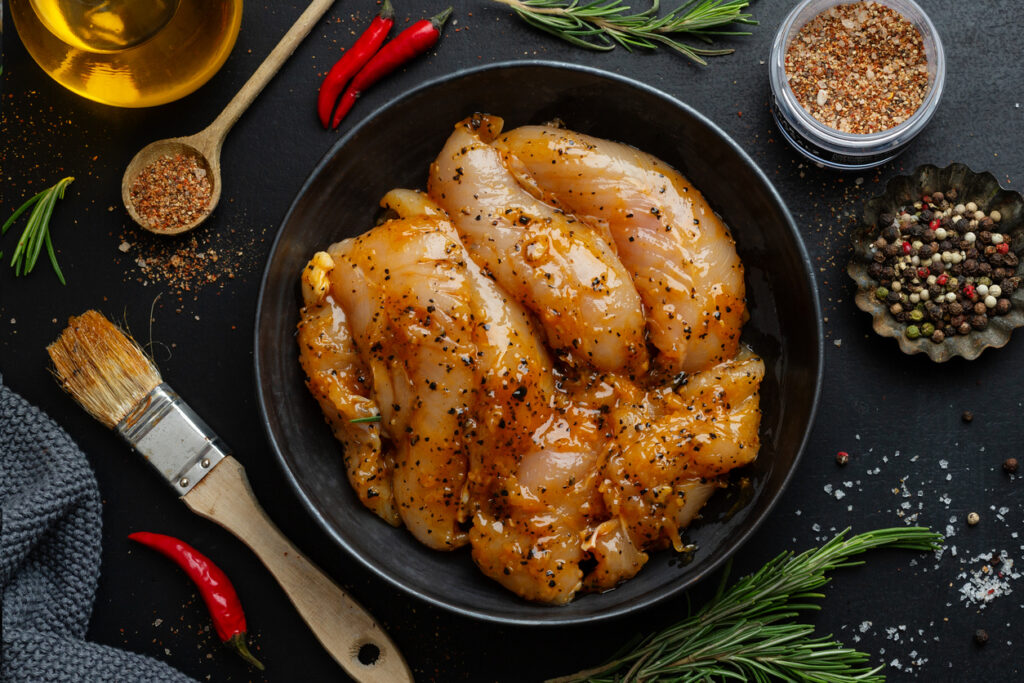
Marinating meat in acidic liquids before cooking at high temperatures significantly reduces AGE production, but most people can’t be bothered. Vinegar, lemon juice, wine, or yogurt all work brilliantly, and you only need 15 minutes for them to be effective.
The acid creates a protective barrier that limits the harmful chemical reactions when meat hits high heat. This is one of the easiest changes you can make, so stop treating marinades as optional fancy touches and start using them every single time you grill or roast meat.
5. Stop slathering everything in sugar-based sauces.
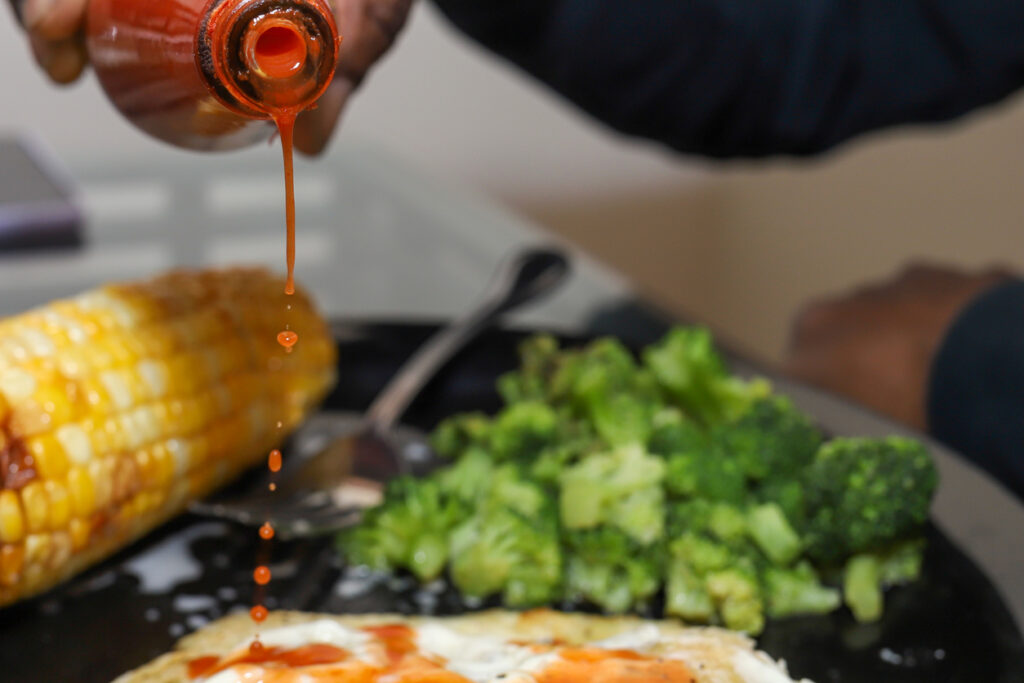
Barbecue sauce, sweet glazes, and honey-based marinades might make food taste incredible, but sugar feeds the exact reaction you’re trying to avoid. High sugar content actually increases AGE production during cooking, completely defeating the purpose of marinating in the first place. Stick to acidic marinades without added sugar, and if you love barbecue sauce, brush it on right at the end after most of the cooking is done. You’ll get the flavour without compounding the health risks.
6. Stop cooking meat in large chunks for extended periods.
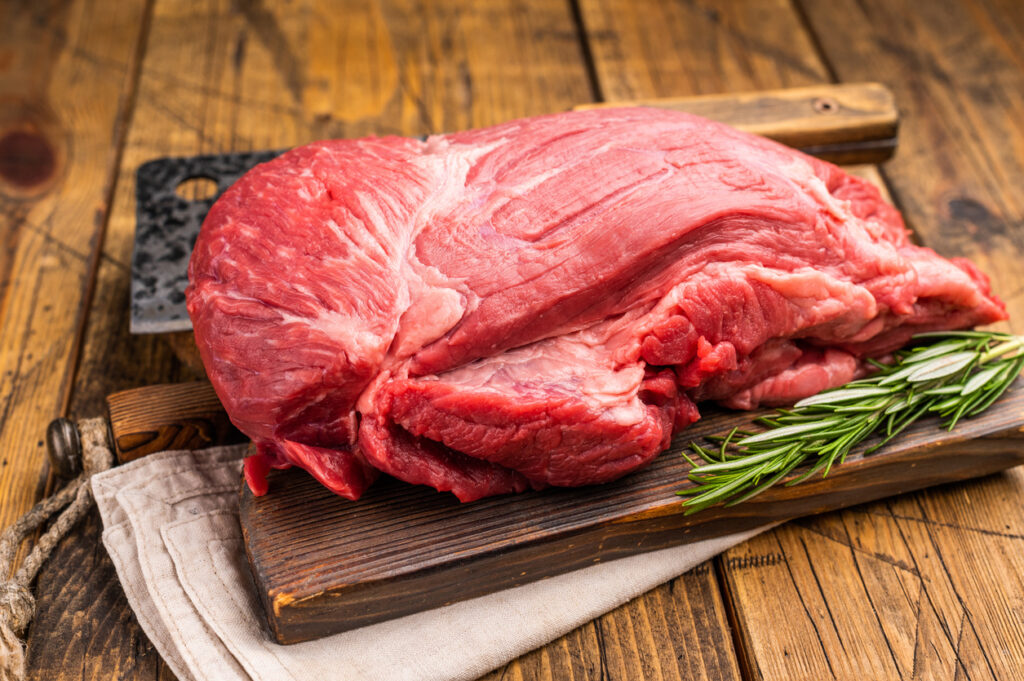
The longer meat stays on high heat, the more harmful compounds form, so those massive steaks and whole chicken breasts are working against you. Cut meat into smaller pieces before cooking so it finishes faster and spends less time exposed to high temperatures.
Chicken skewers cook in a fraction of the time compared to whole breasts, and smaller steaks reach temperature quicker than thick cuts. You can also precook meat in the microwave for a few minutes before finishing it on the grill, which sounds odd but genuinely reduces compound formation.
7. Stop grilling fatty cuts without trimming them first.
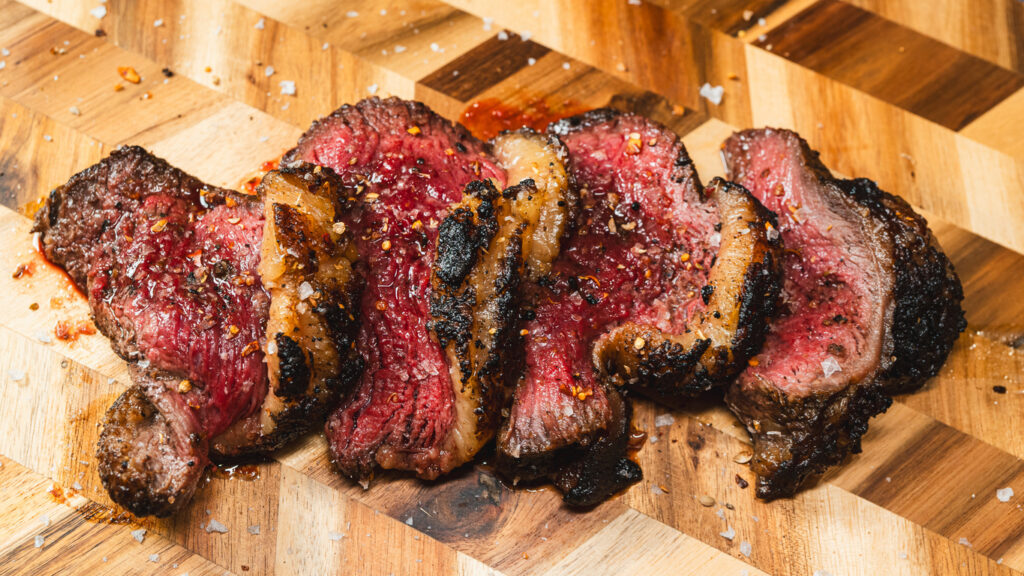
When fat drips onto flames or hot coals, it creates smoke carrying carcinogens called PAHs that drift back onto your food. Fattier cuts taste better because of that marbling, but they also drip more and increase your exposure to these compounds by three to five times. Trim visible fat before cooking, and if you want flavour, rely on your acidic marinade instead. Leaner cuts like round, loin, or flank produce far less smoke and carry significantly lower risk.
8. Stop grilling red meat and processed meats multiple times weekly.
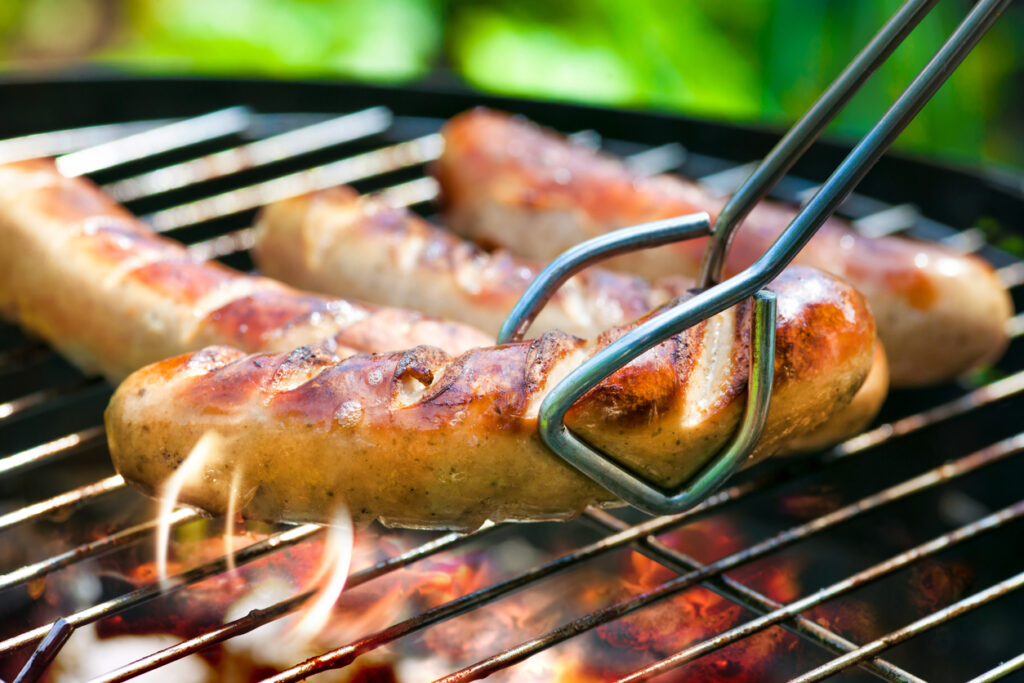
From a cancer-prevention perspective, processed meats are the absolute worst choice for high-heat cooking, followed closely by red meat. Sausages, bacon, and burgers on the grill combine the worst cooking method with the riskiest ingredients.
Chicken and fish are safer choices because they produce fewer harmful compounds at the same temperatures, though they’re not completely risk-free. Swap your weeknight burgers and hot dogs for grilled chicken or fish, and save red meat for occasional treats rather than regular rotation.
9. Stop roasting vegetables at maximum heat, thinking it’s completely safe.
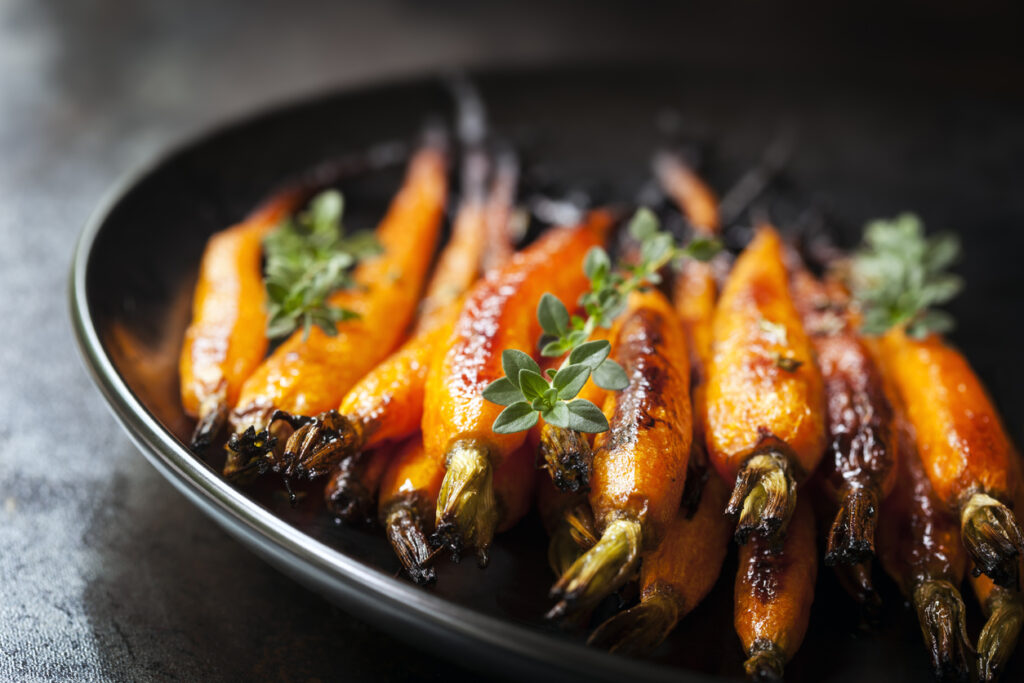
High-heat roasted vegetables do produce AGEs, just like meat, especially when they develop those caramelised edges everyone loves. Cooking vegetables in water or with acids added creates far fewer compounds than roasting them at 425 °F (ca. 218 °C) until they’re crispy.
That said, vegetables produce dramatically lower levels than meats at the same temperatures, so they’re still the safer choice when you want roasted flavour. Don’t panic about roasted veg, just balance it with steamed or sautéed vegetables throughout the week.
10. Stop eating the burnt crispy bits.
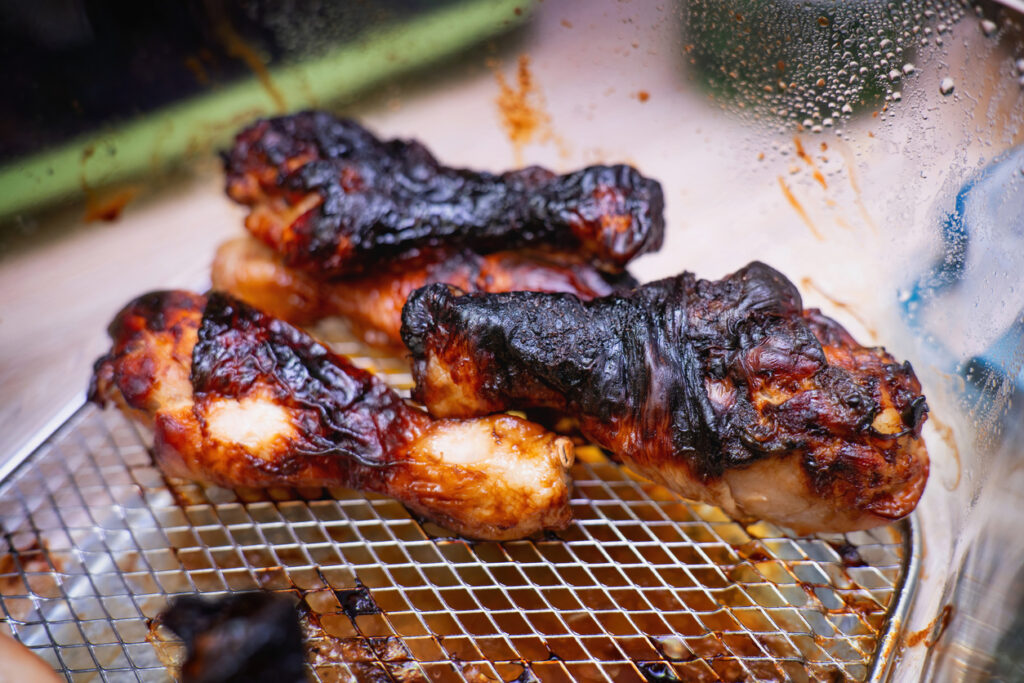
Those blackened, crispy edges are concentrated with the highest levels of carcinogens, but loads of people actively seek them out as the best part. If you accidentally char something, scrape off the darkest bits before eating instead of crunching through them. The meat underneath is fine, it’s just that outer layer you need to remove. This applies to vegetables too, though they’re less concerning than meat.
11. Stop using high heat as your primary cooking approach.
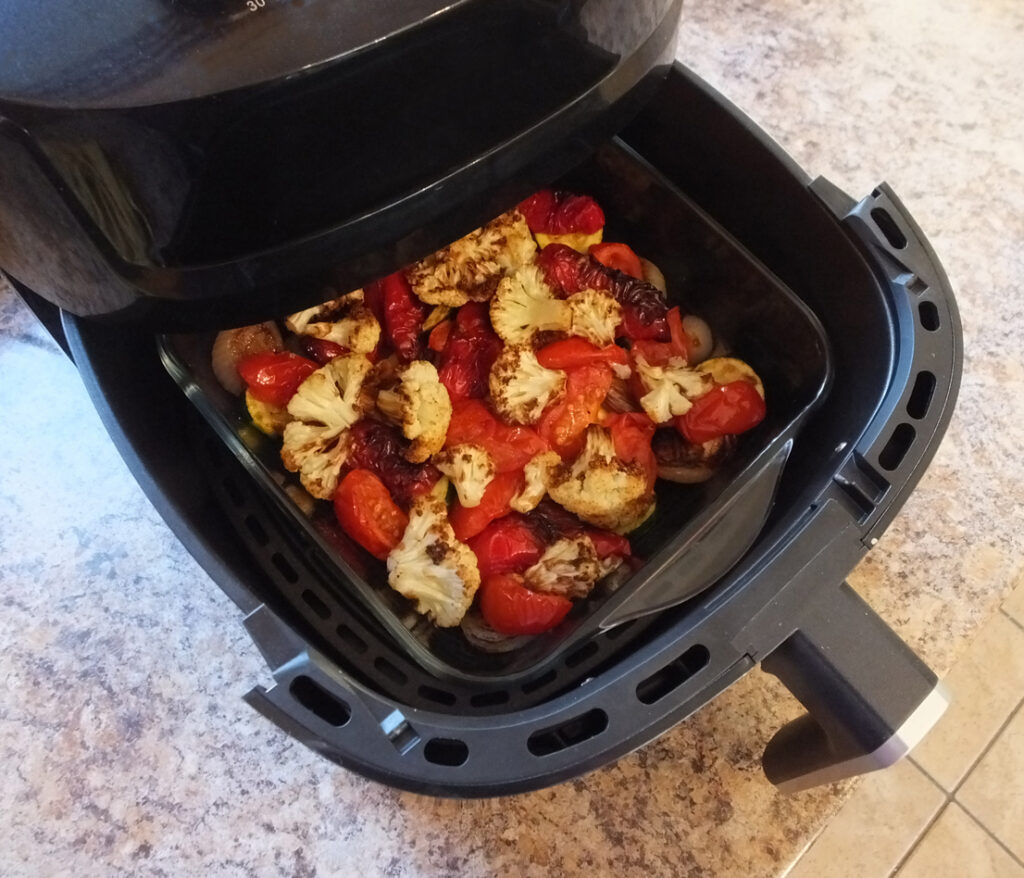
Grilling, roasting, and air-frying shouldn’t be your only cooking methods just because they’re convenient. Gentler methods like braising, steaming, poaching, stewing, and microwaving stay below that 280 °F (ca. 138 °C) threshold where harmful compounds form.
Slow cooking and sous vide also qualify. These methods might seem less exciting, but they avoid the problem entirely while keeping food moist and flavourful. Rotate between high-heat and low-heat methods throughout the week instead of defaulting to one approach.
12. Stop panicking that you need to give up grilling entirely.
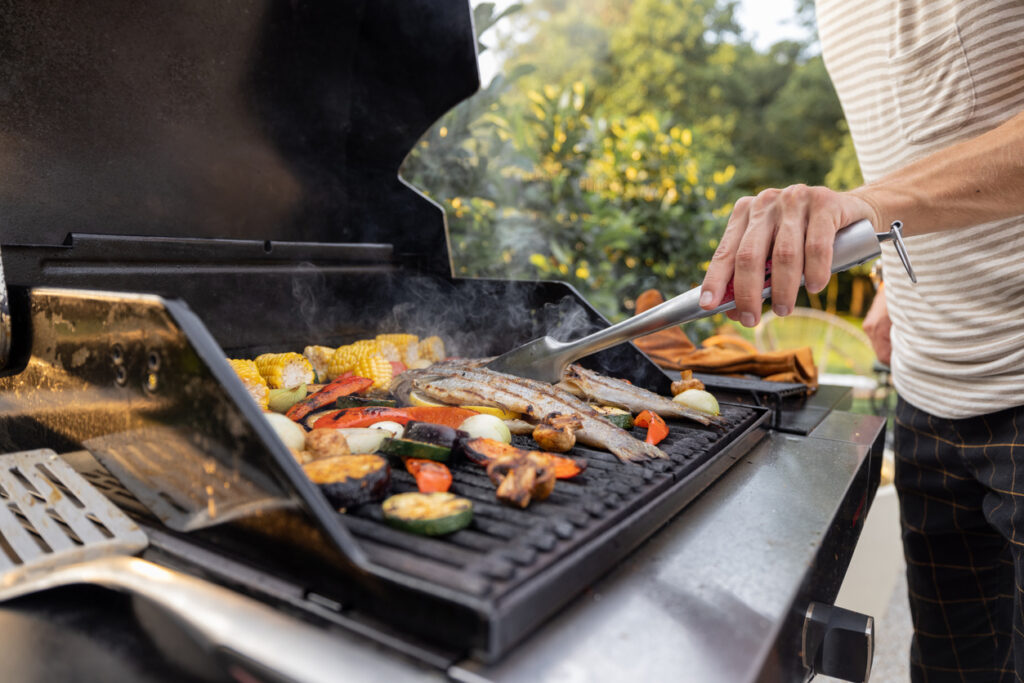
The research doesn’t show that grilling occasionally, or even regularly, automatically leads to cancer or diabetes. Risk isn’t driven by one meal or one method, it’s shaped by what you do most days over many years. Risk increases when multiple factors combine, like eating processed meat frequently, charring food black, and relying on high-heat methods for everything. Any single habit is manageable, it’s stacking all of them together that compounds the problem. Keep your grill, just use it smarter with better foods and better techniques.
13. Stop ignoring overall diet quality whilst obsessing over cooking methods.

Switching from grilling to steaming won’t matter much if the rest of your diet is rubbish. Cancer risk comes from your overall pattern of eating over years, not from one cooking technique. Someone who grills chicken twice weekly but eats loads of vegetables, whole grains, and minimal processed food faces far lower risk than someone who steams everything but lives on ready meals. Focus on improving your whole diet, choose better ingredients most of the time, use acidic marinades, avoid heavy charring, and don’t stress about the occasional weekend barbecue.