From incorporating AI to at-home care, the NHS has laid out some pretty bold ideas for what healthcare in the UK could look like over the next decade.

If even half of them work, the system could become faster, more local, and genuinely easier to use. But with a track record of missed targets and underfunding, the real question is: will any of it actually happen? Here are the 15 big promises in the NHS Long-Term Plan—and why some people are still sceptical.
1. Community-based care, not just hospitals

The plan says we’ll see more health support delivered through local hubs—think GPs, nurses, mental health services and social care teams working together under one roof. The goal is to ease pressure on hospitals and help people manage long-term conditions closer to home.
It sounds like a smart move, especially for people who struggle with transport or feel overwhelmed by hospital settings. Of course, it’ll only work if there’s enough staffing and infrastructure to actually run these local services well—something that’s been missing for years.
2. A stronger focus on prevention

Instead of waiting for people to get seriously ill, the NHS wants to put more energy into preventing problems in the first place. That includes things like smoking cessation, better food options, more early screening, and access to tools like weight-loss medication through your local pharmacy.
It’s the kind of change people have been asking for forever, especially given how much illness stems from avoidable causes. But prevention doesn’t always get the funding it needs because results take longer to show up. That’s where things often fall apart.
3. Everything digital, everything easier

By 2028, the NHS App is supposed to be the central hub for health admin—bookings, results, prescriptions, health records, even virtual GP visits. It’s part of the wider goal to make the NHS a “digital first” service that’s less paper-heavy and easier to navigate.
It’s promising, but only if the technology actually works well and everyone can use it. Older patients, people with no internet access, or those with accessibility needs are often left out of digital rollouts unless they’re carefully planned with inclusion in mind.
4. Robots and AI in everyday healthcare

The NHS wants to massively expand its use of surgical robots and AI-assisted diagnostics. That could mean faster scans, shorter waiting lists, and more accurate triage in A&E departments—if the tech is rolled out properly and staff are trained to use it well.
AI is already helping spot patterns in scans and streamline paperwork. That being said, there’s always the risk of relying on it too heavily without fully understanding the implications, or forgetting that not all patients feel safe when machines are involved in care decisions.
5. Hospital-level care from your living room

“Virtual wards” are one of the headline ideas. Patients recovering from surgery or managing chronic illness will be monitored from home using remote devices and support teams, cutting down on hospital stays without sacrificing care quality.
It’s great in theory, especially for freeing up beds and keeping vulnerable people in comfortable surroundings. But for this to work, there needs to be a proper support system in place, especially for people who live alone or aren’t confident using tech.
6. A hiring spree in mental and community health

To support all these changes, the NHS says it’ll ramp up hiring in mental health and community roles by as much as 73% by 2037. That means more trained professionals available in local settings instead of funnelling everyone through hospitals.
However, given how long it takes to train staff, and how many are leaving due to burnout and low pay, this target feels ambitious. Where exactly are we getting all of these people? Without proper pay, retention plans, and investment in training, a bigger workforce might remain more of a dream than a reality.
7. Mental health finally getting consistent funding

The NHS has promised that mental health services will grow faster than the overall health budget, with ringfenced investment and more services available in schools, maternity units, and communities. It’s a good sign, especially after years of underfunding. But people want more than promises—they want therapists available within weeks, not months. So far, wait times for mental health support have remained one of the plan’s biggest sticking points.
8. A real attempt to tackle inequality

Through better coordination between health and social care services, the plan aims to reduce regional and class-based gaps in health outcomes. That includes targeted support in underserved communities and stronger links between the NHS and councils.
These ambitions are overdue. But they hinge on funding being spread fairly and services actually collaborating on the ground. In the past, the lack of integration has been a major barrier to real change, so this one’s definitely a “wait and see.”
9. Rewards for better care, not just more care

Performance bonuses and “comply or explain” measures will be introduced to reward hospitals and services for actually improving outcomes, not just churning through patient numbers. Incentivising quality is a step in the right direction, but it needs to be measured sensibly. There’s always a risk that these systems turn into box-ticking exercises or place more pressure on already stretched teams.
10. More investment in cutting-edge health tech

From gene therapy to wearables and personalised digital health tools, the NHS wants to become a pioneer in innovation. It’s looking to scale up trials and integrate new tech faster across the whole system. It’s an exciting space, but innovation has to go hand-in-hand with access. High-tech care shouldn’t only be available in wealthy areas or to those who can navigate complex systems. Equity needs to stay front and centre.
11. A push for long-term financial sustainability

Productivity targets are built into the plan, with the hope that smarter processes and better use of staff time will save money long term. The idea is to keep the NHS publicly funded but financially viable as demand rises. It makes sense, but past efforts to squeeze more “productivity” out of the system haven’t gone smoothly. Many fear this will just mean more pressure on staff unless genuine support, innovation, and restructuring are delivered alongside the targets.
12. Tackling obesity through early intervention

The NHS plans to roll out anti-obesity medications like Wegovy and Mounjaro through pharmacies, while also pushing for reform in food marketing and encouraging healthier choices in schools and shops. Obesity is one of the biggest drivers of disease in the UK, so this feels necessary. However, some experts worry this approach still leans too heavily on individual responsibility rather than changing the environments that lead to poor health in the first place.
13. Easier access to diagnostics near home

New “community diagnostic centres” will offer things like blood tests, scans, and imaging services in retail parks and high streets, so people don’t have to travel miles for basic care. That could make a huge difference to early detection, but the centres need to be properly staffed, well-funded, and accessible for everyone—including disabled people, carers, and those without transport.
14. A focus on NHS staff well-being

Better support for NHS workers is also part of the plan—from access to mental health care and occupational health services to peer networks and flexible work options. It’s long overdue. Staff burnout and low morale are a huge threat to the system, so looking after the people who keep the NHS running isn’t optional; it’s necessary for everything else to work.
15. A commitment to keeping the NHS public
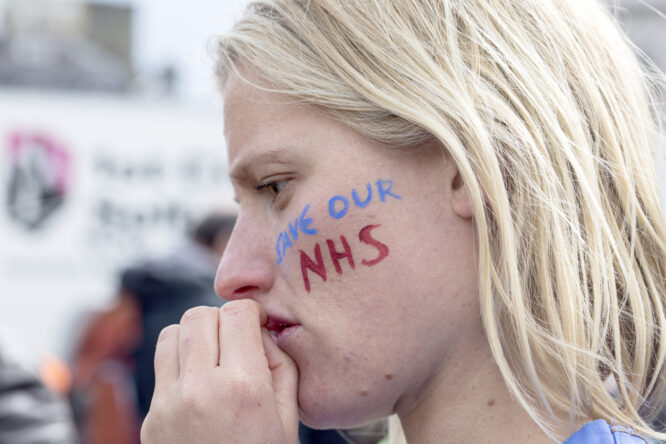
The plan reaffirms that the NHS will remain free at the point of use and publicly funded. It comes at a time when fears about creeping privatisation are widespread among both patients and staff. People want clarity and assurance on this point—and delivery will matter more than promises. If public services continue to be outsourced while private providers quietly expand, that commitment may start to feel hollow fast.
So, will it happen? The blueprint is bold. But for many Brits who’ve seen past pledges fizzle out, belief will only return when things start visibly improving—on the ground, in the clinics, and in the lives of real people.