It’s hard not to feel like everything in Britain comes with a price tag these days.

Things that used to be free, or at least decently affordable, have quietly turned into sneaky add-ons or monthly subscriptions. Whether it’s public spaces, digital access, or basic services, companies (and sometimes councils) seem to be charging us for stuff we didn’t even know had a price. Here are some things we never used to have to pay for UK—until someone saw profit in them.
1. Loo access in public places

Once upon a time, you could nip into a shopping centre or train station and use the loo without needing a pound coin or a contactless tap. Now? You’re lucky if you don’t have to queue behind a locked door with a card reader attached to it.
Whether it’s major train stations charging for basic toilet use or tourist spots quietly introducing “maintenance fees,” the idea of a free public loo is becoming quaint. It’s especially frustrating when you’ve already paid for a train ticket or entry to the venue.
2. Bags at the supermarket

The 5p charge started as a way to cut down on plastic waste, and fair enough—it worked. But now even paper bags, previously seen as the more eco-friendly freebie, can set you back a few pennies, and larger “bags for life” keep creeping up in price. Some shops don’t even offer the option of a free bag at all, leaving you juggling your groceries unless you remember to bring your own. It’s a small charge, sure, but one that’s become another sneaky add-on to your shop.
3. Checking in a bag for a flight
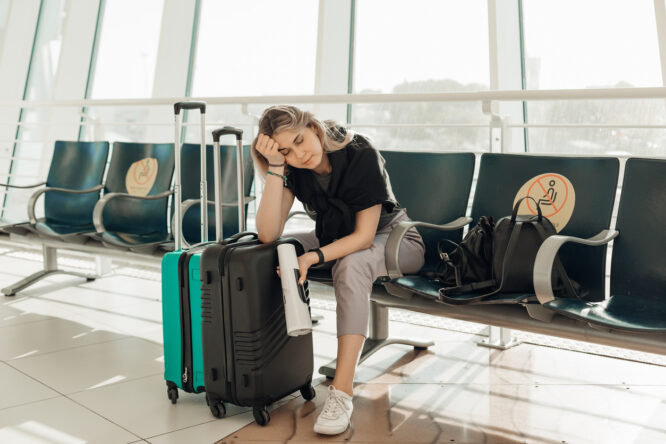
Flying used to mean your ticket included everything—luggage, a meal, even a little blanket. Now, you’re lucky if the price covers a small rucksack, let alone a cabin bag. And checking in a suitcase? That’s a whole extra cost entirely. Budget airlines are the worst offenders, but even big carriers have joined the trend. Travelling light used to be a choice. These days, it’s a financial necessity unless you’re willing to fork out for priority boarding and the rest.
4. Event ticket printing or collection

Once you bought a ticket, it was yours—simple. But now, even printing it out at home or collecting it at the venue can come with a “handling” fee. Sometimes the digital ticket that goes straight to your phone costs money to send… somehow. It’s baffling how much you can end up paying in “admin fees” just for the privilege of seeing a band, football match, or comedy show you already paid full price for. The hidden costs sneak in everywhere.
5. Cash machine withdrawals

Not long ago, popping into a corner shop and using the cash machine was just part of normal life. Now, more and more of those machines are charging £1.99—or more—just to get your own money out. And they often appear in lower-income areas where free machines have quietly vanished. It’s a slow, creeping change that hits hardest when you’re caught short.
The move toward digital payments might be convenient, but when cash becomes expensive to access, it stops being a fair choice.
6. Freeview TV content

TV used to be simple. You had your licence fee, and that was that. Now, even shows that aired on regular TV are being moved behind paywalls. Want to rewatch something you missed? Better hope it’s not been shoved onto a premium streaming service. It’s becoming more common for shows to disappear from catch-up platforms like iPlayer or ITVX unless you pay for an upgraded version. What used to be part of everyday viewing is now another “upgrade” opportunity.
7. Parking at beauty spots and parks

A peaceful walk in nature shouldn’t cost the same as lunch, but that’s where we’re headed. Many UK parks and National Trust sites now have pricey parking fees, often with no alternative nearby. It’s nature, but monetised. Even local council-run green spaces have installed parking metres in once-free lay-bys. It’s a quiet way to make the outdoors feel less welcoming to people without disposable income or contactless-ready wallets.
8. Phone customer support

Once, if you had an issue with your internet, phone or electricity, you’d call and speak to a human. Now, many companies charge for phone support, or hide it so deep in their website that you end up stuck in a chatbot maze for hours. In some cases, helplines are premium-rate numbers, meaning you’re paying extra just to be kept on hold. You end up charged for the privilege of fixing their mistake, which doesn’t exactly feel customer-friendly.
9. School-related activities and materials

Many parents now face costs for things that used to be standard: school trips, learning apps, ingredients for food tech, and even basic stationery. While schools themselves are under pressure, it’s families who are being quietly asked to foot the bill. When “optional” extras become expected, it creates stress for kids and guilt for parents. The line between education and a financial burden is getting increasingly blurry.
10. Tap water in restaurants

Legally, licensed premises in the UK have to offer free tap water. But that doesn’t stop some restaurants from being cagey about it, or outright charging for “filtered” water instead. It’s not unusual to see a bottle of water quietly added to the bill. Asking for tap water used to be simple. Now, it can feel awkward, like you’re doing something cheeky—when really, you’re just asking for the one basic thing that should always be free.