Nasty comments have a way of catching you off guard, especially when they come out of nowhere or from someone you didn’t expect it from.

Whether it’s a snide remark, a backhanded compliment, or a full-on insult, knowing how to respond without losing your cool is a real skill. The goal isn’t to win an argument or go low. Instead, it’s to protect your dignity, set a tone, and keep your self-respect intact. Here are some smart, calm, and powerful ways to respond to unnecessarily rude remarks from people.
1. “That was unnecessary.”

This one’s simple and direct. It tells the person that what they said didn’t need to be said, without shouting or insulting them back. You’re not feeding the drama, you’re just calling it out for what it is. People who throw around nasty remarks often expect silence or retaliation. This response catches them off guard. It holds up a mirror without turning into a fight.
2. “Was that supposed to be helpful?”

This question makes them stop and think. It’s not defensive, it’s curious. You’re asking them to clarify their intent, which often makes them rethink how their words actually landed, even if this is more of a rhetorical question. If they double down, it says a lot about them. But often, people will backtrack or soften. It encourages self-awareness without you needing to get emotional.
3. “Let’s not do that.”

This is short, sweet, and firm without being aggressive. It sets a clear boundary: you’re not playing along with whatever passive-aggressive game they’re trying to start. Sometimes, silence after saying this is even more powerful. You don’t owe a big explanation or defence. Just a simple refusal to join in on their bad behaviour.
4. “You must be having a rough day.”

Rather than lashing back, this takes the high road while still highlighting how off their tone was. It reframes their nastiness as a reflection of their own mood, not something you need to take personally. You’re not excusing them; you’re disengaging from their negativity without absorbing it. Often, it leaves them a bit embarrassed, which is fair enough.
5. “I’m not taking that on.”

This is one to use when someone tries to dump their attitude, bitterness, or personal projections onto you. It’s a refusal to carry their emotional mess, which is exactly what you need to protect your peace. You’re not attacking them, you’re simply opting out. It sends a clear message that your self-respect isn’t up for grabs, no matter how rude they get.
6. “That felt a bit harsh.”

If someone says something casually cruel and masks it as honesty or humour, this is a good way to pull the curtain back. You’re not overreacting; you’re just pointing out the sting without escalating. It brings attention to their tone and makes it harder for them to hide behind “just joking” or “just being real.” It also gives them the option to correct themselves, if they want to.
7. “Interesting choice of words.”

With this one, you’re staying cool, but making it very clear you noticed the jab. It lets the other person sit with what they said, and maybe even squirm a bit. You’re not explaining, and you’re not reacting. You’re just observing, and many times, that’s enough to make someone realise they crossed a line, without giving them the satisfaction of a big reaction.
8. “I don’t speak to people like that, and I won’t be spoken to like that either.”

This one is strong and clear. It sets a firm boundary with no wiggle room, and it shows that you expect mutual respect, not one-sided hostility. It’s a response that works especially well with repeat offenders who need a firm line drawn. It doesn’t need to be followed up with a debate. Just say it, and if needed, walk away.
9. “Let me know when you’re ready to be respectful.”

This gives the other person a chance to course correct, but only if they’re willing. You’re offering space for a better conversation, while clearly stepping away from the current tone. It’s not passive, it’s protective. You’re keeping your emotional space clear, while also showing them what’s required to stay in it with you.
10. “That’s not actually true.”

If the nasty comment is framed as fact, like a criticism of your choices, appearance, or personality, this calm line lets you challenge it without making a scene. You don’t have to defend yourself with evidence or apologise for disagreeing. You’re simply not accepting their version of you as the truth. That’s power.
11. “If you’re trying to upset me, it’s not working.”

This one takes the wind out of their sails. It acknowledges their tone without giving them the emotional reaction they were probably looking for. It can also give you back a sense of control in the moment. You’re naming what’s going on without feeding it, which often makes the person realise they’ve overstepped.
12. “Noted.”
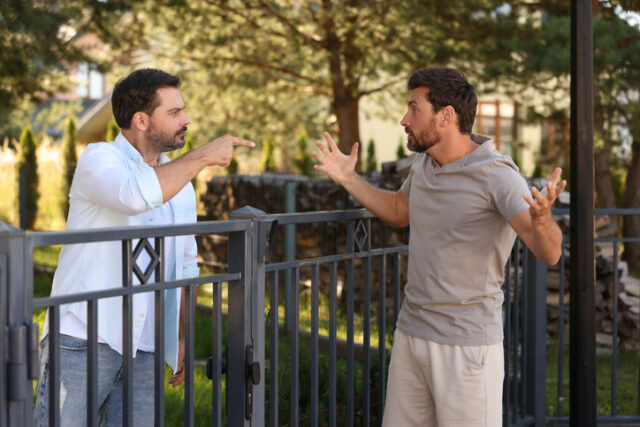
It’s just one word, but it can be incredibly effective. You’re acknowledging that they said something, but you’re not agreeing, reacting, or engaging. It creates distance, it ends the moment, and it lets you move on without dragging out a fight. Sometimes, that’s the most powerful response of all.
13. “You don’t need to speak to me like that.”

This is a gentle reminder that tone matters. It doesn’t assume the person meant to be terrible, but it calls out the way they delivered it. It’s especially useful in professional or tense settings. It also helps protect you from minimising or excusing bad treatment. If something felt off to you, say so. You’re not overreacting here; you’re asking for basic respect.
14. “Let’s keep this respectful, or not at all.”

This one sets the terms for the conversation. If they can’t keep things civil, you’re not interested. You’re not begging for decency. You’re expecting it, and making that clear. It puts the responsibility back on them to decide whether this conversation continues. If they double down on nastiness, you’ve already made it clear you won’t be sticking around.
15. Silence

Sometimes, the best response is no response at all. Not because you’re letting it slide, but because you’ve decided the comment isn’t worth your energy. Not everyone deserves a piece of your attention. Pause, give them a look, and choose not to engage. These things can speak louder than any comeback, especially when someone’s trying to get a rise out of you. Silence protects your peace better than any perfectly crafted line.