New housing estates are popping up across the UK at record speed, but for many families, what they’re moving into doesn’t match what was promised.
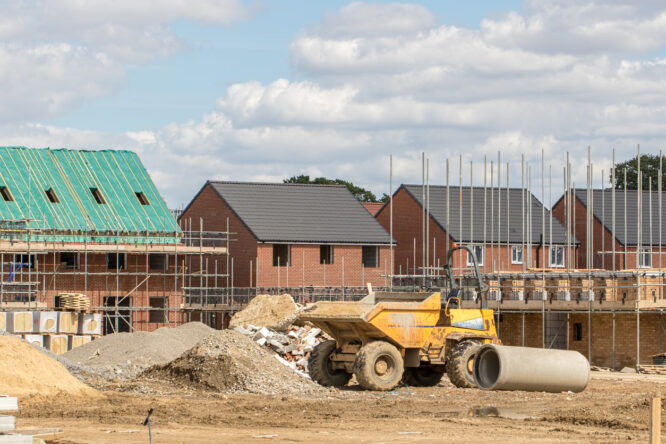
From missing play areas to overstretched services and disappointing community planning, these developments often leave parents feeling like they’ve bought into a sales pitch, not a liveable home. The worst part is that these issues aren’t small glitches; they’re structural problems that impact everyday life. Here’s how new-build developments are letting families down before the keys are even in the door.
1. Play areas for families with kids just… never appear.

Families are being sold homes with glossy brochures showing kids running through playgrounds, but the reality is often locked gates, fenced-off fields, or no play area at all. In places like Essex and Surrey, residents have waited years for the promised parks and play equipment to be built. In some cases, developers didn’t even break ground on them until local authorities got involved.
This isn’t just about swings and slides. Playgrounds give children safe, local space to burn energy and make friends, and they give parents a place to meet and feel part of the area. When those spaces don’t materialise, neighbourhoods feel half-finished, and families are left disappointed from the moment they move in.
2. There are no schools or GPs ready for them.

Time and time again, housing is built long before the infrastructure is in place. Families move in only to find that local schools are full, GP surgeries are miles away, and there’s nowhere nearby for daily essentials. In Frome, Somerset, land was set aside for a school, but it never got built, even after hundreds of homes were occupied.
This kind of backwards planning puts pressure on families from day one. What’s pitched as a “family-friendly” area quickly becomes an exhausting juggling act of long commutes and overbooked services. By the time the promised facilities arrive, if they ever do, many people have already been pushed to their limit.
3. Parking is a daily battle.
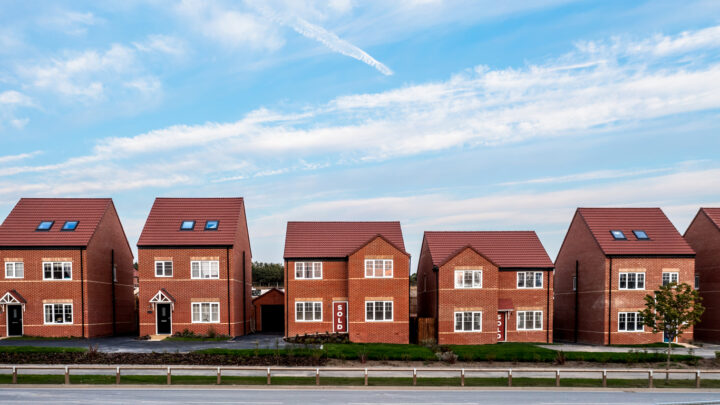
New-build estates often come with one designated parking space per home, and very little else. Roads are narrow, visitor bays are limited, and if you’ve got more than one car or guests over, you’re in for a fight over space. For families with teens, multi-car households, or grandparents visiting regularly, it gets messy fast.
These aren’t just mild inconveniences. They lead to neighbour disputes, blocked access, and general stress every time someone pulls up. For something as basic as parking to be overlooked in family developments is baffling, and it adds unnecessary friction to daily life.
4. Green space is often unusable.
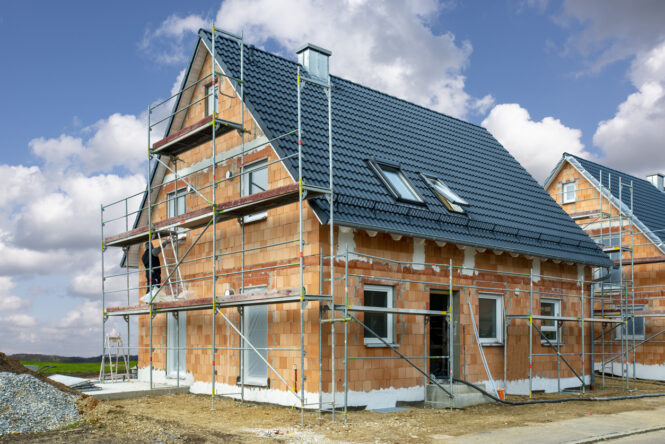
Developers love to highlight landscaped areas in their marketing, but residents often find that “green space” means little more than a drainage basin or a patch of scrubland with a sign that says “keep off.” Instead of a park, families are left with boggy, unsafe areas that aren’t maintained or accessible.
This bait-and-switch leaves people with nowhere nearby to relax or let their kids play. It also chips away at trust in the development itself because when you’re told one thing and shown another, it’s hard to feel settled in your new environment.
5. The build quality is often poor from the start.
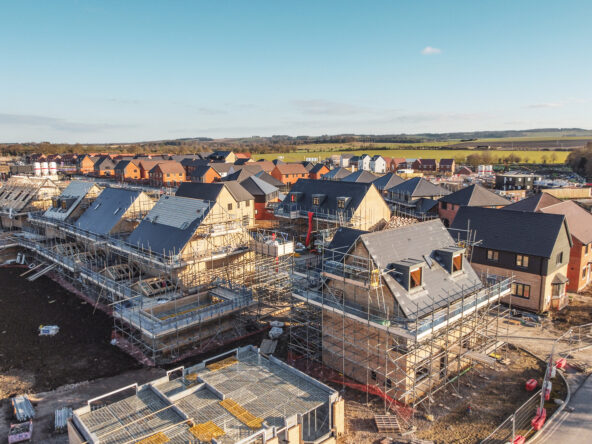
Families expect their new home to be structurally sound. But across the country, residents are reporting major defects just months after moving in: flooding, cracks, electrical faults, faulty boilers. These aren’t minor cosmetic issues. They’re problems that affect safety, comfort, and cost.
When you’ve saved up, signed contracts, and uprooted your life, discovering your brand-new home needs serious repairs is a crushing blow. Developers may promise to fix things, but the process is slow and stressful, especially when families have young children and limited time to chase down builders.
6. Promised communities feel unfinished for years.
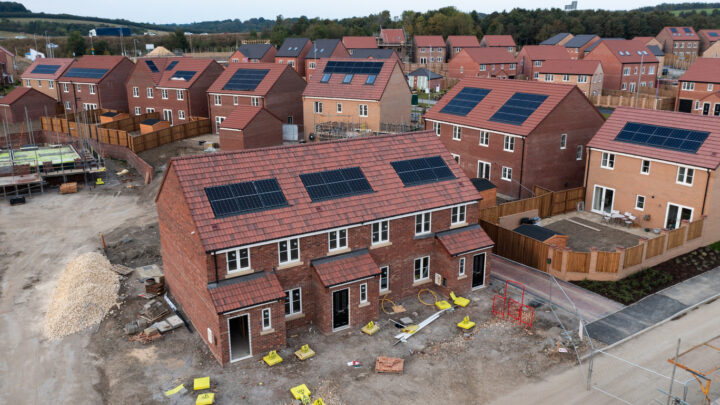
So many new-build estates are pitched as close-knit, thriving communities. But when shops, cafés, community centres, and play spaces don’t show up, the area feels more like a dormitory than a neighbourhood. Without shared places to gather, meet, or bump into each other, families struggle to feel part of something.
Developers tend to build houses first and everything else later, if at all. That leaves residents feeling disconnected and isolated, even if they’re surrounded by hundreds of other families. The vision of a lively, welcoming estate only works if the basics are actually delivered.
7. Children’s play isn’t being prioritised at all.

Reports show a steep drop in available play space across the UK. A third of children now live more than a ten-minute walk from any sort of playground. When developers cut corners or leave play areas out of the plan entirely, it reinforces a wider trend of childhood being pushed indoors.
For families, that means more time driving to parks, more screen time for kids, and fewer chances for spontaneous play. For new estates, it means a noticeable lack of laughter, movement, and socialising—the very things that make a neighbourhood feel alive.
8. Anti-kid design choices are baked in.

Even when outdoor spaces are included, they’re not always family-friendly. “No ball games” signs, awkward layouts, and underused patches of green are common. Instead of creating spaces where kids are welcome, many estates subtly discourage play through design and rules.
This sends a clear message: children aren’t being thought about beyond their bedrooms. It’s a subtle change that makes families feel less comfortable letting kids roam, and it means the neighbourhood never quite grows into itself the way it should.
9. Councils are often powerless to fix it.

Local authorities do their best to hold developers accountable, but enforcement powers are weak. In Surrey’s Westvale Park, a play area wasn’t delivered until the council issued legal notices and demanded a £12 million bond. Without that kind of intervention, many promised features would still be missing.
For most families, that means a long wait, and very little recourse if things aren’t built. You can’t move school catchment areas or open a shop yourself. Without stronger oversight, developers keep getting away with delivering less than what’s been sold on paper.
10. Play space still isn’t legally required in England.
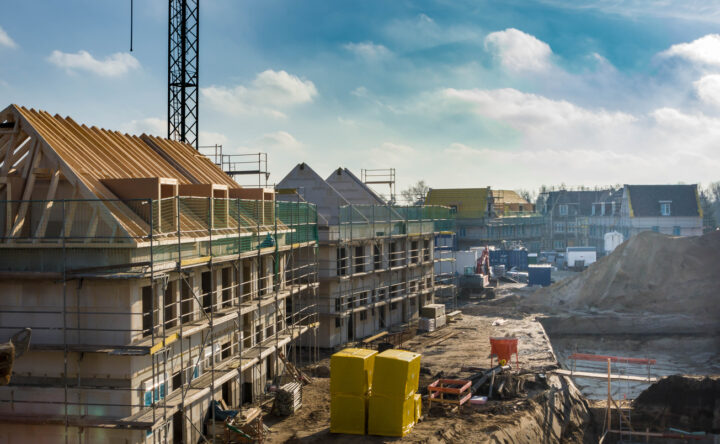
In Scotland and Wales, there are legal duties to make sure children have access to play space. England has no such requirement. That means new housing developments can be signed off with no local play areas, no safe walking routes, and no real provisions for children to exist outdoors.
Until that changes, this cycle will keep repeating. Families will keep moving into new homes filled with hope, only to find the basics missing. The kids growing up in these places will silently adapt to a world that wasn’t built with them in mind.