These days, “princess treatment” isn’t just a fairy-tale phrase.

Instead, it’s a viral TikTok trend started by influencer Courtney Palmer and a lightning rod for debate, and it reveals a lot about how many women expect to be treated in the dating world. While it’s not entirely off-base, there are parts of the concept that some people have a major problem with. Here’s what it’s all about, why it’s getting so much pushback, and what deeper dynamics it speaks to.
1. It often means stepping back and letting someone else do the heavy lifting.

In some of the viral videos showcasing the trend, princess treatment is shown as letting your partner take the lead: ordering for you at restaurants, handling reservations, even speaking to staff on your behalf. The idea is that you get to relax and feel cared for, and it’s framed as elegant and intentional.
However, some people argue it crosses into passivity rather than partnership, and when you consistently step back, it starts to look less like romance and more like avoidance of your own presence.
2. It can be pigeonholed into traditional gender roles.

The trend draws heavily from “tradwife” aesthetics, such as soft-spoken demeanour, avoiding decision-making, and leaning into feminine submission. That setup appeals to some, but it’s also seen as reinforcing dated power dynamics that leave little room for agency. When the concept becomes about shrinking yourself to fit an ideal rather than standing beside someone as an equal, people begin to question whether it’s actually supportive or subtly oppressive.
3. Critics say it risks turning self-worth into a performance.

TikTok creators often turn princess treatment into a checklist: designer dresses, avoiding eye contact with servers, staying silent in public. It might look glamorous, but it blurs the line between self-care and performing passivity. It becomes problematic when romantic gestures turn into rigid roles because authenticity gets lost in maintaining a persona rather than living a connection that feels real.
4. Many versions lack emotional reciprocity.

According to relationship experts, true princess treatment is not about gifts or pampering. Really, it’s about feeling emotionally held, appreciated, and seen. That means thoughtful acts, yes, but also mutual effort, not a one-way show of privilege. When the trend leans only into what one partner receives, then instead of feeling cared for, it starts to feel transactional rather than tender.
5. It can be more a sign of entitlement than affection.

Some glimpses of princess treatment online come off as demanding rather than appreciated. For example, expecting constant attention, gifts, or grand gestures without reciprocity cross the line from wanting connection into feeling owed. When you ask for affection without giving it, or treat romance as something you deserve rather than something you both build, you risk breaking the bond under the weight of unmet expectations.
6. It sparked a cultural backlash quickly.

When Courtney Palmer’s TikTok went viral, many reacted viscerally. Former service staff spoke up, critics called it misogynistic, and debates about autonomy versus tradition exploded. It’s clearly striking a nerve in a way that makes people uncomfortable. The backlash isn’t just about one video—it’s about what it represents: a moment where culture is wrestling with who gets treated, by whom, and why the lines feel blurry now.
7. It taps into deeper tensions about autonomy.

Some defenders say princess treatment is a personal choice about embracing femininity and feeling cared for, while opponents liken it to erasure of women’s voices. The debate reveals a larger conflict about how independence and intimacy should coexist. When choosing softness feels like silencing yourself, you begin to question whether the treatment is empowering or enabling a retreat from your own presence.
8. It confronts the difference between fantasy and function.
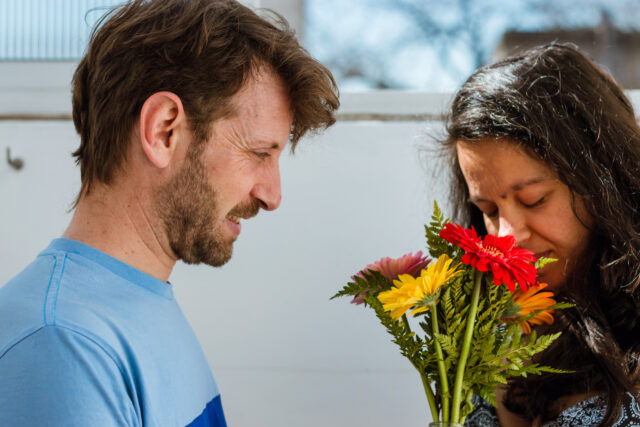
On one hand, it’s a romantic fantasy. After all, being treated like royalty may feel luxurious and joyful. On the other, everyday relationships need mutual effort, negotiation, and honest communication, which don’t fit neatly into a princess script. When fantasy overshadows functionality, connections risk becoming fragile. They look pretty, but they’re not built to weather real life.
9. Some women say they find genuine comfort in it.

Courtney Palmer and others describe princess treatment as emotional relief, not submission. For them, leaning back, letting someone else care for logistical details, and feeling special doesn’t negate their voice or choices. Instead, it complements them. If it comes from a place of mutual respect, where giving up control in one area opens up space for connection in others, then maybe it’s not regressive at all, but restorative.
10. Context matters more than actions.

The same act, like having someone order for you, can feel caring or controlling, depending on intention and trust. Without knowing what’s behind the gesture, people will interpret body language rather than values. Consequently, princess treatment without clear context or boundaries is easy to misread, and hard to defend once the only visible frame is performance rather than warmth.
11. It raises questions around reciprocity.

Real intimacy grows when both people feel seen and supported. If one person is constantly giving and the other always receiving without contributing emotionally, that imbalance wears into disconnection, not closeness. So, while moments of receiving care are beautiful, they ideally exist in a two-way flow, not a one-way pattern that leaves one person emotionally unpaid.
12. It can set standards that fuel insecurity.

Sociologists warn that turning princess treatment into a trending ideal can pressure women into measuring worth by how pampered they feel rather than the strength of communication in their relationship. It risks making care conditional, not earned. When self-worth becomes tied to getting treated, self-esteem becomes fragile. It depends on someone else performing, instead of growing from mutual understanding.