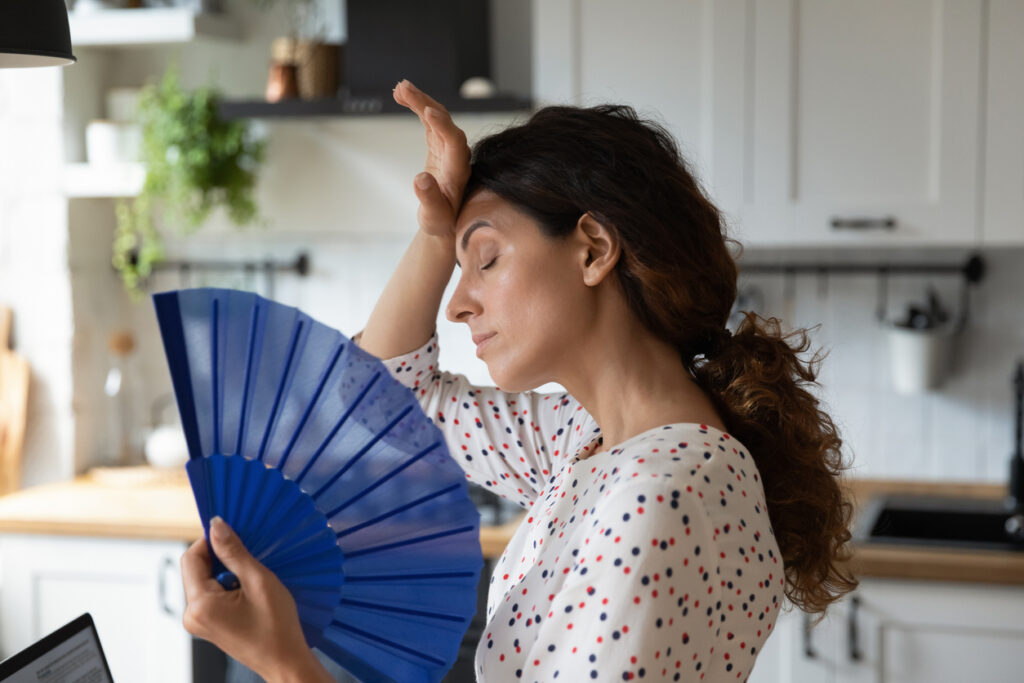
More women than ever are being diagnosed with perimenopause, but there’s growing concern that this natural life transition is becoming a convenient explanation for symptoms that might actually be rooted in chronic stress, workplace burnout, or other health conditions. Recent research shows that symptoms overlap significantly between perimenopause and stress-related conditions, and healthcare providers often struggle to differentiate between them.
The symptoms overlap is genuinely confusing.
Brain fog, fatigue, anxiety, sleep problems, and mood swings are hallmark symptoms of both perimenopause and chronic stress. When a 45-year-old woman presents with these complaints, it’s easy to assume her hormones are the culprit rather than digging deeper into her work-life balance, relationship stress, or underlying health conditions.
Research from 2024 found that when age was factored into studies, menopausal stage no longer predicted stress and anxiety levels in women, suggesting that life circumstances play a bigger role than previously thought. This means some women might be getting hormone treatments when what they really need is stress management or career changes.
Healthcare training on menopause is surprisingly lacking.
Studies show that 80% of medical residents feel “barely comfortable” discussing menopause, and only 20% of OB/GYN residency programmes provide menopause training. When doctors aren’t well-educated about this life stage, they might either miss it entirely or use it as a catch-all explanation for complex symptoms.
This lack of training means that 75% of women seeking treatment for menopausal symptoms leave without proper help, while others might receive a perimenopause diagnosis when their symptoms stem from other causes that haven’t been properly investigated.
Modern life stress peaks during typical perimenopause years.
Women in their 40s and 50s are managing demanding jobs, raising children, sending kids to university, and caring for ageing parents, all while dealing with significant life pressures. These stressors alone can create the exact symptoms we associate with perimenopause.
Research shows that workplace burnout and perimenopause symptoms are deeply interlinked, with almost a third of women reporting that hormonal changes significantly impact their work performance. But the question remains: are hormones causing the stress, or is chronic stress mimicking hormonal symptoms?
The diagnostic process isn’t straightforward.

There’s no specific blood test that definitively diagnoses perimenopause because hormones fluctuate dramatically during this time and typically fall within normal ranges. This means diagnosis often relies on symptom reporting rather than concrete medical evidence.
Healthcare providers may consider perimenopause if symptoms align with the typical age range, but many lesser-known symptoms can lead to misdiagnosis. Without proper testing for thyroid issues, vitamin deficiencies, or stress-related conditions, perimenopause becomes the default explanation.
Some doctors are jumping to hormone solutions too quickly.
Recent surveys found that 25% of women aged 50-65 have never been told by their doctor that they’re in perimenopause, even though 92% experienced symptoms in the past year. This suggests either under-diagnosis or over-reliance on perimenopause as an explanation for midlife health changes.
The pendulum might be swinging too far in the opposite direction now, with some practitioners quick to attribute any midlife symptom to hormonal changes without investigating other potential causes like chronic stress, autoimmune conditions, or mental health issues.
Workplace stress symptoms mirror perimenopause perfectly.
Studies specifically examining nurses found that menopausal symptoms were significantly associated with emotional exhaustion and burnout. But researchers struggled to determine whether hormones were causing workplace difficulties or whether work stress was exacerbating hormonal symptoms.
The relationship between job demands, work ability, and exhaustion becomes more complex during midlife, but it’s not always clear whether perimenopause is the primary factor or just one piece of a larger stress puzzle.
The misdiagnosis problem works both ways.

Research suggests that as many as 1 in 3 women may receive a misdiagnosis when it comes to menopause symptoms. Sometimes real perimenopause gets missed because symptoms are attributed to stress, while other times chronic stress gets mislabelled as hormonal changes.
A 2025 survey of 500 women found that misdiagnosis disproportionately affects women, with healthcare professionals often dismissing symptoms as “normal for a woman in her 30s” or “just typical period issues”. That dismissive attitude can lead to both under-diagnosis and over-diagnosis of perimenopause.
The timing creates a perfect storm.
Perimenopause typically occurs when many other major life changes are happening: kids leaving home, career moves, relationship changes, and health challenges. All these factors independently contribute to anxiety, sleep problems, and mood changes.
Mental health symptoms during menopause shouldn’t be confused with depression, but the increased risk of depression during this time makes it harder to separate hormonal from psychological causes. The complexity of midlife means multiple factors are usually at play simultaneously.
Social media is amplifying awareness but also confusion.
While increased awareness of perimenopause is generally positive, social media discussions sometimes present it as the explanation for every midlife struggle. Women might self-diagnose based on online symptom lists without considering other potential causes.
Modern symptom-checker quizzes acknowledge that hot flushes can be triggered by anxiety or thyroid disorders, irregular periods often link to stress or PCOS, and brain fog frequently stems from poor sleep or chronic stress. These overlaps make self-diagnosis particularly unreliable.
The solution requires better differential diagnosis.

Healthcare experts recommend that providers first test for other conditions like thyroid problems, vitamin deficiencies, and autoimmune issues before attributing symptoms solely to perimenopause. A comprehensive approach considers hormonal, psychological, and lifestyle factors.
The World Health Organization emphasises that menopause care should play an important role in promoting healthy ageing, but this requires proper training for healthcare providers and better understanding of how multiple factors interact during midlife.
Perimenopause is real and significantly impacts many women’s lives, but it shouldn’t become a catch-all explanation for every midlife health concern. The best approach involves healthcare providers who can differentiate between hormonal changes, chronic stress, and other health conditions, while recognising that these factors often interact in complex ways. Women deserve thorough evaluation rather than quick labels, whether that’s dismissing their symptoms as “just stress” or attributing everything to “just hormones”.