For many Gen Zers, asking an AI for outfit ideas isn’t some quirky experiment—it’s just part of the morning routine.

From building capsule wardrobes to “dressing like Hailey Bieber,” AI handles more of that style anxiety than a friend ever could. Here’s why it feels so normal, and how everyone, from us to the brands, are rolling with it. A few years ago, none of us would have been able to imagine such a thing, but here we are…
1. AI makes style decisions faster and easier.

Gen Z grew up surrounded by instant answers, so why should fashion planning take more time than a TikTok scroll? AI tools like ChatGPT with shopping features or apps such as Style DNA cut the decision-making process down to seconds, suggesting outfits based on your preferences and even your selfie.
This ease feeds a habit—asking a bot feels like simply completing a task, rather than guessing or overthinking what to wear. The convenience becomes not just useful but expected, reshaping how daily choices get made.
2. Personalisation feels authentic, even when it’s algorithmic.

Gen Z values unique self-expression, or “hyperpersonal style,” and AI can mimic that. Whether it’s remixing techwear with cottagecore or mixing Y2K with balletcore, smart systems use your likes or dislikes to tailor fashion that feels truly you, even if it’s suggested by code.
It’s less about following trends and more about crafting an identity you own, and when AI understands your voice, even better. That allows style to feel both personal and curated, and it lets your individuality shine, algorithm-assisted but uniquely yours.
3. Human stylists feel outpaced by AI speed.

Waiting for feedback from a stylist can feel slow, like getting advice from a friend who texts back in hours. AI, on the other hand, responds instantly with suggestions, links, and even purchase-ready options. That speed isn’t just practical. It also changes expectations. When a bot replies faster than a friend, it’s easy to choose efficiency over human touch, even if only because time rarely bends for fashion emergencies.
4. AI makes experimenting risk-free.

Want to try neon pants or oversized goth glam? AI helps you visualise ideas without real-world commitment, and if something doesn’t work, it’s no big deal—you just move on. That casual experimentation suits Gen Z’s playful approach to style. Seeing yourself in different looks without buying them first lowers hesitation, encouraging style exploration that might otherwise feel too risky or costly.
5. It’s more accessible than influencer-driven shopping.

A lot of fashion advice still comes down from social media stars, but influencer picks often need spending big or following fading microtrends. AI, by contrast, pulls from your own profile or preferences, not someone else’s aesthetic or sponsorship deals. That makes fashion feel more relatable and rooted in you instead of a curated show. It bypasses influencer noise and lets you shape your own expression, even when a bot nudges you in the right direction.
6. The pandemic speeding up virtual styling.

Online fitting rooms, virtual wardrobes, and digital lookbooks exploded when we couldn’t try things on in person. AI-style tools grew naturally from this change, and Gen Z just kept adopting them out of habit. Now, asking a bot for outfit ideas feels no stranger than asking a friend, and because everything went digital so fast, it slipped into normal life before anyone called it a trend.
7. AI offers anonymity that boosts confidence.

Talking to a bot means no judgement if your style feels all over the place. Want to ask for “fun sneakers” dressed with mood boards from your screen? You’ll get suggestions without eye-rolls or side glances. That lack of pressure builds comfort and confidence because you can polish your look before ever stepping into a dress room or asking someone else’s opinion.
8. It turns closets into curated hubs.

Apps like Style DNA don’t just suggest new items; they also help you rediscover what you already own. That makes your closet feel like a richer resource, instead of a place where clothes get forgotten. This smart remixing helps reduce waste, keep you creative with what you already own, and makes your fashion process feel active and intentional, not passive and shopping-driven.
9. AI still hears your values.

Gen Z wants fashion that aligns with values, whether that’s sustainability or breaking away from traditional trends. AI tools can prioritise second-hand or eco-friendly options, or hit niche aesthetics like meme tees or monogrammed pieces. When a styled look also reflects what you care about, the fashion just feels more meaningful. It layers intention on top of convenience.
10. It helps dodge “what do I wear?” anxiety.
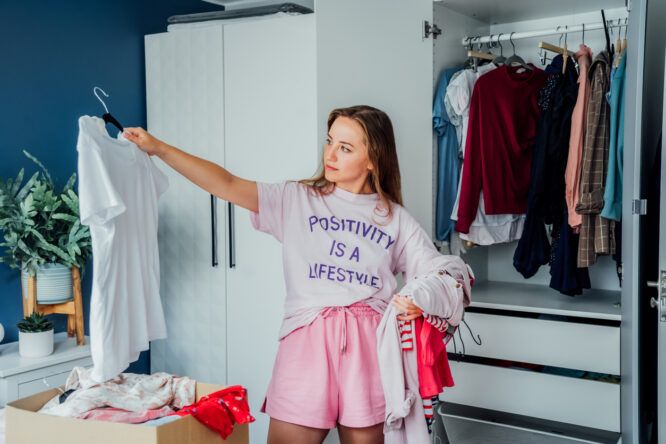
Meeting up for an event can trigger indecision stress, especially when plans change mid-week. Having a bot suggest a capsule wardrobe or grab-bag of mix-and-match options takes the guesswork out of outfit planning. That stress reduction makes everyday fashion feel easy, which is exactly why it’s become a go-to move, not because style has lost its soul, but because your time (and social energy) is precious.
11. Retailers are learning they must play nice with AI.
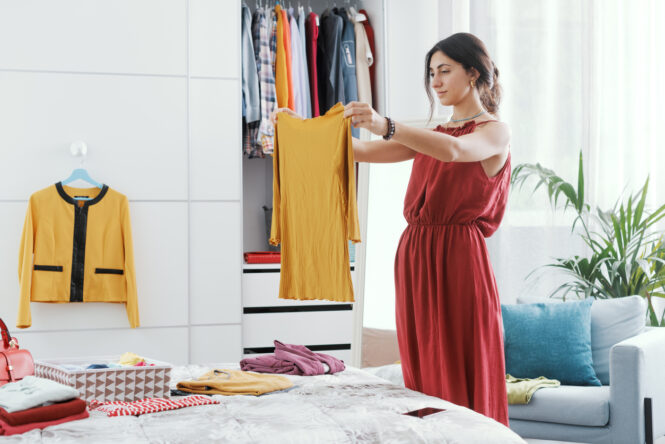
Stores know Gen Z is leaning on AI feeds and apps for style discovery, so they’ve started optimising their listings to show up in those personalised suggestions. That pressure to stay visible pushes the trend further down the line. When fashion brands bend their choices to AI ethics and filters, the algorithm becomes the curator for many shoppers, meaning Gen Z just lives in that curated world more than picking from racks themselves.
12. AI knowledge makes the system feel less alien.
When you grew up swiping, asking AI about the weather or assignments, moving on to asking for fashion advice doesn’t feel strange, it feels natural. Tech literacy turns AI from novelty to normal. That familiarity removes friction. When your brain knows how to talk to a chatbot, trying a new styling question feels as easy as asking for a playlist recommendation.
13. It leaves room for individual creativity.

Rather than replacing personal taste, bot suggestions can serve as a starting point. Gen Zs remix the AI output with thrifted finds, DIY tweaks, or vintage pieces, so the result still feels custom-made by their hands. AI is just another tool in the creative toolkit, not a style dictator. When used like that, it amplifies self-expression instead of reversing it.